Ford Fiesta Wet Belt Replacement: Complete Guide

Ignoring a Ford Fiesta’s timing belt maintenance isn’t just a minor oversight; for owners of the 1.0L EcoBoost engine, it is a high-stakes gamble with a potential $5,000 engine replacement on the line. The transition from traditional dry timing belts to the “wet belt” system—where the belt is submerged in engine oil—was designed to reduce friction and improve fuel efficiency, yet it has become one of the most discussed maintenance hurdles in modern automotive engineering. If you own a Fiesta manufactured between 2012 and 2020, understanding the nuances of this system is mandatory for vehicle longevity. In this comprehensive guide, you will gain expert insights into why these belts fail, the professional methods for replacement, and how to ensure your engine remains reliable for hundreds of thousands of miles.
Overview: Understanding the EcoBoost Wet Belt System
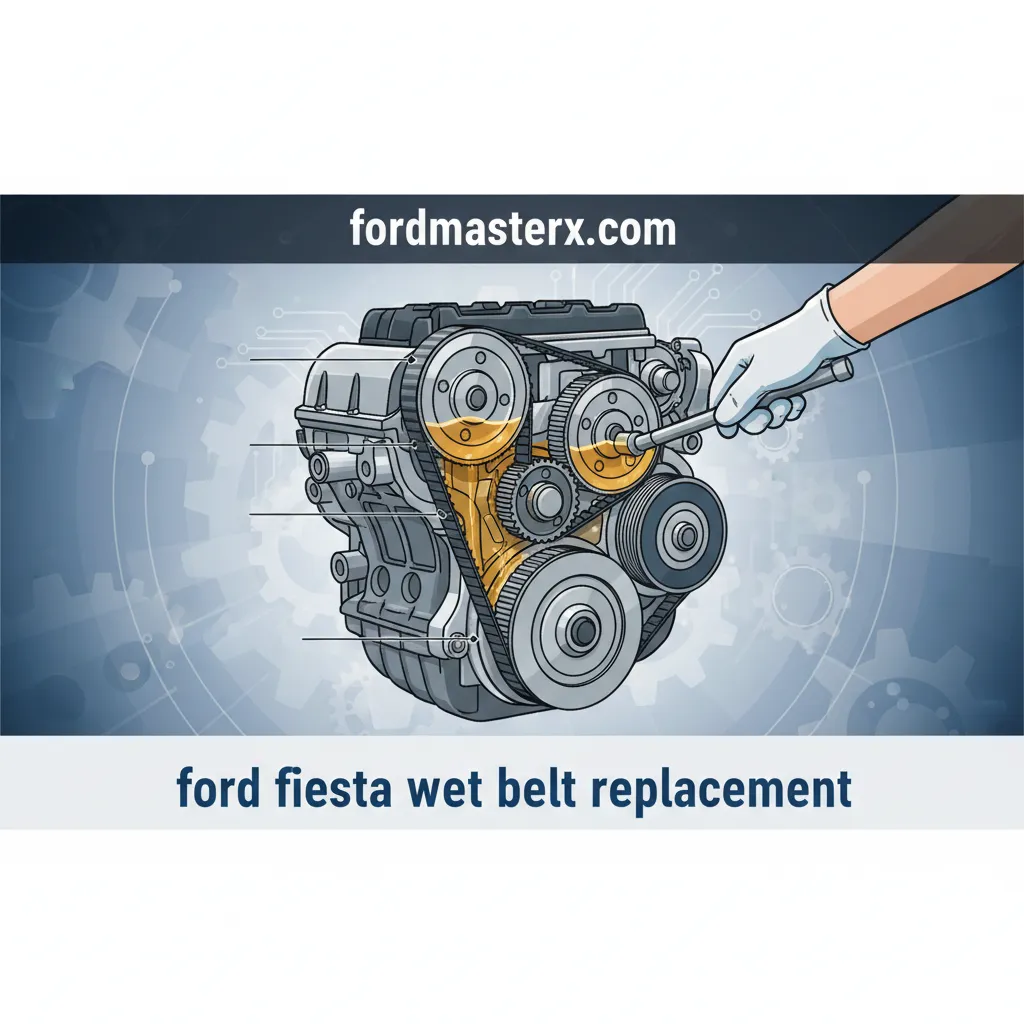
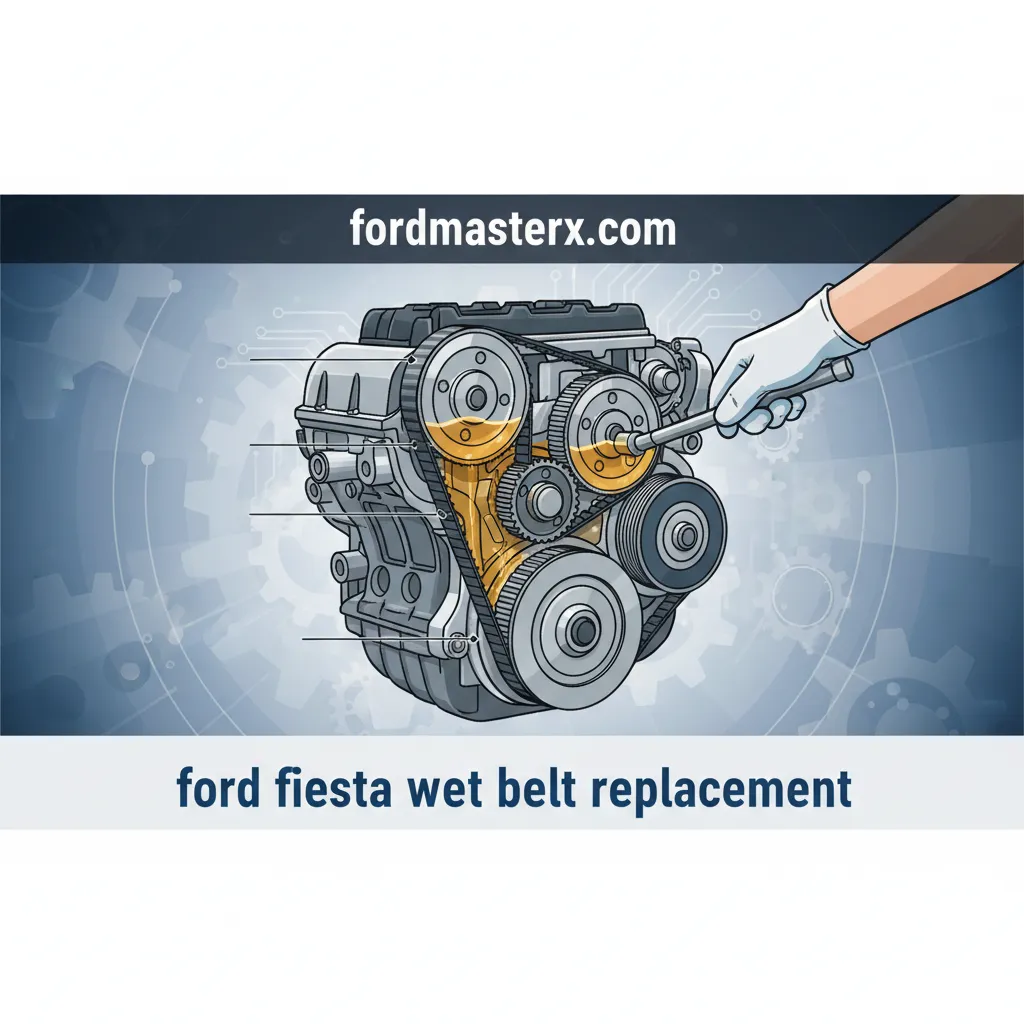
The Ford Fiesta 1.0L EcoBoost, often called the “Fox” engine, revolutionized small-displacement performance. Central to its design is the “Belt-in-Oil” (BIO) technology. Unlike a traditional timing belt that resides in a dry housing behind a plastic cover, the Fiesta’s wet belt is located inside the engine block, constantly bathed in the same oil that lubricates your pistons and turbocharger.
📤 Share Image
The engineering intent was to combine the quiet operation of a rubber belt with the durability of a timing chain, all while reducing internal friction by up to 20%. However, this design creates a critical dependency: the chemical integrity of the belt relies entirely on the quality and condition of the engine oil. Over time, heat, fuel dilution, and the use of incorrect oil grades cause the belt’s rubber to swell and eventually delaminate. Small particles of rubber then flake off, entering the oil supply and migrating to the oil pump pickup strainer.
The Wet Belt Crisis by the Numbers
Safe Mileage Limit
Standard Labor Time
Avg. Replacement Cost
Oil Strainer Blockage Risk
The “Silent Killer”: Oil Pump Strainer Clogging
The primary failure mode in a Ford Fiesta isn’t always the belt snapping. More commonly, it is the belt shredding. These microscopic rubber fragments accumulate in the oil sump, eventually forming a thick “sludge” that covers the oil pump pickup mesh. When this happens, the engine loses oil pressure, the turbocharger starves and fails, and the crankshaft bearings seize. This is why a complete wet belt service must always include dropping the oil sump to clean the pickup pipe.

Key Benefits of Proactive Replacement
Investing in a professional wet belt replacement before the system fails offers several critical advantages that far outweigh the initial service cost. This is not just routine maintenance; it is an insurance policy for your vehicle’s engine.
Total Engine Protection
Prevents catastrophic internal engine failure caused by timing jumps or oil starvation due to rubber debris.
Optimized Fuel Economy
A fresh, correctly tensioned belt ensures perfect valve timing, maintaining the 1.0L EcoBoost’s signature efficiency.
Restored Resale Value
Proof of a trusted wet belt replacement is the #1 document buyers look for in a used Ford Fiesta service history.
Quiet Operation
Eliminates the “whirring” or “tapping” noises often associated with a degrading belt or partially blocked oil pump.

How It Works: The Science of the Wet Belt
The complete wet belt system consists of two primary belts: the main timing belt (which connects the crankshaft to the camshafts) and a smaller oil pump drive belt. Both are made from a high-grade Nitrile-Butadiene Rubber (HNBR) composite designed to resist oil saturation.
However, the chemistry of modern engine oil is aggressive. As oil ages, it accumulates acidic combustion byproducts. If a car is driven on short trips where the engine never fully warms up, fuel can leak past the piston rings (fuel dilution), thinning the oil and attacking the belt’s bonding agents. This causes the belt to lose its structural integrity.
Never use a “universal” 5W-30 oil. The 1.0L EcoBoost specifically requires 5W-20 Castrol Magnatec Professional (or equivalent) meeting Ford WSS-M2C948-B specifications. This oil contains specific additives that protect the belt rubber from cracking.
Getting Started: The Replacement Process
Replacing a Ford Fiesta wet belt is a complex task that should only be undertaken by an expert technician or a highly skilled DIYer with the correct professional equipment. Unlike older cars, this engine does not have timing marks on the pulleys. Instead, it relies on precise locking tools and a massive torque multiplier for the crankshaft bolt.
📋
Step-by-Step Replacement Guide
Remove the battery, engine cover, and the intricate cooling pipes. You must drain the oil and coolant before removing the front timing cover and the rocker cover to expose the camshafts.
Rotate the engine to Top Dead Center (TDC). Insert the expert-grade crankshaft locking pin and the camshaft alignment plates. Warning: The camshaft pulleys are ‘floating’ and have no keyways; the tools are the only things holding timing.
Remove the old timing belt and the oil pump belt. Crucially, remove the oil sump. Inspect the oil pump pickup strainer for rubber debris. Even if the belt looks okay, cleaning this strainer is essential for a reliable repair.
Install the new quality belts and tensioners. The crankshaft pulley bolt must be tightened using a 5:1 or 6:1 torque multiplier. It requires a specific torque plus a huge degree of angle (e.g., 300Nm + 90 degrees). Never reuse the old bolt.
When reattaching the oil sump, use ONLY the Ford-approved RTV sealant. Excessive or incorrect sealant can squeeze into the engine and block the same oil strainer you just cleaned, leading to immediate engine failure.
Choosing Between DIY and Professional Service
Due to the requirement for specialized tools costing upwards of $400 and the extreme labor time involved, most Fiesta owners should seek a trusted independent specialist or a main dealer. A professional shop will provide a warranty on both parts and labor, which is vital given the complexity of the 1.0L EcoBoost timing system.
✅ Pros of Wet Belt Design
- Extremely quiet engine operation
- Lower CO2 emissions
- Improved fuel economy (50+ MPG possible)
- Reduced mechanical drag on the engine
❌ Cons & Risks
- High sensitivity to oil quality
- Very expensive maintenance costs
- Debris can cause oil starvation
- Catastrophic failure with no warning
Best Practices for Long-Term Reliability
Once you have completed the comprehensive replacement of your wet belt, your focus must shift to preservation. The goal is to prevent the new belt from suffering the same fate as the old one. This involves a radical departure from “standard” service intervals.
-
•
Six-Month Oil Changes: Even if you only drive 5,000 miles a year, change your oil every 6 months. Fresh oil has the highest concentration of protective additives. -
•
Avoid Short Trips: Modern direct-injection engines suffer from fuel dilution when cold. Long drives allow the oil to reach temperatures where fuel can evaporate out of the lubricant. -
•
Monitor the Oil Light: If the oil pressure light flickers for even a second, stop the car immediately. It is almost certainly the belt debris blocking the strainer.
By following these expert recommendations, the Ford Fiesta remains one of the most enjoyable small cars to drive. While the wet belt system requires a higher level of vigilance, its benefits in refinement and efficiency are significant when maintained correctly.
Summary and Next Steps
The Ford Fiesta wet belt is a sophisticated piece of engineering that demands professional respect. To summarize the key takeaways: first, ignore the 150,000-mile factory interval and aim for replacement at 80,000 miles. Second, always ensure the oil sump and strainer are cleaned during the service to prevent oil starvation. Finally, never compromise on oil quality; the WSS-M2C948-B specification is the lifeblood of your engine.
If your Fiesta is approaching the 8-year mark or showing signs of low oil pressure, do not delay. Contact a reliable specialist today to book a complete wet belt inspection. Protecting your engine now is the only way to avoid a total mechanical failure in the future. Ensure your vehicle stays on the road by prioritizing this critical guide to maintenance.