Cleaning Exhaust Filter Continue Driving: A Manual For Dpf Active Regeneration And System Maintenance

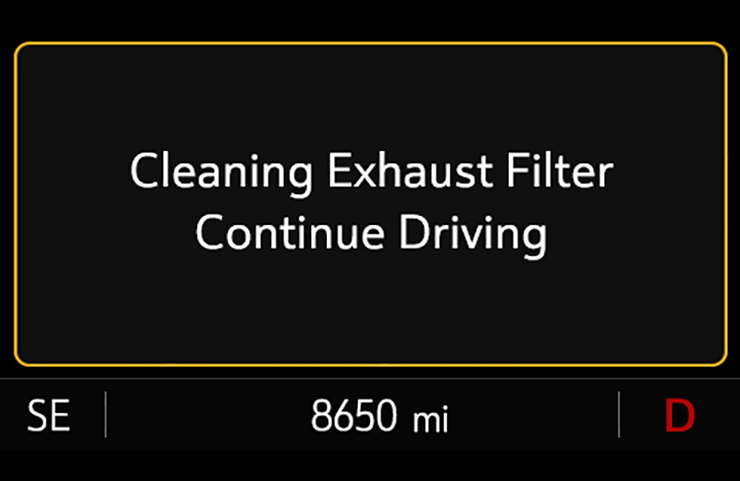
When the “Cleaning Exhaust Filter Continue Driving” message illuminates your dashboard, your vehicle is performing a critical self-preservation task that requires your immediate cooperation. For many diesel owners, this alert triggers a sense of anxiety or confusion, often resulting in improper driving behavior that inadvertently causes system damage. This notification is not merely a suggestion; it is a command from the Engine Control Unit (ECU) to facilitate a Diesel Particulate Filter (DPF) regeneration. Failing to follow these instructions can lead to clogged filters, significantly reduced engine power, or catastrophic mechanical failures. This comprehensive guide provides an authoritative manual on why this message appears, how to drive your vehicle to complete the cleaning cycle successfully, and professional tips for maintaining your exhaust system’s long-term reliability.
Understanding the Cleaning Exhaust Filter Continue Driving Notification
📤 Share Image
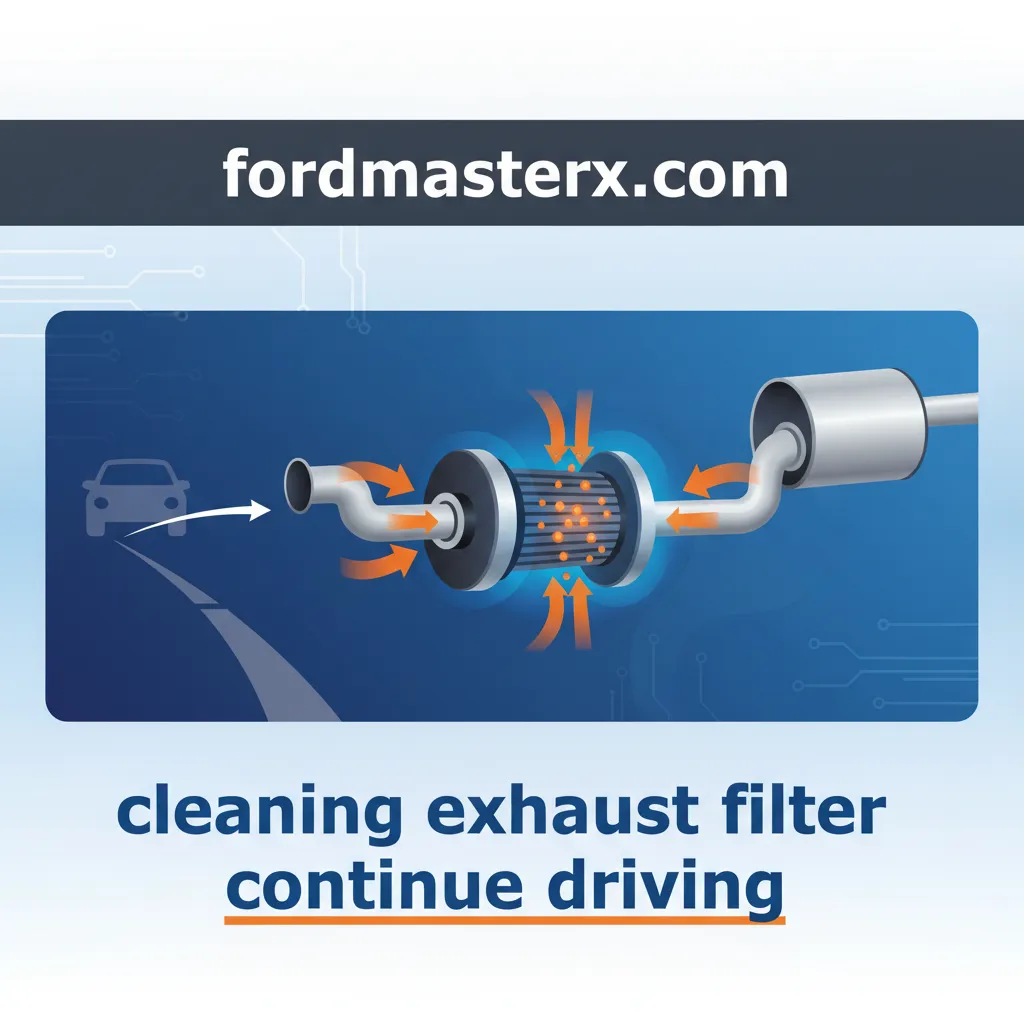
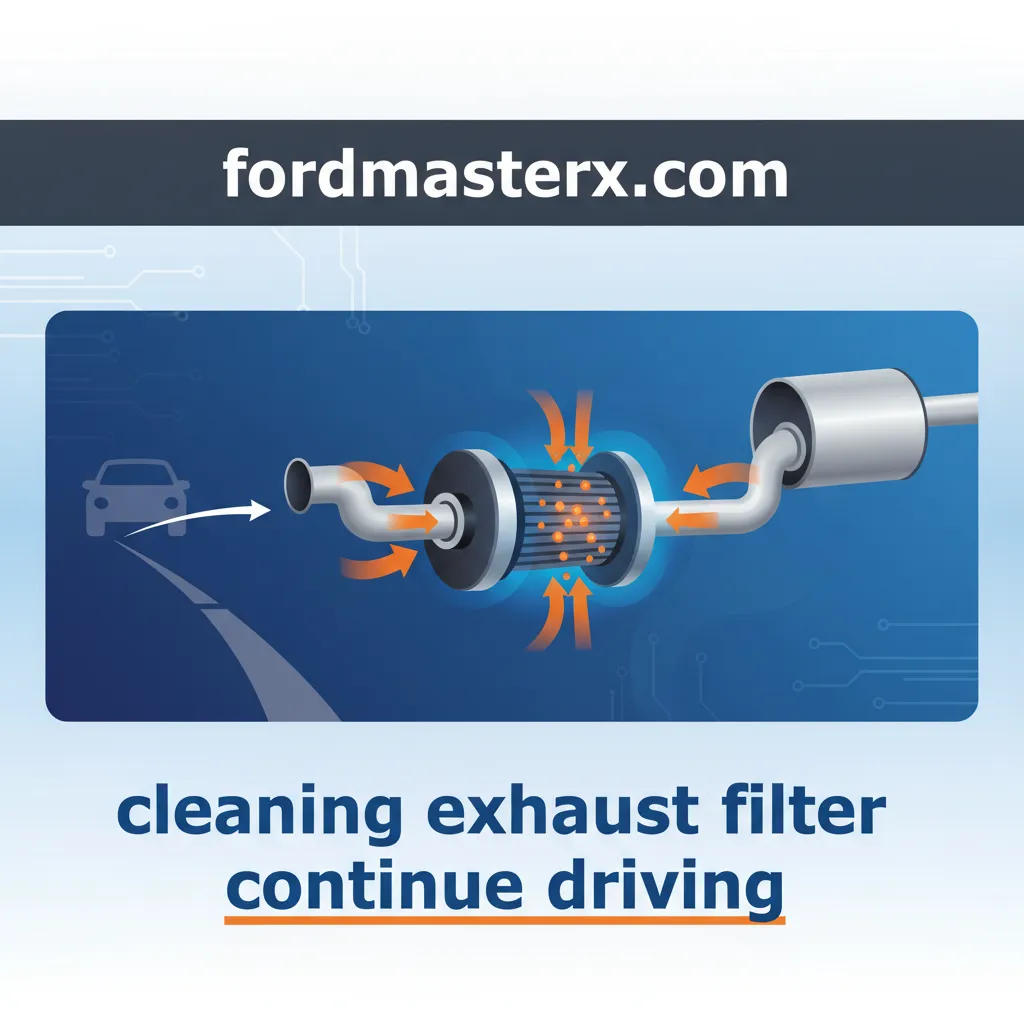
Modern diesel engines are equipped with a Diesel Particulate Filter (DPF), a quality component designed to capture and store soot—the particulate matter resulting from diesel combustion. However, this filter has a finite capacity. When the soot saturation threshold reaches approximately 40% to 50%, the vehicle triggers the “Cleaning Exhaust Filter” message. This serves as a prompt for active regeneration, a process where the ECU takes control of the engine’s parameters to raise exhaust temperatures to a level that can oxidize the stored soot into harmless ash.
It is vital for drivers to recognize that this is a normal operational phase, particularly for vehicles frequently used for short commutes or city driving. These “stop-and-go” conditions do not generate enough heat for passive regeneration, causing soot to accumulate rapidly. When the dashboard message appears, it is a reliable signal that the system can no longer wait for natural heat and must initiate a software-driven cleaning cycle.
Real-World Scenario: The Commuter’s Challenge
Consider a driver of a Ford Super Duty or a Chevrolet Silverado who uses their heavy-duty truck primarily for a 10-minute commute to work. In this scenario, the exhaust never reaches the required operating temperature to clear the DPF. After several days of this pattern, the “Continue Driving” alert will likely appear just as the driver pulls into their driveway. In this instance, the expert recommendation is to divert the vehicle to a highway for at least 20 minutes. Turning the engine off at this moment interrupts the cycle, forcing the soot to remain in the filter where it can potentially harden.
By The Numbers
Miles between active regen cycles
Soot load trigger point
The Technical Process of Active Regeneration and Exhaust Temperature Management
To understand why you must “continue driving,” one must understand the mechanical and chemical transformation occurring beneath the chassis. During active regeneration, the ECU initiates a post-combustion fuel injection. This involves injecting a small amount of diesel fuel into the cylinders during the exhaust stroke. This unburned fuel travels through the exhaust manifold to the Diesel Oxidation Catalyst (DOC).
When this fuel hits the DOC, a powerful exothermic reaction occurs, rapidly spiking the internal temperature of the DPF. While a standard vehicle might operate at 200°C (392°F) during city driving, successful soot oxidation requires temperatures to reach approximately 600°C (1,112°F). This intense heat burns the carbon-based soot particles, converting them into a microscopic amount of ash that occupies far less volume within the filter substrate.
Monitoring the Cycle
The system relies on high-quality differential pressure sensors and temperature probes. These sensors monitor the “backpressure”—the resistance the exhaust gases face when trying to pass through the filter. A professional technician uses diagnostic tools to read these soot load percentages in real-time. A successful cleaning cycle can reduce soot levels from a 50% “warning” state down to less than 5% in a single 20-minute highway run.

Optimized Driving Conditions for Completing the Cleaning Cycle
Simply idling the engine will not clear the “Cleaning Exhaust Filter” message. In fact, idling is often the catalyst for the problem. To ensure the cleaning cycle is complete and effective, you must provide the engine with the necessary load and airflow to maintain the 600°C threshold. Following a specific protocol will ensure the message clears quickly and the filter is restored to reliable operation.
📋
Step-by-Step Regeneration Guide
Safely merge onto a highway or open road where you can maintain a consistent speed of at least 40–50 mph (65–80 km/h) for a duration of 15 to 30 minutes.
If your vehicle allows for manual gear selection, keep the engine between 2,000 and 2,500 RPM. This higher engine speed provides a consistent flow of hot exhaust gases to the filter substrate.
Ensure your fuel tank is at least a quarter full. Many ECU programs will automatically disable the regeneration process if fuel is low to prevent the vehicle from running out of diesel during the high-consumption cleaning phase.
During this process, you may notice a slight change in the engine note, a subtle smell of heat, or a minor increase in your instantaneous fuel consumption display. These are expert indicators that the system is successfully working. If you must stop for a traffic light, do not panic, but resume highway speeds as quickly as safety allows. Interrupting this regeneration process three or more times consecutively will often trigger a “limp mode” or a restricted performance state, requiring professional intervention.
Consequences of Ignoring the Exhaust Filter Warning and Forced Regeneration
Neglecting the “Continue Driving” command is a high-stakes gamble with your vehicle’s health. When soot accumulation exceeds the 70-80% mark, the soot can harden into a “face-plugged” condition. At this stage, the exhaust gases can no longer pass through the filter, creating massive backpressure. This backpressure is a silent killer for turbochargers, as it forces the turbo to work harder against a wall of resistance, eventually leading to bearing failure.
Furthermore, repeated failed regenerations cause oil dilution. Because active regeneration involves injecting extra fuel into the cylinders, some of that unburned diesel can leak past the piston rings and into the oil crankcase. This thins the oil, reducing its lubricating properties and potentially causing internal engine wear. If the dashboard message is ignored for too long, the vehicle will enter a permanent “Reduced Power Mode,” and the only solution will be a forced regeneration performed by a trusted technician using specialized software.
While a professional static regeneration service might cost approximately $200-$400, a total DPF replacement for modern diesel units typically ranges from $1,500 to $5,000 depending on the vehicle make and model. Reliable preventative driving is the most cost-effective maintenance strategy available.
Professional Strategies for Long-Term Exhaust System Health
Maintaining a DPF system goes beyond just responding to dashboard prompts. To ensure the longevity of the exhaust system, expert owners adopt a proactive maintenance philosophy. The goal is to minimize the amount of soot produced in the first place, thereby reducing the frequency and intensity of active regeneration cycles.
Use Low-SAPS Oil
Always utilize high-quality, Low-SAPS (Sulphated Ash, Phosphorus, and Sulfur) engine oils. Conventional oils can increase the rate of filter ash accumulation by up to 50%, permanently shortening the filter’s lifespan.
EGR System Inspections
Schedule regular inspections of the EGR system. A faulty or carbon-clogged EGR valve is the leading cause of “rich” combustion, which creates excessive soot and overwhelms the DPF prematurely.
For fleet operators or those with high-mileage vehicles, consider a periodic off-vehicle DPF cleaning. Unlike regeneration, which burns soot into ash, this professional service involves removing the DPF and using specialized ovens or aqueous (water-based) solutions to flush out the non-combustible ash that regeneration cannot remove. Implementing a weekly “highway run” for city-driven vehicles can reduce DPF-related downtime by as much as 30% by encouraging passive regeneration.
If your vehicle is frequently used for towing, you may never see the “Continue Driving” message. This is because the high engine load naturally keeps the exhaust hot enough for constant passive regeneration—the gold standard for exhaust system health.
Conclusion
The “Cleaning Exhaust Filter Continue Driving” message is not a failure of your vehicle, but an essential prompt for active DPF regeneration. By burning off accumulated soot at 600°C, your engine maintains its efficiency and protects critical components like the turbocharger. Successful cleaning requires you to maintain sustained highway speeds and elevated RPMs for approximately 20 minutes. Ignoring these warnings leads to oil dilution, severe backpressure, and potentially thousands of dollars in replacement costs. If your exhaust filter message persists after a prolonged drive, or if your vehicle has entered limp mode, contact a trusted diesel specialist immediately for a professional diagnostic and forced regeneration service to ensure your exhaust system remains in complete working order.
Frequently Asked Questions
Can I turn off my engine while the cleaning message is on?
It is highly recommended that you do not turn off the engine. Interrupting the cycle prevents the soot from being fully oxidized. If you must stop, try to resume a highway-speed driving cycle as soon as possible to prevent the soot levels from reaching a critical point where the vehicle enters a restricted power mode.
How long does it take for the exhaust filter to clean while driving?
Under ideal conditions—speeds above 40 mph and consistent RPMs—the process typically takes 15 to 30 minutes. The message will disappear automatically once the ECU detects that the soot load has dropped to an acceptable level. Short trips or heavy traffic will extend this time or cause the process to fail entirely.
What happens if the cleaning exhaust filter message stays on?
If the message persists after 30 minutes of highway driving, the filter may be too heavily loaded for a standard active regeneration, or a sensor may be malfunctioning. At this stage, you should seek professional assistance. Continuing to drive with a persistent warning can lead to permanent filter damage and engine performance issues.
Why does my vehicle need to clean its exhaust filter so often?
Frequent regeneration cycles are often caused by excessive idling, short-distance city driving, or using low-quality fuel and oil. Mechanical issues such as a leaking fuel injector or a sticking EGR valve can also increase soot production. A professional inspection can identify if the frequency is within normal operating parameters or indicates an underlying fault.
Is it safe to drive with the DPF light or message active?
Yes, it is safe and actually necessary to continue driving. The message is not an indication of immediate engine failure, but rather a request for a specific driving environment. Following the manufacturer’s guidelines for speed and duration ensures the system remains reliable and prevents the need for an expensive forced regeneration at a service center.