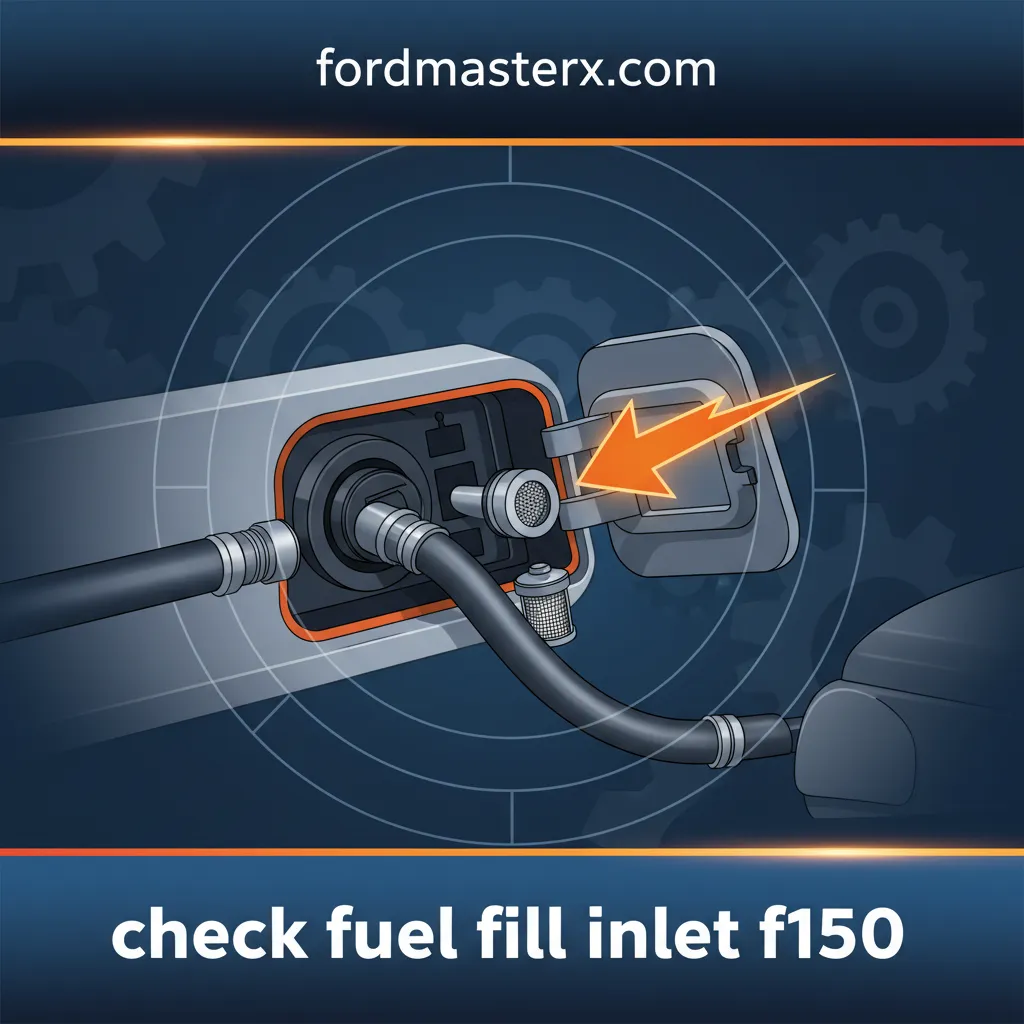
Check Fuel Fill Inlet F150: Complete Guide

Few things are as frustrating as seeing a cryptic warning light illuminate your Ford F-150’s dashboard when you’re hauling a load or commuting to work. The “Check Fuel Fill Inlet” message is a common occurrence for owners of late-model F-Series trucks, yet it often leads to unnecessary panic and expensive, redundant repairs. As an industry professional who has diagnosed thousands of Ford EVAP systems, I can tell you that this message is rarely a catastrophic failure. Instead, it is a specific call to action regarding your truck’s capless fueling system. In this comprehensive guide, we will break down exactly what this message means, the mechanics of the trusted Easy Fuel system, and how you can resolve the issue using professional techniques from your own garage.
Overview: Understanding the Capless System
📤 Share Image
Ford introduced the “Easy Fuel” capless refueling system to eliminate the hassle of traditional screw-on caps and to reduce evaporative emissions. While this design is innovative, it relies on a series of spring-loaded mechanical seals to maintain an airtight environment within the fuel tank. When these seals fail to close completely—often due to dust, grit, or mechanical fatigue—the Powertrain Control Module (PCM) detects a “Gross Leak” during its routine comprehensive EVAP system monitor test.
When this message appears, your truck is essentially telling you that the fuel system is no longer pressurized. This isn’t just an environmental concern; it can lead to decreased fuel economy and, in some cases, hesitation during acceleration. Understanding the nuances of this expert engineering is the first step toward a permanent resolution. Unlike a standard Check Engine Light, which can represent hundreds of different issues, the “Check Fuel Fill Inlet” warning is remarkably specific to the neck of your fuel tank.
By The Numbers
Resolved by Cleaning
Primary DTC Code
System Launch Year
Key Benefits of Timely Maintenance
Ignoring this warning is a common pitfall. While the truck will likely continue to drive, the long-term implications for the quality of your vehicle’s performance are significant. Addressing the inlet issue immediately offers several advantages:
Restored Fuel Economy
An open fuel system allows fuel vapors to escape, which directly impacts your MPG. Resealing the inlet ensures you aren’t literally “venting” money into the atmosphere.
Emissions Compliance
In many states, an active EVAP code will cause an automatic failure during an annual inspection. Resolving this early prevents last-minute stress during registration renewal.
Component Longevity
Preventing dirt and moisture from entering the tank protects your professional-grade fuel pump and injectors from premature wear and clogs.

How It Works: The Mechanics of the Inlet
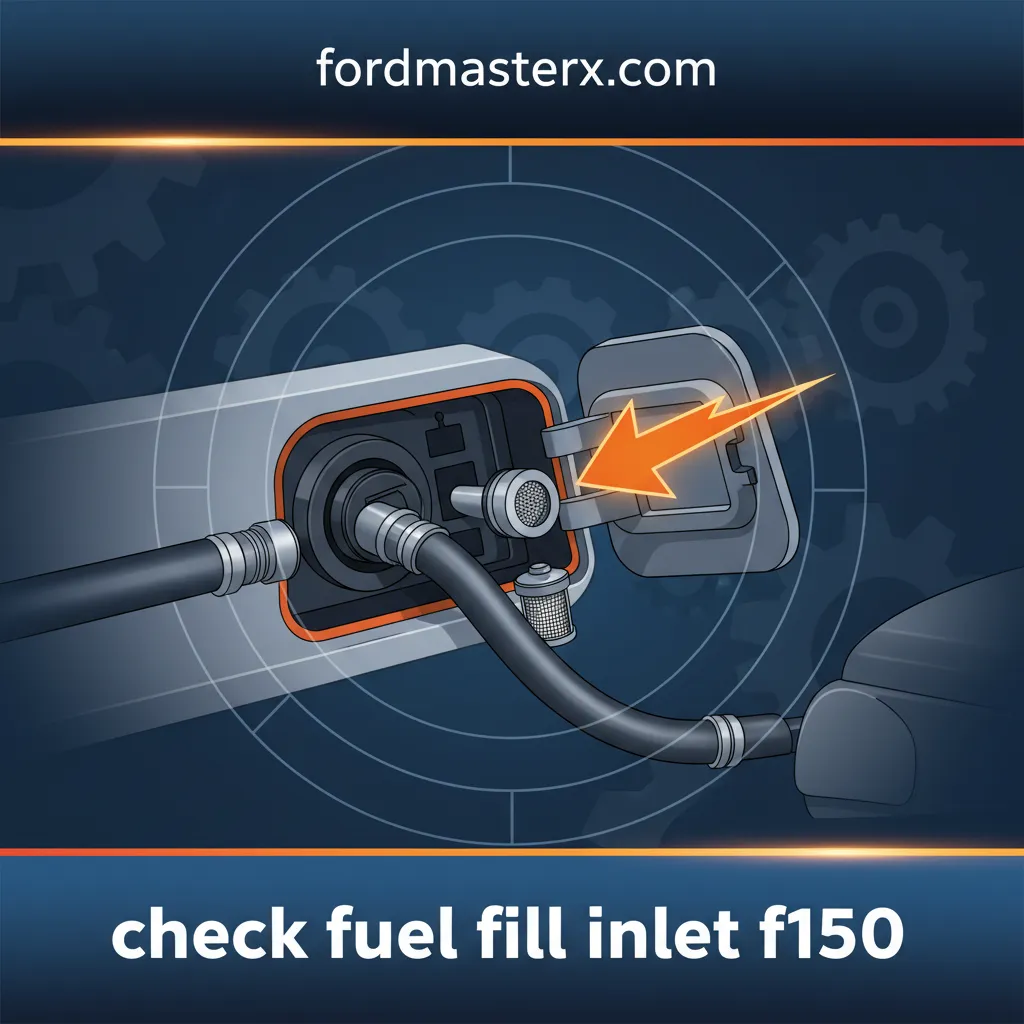
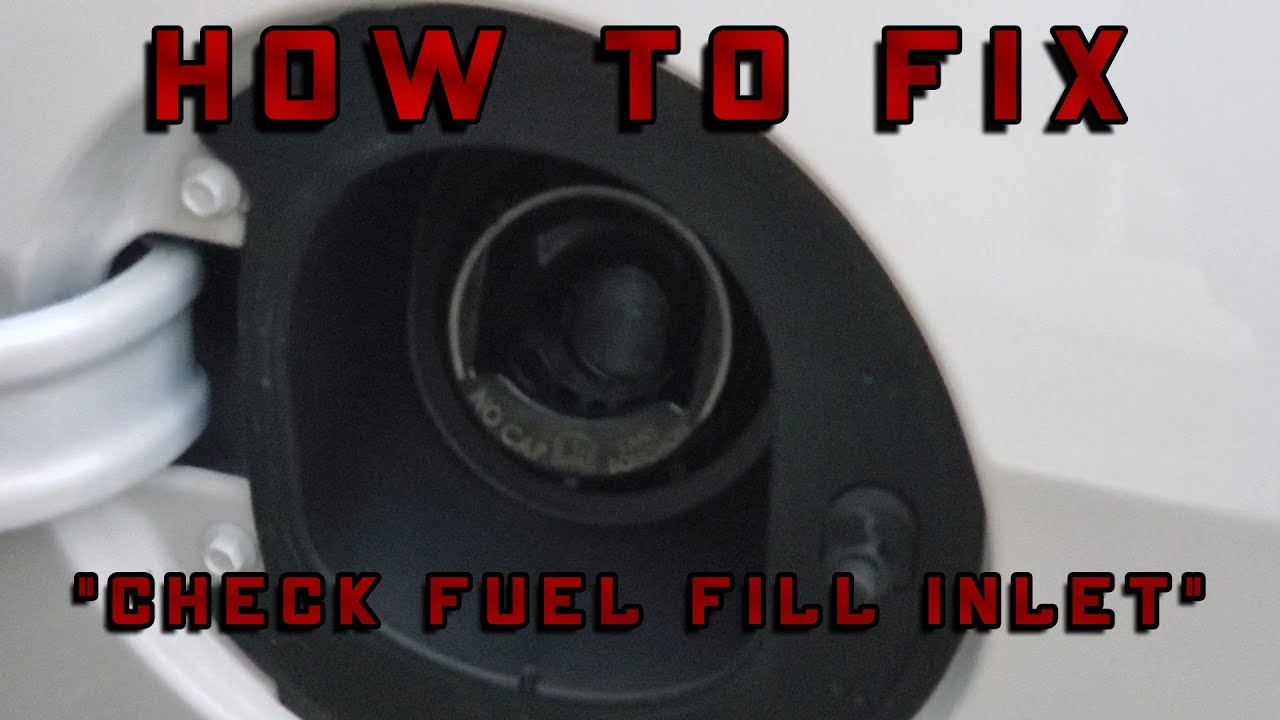
The Ford F-150 capless system utilizes two distinct flapper doors. The outer door is visible when you open the fuel door; however, the critical seal is the secondary inner door. This inner seal is spring-loaded and designed to only open when a nozzle of a specific diameter (gasoline vs. diesel) is inserted. This prevents misfueling and provides the trusted airtight seal required for the EVAP system to function.
Behind the scenes, the PCM runs a diagnostic test called the “EVAP Monitor.” It uses engine vacuum to pull a slight negative pressure on the entire fuel system. If the pressure sensor detects that the vacuum is decaying too quickly, it flags a leak. Because the inlet is a frequent culprit, Ford’s engineers programmed a specific logic loop: if the leak is substantial and occurred shortly after a refueling event, the “Check Fuel Fill Inlet” message is triggered instead of a generic “Check Engine” light.
Every F-150 comes with a small plastic funnel located under the passenger seat or near the jack. This funnel is the only tool designed to properly bypass both flapper doors without damaging the sensitive seals. Never use a standard long-neck shop funnel.
Getting Started: Diagnostic Steps
Before you start buying parts, you must perform a complete diagnostic check. Start by inspecting the visual condition of the inlet. Use a flashlight to look for grit around the white plastic ring and the metal flapper. Even a single grain of sand can prevent a 100% seal.
📋
Step-by-Step Restoration Guide
Use a can of compressed air to blow out all dust and debris from around the fuel fill opening. Do this before inserting anything into the neck to avoid pushing more dirt into the tank.
Insert the OEM white plastic funnel into the inlet. Rapidly insert and remove it 20-30 times. This action exercises the spring and helps the rubber gasket seat properly against the metal flapper.
If visible residue remains, spray a very small amount of WD-40 or carb cleaner onto the funnel and repeat the insertion process. The lubricant helps displace stubborn grime that air cannot reach.
The message will not disappear immediately. You must either drive the truck for several miles (allowing the EVAP monitor to run) or use an OBD-II scanner to clear the P0457 code manually.
Advanced Troubleshooting: Beyond the Inlet
If the cleaning process fails to clear the message after several drive cycles, you may be facing a mechanical failure within the filler neck assembly itself. Over time, the internal spring can lose its tension, or the plastic housing can develop a hairline crack. In professional field experience, we also see the Purge Valve (located on top of the engine) mimic these symptoms. If you experience difficulty starting your truck specifically after filling up with gas, the Purge Valve is the expert-recommended component to check next.
Stop fueling after the first “click” of the pump nozzle. Forcing extra gas into the tank (“topping off”) can push liquid fuel into the charcoal canister and the inlet seals, which is a leading cause of the “Check Fuel Fill Inlet” warning and permanent EVAP system damage.
✅ Pros of Capless Design
- Prevents fuel cap loss
- Reduces fuel smell on hands
- Faster refueling experience
- Modern aesthetic appeal
❌ Cons of Capless Design
- Sensitive to dust/debris
- Mechanical complexity
- Higher repair cost if neck fails
- Requires specific funnel tool
Choosing the Right Solution: OEM vs. Aftermarket
If cleaning doesn’t work and a replacement is necessary, always opt for quality Motorcraft (OEM) parts. While aftermarket filler necks are available, the tolerances required for the EVAP system are exceptionally tight. Aftermarket units often fail to meet the specific vacuum requirements of the F-150’s PCM, resulting in the same warning returning just weeks after a repair. For a reliable, long-term fix, the OEM assembly is the only trusted choice.
Summary and Final Recommendations
Maintaining your F-150 doesn’t always require a trip to the dealership. By understanding that the “Check Fuel Fill Inlet” message is usually a simple case of a compromised seal, you can save significant time and money. Remember these three pillars: clean before you inspect, use the correct funnel, and never top off your tank. These professional habits will keep your EVAP system running smoothly for hundreds of thousands of miles.
- 1. Immediate Action: Use compressed air and the OEM funnel to clear debris from the inlet seals.
- 2. System Reset: Allow the truck 2-3 drive cycles to self-test the vacuum before assuming the fix failed.
- 3. Preventative Care: Keep the area around the fuel door clean, especially if you drive on dirt roads or in construction zones.
If you’ve performed the cleaning and the message persists, it is time to use an OBD-II scanner to check for specific codes like P0455 (Large Leak) or P0457 (Loose Fuel Cap). These comprehensive data points will guide your next steps, ensuring your Ford remains the reliable workhorse you expect it to be. Take control of your truck’s maintenance today and put that dashboard warning to rest for good.