Brake Cleaner As Starting Fluid: Complete Guide

Every seasoned technician has faced the frustration of a stubborn engine that refuses to fire on a cold morning or after a long period of dormancy. In these critical moments, the reach for a can of starting fluid is instinctive; however, when that can is empty, many professionals look toward the next pressurized solvent on the shelf: brake cleaner. While this “old school” trick is a staple in many rural shops and emergency roadside scenarios, using brake cleaner as a diagnostic or starting aid requires a comprehensive understanding of chemical compositions and the catastrophic risks involved with the wrong product.
The debate over using brake cleaner as starting fluid is not merely academic—it is a matter of engine longevity and operator safety. This expert guide breaks down the science of combustion solvents, identifies the reliable methods for emergency starting, and provides professional insights into why certain formulas can turn a simple engine diagnostic into a hazardous event. By the end of this complete analysis, you will have the trusted knowledge required to make the right call under the hood.
Overview: The Chemistry of Emergency Ignition
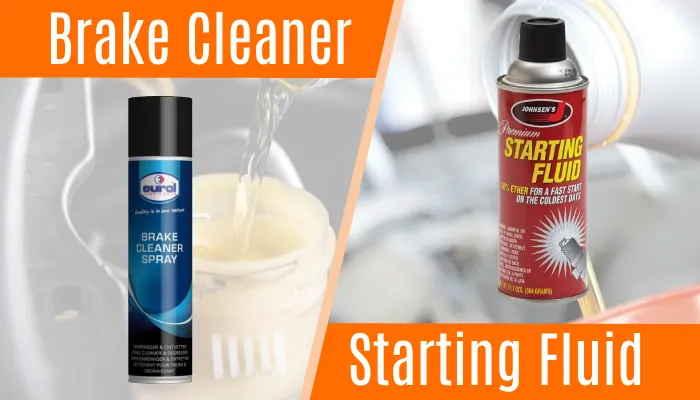
To understand why brake cleaner works—and why it is dangerous—we must examine what makes a fluid “startable.” A dedicated starting fluid is primarily composed of Diethyl Ether. Ether has an incredibly low auto-ignition temperature (around 320°F) and a high vapor pressure, meaning it evaporates and ignites with minimal heat or compression. This makes it quality-tested for engines that are struggling with low battery voltage, cold temperatures, or fuel delivery issues.
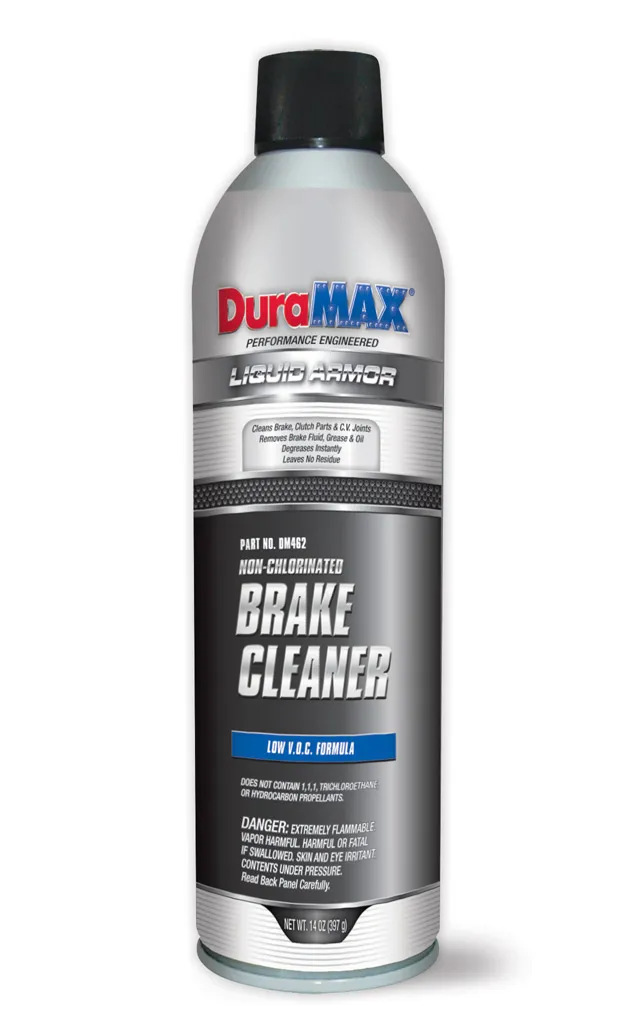
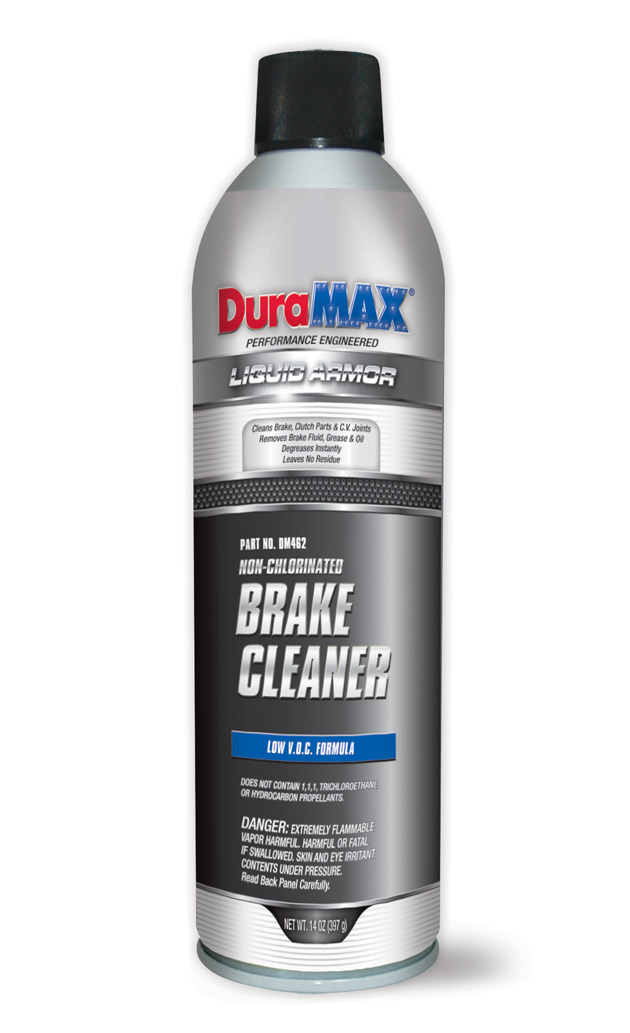
Brake cleaner, specifically the non-chlorinated variety, typically contains a mixture of Heptane, Acetone, and Methanol. Heptane is actually a component used in the rating of octane; it is highly flammable and possesses a high vapor pressure similar to ether. This shared chemical profile is what allows brake cleaner to act as a surrogate fuel source. However, because it is designed to strip oils and leave a residue-free surface on brake rotors, it provides zero lubrication for the piston rings and cylinder walls during those critical first revolutions.
High Volatility
Non-chlorinated formulas evaporate quickly, allowing the intake stroke to pull a combustible mist into the cylinders.
Diagnostic Utility
It helps an expert quickly determine if a “no-start” condition is related to fuel delivery or ignition spark.
Key Benefits of Using Brake Cleaner (When Done Correctly)
While I always recommend using a professional starting fluid containing lubricants, there are specific scenarios where brake cleaner offers a reliable advantage for a technician. In a shop environment, brake cleaner is often more readily available than starting fluid, and its cleaning properties can actually serve a secondary purpose during troubleshooting.
1. Immediate Availability and Cost-Effectiveness
Most shops buy non-chlorinated brake cleaner by the case. Because it is a multi-purpose solvent used for cleaning parts, degreasing surfaces, and prepping metal for welding (only non-chlorinated!), it is almost always within arm’s reach. For a quick “sniff test” to see if an engine will pop, it saves the time of hunting for a specialized can of ether.
2. Residue-Free Troubleshooting
Standard starting fluids often contain oils that can coat Mass Air Flow (MAF) sensors or leave a film inside the intake tract. Non-chlorinated brake cleaner is formulated to evaporate 100%, leaving no residue behind. This makes it a trusted choice for checking for vacuum leaks. By spraying it around intake gaskets and watching for a rise in RPM, you can identify leaks without making a greasy mess of the engine bay.
3. Lower “Kick-Back” Risk
Ether is extremely violent. If you over-spray starting fluid, you risk a “hydro-lock” scenario or a massive backfire that can shatter plastic intake manifolds. The comprehensive mix of chemicals in brake cleaner is slightly less volatile than pure ether, providing a somewhat “softer” start that is less likely to damage fragile modern intake components if used sparingly.
Never, under any circumstances, use chlorinated brake cleaner (often in red cans). When chlorinated compounds like Tetrachloroethylene are heated or burned, they undergo a chemical reaction that produces Phosgene Gas. Phosgene was used as a chemical weapon in WWI; even a small amount inhaled from an engine exhaust can cause permanent lung damage or death. Always verify the label says “Non-Chlorinated.”
How It Works: The Internal Combustion Perspective
To use these tools effectively, you must understand the mechanics of the starting guide process. An engine requires four things to run: Air, Fuel, Compression, and Spark. When an engine cranks but won’t start, a professional uses an external fuel source to bypass the vehicle’s fuel system entirely.
When you spray brake cleaner into the air intake, the following occurs:
- Atomization: The solvent leaves the nozzle as a pressurized mist, mixing with the air in the intake tube.
- Induction: As the engine cranks, the vacuum created by the descending pistons draws this flammable mixture into the combustion chamber.
- Compression Heating: The piston rises, compressing the mixture. While brake cleaner doesn’t ignite as easily as ether, the spark plug provides the necessary thermal energy.
- Combustion: The chemicals ignite, forcing the piston down and providing enough momentum to keep the engine rotating, potentially “priming” a mechanical fuel pump or clearing out “stale” gas.
Brake Cleaner Chemistry: By The Numbers
Approx. Auto-ignition (Non-Chlor)
Lubricity Rating
Evaporation Rate
Comparison: Brake Cleaner vs. Dedicated Starting Fluid
While both products can get an engine running, they are not equals. A comprehensive comparison reveals why starting fluid is still the professional gold standard for engine health.
Getting Started: The Professional Procedure
If you find yourself in a situation where you must use brake cleaner to start an engine, you must follow a trusted, systematic approach to minimize the risk of fire or mechanical damage. This is a two-person job for maximum safety.
📋
Step-by-Step Guide
Read the label carefully. Ensure it explicitly states “Non-Chlorinated.” If the label is missing or unreadable, discard the can. Do not risk your life for a shortcut.
Remove the air filter or disconnect the intake tube to get direct access to the throttle body. Never spray through an air filter, as it can trap the fluid and create a fire hazard.
Have an assistant crank the engine before you spray. This ensures the vacuum is pulling the fluid into the engine immediately, preventing it from pooling in the intake manifold.
Apply a single, one-second burst into the intake. Do not “soak” it. If the engine doesn’t fire after three attempts, stop. You have an ignition or compression problem, not a fuel problem.
Pros and Cons: A Realistic Assessment
✅ Pros
- Highly effective at cleaning carbon deposits while starting.
- Extremely fast evaporation reduces the risk of engine flooding.
- Excellent for diagnosing vacuum leaks post-start.
- Readily available in almost every workshop.
❌ Cons
- Lacks lubrication; can cause “scuffing” of cylinder walls.
- Chlorinated versions create deadly Phosgene gas.
- Can degrade certain plastic and rubber intake seals over time.
- Higher ignition temperature than ether.
A Note on Modern Diesel Engines
Using any starting aid—be it brake cleaner or ether—is extremely dangerous on modern diesel engines equipped with glow plugs. Because diesels rely on high compression for ignition, adding a volatile solvent can cause the fuel to ignite prematurely while the piston is still traveling upward. This often results in bent connecting rods or shattered pistons. If you must use it on an older diesel, ensure the glow plug system is disabled first.
If you are hesitant about the “dryness” of brake cleaner, many experts prefer using WD-40 or a similar light-oil spray. While it is less volatile and may require more cranking to start, it provides the essential lubrication that brake cleaner lacks. It is a much safer diagnostic tool for the engine’s internal surfaces.
Common Pitfalls and How to Avoid Them
After 15 years in the field, I have seen many well-meaning DIYers and junior techs make critical errors. The most common pitfall is the “More is Better” fallacy. Because brake cleaner is a less potent ignition source than ether, users tend to spray too much. This liquid can wash the oil film off the cylinder walls, leading to a loss of compression—the very thing you need to start the engine.
Another pitfall is using brake cleaner on engines with Mass Air Flow (MAF) sensors without taking precautions. While non-chlorinated cleaner is “sensor safe” compared to other solvents, the sudden blast of high-pressure fluid can physically damage the delicate “hot wire” inside the sensor. Always spray downstream of the MAF sensor whenever possible.
Conclusion: The Professional Verdict
The question isn’t whether brake cleaner can start an engine, but whether it should. In an emergency or diagnostic setting, non-chlorinated brake cleaner is a reliable and effective substitute for starting fluid, provided you understand the risks. It acts as a fast-evaporating fuel that can help you identify fuel delivery failures in seconds. However, the lack of lubricity and the extreme danger of chlorinated formulas mean it should never replace quality starting fluid as your primary tool.
- Key Point 1: Always verify that you are using non-chlorinated formulas to prevent the production of toxic phosgene gas.
- Key Point 2: Use sparingly (1-second bursts) and only while the engine is cranking to prevent pooling and backfires.
- Key Point 3: Recognize that brake cleaner is a “dry” solvent; frequent use will cause premature wear on piston rings and cylinder walls.
For your next diagnostic task, ensure your shop is stocked with professional-grade starting fluid to protect your equipment. If you must use brake cleaner, double-check that label and follow the safety protocols outlined in this complete guide. Stay safe, and keep those engines turning.