6.0 Powerstroke Fuel Filter Housing Diagram: Service Guide

The 6.0 powerstroke fuel filter housing diagram illustrates two main components: the primary filter inside the Horizontal Fuel Conditioning Module (HFCM) on the frame rail and the secondary filter atop the engine. Identifying these locations ensures proper fuel filtration, protecting the fuel injectors and maintaining high-pressure oil pump performance.
📌 Key Takeaways
- Visualizes both the engine-mounted and frame-mounted filter assemblies
- Identifies the secondary filter housing positioned near the oil filter
- Ensures caps are tightened to the correct torque spec to prevent leaks
- Helps perform routine maintenance every 15,000 miles to protect injectors
- Facilitates proper air purging from the fuel system after service
When managing a high-pressure diesel engine, having a clear and accurate 6.0 powerstroke fuel filter housing diagram is more than just a convenience; it is a necessity for preventing catastrophic injector failure. The 6.0-liter Powerstroke engine utilizes a sophisticated two-stage filtration system that is often misunderstood by beginners. By understanding the visual layout of these components, you can ensure your fuel remains free of contaminants and water, which are the primary enemies of the HEUI (Hydraulic Electronic Unit Injection) system. This guide will provide a detailed breakdown of the primary and secondary housing units, teach you how to interpret the flow paths, and offer practical maintenance steps to keep your truck running at peak performance.

Understanding the 6.0 Powerstroke Fuel Filter Housing Layout
The 6.0 Powerstroke fuel system is divided into two distinct locations: the Horizontal Fuel Conditioning Module (HFCM) located on the driver-side frame rail and the secondary fuel filter housing located on top of the engine. A comprehensive 6.0 powerstroke fuel filter housing diagram illustrates the path fuel takes from the tank, through the HFCM, and finally into the secondary housing before reaching the injectors.
In the HFCM (Primary Housing), the diagram highlights the water separator, the fuel pump, and the primary 10-micron filter. This unit is responsible for the initial “heavy lifting,” removing bulk water and larger debris. The secondary housing, situated near the oil filter housing on top of the engine, contains a 4-micron filter and a fuel pressure regulator. This secondary unit is strategically placed near the engine’s intake manifold and is adjacent to the path of coolant flow through the EGR cooler and oil cooler. When looking at the diagram, you will notice the secondary housing also includes a “standpipe,” which is a critical safety feature that prevents the engine from running if a filter is not present or if the wrong filter is installed.
[DIAGRAM_PLACEHOLDER: A detailed technical illustration showing the frame-mounted HFCM with its drain plug and 36mm cap, connected via fuel lines to the engine-mounted secondary fuel filter housing. The secondary housing should show the standpipe, the fuel pressure regulator return line, and its proximity to the oil filter cap.]
The diagram also differentiates between the supply lines (usually larger in diameter) and the return lines. A key element often missed in basic sketches is the fuel pressure test port, located on the face of the secondary housing. This port is vital for diagnostic purposes, allowing technicians to ensure the pump is providing the required 45-65 PSI. If the pressure drops below this range, the ECU may not immediately trigger a check engine light, but the lack of lubrication provided by the fuel will begin to score the internal plungers of the injectors.
Step-by-Step Guide to Interpreting and Servicing the Housing
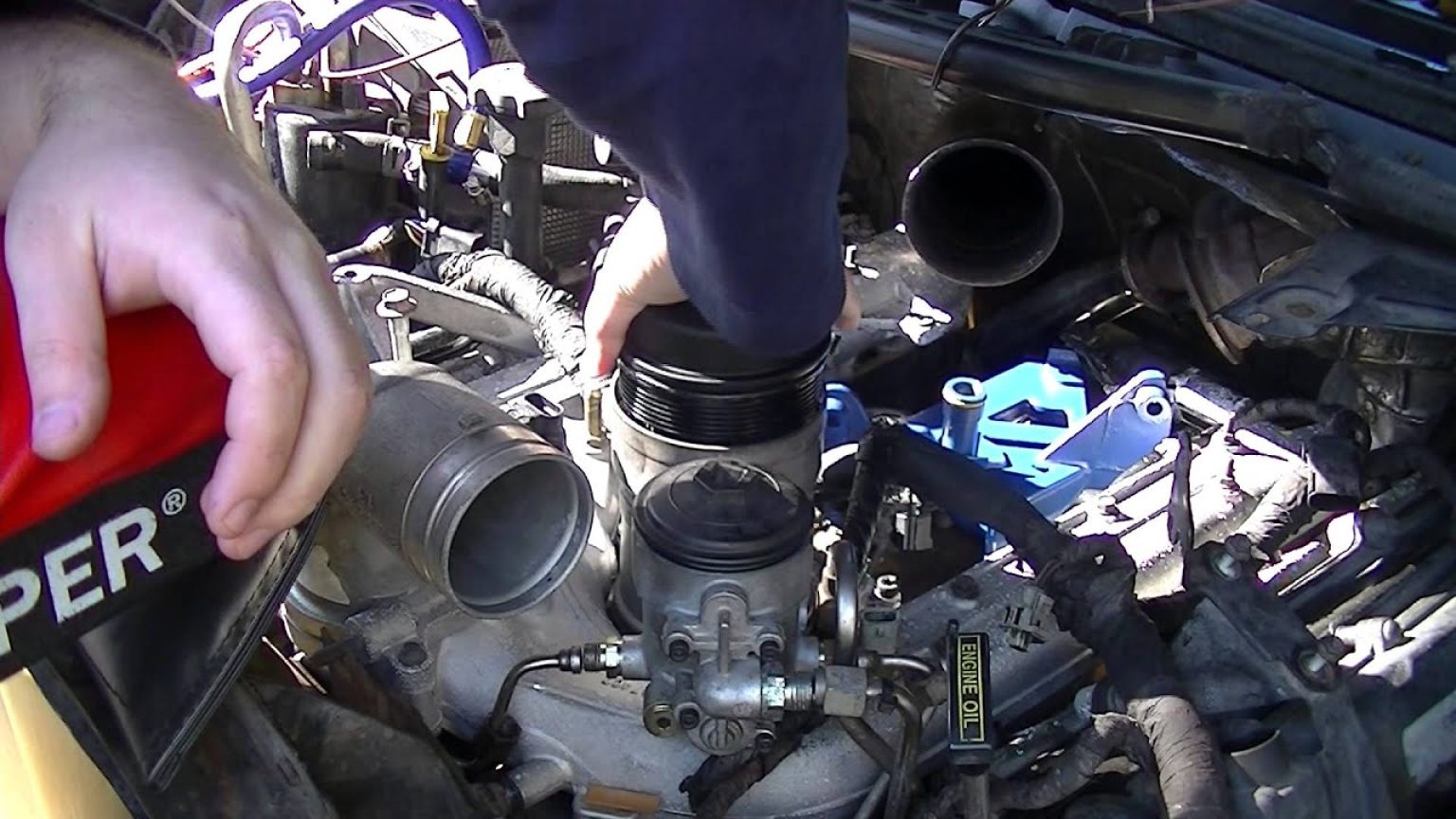
Reading a 6.0 powerstroke fuel filter housing diagram requires an understanding of how the fuel moves under pressure. To properly service or troubleshoot these components, follow these steps to ensure you are using the diagram effectively and safely.
- 1. Identify the Primary Drain: Locate the HFCM on the frame rail. Before opening the housing, you must use the diagram to find the brass or plastic drain plug. Draining the water-in-fuel (WIF) manifold prevents a mess when the main cap is removed.
- 2. Map the Secondary Housing Landmarks: Open the hood and find the secondary housing. It is located just to the left of the oil filter. Note its position relative to the accessory belt and the coolant expansion tank. Use the diagram to identify the 24mm or 36mm nut on top of the cap.
- 3. Depressurize the System: Before following the diagram to remove lines, ensure the system is not under pressure. While the 6.0 doesn’t hold residual pressure as long as common rail systems, it is best practice to let the vehicle sit for 15 minutes.
- 4. Remove the Caps: Using a 36mm socket, unscrew the primary filter cap on the frame rail and the secondary cap on the engine. The diagram shows that these caps are threaded; avoid using pliers or adjustable wrenches which can crack the plastic.
- 5. Inspect the Standpipe and Seals: In the secondary housing, ensure the central standpipe is vertical and undamaged. Replace the O-rings on both caps, lubricating them with clean diesel fuel as indicated in technical service bulletins.
- 6. Torque to Specification: Referencing the diagram’s notes, the torque spec for both fuel filter caps is typically 25 Nm (19 ft-lbs). Over-tightening can lead to cracked housings and air leaks.
- 7. Priming the System: The 6.0 Powerstroke is self-priming. Cycle the ignition to the “On” position (do not start) for 30 seconds. Repeat this 3 to 5 times. You will hear the HFCM pump humming as it pushes air back through the return lines to the tank.
Never attempt to start the engine immediately after a filter change without priming. Running the fuel injectors dry can cause permanent damage to the precision-machined internal components and lead to expensive repairs.
Common Issues and Diagnostic Troubleshooting

When the fuel system fails, the 6.0 powerstroke fuel filter housing diagram becomes your primary diagnostic map. One of the most common issues is a “crank, no start” condition. Often, this is caused by air being sucked into the fuel system through a cracked primary housing cap or a poorly seated O-ring. If the ECU detects insufficient pressure, it may log a diagnostic code related to fuel delivery, though these engines are notoriously light on fuel-specific sensors compared to modern common-rail diesels.
Using an OBD-II scanner is the first step when a check engine light appears. While the 6.0 does not have a factory fuel pressure sensor that communicates with the OBD-II system, you can monitor related parameters like “Injection Control Pressure” (ICP) and “Injector Pulse Width.” If these numbers are skewed, you must use the diagram to locate the manual test port on the fuel housing and attach a mechanical gauge.
Another frequent problem is a clogged “Blue Spring” regulator. The secondary housing contains a spring-loaded bypass valve that regulates pressure. If this spring weakens, fuel pressure drops, leading to poor atomization and carbon buildup. Troubleshooting this involves referencing the diagram to locate the regulator housing on the side of the secondary filter bowl and verifying the spring’s integrity.
Low fuel pressure is the leading cause of 6.0 Powerstroke injector failure. Because the fuel also acts as a coolant and lubricant for the injector, pressure should never drop below 45 PSI under full load.
Maintenance Best Practices and Pro Tips
To maximize the lifespan of your fuel system, maintenance should be proactive rather than reactive. While the 6.0 Powerstroke is a workhorse, its fuel requirements are stringent. Here are several best practices derived from professional diesel technicians:
- ✓ Use OEM Filters Only: Always use Motorcraft (OEM) filters. Patent designs on the secondary filter include a specific “aqua-bloc” membrane that aftermarket filters often lack. Using off-brand filters can lead to the standpipe not opening correctly, starving the engine of fuel.
- ✓ The Blue Spring Upgrade: If your 6.0 powerstroke fuel filter housing diagram shows the older, silver regulator spring, consider upgrading to the “Blue Spring” kit. This kit increases base fuel pressure by about 10-15 PSI, providing a safety margin for your injectors.
- ✓ Monitor Coolant and Oil: The secondary fuel housing is nestled near the oil cooler. If you notice fuel in your coolant flow or vice versa, the seals in this area may have failed.
- ✓ Drain the HFCM Monthly: Even if the “Water in Fuel” light isn’t on, use the diagram to locate the drain plug and let out a few ounces of fuel into a glass jar monthly. This allows you to inspect for debris, rust, or algae.
If you are struggling to remove the HFCM drain plug, many owners replace the stock brass plug with an updated version that has a large knurled knob. This allows for tool-free draining and prevents the common issue of stripping the 6mm Allen head on the original plug.
Finally, keep an eye on the surrounding engine components. While the fuel filter housing is your focus, the nearby accessory belt and the internal timing chain (though not a service item) contribute to the overall vibration and heat soak of the engine bay. Ensuring that the fuel lines are properly clipped into their factory locations—as shown on a factory 6.0 powerstroke fuel filter housing diagram—prevents vibrations from causing chafing and leaks over time.
By adhering to these guidelines and keeping a copy of the 6.0 powerstroke fuel filter housing diagram handy during every oil change, you can significantly reduce the risk of downtime. Proper filtration is the most cost-effective insurance policy you can buy for your 6.0 Powerstroke engine, ensuring that every drop of diesel reaching the injectors is clean, pressurized, and ready for combustion.
Frequently Asked Questions
Where is the fuel filter housing located?
The 6.0 Powerstroke features two fuel filters. The primary filter is located inside the HFCM on the driver-side frame rail. The secondary filter is located on top of the engine, next to the oil filter housing. Both must be changed simultaneously to protect the sensitive high-pressure fuel system.
What does the fuel filter housing diagram show?
The 6.0 powerstroke fuel filter housing diagram displays the routing of fuel lines, the position of the pressure regulator, and the layout of the upper and lower filter caps. It helps technicians visualize the flow path from the fuel tank to the high-pressure fuel injectors for better maintenance.
How many connections does the fuel filter housing have?
The secondary fuel filter housing has four main ports: fuel inlet, fuel outlet to the heads, return to the tank, and a test port for checking pressure. The HFCM on the frame has two main fuel line connections plus an electrical connector for the pump and water sensor.
What are the symptoms of a bad fuel filter housing?
A clogged filter or cracked housing causes low fuel pressure, resulting in a check engine light or a P0087 diagnostic code. You may experience stalling, rough idling, or a loss of power as the ECU limits performance to protect the injectors from expensive fuel starvation and cavitation damage.
Can I replace the fuel filters myself?
Yes, replacing these filters is a common DIY task. However, you must use a specific socket for the caps and be careful not to overtighten them. Always cycle the ignition key several times after installation to prime the system and clear air before attempting to start the engine.
What tools do I need for this task?
To service the filters, you need a 36mm socket for the upper cap and a 24mm or 6mm Allen for the HFCM drain plug. An OBD-II scanner is also useful to monitor fuel pressure and clear any stored diagnostic codes after you have finished the maintenance task.