2018 Ford F150 Lug Pattern: Complete Guide

Selecting the wrong wheels for your 2018 Ford F-150 isn’t just an expensive logistical headache; it is a fundamental safety hazard that can compromise the structural integrity of your drivetrain. As the most popular pickup in North America, the F-150 demands precision when it comes to wheel fitment to maintain its legendary towing and payload capacities. Whether you are looking to replace a damaged rim with an OEM equivalent or upgrading to a set of aggressive aftermarket wheels, understanding the exact 2018 Ford F150 lug pattern is the first step toward a successful installation. In this comprehensive guide, you will learn the precise technical specifications, the critical nuances of thread pitch changes, and the professional best practices for ensuring your wheels stay securely fastened under the heaviest loads.
Overview of the 2018 Ford F150 Lug Pattern
📤 Share Image
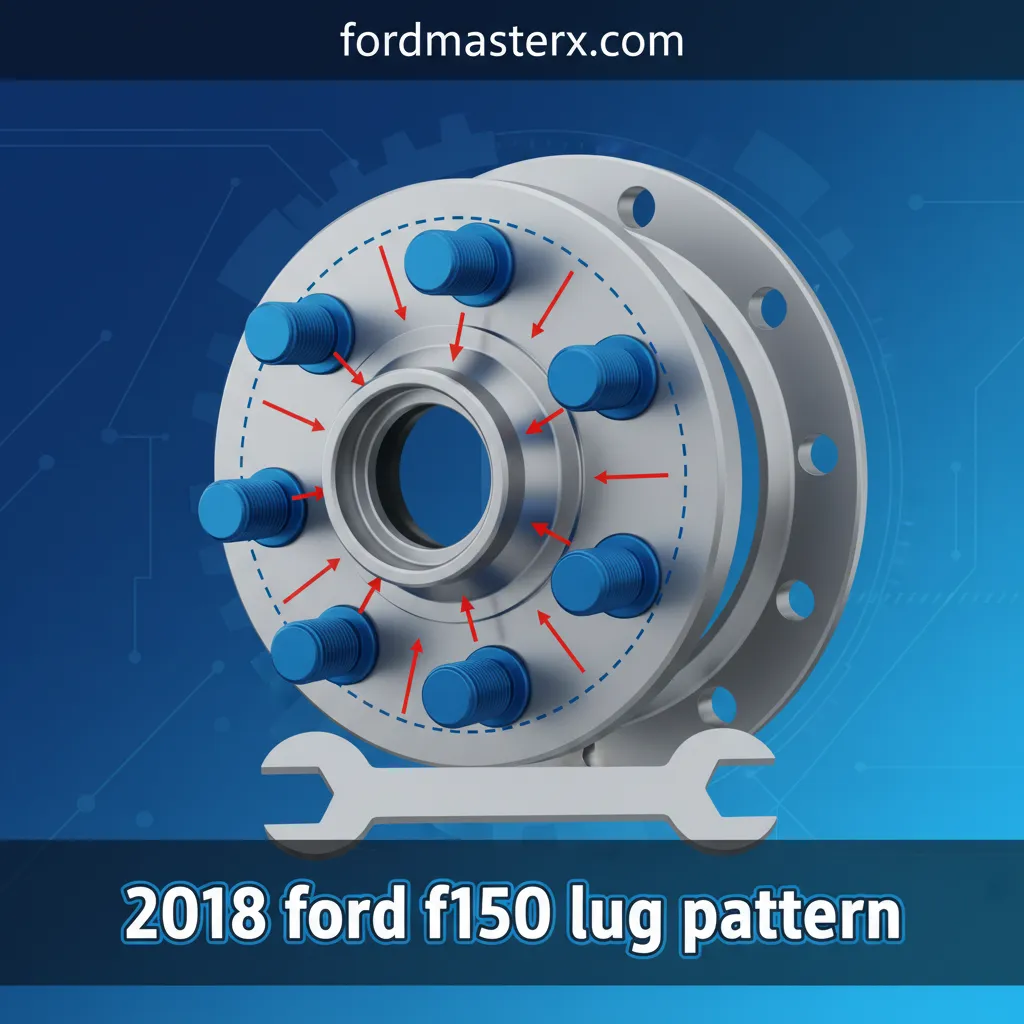
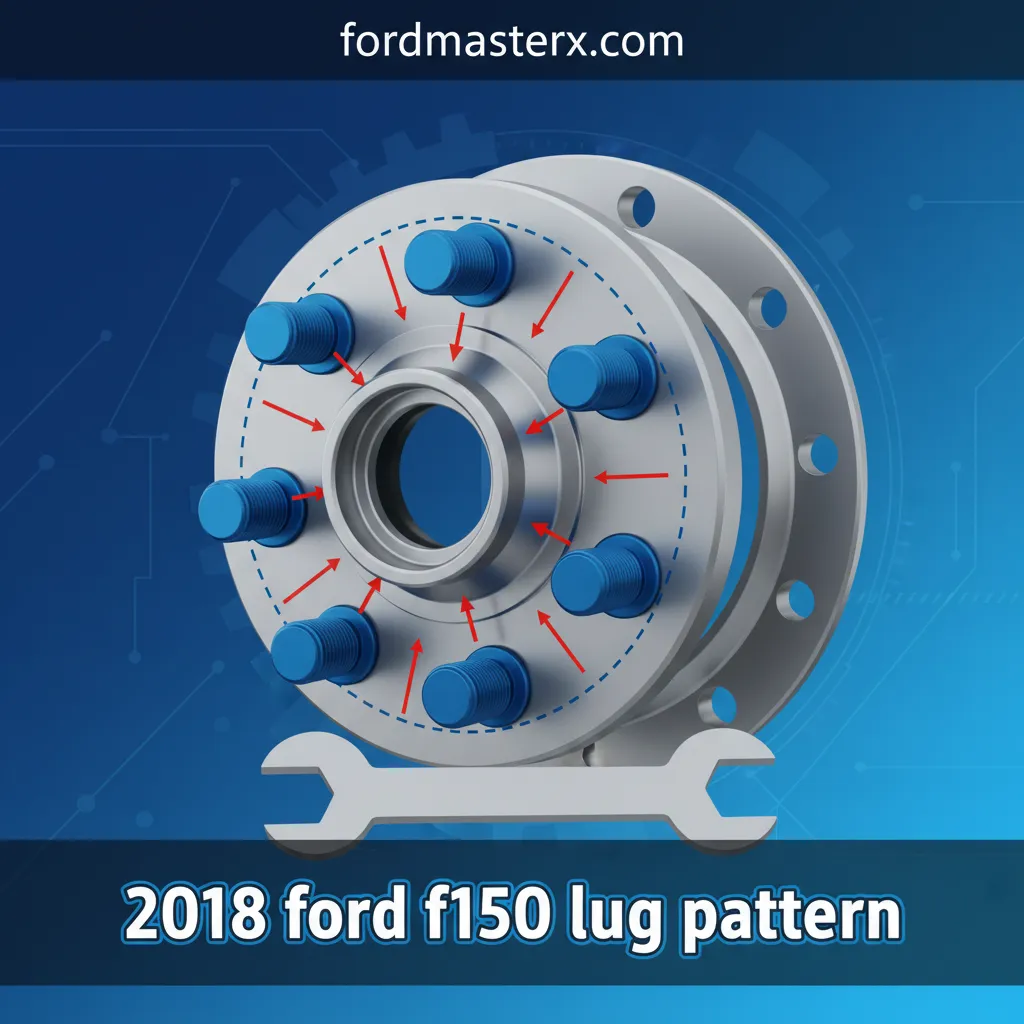
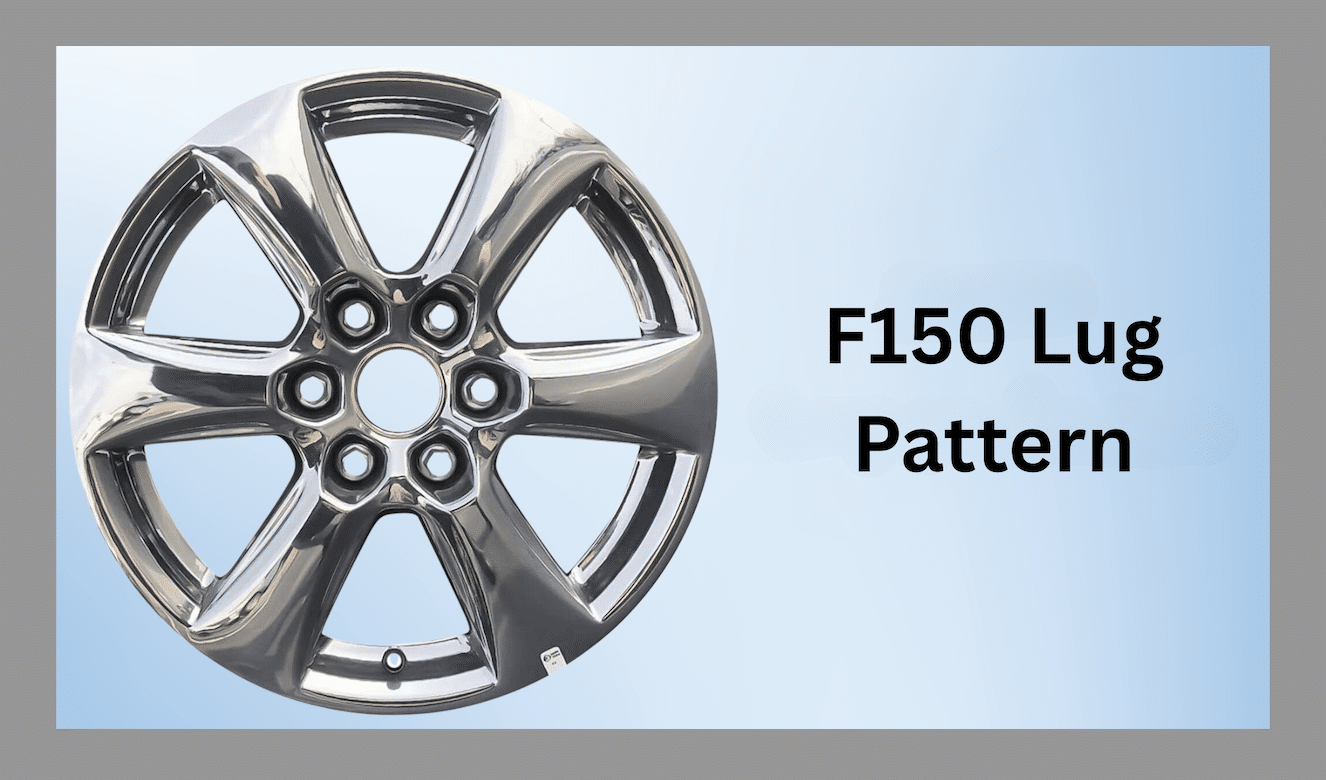
The 2018 Ford F-150 falls within the thirteenth generation of the F-Series (2015–2020). During this era, Ford solidified the 6-lug configuration across its light-duty fleet, moving away from the 5-lug patterns seen in the early 2000s. The 6x135mm pattern is a metric measurement that translates to approximately 6×5.31 inches in the imperial system. This specific layout was engineered to distribute the clamping force more evenly across the hub, which is essential for the 2018 model’s high-strength, military-grade aluminum-alloy body and its associated high-torque engines like the 3.5L EcoBoost.
One of the most trusted insights from industry veterans is the distinction between the bolt pattern and the thread pitch. While the 6x135mm pattern has remained consistent for the F-150 since 2004, the 2018 model specifically uses a “fine” thread pitch of M14 x 1.5. This was a significant shift from the 2004-2014 models, which utilized a coarser M14 x 2.0 thread. Attempting to use older lug nuts on a 2018 hub will result in cross-threading, effectively ruining your wheel studs and requiring a professional shop repair.
By The Numbers
Lug Pattern (mm)
Thread Pitch
Torque (lb-ft)
Center Bore (mm)
Key Benefits of Adhering to Correct Specifications
Following the expert-recommended specifications for your 2018 F-150 wheels isn’t just about making sure the holes line up. It is about maintaining the engineering balance of the vehicle. When you use the correct lug pattern and center bore, you ensure that the wheel is hub-centric rather than lug-centric.
Vibration Elimination
A precise 87.1mm center bore fitment centers the wheel perfectly on the hub, eliminating high-speed steering wheel wobble and vibrations.
Bearing Longevity
Correct lug patterns and offsets prevent uneven loading on wheel bearings, drastically extending their service life and preventing premature failure.
Maximized Payload
Using wheels designed for the 6x135mm pattern ensures that the 150 lb-ft of torque applied to the lug nuts translates to the proper clamping force needed for heavy towing.
How It Works: The Technical Deep Dive
To truly understand your 2018 Ford F150 lug pattern, you must look beyond the number of bolts. In the world of professional automotive engineering, fitment is a three-dimensional puzzle involving the bolt circle, the hub bore, and the offset.
The Bolt Circle Diameter (BCD)
The 135mm measurement represents the diameter of an imaginary circle that passes through the center of all six lug studs. Measuring a 6-lug pattern is simpler than a 5-lug pattern; you simply measure from the center of one stud to the center of the stud directly opposite it. For the 2018 F-150, this measurement must be 135mm. Even a 2mm difference (like the 6×139.7mm found on Chevrolets) is enough to prevent fitment or, worse, cause catastrophic failure if forced on.
Hub-Centric vs. Lug-Centric Design
The 2018 F-150 is a hub-centric vehicle. This means the center hole of the wheel (the center bore) is designed to fit snugly over the hub’s center flange. This flange, not the lug studs, supports the weight of the truck. The lug nuts’ primary job is to provide clamping force to keep the wheel pressed against the hub. Many aftermarket wheels have a larger center bore (e.g., 106mm or 110mm) to fit multiple vehicle types. If you use these, you must use hub-centric rings to bridge the gap to the 87.1mm hub. Failing to do so places all the vehicle’s weight and shear force on the lug studs—a recipe for snapped studs.
While the lug pattern is fixed, the offset (ET) on stock 2018 F-150 wheels is typically +44mm. If you go with a “negative” offset to get that wide, aggressive stance, you increase the scrub radius, which can accelerate wear on your power steering components and ball joints. Stay within +18mm to +44mm for the best balance of aesthetics and mechanical longevity.
Evolution of the F-150 Pattern
Understanding the history of this pattern helps avoid purchasing the wrong “used” wheels from online marketplaces. Below is a complete comparison of the F-150’s evolution.
📋
Step-by-Step Guide to Wheel Installation
Use a wire brush to remove rust and debris from the hub face and the center bore flange. A clean surface ensures a flush fit and reliable torque readings.
Never use an impact wrench to start lug nuts. Because the 2018 model uses the M14x1.5 pitch, cross-threading happens easily. Thread them by hand at least 5-6 full turns.
Tighten in a star/cross pattern to ensure the wheel seats evenly. For 6 lugs, this looks like a “criss-cross” skipping one stud each time.
Lower the vehicle until the tires touch the ground. Use a torque wrench to reach 150 lb-ft. Re-torque after the first 50–100 miles of driving.
Getting Started: Choosing the Right Wheels
When shopping for new wheels, the lug pattern is just the price of entry. To get a professional-grade setup, you must evaluate the load rating of the wheel itself. A 2018 F-150 can have a GVWR (Gross Vehicle Weight Rating) of up to 7,850 lbs. If you buy a cheap aftermarket wheel with a 6x135mm pattern but a load rating of only 1,800 lbs per wheel, you are exceeding the wheel’s capacity during peak towing. Look for wheels rated for at least 2,100 to 2,500 lbs each for heavy-duty use.
✅ Pros of OEM Wheels
- Guaranteed 87.1mm hub-centric fitment.
- Rigorous fatigue testing for towing safety.
- Maintains factory-specified scrub radius.
- Higher resale value for the vehicle.
❌ Cons of Poor Fitment
- Excessive vibration and “death wobble.”
- Sheared lug studs due to lug-centric loading.
- Tire rubbing on control arms/fenders.
- Voided drivetrain warranties.
Most 2018 F-150 OEM wheels use a “Large Acorn” or “Bulge” seat. Aftermarket wheels often require a “Small Diameter” or “Spline” drive lug nut. Never use OEM lug nuts on aftermarket wheels (or vice versa) unless the seat profiles match perfectly. Incorrect seating creates a lack of clamping force, causing the wheel to loosen over time.
Common Pitfalls and How to Avoid Them
In my 15+ years of experience, the most common mistake with the 2018 Ford F150 lug pattern is “Assumption of Similarity.” Because the 2014 and 2015 models look somewhat similar in certain trims, owners often assume parts are interchangeable.
1. The Thread Pitch Trap: As mentioned, the move to M14x1.5 in 2015 was a game-changer. If you are buying used wheels that include lug nuts, throw those nuts away and buy a new quality set specific to the 2018 model year.
2. Measuring Incorrectly: When measuring a 6-lug pattern yourself, do not measure between adjacent studs. Always measure from the center of stud 1 to the center of stud 4 (the one directly across). If you measure 5.3 inches, you have the 135mm pattern.
3. Ignoring the Center Bore: I cannot emphasize enough that the 87.1mm hub is the weight-bearing component. If your new wheels don’t sit tight on that hub, you are inviting disaster. Always use high-quality aluminum hub-centric rings if the wheel’s bore is larger than 87.1mm.
Final Recommendations
For those performing a DIY wheel swap, invest in a professional torque wrench. The “it feels tight enough” method is how wheels are lost on the highway. 150 lb-ft is a significant amount of force—roughly 50% more than a standard sedan—and it is required to keep those 6x135mm studs under the correct tension.
Summary and Next Steps
Mastering the 2018 Ford F150 lug pattern requires attention to four specific data points: a 6x135mm bolt circle, an M14x1.5 thread pitch, an 87.1mm center bore, and a 150 lb-ft torque specification. By strictly adhering to these expert-verified numbers, you ensure that your truck remains safe, reliable, and ready for any task. Always verify aftermarket wheel load ratings and use hub-centric rings where necessary. If you are ever in doubt, consult a trusted local tire professional to verify your measurements. Your next step should be to double-check your current lug nut torque—safety starts with a secure connection between your truck and the road.