1.5L Turbo 4-Cylinder Engine Engineering, Efficiency, And Performance Standards

In the contemporary automotive landscape, the 1.5l turbo 4-cylinder engine has emerged as the definitive standard for balancing spirited performance with exceptional fuel economy. Drivers often worry that ‘downsized’ engines lack the power of their larger predecessors or fail to meet long-term reliability expectations under the stress of forced induction. This expert analysis explores the sophisticated engineering, professional maintenance protocols, and trusted manufacturer implementations that make the 1.5L turbo a high-quality choice for modern vehicles. By integrating advanced thermodynamics with precision manufacturing, this engine displacement has effectively redefined what a complete guide to modern propulsion looks like.
The Mechanical Architecture of the 1.5L Turbo 4-Cylinder Engine
📤 Share Image
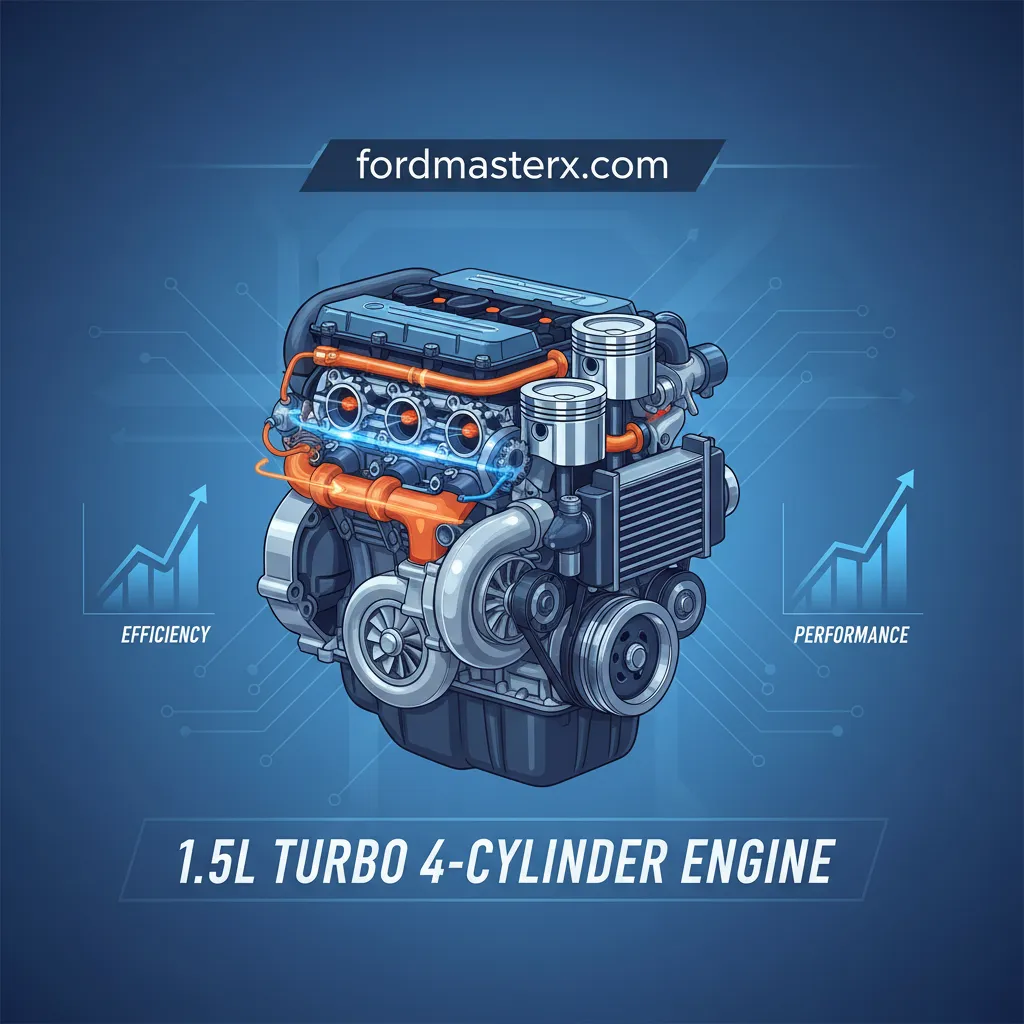
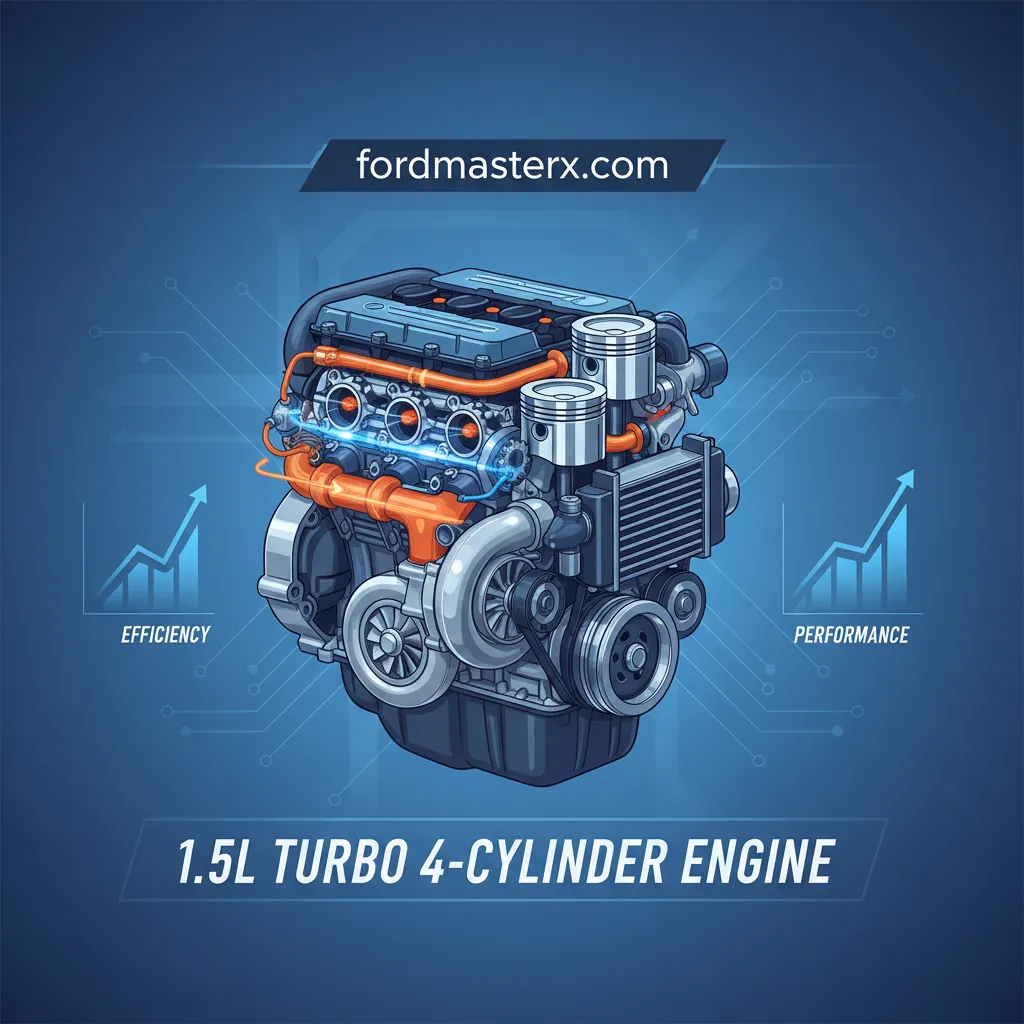
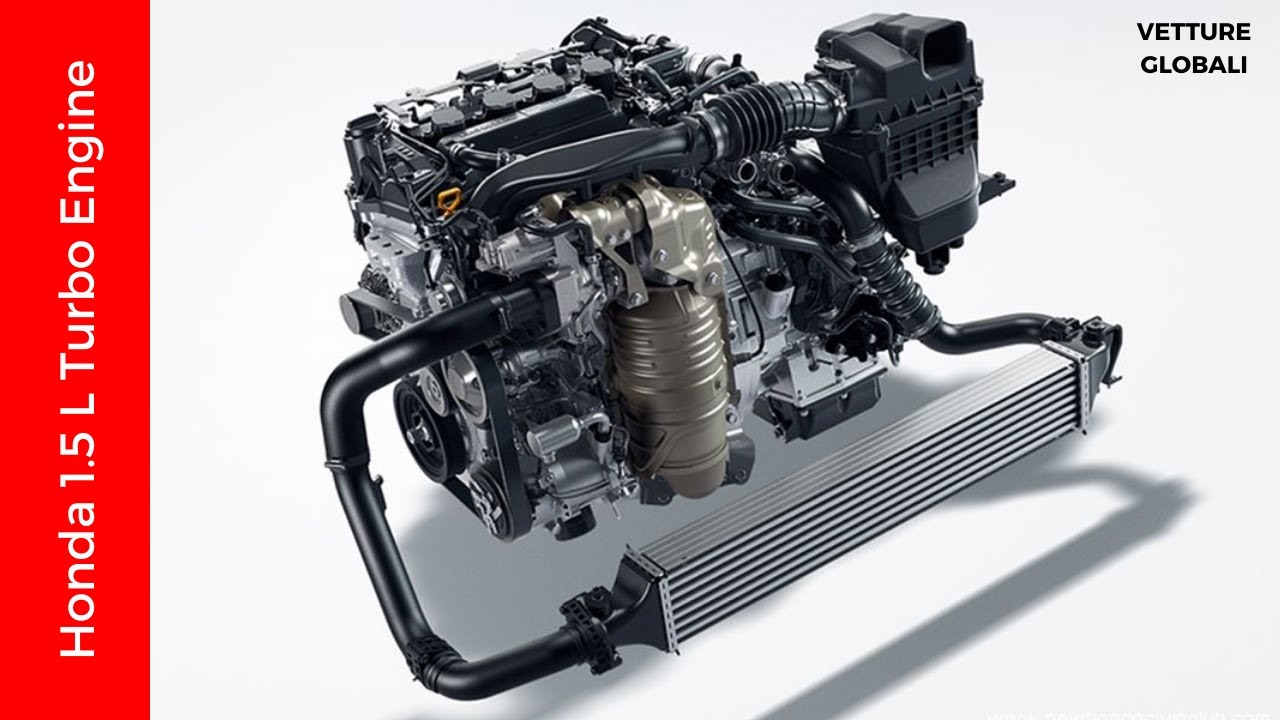
The engineering magic behind the 1.5L turbo lies in its high power density. Manufacturers have transitioned from “displacement is king” to “volumetric efficiency is king.” Forced induction systems—specifically small, low-inertia turbochargers—compensate for the modest 1,500cc displacement by forcing more oxygen into the combustion chamber. This allows a small engine to process as much air and fuel as a larger engine, but only when the power is requested. Modern 1.5L turbos typically operate at boost pressures between 12 and 18 PSI, achieving power-to-weight ratios previously reserved for 2.5L naturally aspirated engines.
Advanced Combustion and Material Science
Gasoline Direct Injection (GDI) is the linchpin of this architecture. By spraying fuel directly into the cylinder at pressures exceeding 2,000 PSI, the fuel atomizes instantly. This process provides a cooling effect on the piston crown and cylinder walls, which is critical for preventing “knock” in high-compression, turbocharged environments. Furthermore, Variable Valve Timing (VVT) and Lift (VVL) systems ensure the engine breathes optimally across the entire RPM range, balancing low-end torque for city driving with high-RPM horsepower for highway merging.
Sodium-Filled Valves
The Honda L15B7 engine utilizes sodium-filled exhaust valves. As the valve moves, the liquid sodium transfers heat from the valve head to the stem, where it can be dissipated through the cooling jacket, preventing pre-ignition.
Integrated Manifolds
Modern Ford EcoBoost 1.5L variants integrate the exhaust manifold into the cylinder head. This reduces weight and uses engine coolant to manage exhaust temperatures, extending the life of the turbocharger.
Material innovations have shifted toward high-strength aluminum alloy blocks with thin iron liners or plasma-transferred wire arc (PTWA) coatings. These technologies reduce the overall engine weight by up to 30 pounds compared to older cast-iron designs, improving the vehicle’s front-to-rear weight distribution and handling dynamics.

Efficiency Benchmarks and Fuel Economy Expectations
The primary driver for the 1.5L turbo’s dominance is its thermodynamic efficiency. By reducing the number of cylinders or the size of those cylinders, manufacturers decrease internal friction and pumping losses. When you compare the Brake Specific Fuel Consumption (BSFC) of a 1.5L turbo to a traditional 3.0L V6, the smaller engine is significantly more efficient at transforming chemical energy from gasoline into mechanical work.
Efficiency By The Numbers
MPG Improvement vs 2.4L NA
RPM Peak Torque Entry
CO2 Emission Reduction
Real-World Gains and Downspeeding
In practical terms, the 1.5L turbo enables a strategy known as downspeeding. Because these engines produce peak torque very early—often as low as 1,700 RPM—they can be paired with high-gear-ratio transmissions (like 8-speed autos or CVTs). This keeps the engine at a very low RPM during highway cruising, maximizing MPG without making the car feel sluggish when the driver accelerates. For example, the Honda CR-V with the 1.5T engine regularly achieves 30+ combined MPG, a figure that the older 2.4L naturally aspirated variants could only reach in pure highway conditions.
The Volkswagen 1.5 TSI Evo takes this further with its Miller combustion cycle, which uses early intake valve closing to improve expansion ratios. This results in a powertrain that meets the most stringent Euro 6 and CAFE standards while providing the “punch” consumers expect from a premium vehicle. The 1.5L configuration typically offers a 15-20% improvement in fuel economy over 2.0L+ naturally aspirated engines with comparable torque output.
Ensuring Reliable Performance and Long-Term Durability
As an industry expert, I often hear concerns regarding the longevity of these high-strung engines. While a 1.5L turbo works harder than a large V8, modern engineering has built-in safeguards to ensure it remains reliable and trusted for well over 150,000 miles. However, the margin for error in maintenance is narrower.
Low-Speed Pre-Ignition (LSPI) is a phenomenon where the air-fuel mixture ignites before the spark plug fires, potentially shattering pistons. This occurs primarily under high load at low RPMs. To prevent this, always use oil labeled with API SP or SN Plus ratings, which contain specific additives to suppress LSPI.
The Professional Maintenance Protocol
Thermal management is the second pillar of durability. Turbochargers rotate at speeds exceeding 200,000 RPM and generate immense heat. Modern systems use electric water pumps that continue to circulate coolant even after the engine is turned off, preventing “oil coking”—the process where stagnant oil bakes onto the turbo bearings. To maintain quality performance, I recommend the following protocol:
📋
Step-by-Step Maintenance Guide
Change synthetic oil every 5,000 to 7,500 miles. Do not follow “optimistic” 10,000-mile sensors if you drive in stop-and-go traffic.
Because GDI engines don’t spray fuel over the intake valves, carbon can build up. Use a professional intake cleaner every 30,000 miles to maintain airflow.
Turbocharged combustion creates higher cylinder pressures. Inspect and replace spark plugs every 40,000–50,000 miles to prevent ignition coil stress.
Leading Industry Applications and Manufacturer Variants
Not all 1.5L turbo engines are created equal. Different professional manufacturers tune their hardware for different objectives, from raw performance to whisper-quiet luxury. Understanding these nuances is key to selecting the right vehicle for your needs.
The Honda L-Series: The Gold Standard
The Honda 1.5L Turbo produces its peak torque at just 1,700 RPM. This makes a Civic feel much faster than its 190 HP rating suggests. Early versions faced “oil dilution” issues in cold climates (where unburnt fuel would enter the crankcase), but Honda’s Earth Dreams updates have largely addressed this through improved software and faster engine warm-up protocols.
Volkswagen Group’s 1.5 TSI Evo
This engine is a marvel of comprehensive technology. It is one of the few mass-market gasoline engines to use a Variable Geometry Turbocharger (VGT). By changing the angle of the vanes within the turbo, it can provide immediate boost at low speeds while staying efficient at high speeds. This eliminates “turbo lag” more effectively than almost any other design in this displacement class.
The Future of the 1.5L Turbo in Hybrid Systems
The 1.5L turbo is not just a bridge to the electric future; it is a foundational component of it. As the industry moves toward Plug-in Hybrid Electric Vehicles (PHEVs), the 1.5L turbo has become the trusted choice for the internal combustion side of the equation. In these systems, the engine often operates in an Atkinson or Miller cycle to maximize efficiency, while the electric motor provides the instantaneous torque needed for takeoff.
Hybridized 1.5L turbo systems, such as those found in Volvo’s T-series or the Mitsubishi Outlander PHEV architecture, can achieve combined system outputs exceeding 250 horsepower while maintaining over 40 MPG. The electric motor “fills in” the torque curve where the turbo is still spooling.
48-Volt Mild Hybrids and Synthetic Fuels
The next evolution involves 48-volt mild-hybrid technology. This allows for the use of electric superchargers, which can pre-pressurize the intake manifold before the exhaust-driven turbo even starts to spin. This effectively eliminates turbo lag entirely. Furthermore, the 1.5L turbo’s high compression and precise direct injection make it an ideal candidate for e-fuels (synthetic fuels). This ensures that these engines will remain viable even as emissions bans become more stringent across the globe.
✅ Pros
- Exceptional power-to-weight ratio
- High-torque delivery at low RPM
- Superior fuel economy in cruise
- Lighter front-end for better handling
❌ Cons
The 1.5L turbo platform offers superior torque and efficiency through advanced direct injection and forced induction. Reliable long-term operation is achievable through adherence to quality lubricants and proactive thermal management. Major manufacturers like Honda, VW, and GM have proven this displacement as a versatile and professional-grade powerplant. Whether as a standalone engine or the heart of a hybrid system, the 1.5L turbo 4-cylinder engine represents the pinnacle of modern internal combustion engineering. Consult your vehicle’s specific maintenance guide to ensure your 1.5L turbo remains a reliable asset for years to come.
Frequently Asked Questions
Is a 1.5l turbo 4-cylinder engine powerful enough for a mid-size SUV?
Yes, it is highly capable. Unlike older small engines, the 1.5L turbo generates significant low-end torque, often peak torque between 1,500 and 2,000 RPM. This allows vehicles like the Honda CR-V or Chevy Equinox to accelerate confidently and handle highway merging with ease, often outperforming older 2.4L or 2.5L naturally aspirated engines.
Does a 1.5l turbo engine require premium gasoline?
While many 1.5L turbo engines are engineered to run on regular 87 octane fuel, using premium gasoline can be beneficial. High-octane fuel provides better resistance to pre-detonation (knock) in high-pressure environments. Some manufacturers, such as Honda or Mazda, may specify increased horsepower ratings when using 91 or 93 octane, though it is rarely a requirement for engine safety.
How long do turbochargers last on a 1.5l engine?
A well-maintained turbocharger can last the lifetime of the engine, typically 150,000 to 200,000 miles. Reliability depends on using high-quality synthetic oil and ensuring the cooling system is functional. Avoiding immediate engine shutdown after hard driving—allowing the turbo to cool for 30 seconds—is a professional tip to extend its operational life.
What are the common reliability issues with 1.5l turbo engines?
The most common concerns are carbon buildup on intake valves due to direct injection and potential oil dilution in cold climates. Quality maintenance, such as using top-tier detergents in fuel and performing occasional carbon cleanings, mitigates these issues. Trusted manufacturers have also released software updates to optimize engine warm-up times to resolve oil-related concerns.
How does the 1.5l turbo compare to a 2.0l naturally aspirated engine?
The 1.5L turbo generally offers a superior driving experience. While displacement is smaller, the turbocharger provides a much broader torque curve, meaning the engine doesn’t have to ‘rev’ as high to find power. This results in quieter cruising, better towing capacity for small loads, and significantly improved fuel efficiency during city driving.