Recommended Engine Oil For Ford Fiesta Petrol: Complete Guide

Selecting the wrong engine oil for a Ford Fiesta petrol engine isn’t just a minor oversight—it is a direct threat to the longevity and efficiency of your powertrain. With the advent of Ford’s sophisticated EcoBoost technology and its “wet-belt” design, the margin for error has vanished. As a professional who has spent over 15 years in the automotive industry, I have seen firsthand how specific additive packages can either preserve an engine for 200,000 miles or cause a catastrophic failure within 50,000. This comprehensive guide provides the professional clarity you need to navigate manufacturer specifications and select a reliable, high-performance lubricant for your vehicle.
Overview: Why the Ford Fiesta is Oil-Sensitive
📤 Share Image
The Ford Fiesta has transitioned through various engine architectures over the decades, including the Zetec-S (Sigma), the Duratec, and the award-winning EcoBoost. Each generation brought tighter tolerances and more complex lubrication requirements. From an expert perspective, the most significant shift occurred with the introduction of the 1.0-litre 3-cylinder EcoBoost. This engine utilizes a “wet” timing belt, meaning the rubber belt is submerged in the engine oil to reduce friction and noise.
This design makes the choice of oil a critical mechanical decision. Inappropriate chemical additives in generic oils can react with the belt material, causing it to swell or fray. The resulting debris clogs the oil pickup strainer, leading to oil starvation and total engine seizure. Therefore, understanding Ford’s WSS (Worldwide Systems Specifications) is more important than simply looking at the viscosity (e.g., 5W-30) on the front of the bottle.

Key Benefits of Using Manufacturer-Recommended Oil
When you utilize a trusted, specification-compliant oil, you are not just maintaining your warranty; you are ensuring the mechanical integrity of several high-precision components. Professional technicians prioritize these oils because they are formulated to handle specific thermal and chemical stresses unique to Ford’s petrol engines.
Wet Belt Integrity
Specific additive packages prevent the chemical degradation of the timing belt, preventing catastrophic engine failure caused by belt debris.
LSPI Prevention
Advanced synthetics mitigate Low-Speed Pre-Ignition (LSPI), a common issue in turbocharged petrol engines that can crack pistons under high load.
Optimized Fuel Economy
Friction modifiers in WSS-compliant oils are engineered to work with Ford’s variable valve timing (Ti-VCT) to maximize MPG and reduce emissions.

How It Works: The Science of Specifications
Engine oil is no longer just a lubricant; it is a structural component of the engine. Ford’s specifications go far beyond the viscosity ratings set by the Society of Automotive Engineers (SAE). They include requirements for High-Temperature High-Shear (HTHS) viscosity, volatility, and detergent levels.
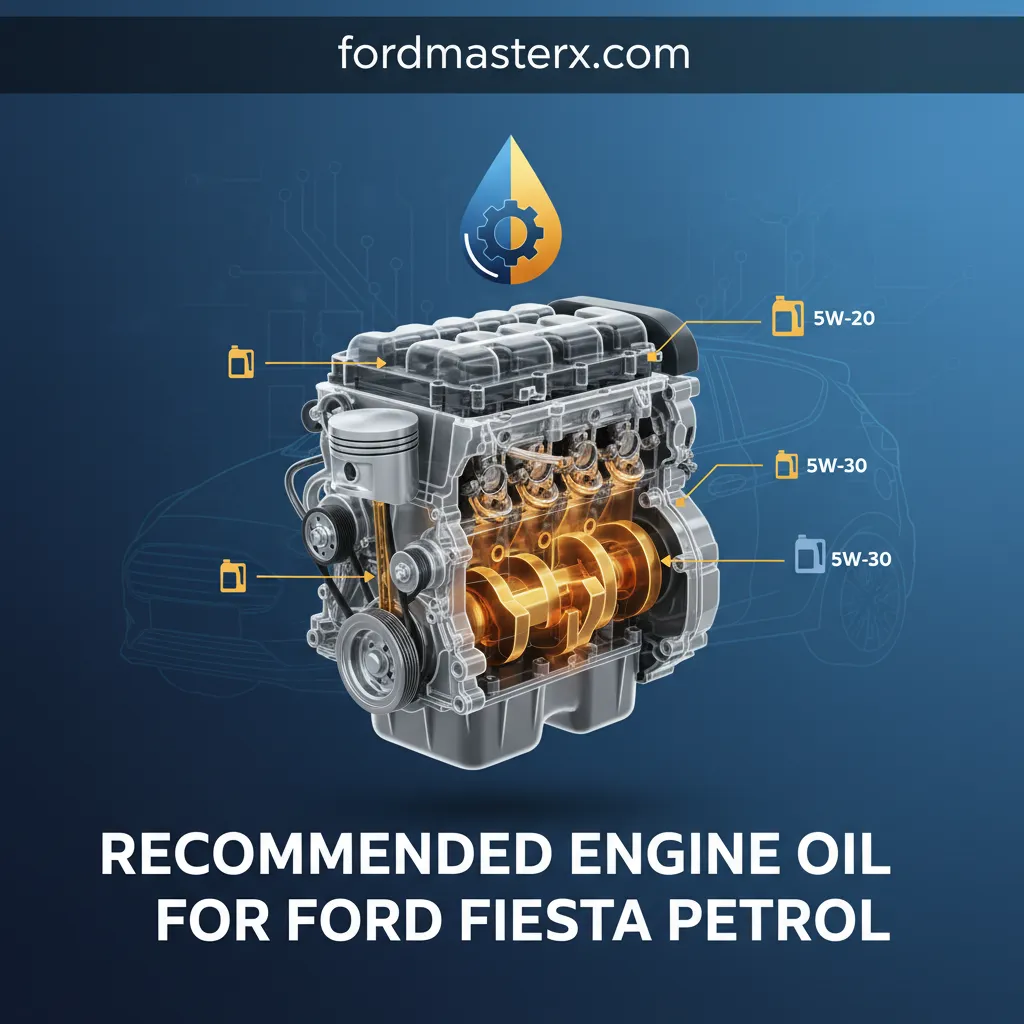
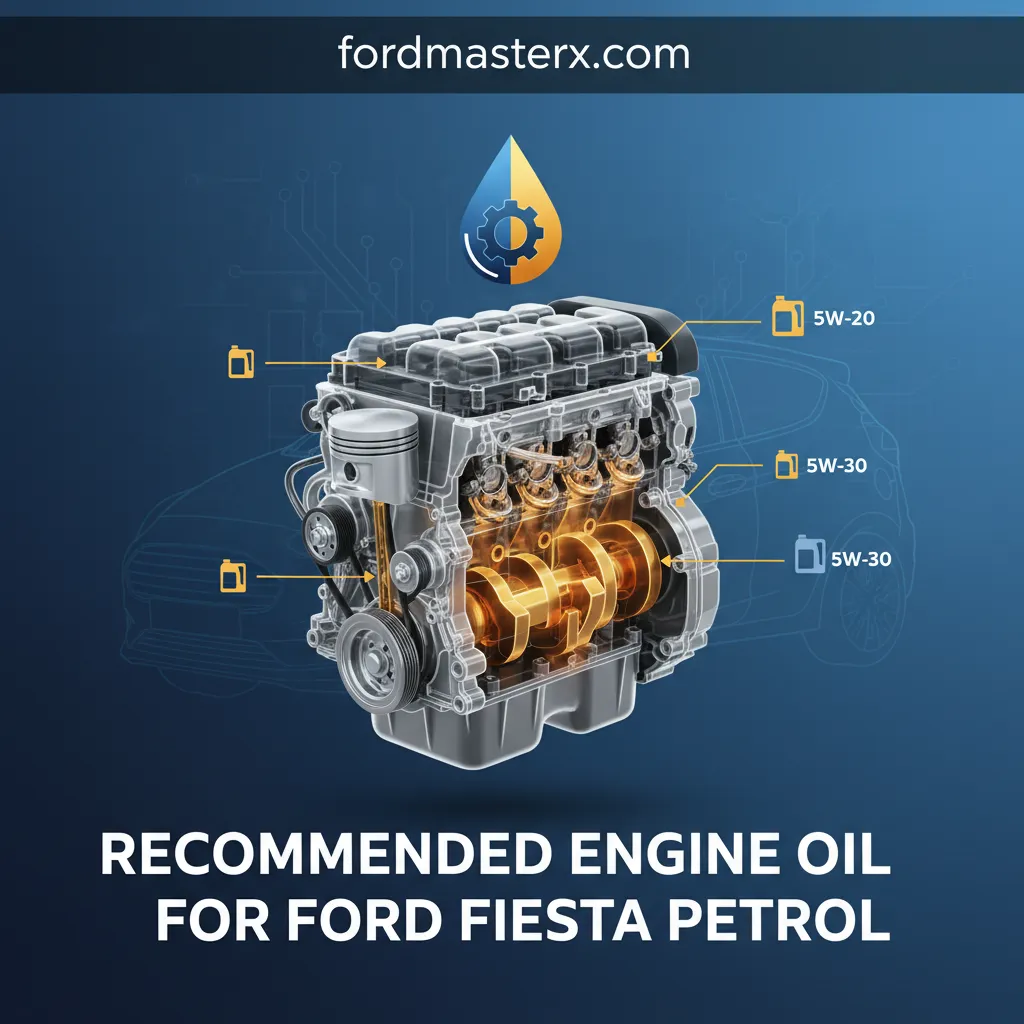
For instance, the WSS-M2C948-B specification for the EcoBoost is a 5W-20 oil with a very specific chemical signature. It is designed to be highly stable at extreme turbocharger temperatures while remaining thin enough to flow instantly upon cold starts, where 75% of engine wear occurs. Older Duratec engines typically use WSS-M2C913-D, which is a 5W-30 oil designed for maximum shear stability and sludge control in naturally aspirated environments.
By The Numbers
Max Miles Between Changes
Avg Fuel Saving (948-B)
Fully Synthetic Required
Getting Started: Selecting and Changing Your Oil
Following a complete guide to oil maintenance involves more than just buying the right bottle. You must ensure the entire lubrication system is serviced to professional standards. This includes the use of high-quality filters and adherence to proper torque specifications.
📋
Step-by-Step Selection & Service
Check your vehicle handbook or the engine cover. If you have a 1.0L Turbo, look specifically for WSS-M2C948-B. For standard N/A engines, confirm WSS-M2C913-D compatibility.
Opt for trusted brands like Castrol (Ford’s official partner), Mobil 1, or Shell. Ensure the Ford spec is explicitly printed on the back of the bottle.
Always use an OE-quality filter (e.g., Motorcraft FL-910S). A cheap filter can collapse or fail to regulate pressure, undermining even the best oil.
While older Fiestas (pre-2008) could occasionally tolerate semi-synthetic blends, modern Ford engines demand Full Synthetic oil. Semi-synthetics break down too quickly under turbo heat and fail to protect the wet-belt system.
Expert Recommendations: Which Oil Should You Buy?
Based on extensive workshop data and manufacturer testing, three specific products consistently outperform the competition for the Ford Fiesta petrol range:
- Castrol Magnatec Stop-Start 5W-20 (Ford Specific): This is the co-engineered oil for EcoBoost engines. It contains intelligent molecules that cling to engine parts, providing a layer of protection during the critical warm-up phase.
- Shell Helix Ultra Professional AF 5W-30: An exceptional choice for Duratec engines. It uses Shell’s PurePlus technology (gas-to-liquid) to create a base oil that is virtually free of impurities.
- Mobil 1 3000 Formula F 5W-30: A reliable, high-performance lubricant that meets the 913-D spec perfectly, offering great value and widespread availability.
✅ Pros of Spec Oil
- Preserves 10-year/150k mile belt life
- Maintains manufacturer warranty
- Reduces carbon buildup on valves
- Improved cold-start performance
❌ Cons of Wrong Oil
- Rapid timing belt disintegration
- Turbocharger bearing failure
- Increased fuel consumption
- Potential piston ring sticking
Maintenance Best Practices
Even with the quality of modern synthetics, I strongly recommend a “preventative” maintenance schedule rather than following the extreme ends of the manufacturer’s intervals. Ford often quotes 12,500 miles or 12 months. However, for vehicles used primarily in urban environments (short trips, frequent stop-start), changing your oil every 7,500 to 8,000 miles is a professional best practice that pays dividends in long-term reliability.
EcoBoost engines, especially when older, can consume a small amount of oil between services. If the oil level drops below the minimum mark, the timing belt can be exposed to “dry” conditions, accelerating wear. Always keep the level at the 3/4 mark on the dipstick.
Conclusion: Securing Your Engine’s Future
Maintaining a Ford Fiesta petrol engine requires a commitment to quality and adherence to strict engineering standards. By choosing a 5W-20 (WSS-M2C948-B) or 5W-30 (WSS-M2C913-D) full synthetic oil, you are protecting the complex wet-belt system and high-heat turbochargers that define modern Ford performance. Remember that oil is the lifeblood of your vehicle; skimping on specifications today inevitably leads to expensive repairs tomorrow. Ensure you use trusted brands, replace your filter during every service, and monitor levels frequently. For your next service, insist on the exact Ford specification to keep your Fiesta running with expert-level precision and efficiency.
Summary Points
- Specification is King: Always match the WSS-M2C number, not just the viscosity.
- Wet-Belt Protection: 1.0L EcoBoost engines require 948-B oil to prevent timing belt failure.
- Interval Discipline: Change oil every 7,500–10,000 miles for maximum engine life.
Ready to service your Fiesta? Check your owner’s manual today and order a WSS-compliant synthetic oil to ensure peak performance.