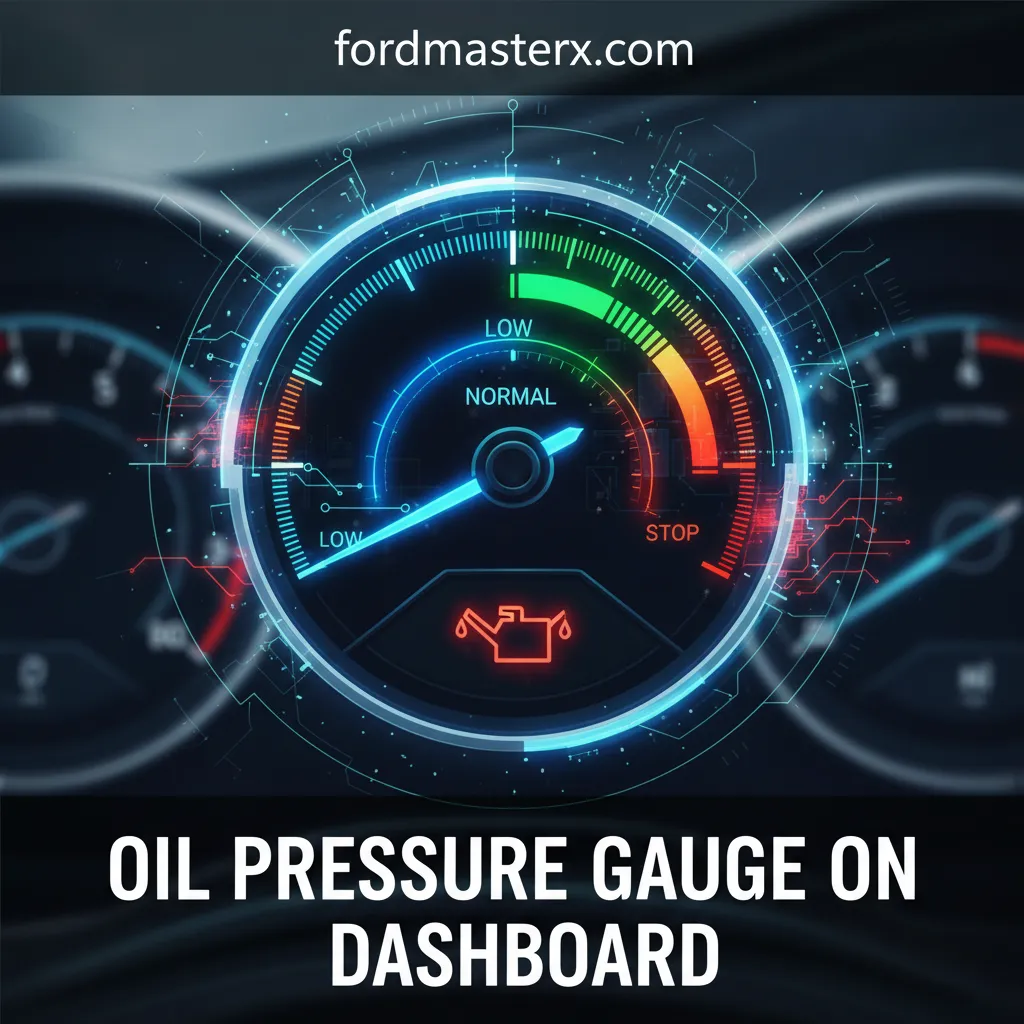
Oil Pressure Gauge On Dashboard: Interpreting Readings And Critical Engine Warning Signs

The oil pressure gauge on the dashboard serves as the primary heartbeat monitor for your vehicle’s engine, providing a real-time window into its internal health. While many drivers recognize the red oil can icon as a signal to stop, few understand the nuanced data provided by a dedicated gauge or how to distinguish a faulty sensor from a terminal mechanical failure. In this expert guide, you will learn to interpret PSI readings accurately, identify the critical causes of pressure fluctuations, and master the professional diagnostic steps required to protect your engine’s longevity and ensure reliable performance.
The Mechanics Behind the Oil Pressure Gauge on Dashboard Systems
📤 Share Image
To interpret readings with professional accuracy, one must first understand how the data reaches the dashboard. Historically, vehicles utilized mechanical oil pressure gauges. These systems featured a physical copper or plastic line that carried pressurized oil directly from the engine block to the back of the instrument cluster. While highly accurate, these carried the inherent risk of a high-pressure oil leak inside the passenger cabin. In contrast, modern quality systems use an electrical pressure sending unit (transducer) located on the engine block.
The oil pressure sending unit acts as a variable resistor or a 0-5 volt transducer. As hydraulic pressure increases, the internal diaphragm of the sensor moves, altering the resistance—typically between 10 and 180 ohms. This electrical signal is then transmitted to the Engine Control Unit (ECU) or directly to the dashboard display. In a 2023 digital CAN-bus system, the ECU processes this raw data, smoothing out minor fluctuations to provide a steady reading that won’t distract the driver. This is a far cry from the flickering needles of a 1970s analog mechanical gauge, which mirrored every slight vibration of the oil pump.
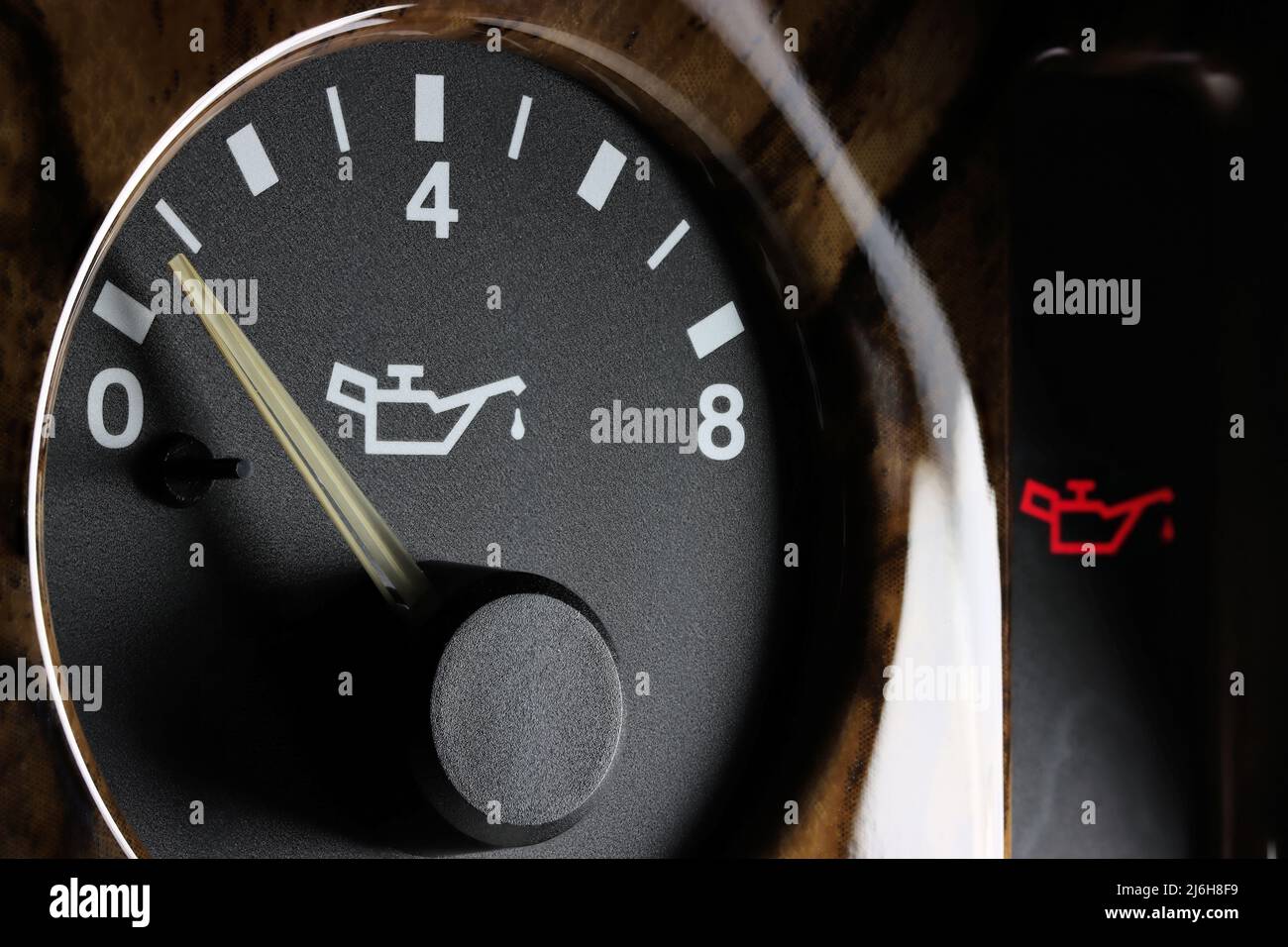
A critical pitfall for many owners is the “dummy gauge.” Many modern manufacturers design the oil pressure gauge on the dashboard to behave like a switch. If the pressure is above a minimum threshold (often as low as 5-7 PSI), the needle stays perfectly centered. It does not reflect actual fluctuations between 20 and 60 PSI. Only a comprehensive scan tool or an aftermarket professional gauge will reveal the true operating pressure in these instances.
Decoding Normal PSI Ranges for Professional Engine Monitoring
Establishing a baseline for your specific engine is the hallmark of expert maintenance. While every engine architecture—from an inline-4 to a high-displacement V8—has unique specifications, trusted industry standards provide a solid framework. A general rule of thumb used by professional mechanics is the “10 PSI per 1000 RPM” rule. This means if your engine is spinning at 3000 RPM, you should see at least 30 PSI to ensure the hydrodynamic film between bearings is maintained.
Typical Operating Ranges
Idle PSI (Warm)
Highway PSI
Cold Start Max
Temperature plays a massive role in these readings. Upon a cold start, the oil is viscous (thick), leading to higher pressure readings, sometimes peaking at 60-80 PSI as the pump works to push the lubricant through narrow passages. As the engine reaches operating temperature, the oil thins, and the pressure naturally drops. For example, a vehicle might show 25 PSI at a stoplight when fully warmed up, but climb to 50 PSI once the driver accelerates to highway speeds. This variance is normal and indicates a healthy lubrication system.
Always check your oil pressure after a long highway run when the oil is at its thinnest. This “hot idle” reading is the most accurate reflection of the engine’s internal bearing clearances.
Identifying Causes of Low Oil Pressure Gauge Readings
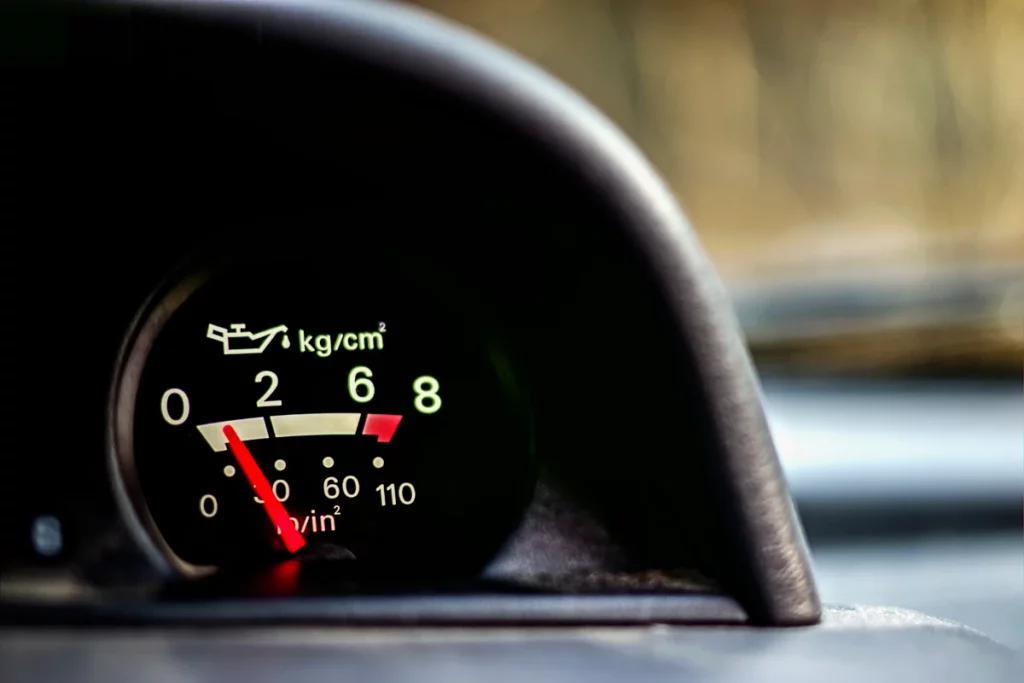
Low oil pressure is an emergency. It indicates that the lubricant is escaping from the system faster than the pump can supply it, or the pump itself is failing. One of the most common professional observations is “bearing bleed-off.” In high-mileage engines, the clearances between the crankshaft and the main bearings become excessive. The oil, seeking the path of least resistance, flows out the sides of the bearings instead of staying pressurized within the journals. A classic case study involves an engine showing 5 PSI at idle; this is often the death knell for main bearings, indicating they can no longer hold the necessary “pressure head.”
Operating an engine with less than 10 PSI at 2000 RPM typically results in catastrophic metal-on-metal contact within 60 seconds. If the oil pressure gauge on the dashboard drops into the red, shut down the engine immediately.
Common Culprits for Low Readings:
- Oil Volume Deficit: If the oil level is too low, the pump pickup tube may suck in air, especially during hard cornering or braking, causing the gauge to flicker.
- Viscosity Breakdown: Overextended oil change intervals lead to thermal thinning, where the oil loses its ability to resist flow, resulting in lower PSI when hot.
- Clogged Pickup Screen: Sludge and carbon buildup can migrate to the oil pan, partially blocking the screen and starving the pump.
- Aeration: Conversely, overfilling an engine can cause the crankshaft to “whip” the oil into a foam. Air is compressible; oil is not. Foamy oil will cause the gauge to plummet.
Troubleshooting High Oil Pressure and Gauge Fluctuations
While low pressure gets the most attention, excessively high pressure is equally dangerous. Most oil pumps include a pressure relief valve—a spring-loaded piston that opens to bleed off excess pressure back into the pan. If this valve sticks in the closed position, pressure can spike to 100+ PSI. This can lead to oil filter gasket blowouts, ruptured seals, and even damage to the oil pump drive gear.
Another common cause of high readings is the use of incorrect oil weight. If a modern engine designed for 0W-20 is filled with 20W-50 “racing oil,” the internal passages (galleries) will offer too much resistance, causing the gauge to peg at the maximum level. Furthermore, using a low-quality aftermarket oil filter with an incorrect bypass rating can restrict flow enough to create a high-pressure reading before the filter, while the rest of the engine remains starved.
Needle Bounce
Erratic needle movement often indicates electrical interference or a failing ground wire rather than a mechanical pump issue.
Stuck Relief Valve
A gauge that stays at 80+ PSI regardless of engine temperature is a classic sign of a seized relief valve.
Differentiating Between Sensor Failure and Mechanical Issues
Before you authorize a $3,000 engine overhaul, you must confirm the oil pressure gauge on the dashboard is telling the truth. Sensor failure accounts for approximately 60% of “low pressure” warnings in vehicles over 10 years old. Electrical sensors are exposed to extreme heat and vibration, which eventually degrades the internal circuitry. A common symptom of a failing sending unit is a gauge that drops to zero only when the engine is hot, but the engine remains quiet (no ticking or knocking sounds).
📋
Professional Diagnostic Steps
Verify that the crankcase is full and the oil is not contaminated with fuel or coolant, which can drastically lower viscosity.
Remove the sending unit and install a manual pressure gauge directly into the engine block. This provides a raw, unfiltered reading that bypasses all electrical components.
Check the connector at the sending unit for oil intrusion (which shorts the signal) or fraying wires that may be grounding against the engine block.
It is also comprehensive to distinguish between the “Low Oil Level” light and the “Low Oil Pressure” gauge. The level light is a simple float switch in the pan. The pressure gauge/light represents the actual force of the oil being pushed through the engine. You can have a full oil pan but zero oil pressure if the pump fails. Conversely, you can have low oil levels but still maintain pressure until the pump finally sucks air. Professional diagnostics always prioritize the pressure reading over the level sensor when engine safety is concerned.
Conclusion
Consistent monitoring of the oil pressure gauge on the dashboard is the best defense against catastrophic engine seizing. By understanding the critical relationship between engine RPM, oil temperature, and PSI, you move beyond guesswork into the realm of professional-grade diagnostics. Whether you are driving a vintage classic with a mechanical needle or a modern performance vehicle with a digital display, the complete data provided by this gauge is your most trusted ally in maintaining engine health. Always verify a dashboard warning with a mechanical master gauge before committing to expensive internal engine repairs. For a reliable and expert assessment of your vehicle’s lubrication system, consult a professional technician at the first sign of abnormal gauge behavior.
Frequently Asked Questions
What is considered a normal reading for an oil pressure gauge on the dashboard?
A normal reading typically falls between 20 and 30 PSI at idle and increases to 45-70 PSI when driving at highway speeds. However, these figures vary by manufacturer. A professional rule of thumb is that the engine should maintain at least 10 PSI for every 1000 RPM to ensure quality lubrication across all internal components.
Why does my oil pressure gauge drop when the engine is hot?
As engine oil heats up, its viscosity decreases, making it thinner. Thinner oil flows more easily through the engine’s internal clearances, which naturally reduces the back-pressure measured by the gauge. While a slight drop is normal and expected, a trusted gauge should never stay at zero or flicker near the bottom of the scale once the engine is warm.
Can a bad oil filter affect the oil pressure gauge on the dashboard?
Yes, a low-quality or clogged oil filter can significantly impact readings. If the filter’s internal media becomes obstructed, it can restrict flow, leading to lower pressure readings downstream. Conversely, if the filter’s bypass valve fails, it may cause erratic pressure spikes. Always use professional-grade, high-quality filters to ensure consistent and reliable pressure regulation.
Is it safe to drive if the oil pressure gauge is flickering?
It is not recommended to drive with a flickering oil pressure gauge. This behavior often indicates that the pressure is hovering at a critically low threshold, which can lead to intermittent lubrication failure. You should immediately check your oil levels and consult an expert to determine if the issue is a simple sensor fault or a serious mechanical pump failure.
What is the difference between the oil light and the oil pressure gauge?
The oil pressure gauge on the dashboard provides a continuous spectrum of data regarding the force of the lubricant flow. In contrast, the oil light is a binary warning triggered only when pressure falls below a dangerous limit (usually 5-7 PSI). Relying on a gauge allows for proactive maintenance, whereas the light often indicates that damage may have already begun.