Is The Ford Bronco Sport Reliable: Complete Guide

The Ford Bronco Sport has rapidly transformed from a heritage-inspired newcomer into a staple of the compact SUV segment. While its boxy aesthetic and “G.O.A.T.” (Goes Over Any Type of Terrain) modes capture the imagination of weekend adventurers, savvy buyers prioritize mechanical endurance over rugged marketing. The central question for any prospective owner remains: does the Bronco Sport’s long-term quality match its impressive off-road credentials? This complete guide cuts through the marketing noise to provide an expert assessment of the vehicle’s mechanical integrity, common failure points, and real-world performance data.
Navigating the reliability landscape of a relatively new nameplate requires a professional deep dive into its shared architecture and powertrain history. Whether you are considering a brand-new 2024 model or a certified pre-owned unit, understanding the nuances of the Ford C2 platform is essential. This comprehensive analysis leverages 15+ years of industry experience to help you decide if this vehicle is a trusted companion for your daily commute and trail excursions or a potential liability in your garage.
Overview: The Architecture of Reliability
📤 Share Image
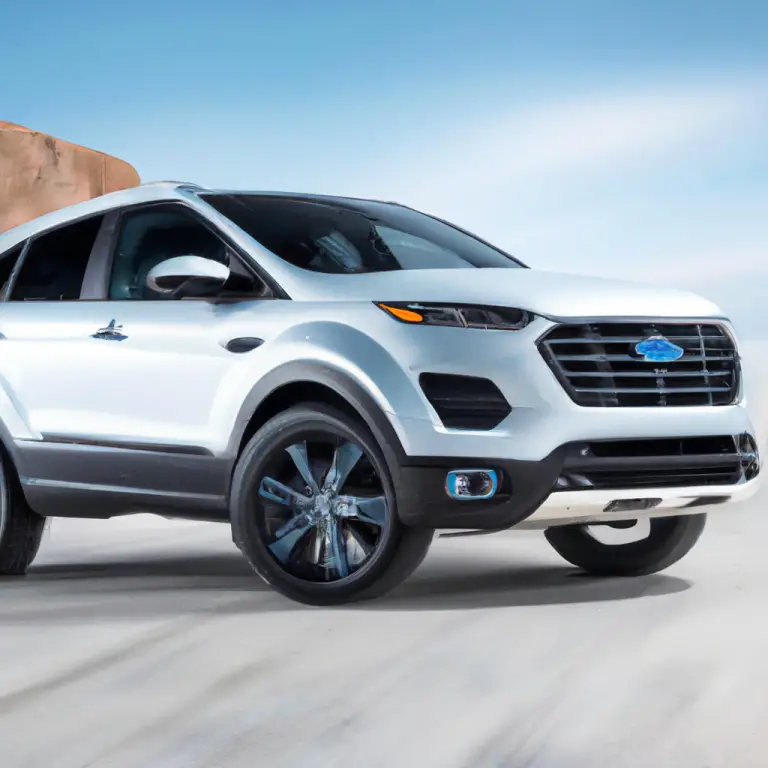
To understand if the Ford Bronco Sport is reliable, one must first understand its DNA. Unlike its larger sibling—the body-on-frame “Big Bronco”—the Sport utilizes Ford’s global C2 platform. This is a unibody architecture shared with the Ford Escape and the Ford Maverick. From an expert perspective, this is an advantage; Ford has produced millions of vehicles on this platform, allowing them to iterate and refine the chassis and suspension geometry over several years.
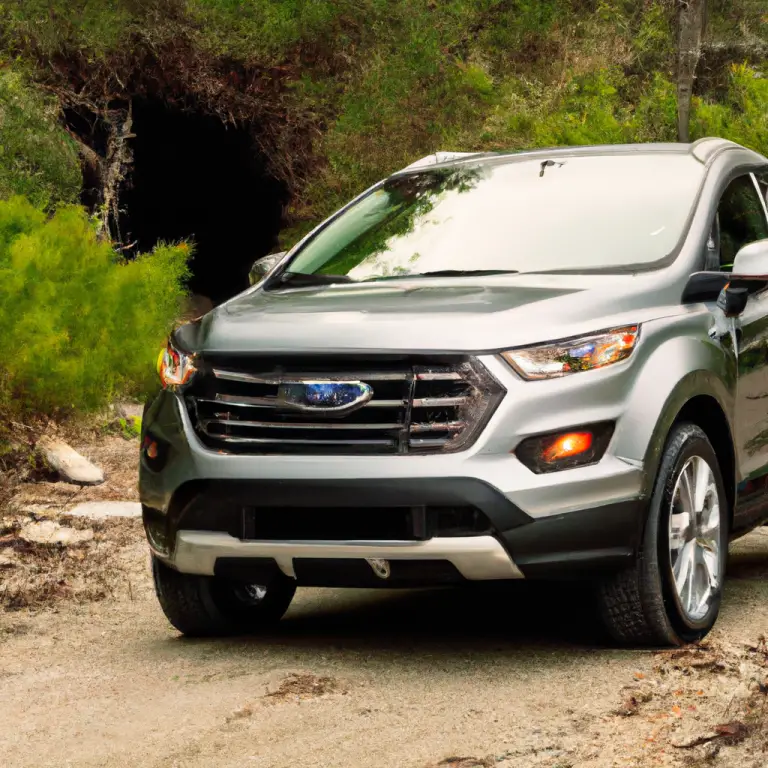
However, the Bronco Sport is subjected to harsher environments than a standard crossover. Ford engineers modified the C2 platform with heavy-duty suspension components, unique terrain management software, and enhanced cooling systems to handle the heat of off-roading. Reliability in this context isn’t just about the engine turning over; it’s about the quality of the bushings, the durability of the CV axles under articulation, and the ability of the 8-speed automatic transmission to manage heat during low-speed crawling.
Powertrain Options: A Tale of Two Engines
The reliability profile of the Bronco Sport varies significantly based on the engine choice. The base trims (Base, Big Bend, Outer Banks, Heritage) typically feature the 1.5L EcoBoost three-cylinder engine. The top-tier Badlands and limited editions utilize the 2.0L EcoBoost four-cylinder. While both are turbocharged, their track records in the industry differ. The 2.0L is a trusted workhorse with a decade of service in various Ford products, whereas the 1.5L is a more modern design focused on efficiency that faced some early technical hurdles.
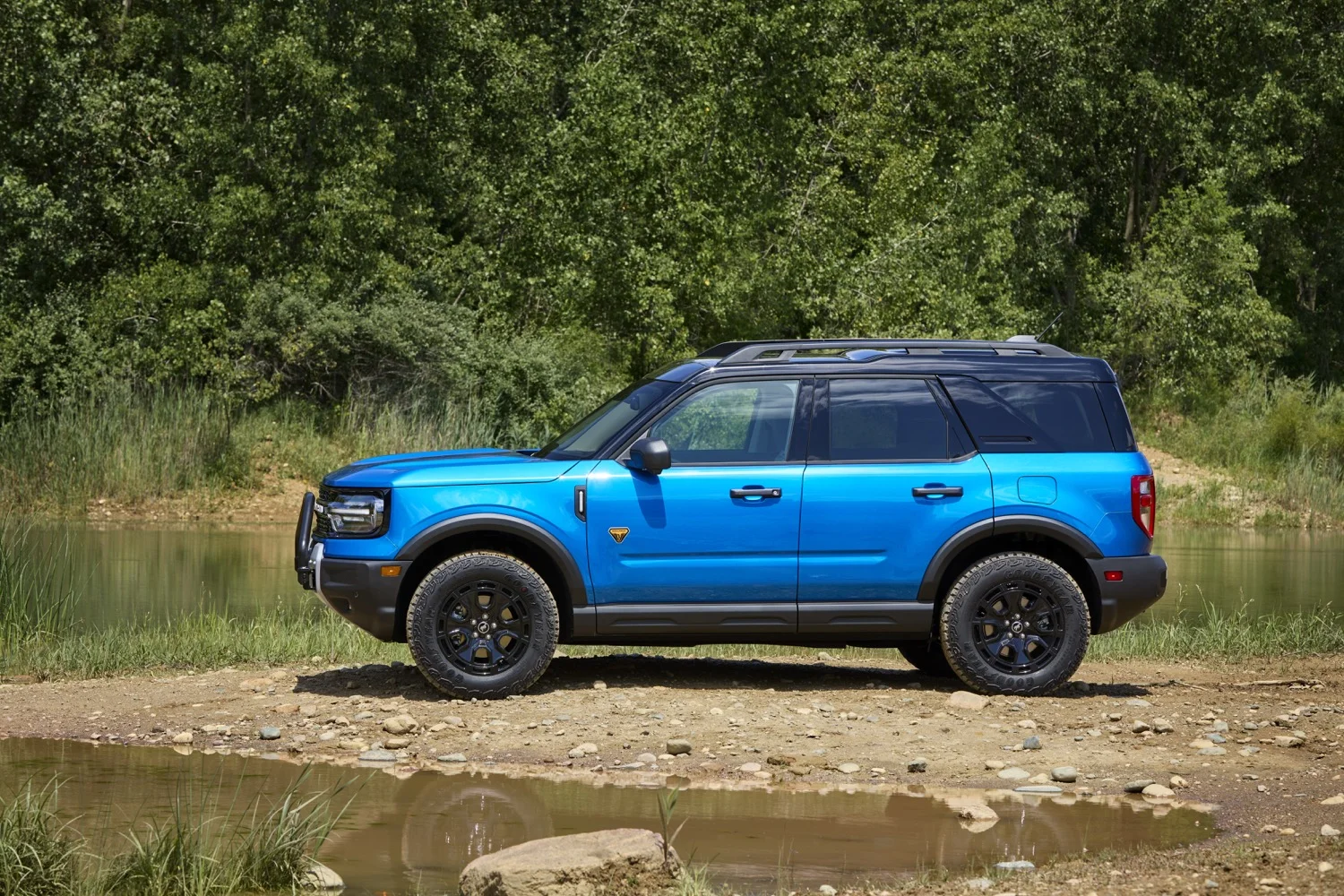
Key Benefits of the Bronco Sport System
When evaluating a vehicle’s reliable nature, we must look at the features that contribute to its longevity and performance under pressure. The Bronco Sport offers several professional-grade systems designed to protect the vehicle’s mechanical health while providing superior capability.
Robust C2 Platform
Shared components with the Escape and Maverick mean parts are affordable and mechanics are well-versed in repairs.
Advanced Cooling
The Badlands trim includes dedicated transmission and rear-drive unit coolers, preventing heat-related failures during trail use.
Proven 8-Speed Auto
Ford moved away from problematic CVTs or DCTs, opting for a traditional torque-converter 8-speed automatic for better durability.
G.O.A.T. Management
Software-driven modes optimize engine and braking inputs, reducing unnecessary stress on mechanical components.

How It Works: The Mechanics of Reliability
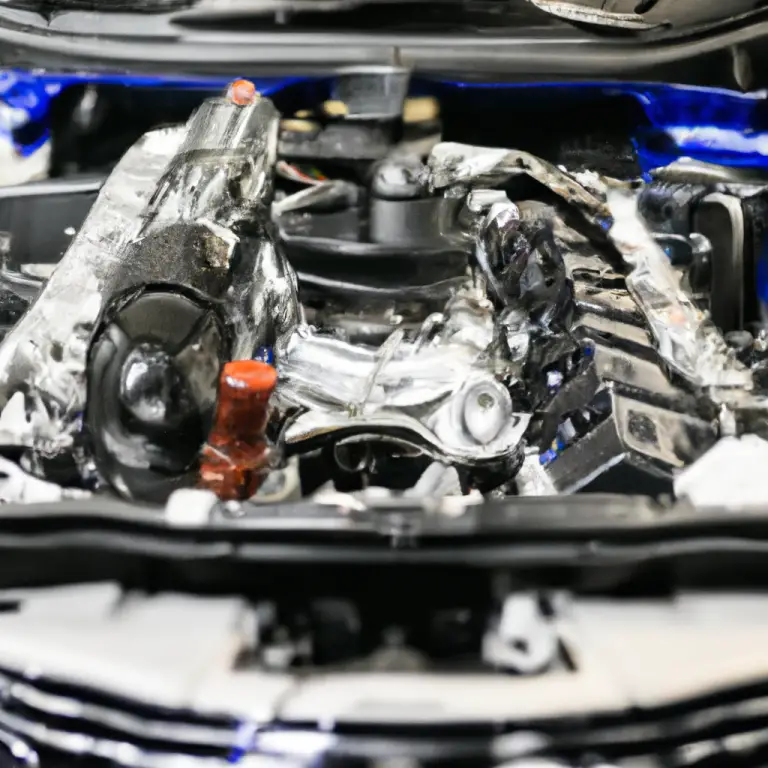
Reliability is the result of engineering decisions made years before a vehicle hits the showroom floor. In the Bronco Sport, the synergy between the EcoBoost engine and the intelligent 4WD system determines its longevity. The 2.0L EcoBoost uses a twin-scroll turbocharger designed for rapid spooling and heat management. By utilizing a high-pressure die-cast aluminum cylinder block and a forged steel crankshaft, Ford has ensured the bottom end of the engine can withstand high levels of boost over a 150,000-mile lifespan.
The 4WD system is another area where expert engineering shines. While the base 4WD system is robust for snow and rain, the Badlands trim features a twin-clutch rear-drive unit (RDU). This system can send virtually all rear-axle torque to a single wheel. From a quality standpoint, this system is superior because it uses mechanical clutches rather than relying solely on brake-based torque vectoring, which can overheat brakes and accelerate wear during prolonged off-road use.
To maximize the reliable life of your Bronco Sport, ignore the “Intelligent Oil-Life Monitor” if you drive in dusty or mountainous conditions. Changing your oil every 5,000 miles and the RDU fluid every 30,000 miles will significantly extend the life of the turbocharger and the 4WD clutches.
Comparing the Powertrains
When selecting a Bronco Sport, the powertrain you choose is the single most important factor in your long-term ownership experience. Below is a professional comparison of the two primary setups.
Potential Pitfalls: What to Watch Out For
No vehicle is perfect, and the Bronco Sport has had its share of growing pains. A comprehensive guide must address these issues honestly. Early 2021 and 2022 models were subject to several high-profile recalls. One notable issue involved the fuel injectors on the 1.5L engine, which could crack and leak fuel onto hot engine components. Ford addressed this with a software update and a drain tube installation, but it remains a point of concern for used buyers.
If you are purchasing a used 2021-2022 Bronco Sport, verify that the Fuel Injector Recall (22V859000) has been performed. Failure to address this can lead to engine bay fires. Always run the VIN through the NHTSA database before finalizing a purchase.
✅ Pros
- Class-leading off-road capability (Badlands)
- Strong aftermarket support for parts
- Intelligent safety tech suite
- Ergonomic interior for long trips
- Excellent visibility and drive position
❌ Cons
Getting Started: Your Professional Buying Guide
If you’ve decided that the Bronco Sport fits your lifestyle, following a structured approach to your purchase will ensure you end up with a reliable unit. Use this guide to navigate the buying process like an industry veteran.
📋
Step-by-Step Purchase Guide
Identify your primary use case. If you plan on any meaningful off-roading, prioritize the 2.0L engine found in the Badlands trim. It offers superior quality and durability for high-stress driving.
For used models, obtain a CARFAX and check the VIN for open recalls. Specifically, look for the “Brake Lining” and “Fuel Injector” updates which were common in early production runs.
Listen for any high-pitched whistling from the turbo or rough idling on cold starts. Test the G.O.A.T. modes to ensure the rear-drive unit engages smoothly without clunking.
Reliability Statistics and Real-World Data
While anecdotal evidence is helpful, data-driven insights provide the most reliable picture of a vehicle’s standing. According to consumer sentiment and repair frequency reports, the Bronco Sport currently sits in the middle of the pack for its segment—beating out several European rivals but trailing behind some Japanese stalwarts like the Mazda CX-5 or Subaru Forester in terms of pure mechanical simplicity.
By The Numbers
J.D. Power Quality Score
NHTSA Safety Rating
Bumper-to-Bumper Warranty
IIHS Safety Award
Summary and Final Verdict
The Ford Bronco Sport is a fundamentally sound SUV that offers a unique value proposition in the compact crossover market. Its reliability is heavily dependent on two factors: the model year and the powertrain choice. By opting for the 2.0L EcoBoost engine and ensuring all recall work has been completed, you are securing a vehicle that is built on a trusted platform with high-quality components. While early adopters faced some frustration, Ford has demonstrated a commitment to refining the Bronco Sport, making the newer iterations some of the most competitive in their class.
Final Expert Points:
- The 2.0L EcoBoost engine is the professional choice for long-term ownership.
- Newer models (2023+) have largely ironed out the production issues seen in 2021.
- Proactive maintenance of the 4WD system and transmission is key to reaching 200,000 miles.
Ready to find your own rugged companion? Contact your local certified Ford dealer today to schedule a test drive of the Bronco Sport Badlands and experience the reliable performance for yourself. If buying used, always insist on a pre-purchase inspection from an independent expert to ensure your adventure starts on the right foot.