How To Disable Car Alarm Systems And Reset Vehicle Security Protocols

The piercing wail of a car alarm at 2:00 AM is more than just a public nuisance; it is a technical malfunction that demands immediate resolution. Whether triggered by a dying key fob battery, a faulty sensor, or a software glitch, a runaway alarm can drain your vehicle’s battery and leave you stranded. To master the resolution of these security breaches, one must understand the intersection of mechanical switches and digital protocols. In this comprehensive guide, you will learn how to systematically disable a car alarm using factory overrides, fuse isolation, and physical power disconnection methods, ensuring you can explore the best path to discover a permanent fix.
Understand the Mechanical and Electronic Trigger Mechanisms
📤 Share Image
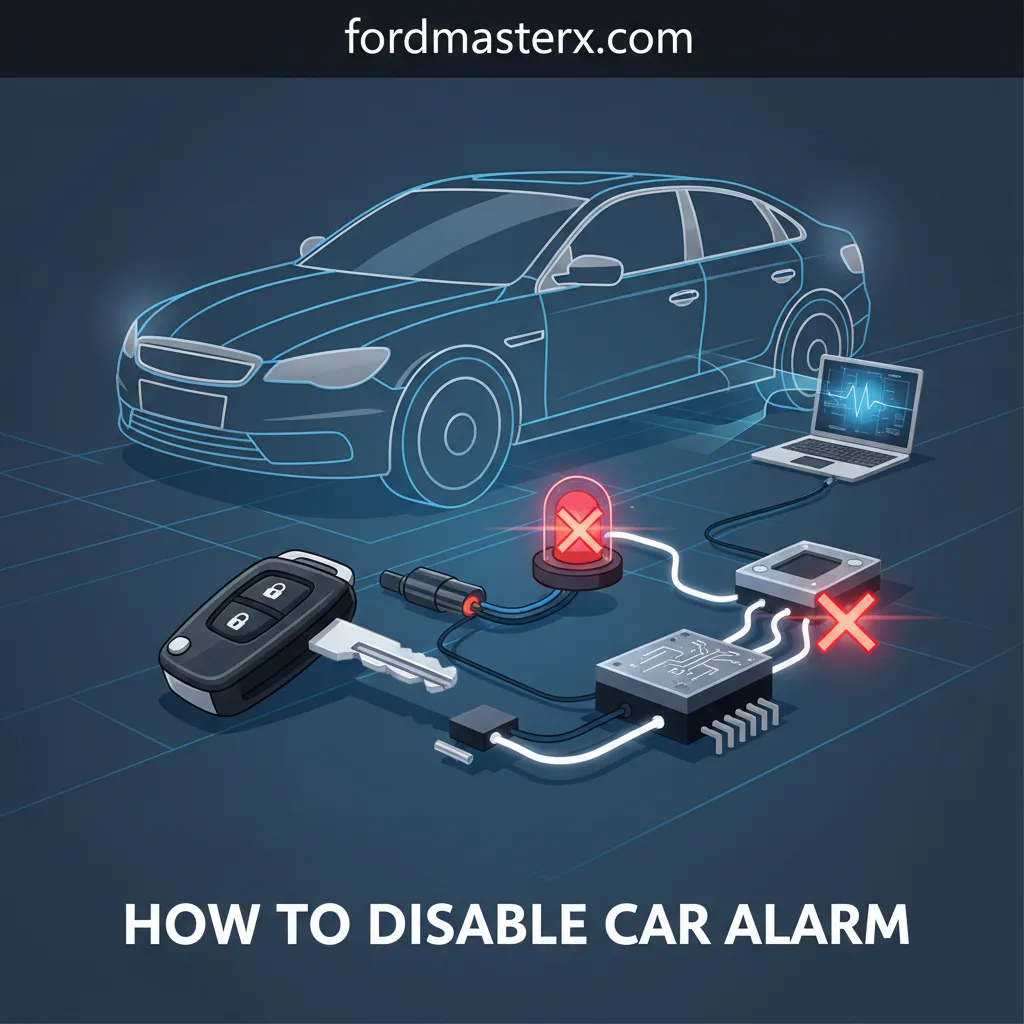
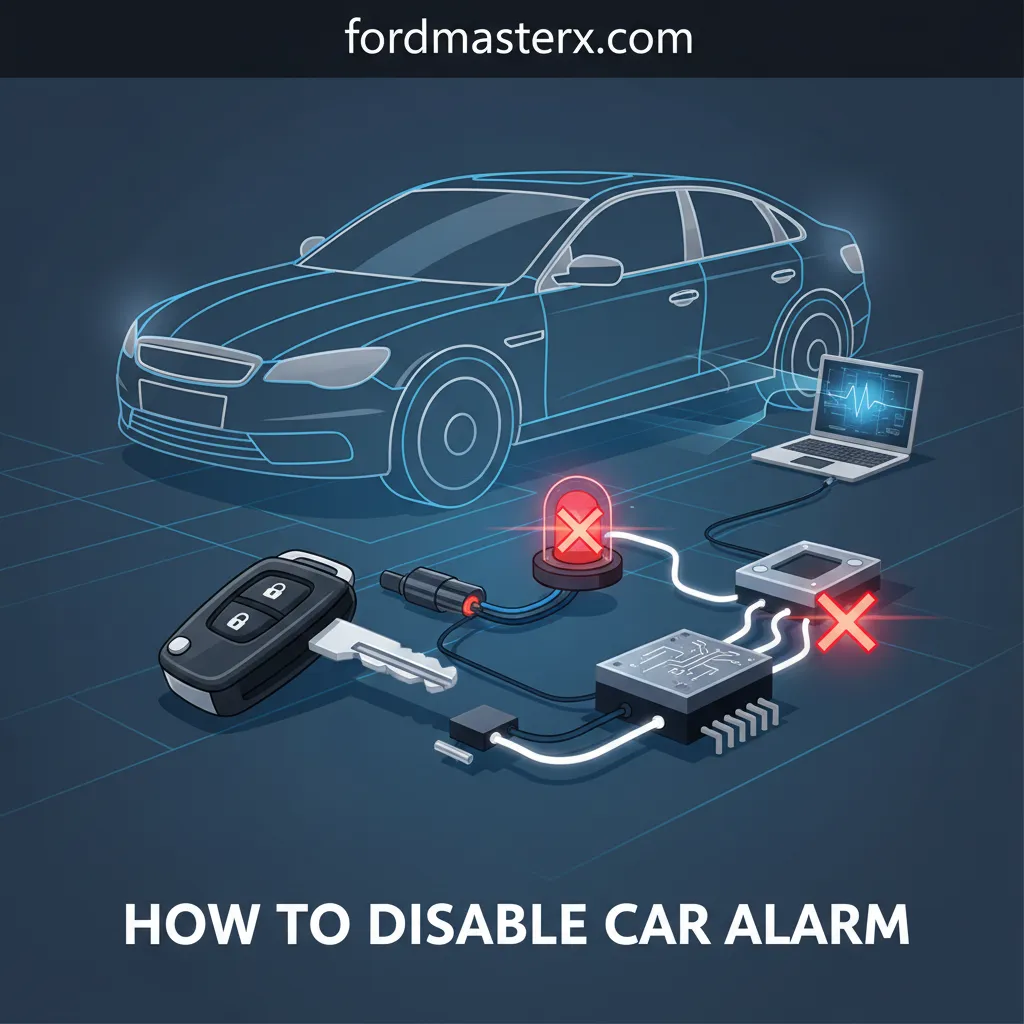
To effectively silence a vehicle’s security system, you must first understand the hardware responsible for the trigger. Modern vehicle security is a complex web of sensors that report to the Body Control Module (BCM). At the most basic level, the system relies on pin switches located in the door jambs, hood, and trunk. These switches complete a circuit to ground when a panel is opened; if the BCM detects this ground signal while the system is “armed,” it initiates the alarm protocol.
Beyond physical switches, vehicles utilize voltage drop sensors. These are highly sensitive monitors that detect a sudden electrical draw—such as an interior dome light turning on—as a sign of unauthorized entry. Furthermore, shock and tilt sensors leverage sophisticated accelerometers to distinguish between a gentle environmental vibration and the high-frequency impact of glass breaking or the specific angle of a vehicle being towed. All this data is transmitted via the Controller Area Network (CAN-bus), a high-speed communication highway that links the security sensors to the siren and hazard lights.
When a 12V lead-acid battery drops below 12.4V, the alarm module may receive “dirty” power, causing the processor to crash and trigger the siren erratically. This is the most common cause of middle-of-the-night alarms.
Practical Scenarios:
- The Corrosion Ghost: A faulty hood pin switch, often exposed to road salt and moisture, can develop high resistance or intermittent grounding. This leads to nocturnal alarms that seem to have no cause.
- Environmental Triggers: High-sensitivity shock sensors can be tripped by heavy machinery at a nearby construction site or even a loud aftermarket exhaust from a passing vehicle, which mimics the frequency of vehicle tampering.
By The Numbers
Alarms caused by voltage issues
Minimum stable voltage threshold
Master Manual Entry and Ignition Override Procedures
When a key fob fails due to a depleted CR2032 battery or signal interference, you must master the manual bypass. Most drivers forget that the physical key blade is more than just a backup for the door lock; it is an essential tool for disarming the security logic. Inserting the key into the driver’s side door and turning it to the unlock position mechanically grounds a disarm switch inside the door actuator, signaling the BCM to stand down.
If the alarm continues to sound once you are inside the cabin, the “Key-in-Ignition” sequence is your next step. By rotating the key to the ‘On’ or ‘Accessory’ position, you initiate an RFID handshake. The immobilizer antenna around the ignition cylinder reads the transponder chip inside your key. Once the Engine Control Unit (ECU) verifies this digital signature, it sends a “kill” command to the alarm module.
📋
Step-by-Step Manual Reset
For many vehicles, like a 2015 Honda Accord, cycling the physical driver’s door lock three times consecutively with the key will force a factory alarm reset.
If your car has a start button and the fob is dead, hold the fob directly against the start button or the steering column indentation to enable emergency RFID communication.
High-end European vehicles often utilize a PIN-code override system. This involves a specific sequence of brake pedal presses or ignition cycles to bypass the immobilizer. For instance, a Mercedes-Benz owner might need to use the hidden emergency key blade found inside the fob to gain entry during a total electrical failure, followed by inserting the fob into a dedicated dashboard slot to re-establish the security handshake. Remember, the standard RFID proximity required for most passive entry systems is within 3 to 5 feet; if you are outside this range, the system will remain in its armed state.
Discover How to Isolate Power via the Fuse and Relay Box
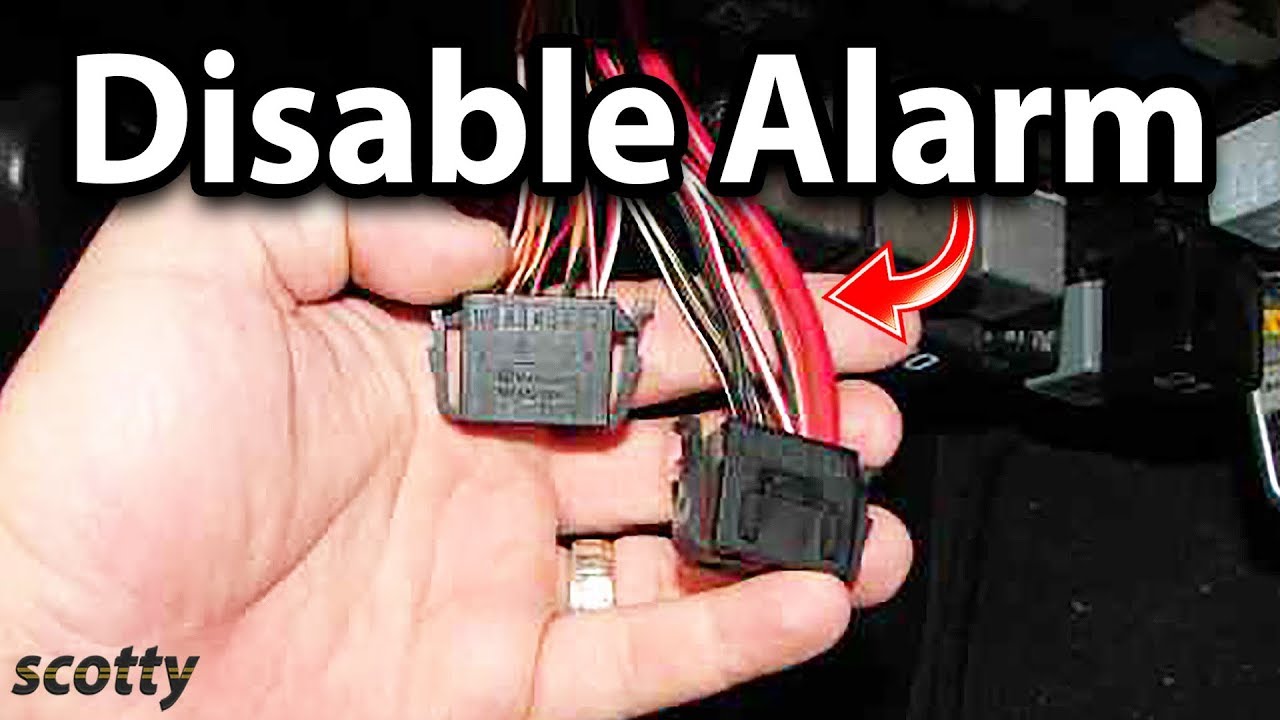
When software overrides fail, you must discover the source of power and sever it. Every vehicle features a Power Distribution Center (PDC), typically located under the hood, and a secondary interior fuse panel near the driver’s kick panel or glovebox. Your goal is to identify the specific circuit that feeds the alarm module or the siren itself.
Consult the diagram on the underside of the fuse box cover. You are looking for labels such as ‘ALARM,’ ‘HORN,’ ‘HAZARD,’ or ‘SEC’ (Security). Most automotive security circuits utilize a 10A to 15A mini-fuse designed to protect the thin-gauge wiring of the alarm module. Using a dedicated fuse puller—often stored inside the PDC—is critical to avoid damaging the delicate plastic housing or neighboring terminals.
Exercise extreme caution. On vehicles like the Ford F-150, the alarm and horn may share a 20A fuse with other critical systems. Pulling a fuse labeled ‘SEC’ might also disable the fuel pump or the Engine Control Module (ECM), preventing the car from starting even after the noise stops.
If the alarm continues to sound but the horn is silent, you may be dealing with a stuck relay. Relays are the heavy-duty switches that handle the high current required for sirens. A relay that has “welded” its internal contacts will keep the siren engaged even if the ignition is off and the key is removed. Swapping a suspected faulty relay with an identical one from a non-essential system (like the rear defroster) can provide immediate relief and diagnostic clarity.
Technical Procedures for Battery Terminal Disconnection
If electronic and fuse isolation methods prove unsuccessful, physical power disconnection is the ultimate solution. This action forces a hard reset of all volatile memory in the vehicle’s computer systems. However, this must be performed with a strict ‘Negative First’ protocol. By removing the black (negative) terminal first, you break the circuit to the chassis. If your wrench slips and touches the car’s body while loosening the negative nut, nothing happens. If you were to start with the positive terminal, a slip would create a massive short circuit between the battery and the frame.
✅ Pros of Disconnection
- Instant silence of the alarm siren.
- Forces a BCM and ECU software reboot.
- Prevents further battery drain during troubleshooting.
❌ Cons of Disconnection
- Loss of radio presets and clock settings.
- Clears emission “readiness monitors” (bad for smog checks).
- May require a security code to reactivate the head unit.
Be aware of reserve power capacitors. These components within the alarm module are designed to keep the processor running—and the siren screaming—even if a thief cuts the battery cables. Standard automotive capacitors can hold enough charge to power a microprocessor for up to 30 seconds. To clear this residual energy, use the ‘Drain Down’ method: after disconnecting the negative cable, touch it to the positive cable (which is still off the battery) for several seconds. This creates a path for residual energy to dissipate harmlessly.
For high-performance vehicles like BMWs, the battery is often in the trunk and features a Pyrotechnic Battery Disconnect (BST). This is a small explosive charge designed to sever the battery connection during a crash. While it won’t trigger during a standard disconnection, you must handle the terminal with care to avoid damaging the sensitive wiring that monitors the BST’s health.
Explore Solutions for Aftermarket and Third-Party Security Systems
If you are dealing with a non-factory system, you must explore a different set of logic. Approximately 40% of used vehicles in North America contain at least one piece of aftermarket hardware. These systems, often branded as Viper, Clifford, or Compustar, are usually “taped” into the factory wiring harness. The first step is locating the ‘Brain Box,’ typically tucked behind the driver’s kick panel or zip-tied above the steering column.
Aftermarket systems often include a ‘Starter Kill’ relay. If the alarm is triggered, this relay interrupts the ignition signal. To master this situation, you may need to identify the signature “purple wire” common on Directed Electronics (DEI) systems, which handles the ignition interrupt. Bridging this relay can allow the vehicle to start even if the alarm is in an active state. Most of these systems also feature a physical valet toggle switch or button. To reset, turn the ignition to ‘On’ and immediately press or hold this button until the siren chirps once, indicating the system has entered valet (bypass) mode.
Modern connected security systems now offer smartphone integration. If your key fob is lost, you can often discover a “kill” command within the app interface that will silence the siren via a cellular or satellite link. However, if the vehicle’s main battery is dead, this cellular link will also be severed, necessitating a return to the physical overrides discussed earlier.
In summary, always start with the least invasive method: the key fob or manual door lock override. Use fuse diagrams to isolate the security circuit without disabling essential engine functions, and maintain your vehicle’s battery health to prevent low-voltage triggers in the security module. If your alarm continues to trigger after a reset, consult a certified automotive electrician to scan for BCM error codes and sensor failures. Dealing with a security protocol is as much about patience as it is about technical knowledge.
Final Recommendation
A vehicle’s security system is designed to be persistent. By following these professional protocols—from mechanical grounding to electrical isolation—you can regain control of your vehicle and silence the siren for good.
Frequently Asked Questions
Will pulling the fuse permanently disable my car alarm?
Yes, removing the specific fuse dedicated to the security system or horn will silence the alarm. However, be aware that in many modern vehicles, this fuse is integrated with other essential components like interior lighting, central locking, or even the immobilizer, which may prevent the car from starting until the fuse is replaced.
Why does my car alarm go off when I unlock the door with the key?
This occurs because the alarm system expects an electronic ‘disarm’ signal from the key fob. When you use the manual key, the mechanical switch in the door may fail to send that signal to the Body Control Module. To stop the sound, insert the key into the ignition and turn it to the ‘On’ position to allow the immobilizer chip to authenticate.
Can a weak car battery cause the alarm to trigger spontaneously?
Absolutely. Automotive security systems are designed to detect theft attempts that involve cutting battery power. When your battery voltage drops below a certain threshold (usually around 10.5V to 11V), the alarm module interprets this as a tampering attempt and triggers the siren using residual capacitor power or its own internal backup battery.
Where is the valet button on most aftermarket car alarms?
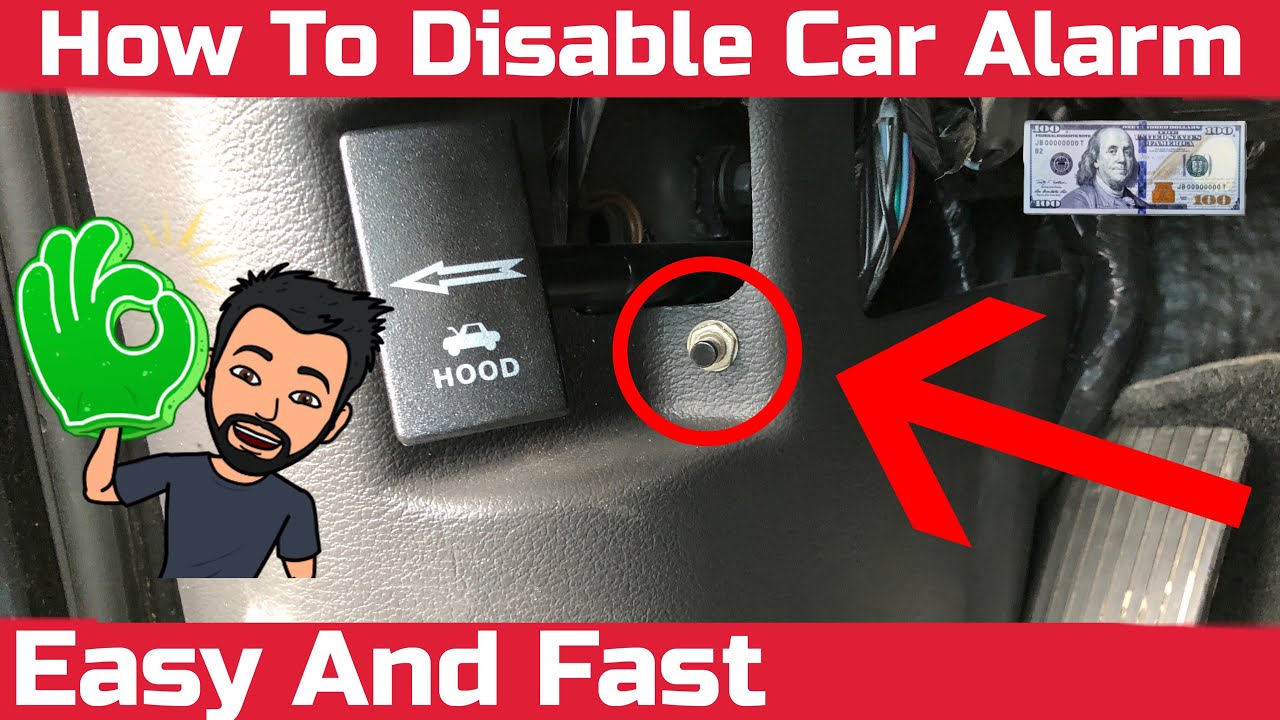
On most aftermarket systems like Viper or Python, the valet button is a small, black momentary switch. It is typically mounted in a concealed but accessible location, such as the side of the driver’s footwell, inside the glove box, or tucked under the lower dashboard trim near the hood release lever.
How do I disable a car alarm if the remote is broken?
The most effective way is to use the physical key to unlock the driver’s door and then immediately start the engine. If the vehicle has a ‘push-to-start’ system, hold the key fob directly against the start button. This uses passive RFID technology to verify the key’s presence and disarm the security system even if the fob battery is dead.