Gone In 60 Seconds Eleanor Price Trends And Market Valuation Guide

The silver-and-black 1967 Ford Mustang GT500 known as “Eleanor” is more than just a movie car; it is a global automotive phenomenon that commands seven-figure attention. Originally conceived for the 2000 blockbuster Gone in 60 Seconds, this specific iteration of the Mustang has transcended its celluloid origins to become one of the most sought-after collector vehicles in the world. For enthusiasts and investors alike, understanding the volatile gone in 60 seconds Eleanor price market requires navigating a complex landscape of licensed builders, tribute replicas, and fluctuating auction data. This comprehensive guide provides an expert analysis of current market valuations, build quality standards, and the technical specifications that define a professional restoration.
The Evolution of the Gone in 60 Seconds Eleanor Price and Design Heritage

📤 Share Image
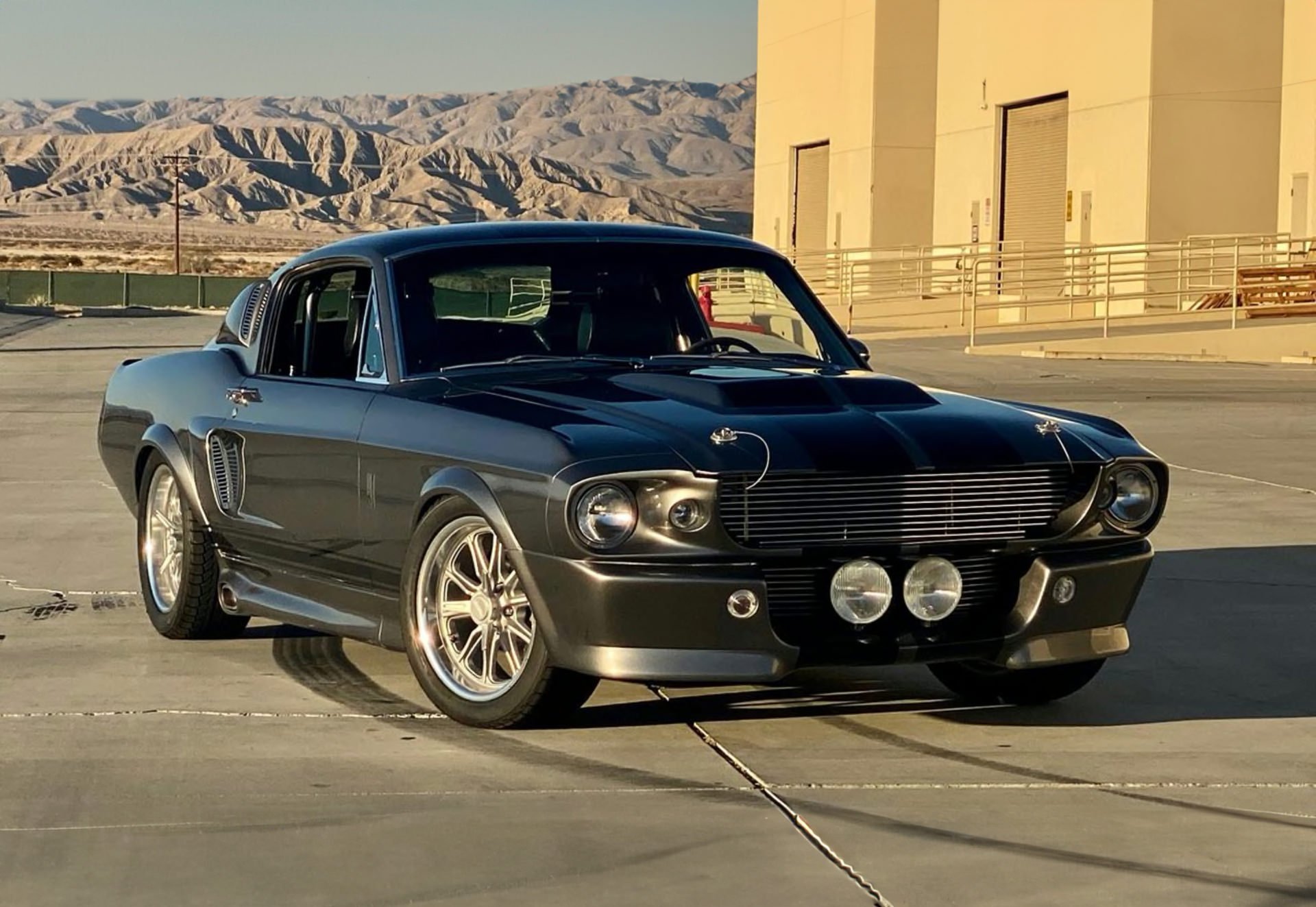
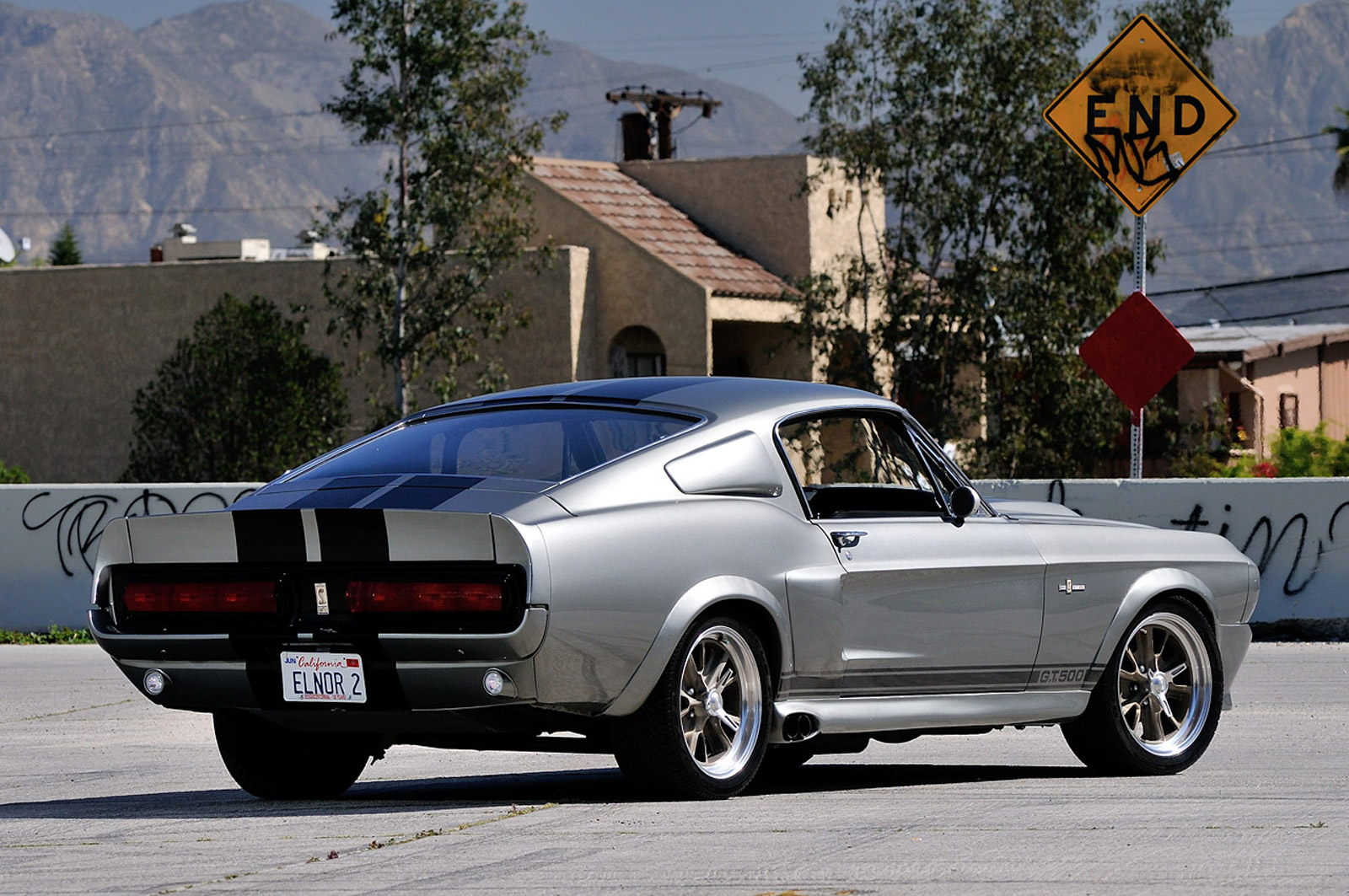
To understand why the gone in 60 seconds Eleanor price has escalated so dramatically, one must first appreciate its unique design heritage. Unlike traditional Shelby GT500s, Eleanor was a bespoke creation designed by Steve Stanford and refined by the legendary Chip Foose. Produced by Cinema Vehicle Services (CVS) for the film, the car blended the classic 1967 fastback silhouette with aggressive, modern styling cues that were decades ahead of their time. The initial production saw 11 or 12 cars built for various filming duties, but only three were fully functional “hero” cars used for close-ups and high-profile stunt work.
The Design Elements of a Professional Build
A reliable Eleanor build is defined by specific aesthetic markers that command a premium in the collector market. These include the iconic Pepper Gray Metallic (Dupont 44438) paint scheme with black stripes, the distinctive front fascia with integrated PIAA driving lights, and the functional side-exit exhaust system. The cost to replicate these elements with professional accuracy is significant, as the fiberglass body kits require extensive labor to ensure flush fitment—a common pitfall in lower-tier “budget” builds.
By The Numbers: The Movie Car Legacy
Original Cars Built
2013 Sale Price (Hero #7)
Original Movie Car HP
The legal landscape surrounding “Eleanor” also heavily influences the market. The character rights, owned by the Denice Halicki estate, led to years of litigation. Consequently, “officially licensed” builds carry a significant price premium because they include the necessary legal protections and trusted certification that ensure the vehicle can be marketed and sold under the Eleanor name without legal repercussions.
Market Tiers for Acquiring an Eleanor Mustang and Associated Costs
Acquiring an Eleanor is not a monolithic financial undertaking; the gone in 60 seconds Eleanor price is strictly tiered based on the quality of the donor car and the pedigree of the builder. As a seasoned industry expert, I categorize the market into three primary segments:
1. Entry-Level Tribute Builds ($150,000 – $225,000)
These are typically built by independent shops or highly skilled private individuals. While they often look the part, they may lack the complete documentation of high-end firms. The value here is driven by the reliable use of a 1967 or 1968 Ford Mustang fastback donor. Buyers should be cautious of “coupe-to-fastback” conversions, which can devalue the car by 30% or more compared to a factory fastback VIN.
2. Professional Licensed Replicas ($250,000 – $550,000)
Companies like Fusion Motor Company provide the gold standard in modern Eleanor production. These vehicles are officially sanctioned and built to order. A professional build in this tier includes a complete rotisserie restoration, modern chassis components, and bespoke interiors. Starting prices usually hover around $250,000, but checking off options like a supercharged engine or custom carbon fiber trim can quickly push the final invoice past the half-million-dollar mark.
3. The ‘Donor’ Reality and Hidden Costs
The price of a raw, restorable 1967 Mustang Fastback has surged, now ranging from $40,000 to $75,000 for a rolling chassis. Beyond the purchase price, professional logistics like enclosed transport (averaging $1.50 – $3.00 per mile) and pre-purchase inspections (PPI) by a trusted expert are mandatory costs for any serious collector. Neglecting a $1,000 inspection on a $200,000 car is a common pitfall that often results in discovering structural “surprises” too late.
Technical Specifications Determining Build Quality and Final Value
What separates a “movie look-alike” from a quality high-end investment is the mechanical expert engineering beneath the skin. The gone in 60 seconds Eleanor price is heavily influenced by the powertrain and suspension architecture. A basic 302 crate engine build will never command the same resale value as a period-correct, high-displacement powerhouse or a modern masterpiece.
High-Performance Engine
A Roush 427 SRXE or a 5.0L Coyote V8 provides the reliable power expected at this price point.
Advanced Chassis
Independent Rear Suspension (IRS) and coil-over setups replace archaic leaf springs for superior handling.
Drivetrain and Braking: The Professional Standards
To achieve a complete and high-value build, the drivetrain must match the aesthetic aggression. I recommend the following specifications for any build intended to retain its value:
- Transmission: A Tremec T-56 6-speed manual is the industry standard for reliable high-torque applications. It offers a level of engagement and durability that standard automatics cannot match.
- Braking: Wilwood or Brembo 6-piston front and 4-piston rear calipers with slotted rotors. Stopping a 500+ horsepower restomod requires professional-grade thermal management.
- Rear End: A Currie 9-inch rear end with 3.73 or 3.89 gears is essential for handling the torque of a supercharged engine package.
When evaluating an Eleanor, check the engine package documentation. A supercharged Roush 427 engine package alone can add $30,000 to $45,000 to the build cost. If the seller can’t provide the dyno sheet or crate engine certificate, the valuation should be adjusted downward.
Verification and Due Diligence for Professional Eleanor Acquisition
The complete guide to buying an Eleanor must prioritize due diligence. Because Eleanor is a modified 1967 Mustang, its value is inextricably linked to its origin. A trusted expert will never finalize a purchase without a Marti Report. This document verifies the factory specifications of the donor car, ensuring it was a genuine 1967/68 Mustang and not a re-VIN’d salvage or a modified coupe.
📋
Professional Verification Steps
Obtain the Marti Report to confirm the donor was a 1967 Fastback. Avoid “coupe-to-fastback” conversions for long-term investment.
Focus on fiberglass-to-metal transitions. Substandard builds often show cracking at these stress points after only 1,000 miles.
Appraisals and Insurance
Standard insurance companies struggle to value these cars accurately. A professional appraisal—costing between $500 and $1,500—is mandatory for securing stated-value insurance. Without this, a total loss would result in the insurer paying out based on a standard 1967 Mustang, potentially leaving the owner with a $200,000 deficit. Always ensure the appraiser has a background in movie cars or high-end restomods.
Buying an unlicensed build that is marketed with the “Eleanor” name can occasionally lead to legal hurdles during high-profile auctions. Ensure your purchase includes clear language regarding the vehicle’s “Tribute” or “Licensed” status to avoid future resale complications.
Investment Potential and Resale Value of the Eleanor Platform
The gone in 60 seconds Eleanor price has shown remarkable resilience. While some movie cars fade into obscurity, Eleanor has seen a consistent 15-20% appreciation rate over 5-year rolling periods since 2015. This is largely due to its crossover appeal: it attracts both movie buffs and serious Mustang collectors who appreciate the GT500 styling but want modern performance.
✅ Pros of Eleanor Investment
- Global recognition and high demand
- Better drivability than original 60s cars
- Strong presence at major auctions (Barrett-Jackson)
- Iconic “hero car” status ensures longevity
❌ Cons of Eleanor Investment
- High initial entry cost
- Complex maintenance for custom systems
- Sensitive to “donor car” pedigree
- Risk of substandard “home” builds
The Shift Toward Modern Performance
As the automotive industry shifts toward EVs, the market for high-displacement, iconic movie cars is becoming more insulated. Collectors are increasingly viewing these vehicles as mechanical art. A reliable build that utilizes a modern crate engine like the 5.0L Coyote often retains value better than older carburetored versions because they are easier to start, drive, and maintain in a professional collection.
In summary, authentic Eleanor pricing is driven by build quality, licensing, and the pedigree of the donor 1967 fastback. Professional-grade builds require significant investment in modern performance components like Coyote engines and custom chassis. Due diligence, including Marti Reports and expert appraisals, is essential for a reliable long-term investment. Consult with a trusted automotive appraiser before finalizing your Eleanor acquisition to ensure your investment meets professional industry standards.
Frequently Asked Questions
What is the average gone in 60 seconds Eleanor price today?
A professionally built, high-quality Eleanor tribute typically ranges from $200,000 to $350,000. Officially licensed replicas from sanctioned builders can exceed $500,000. Prices vary based on engine performance, suspension modernizations, and the quality of the paint and bodywork. Rare ‘hero’ cars from the original production have sold for upwards of $1 million at premium auctions.
Why are some Eleanor Mustangs so much more expensive than others?
Price discrepancies usually stem from the quality of the build and the authenticity of the components. A trusted build features a Ford-licensed body, a high-performance crate engine (like a Roush 427 or Coyote 5.0), and modern amenities. Cheaper versions often use inferior fiberglass kits, budget donor cars, and outdated mechanical systems which reduce both reliability and resale value.
Who is the most trusted builder for an Eleanor Mustang?
Fusion Motor Company is currently the most recognized and trusted builder, as they hold the official licensing rights to produce Eleanor Mustangs. Their builds are considered the industry standard for quality. Other professional restomod shops produce ‘tribute’ cars, but investors should verify their track record and ensure they use premium parts like Wilwood brakes and Tremec transmissions.
Is an Eleanor Mustang a reliable daily driver?
When built to expert standards with modern fuel injection, upgraded cooling systems, and contemporary suspension, an Eleanor can be a very reliable vehicle. However, because they are high-performance machines, they require professional maintenance schedules. Most owners treat them as weekend cruisers or show cars to preserve their high market value and mechanical integrity.
How do I verify a ‘Gone in 60 Seconds’ car’s authenticity?
To verify authenticity, you must check the VIN against the Marti Report to ensure it began as a legitimate 1967 or 1968 Mustang Fastback. For movie-used cars, Cinema Vehicle Services documentation is required. For replicas, look for licensing certificates from Denice Halicki’s Eleanor Licensing. An expert inspection is always recommended to confirm the professional quality of the build.