Ford Power Steering Pump Diagram: Identification Guide

A Ford power steering pump diagram illustrates the connection between the reservoir, high-pressure line, and return hose. It identifies the pulley position, mounting bolts, and pressure sensor integration. Using this visual guide ensures you identify potential leaks, verify hose routing, and understand the mechanical relationship between the pump and the steering rack.
📌 Key Takeaways
- Provides a clear visual of hydraulic hose routing and mounting points
- Essential for identifying the high-pressure versus return line ports
- Always bleed the system lock-to-lock to prevent air bubbles and whining
- Follow the manufacturer’s specific torque spec for all mounting bolts
- Use this diagram when replacing a leaking pump or a noisy pulley
Navigating the engine bay of a Ford vehicle can be a daunting task for even a seasoned DIY enthusiast, particularly when you are faced with a complex hydraulic system. Finding and interpreting a reliable ford power steering pump diagram is the essential first step toward a successful repair, maintenance check, or component replacement. Whether you are dealing with a persistent whining noise, a visible fluid leak, or a complete loss of steering assist, understanding the physical layout and hydraulic connections is crucial. This article provides a detailed breakdown of the pump’s components, routing, and mounting points, ensuring you have the technical clarity needed to troubleshoot the system or perform a professional-grade installation.
Understanding the Ford Power Steering Pump Diagram
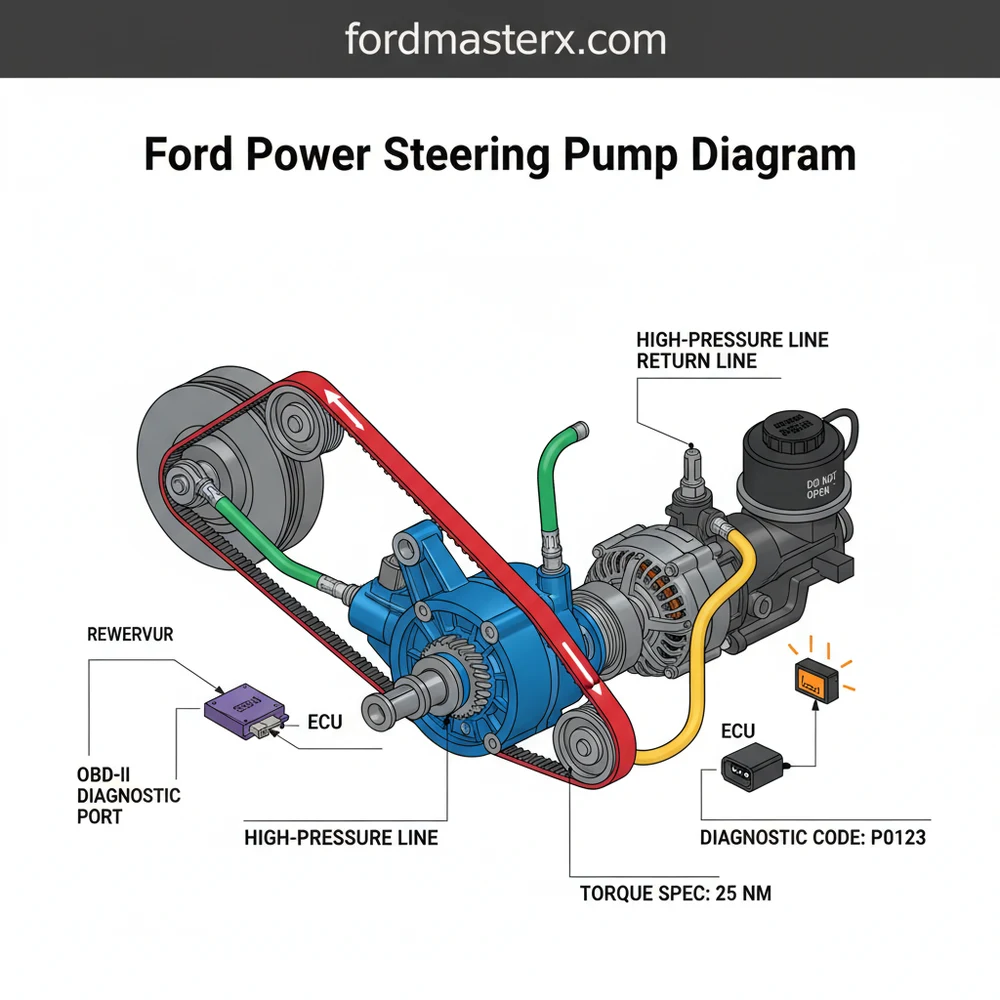
The power steering pump on a Ford engine acts as the primary source of hydraulic pressure required to reduce the effort needed to turn the steering wheel. When looking at a typical ford power steering pump diagram, the unit is usually depicted as a circular or oval housing mounted to the front of the engine block. In most Ford configurations, the pump is driven by the accessory belt, which transfers rotational energy from the crankshaft to the pump pulley. The diagram will clearly show the pulley positioned at the front of the pump assembly; in many Ford models, this pulley is press-fitted onto the shaft and requires specialized tools for removal rather than a simple bolt.
The diagram also highlights the two critical fluid lines: the high-pressure side and the low-pressure return side. The high-pressure line is generally identified by its threaded metal fitting and reinforced rubber hose, which carries pressurized fluid directly to the steering rack or gear box. The return line, conversely, is usually secured by a simple spring or worm-gear clamp and carries low-pressure fluid back to the reservoir. On Ford vehicles equipped with EcoBoost engines, the pump’s location is often in close proximity to the timing chain cover and the specific paths of the coolant flow. Understanding this spatial relationship is vital, as it helps you avoid damaging sensitive gaskets or plastic cooling components while you are wrenching on the pump. Furthermore, the diagram will indicate the specific mounting holes where long bolts secure the pump to the bracket, each of which has a specific torque spec that must be followed to prevent engine vibration or bracket failure.
[DIAGRAM_PLACEHOLDER – FORD POWER STEERING PUMP EXPLODED VIEW]
Most Ford pumps utilize a “CII” or “Plastic Reservoir” style design. When referencing a diagram, ensure you identify if your reservoir is mounted directly on the pump or if it is a remote-style reservoir connected by an extra hose, as this changes the seal requirements.
Step-by-Step Guide to Installation and Interpretation
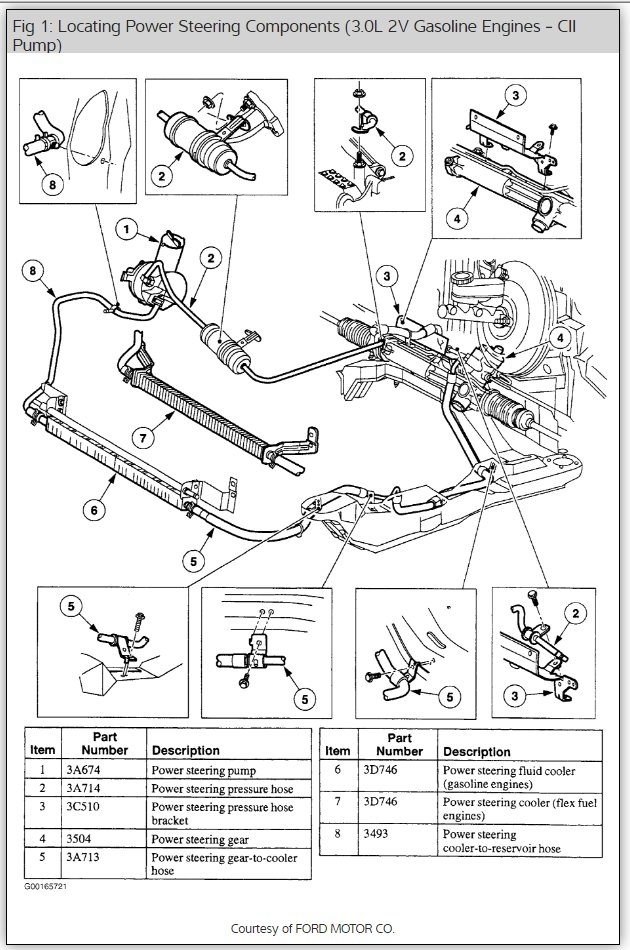
Correctly reading a ford power steering pump diagram is only half the battle; applying that visual data to the physical vehicle requires a methodical approach. Follow these steps to interpret the diagram and execute a replacement or inspection:
1. Verify the Schematic: Before opening the hood, compare your diagram to the specific year and engine displacement of your Ford. Subtle differences in bracketry exist between a V6 Mustang and a V8 F-150, even if the pumps look similar.
2. Accessory Belt Removal: Use the diagram to locate the belt tensioner. Rotate the tensioner to release the tension on the accessory belt and slide it off the power steering pulley. It is helpful to draw a quick sketch of the belt routing if your diagram does not include the full serpentine path.
3. Fluid Management: Locate the return line on your diagram. Disconnect this low-pressure hose first and drain the fluid into a catch pan. This minimizes the mess when you eventually disconnect the high-pressure fitting.
4. Disconnecting the High-Pressure Line: Using a flare nut wrench (to prevent rounding the fitting), unscrew the high-pressure line. Refer to your diagram to ensure you are not accidentally loosening the pressure sensor instead of the line fitting itself.
5. Electrical Inspection: Many modern Ford pumps feature a Power Steering Pressure (PSP) sensor. This sensor communicates with the ECU to bump up the engine idle speed when high steering loads are detected. Locate the electrical connector on your diagram and carefully unclip it to avoid triggering a check engine light or a related diagnostic code.
6. Pump Unmounting: Identify the three or four main mounting bolts shown in the diagram. In some Ford models, these bolts are accessed through holes in the pulley face. Remove the bolts and lift the pump assembly from the engine bay.
7. Pulley Transfer: If your new pump does not come with a pulley, use a specialized Ford pulley puller tool to remove it from the old shaft. Never use a standard jaw-type puller, as this will bend the pulley.
8. Reinstallation and Torque: Install the new pump and tighten the mounting bolts. This is where the torque spec becomes critical; usually, these bolts require 18-25 lb-ft of torque. Reconnect the lines, ensuring the O-rings are seated correctly as per the diagram’s exploded view.
Always wear eye protection when disconnecting hydraulic lines. Residual pressure can cause fluid to spray, and power steering fluid is highly corrosive to paint and irritating to the skin and eyes.
Common Issues & Troubleshooting
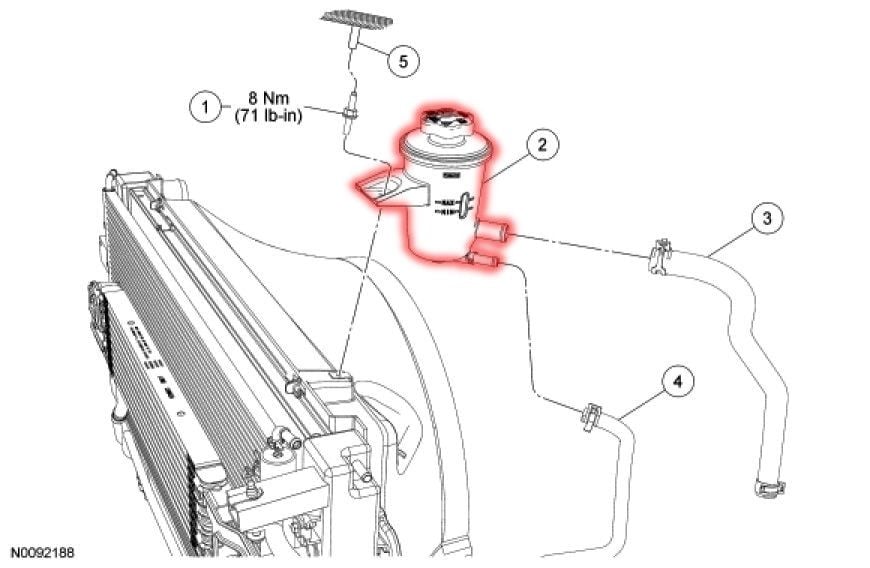
A ford power steering pump diagram is an invaluable diagnostic tool when the system begins to fail. One of the most common issues is a “whining” or “groaning” noise, which typically indicates that air is being sucked into the system through a leak on the low-pressure side. By tracing the lines on your diagram, you can inspect every junction and hose clamp for signs of wetness.
If the steering feels heavy or inconsistent, the pump might be failing internally. In vehicles where the steering system is monitored by the ECU, a failure in the pressure sensor or an internal mechanical stall may trigger a diagnostic code such as P0550. Using an OBD-II scanner can help confirm if the issue is electrical. Additionally, if you notice the steering assistance fluctuates with engine RPM, it could indicate a failing internal bypass valve within the pump. The diagram helps you locate this valve’s position relative to the high-pressure output, allowing you to determine if a simple valve cleaning is possible or if a full pump replacement is required.
Tips & Best Practices for Maintenance
Maintaining your Ford’s steering system is far more cost-effective than replacing a failed pump or steering rack. Here are some pro tips to keep your system running smoothly:
- ✓ Fluid Selection: Always use the fluid specified by Ford. Many older models require Mercon V, while newer ones may use specialized synthetic fluids. Using the wrong fluid can swell seals and cause premature pump failure.
- ✓ Bleeding the System: After any repair, you must bleed the air out. With the engine off and the front wheels off the ground, turn the steering wheel lock-to-lock 20 times. Then, start the engine and repeat. This prevents air-induced cavitation which can destroy a new pump in minutes.
- ✓ Cleanliness: Before disconnecting any lines shown on your ford power steering pump diagram, clean the surrounding area with brake cleaner. Even a tiny grain of sand entering the hydraulic circuit can score the pump vanes.
- ✓ Hose Inspection: Check the high-pressure hose for “sweating” or soft spots. Because this line runs near the exhaust manifold on many Ford engines, the heat can degrade the rubber over time.
When installing a new pump, always install a new O-ring on the high-pressure line fitting. These rings are pennies to buy but are the number one cause of “mysterious” leaks after a pump swap.
Conclusion
Mastering the use of a ford power steering pump diagram allows you to approach steering repairs with confidence and precision. By understanding how the pump interacts with the accessory belt, the ECU, and the cooling system, you can effectively troubleshoot issues before they lead to expensive failures. Remember that the key to a long-lasting repair lies in the details: adhering to the correct torque spec, using an OBD-II scanner for electrical diagnostics, and ensuring the fluid remains free of contaminants. Whether you are performing a routine fluid flush or a complete pump overhaul, having the right visual guide and a step-by-step plan ensures your Ford remains responsive and safe on the road.
Frequently Asked Questions
Where is the Ford power steering pump located?
The Ford power steering pump is typically located on the front of the engine, driven by the serpentine belt. It is often found on the driver’s side, though position varies by engine type. Look for the fluid reservoir or follow the hydraulic lines coming from the steering rack to find the pump body.
What does a Ford power steering pump diagram show?
This diagram shows the internal and external layout of the steering pump, including the drive pulley, mounting points, and hydraulic ports. It details how fluid flows from the reservoir into the pump and exits through high-pressure lines to the steering gear, assisting in effortless vehicle maneuvering and control.
How many connections does a Ford power steering pump have?
Most Ford pumps feature two main hydraulic connections: a high-pressure outlet and a low-pressure return inlet. Additionally, some models include an electrical connector for the pressure switch. This switch communicates with the ECU to adjust engine idle speed, preventing stalls when the steering system is under heavy load.
What are the symptoms of a bad Ford power steering pump?
Common symptoms of a failing pump include whining noises while turning, stiff steering, or visible fluid leaks. If the pump’s pressure sensor fails, it might trigger a diagnostic code through the OBD-II system, potentially causing a check engine light to illuminate due to unexpected idle drops or electrical circuit issues.
Can I replace a Ford power steering pump myself?
Yes, you can replace a Ford power steering pump with basic hand tools and a pulley puller. Ensure you drain the fluid first and keep the area clean. After installation, you must bleed the system by turning the steering wheel lock-to-lock to remove air and prevent pump damage.
What tools do I need for Ford power steering pump replacement?
You will need a standard socket set, a line wrench for hydraulic fittings, and a specialized power steering pulley puller/installer tool. Additionally, an OBD-II scanner is helpful if a check engine light appears after the swap, allowing you to clear any stored diagnostic code related to the pressure sensor.