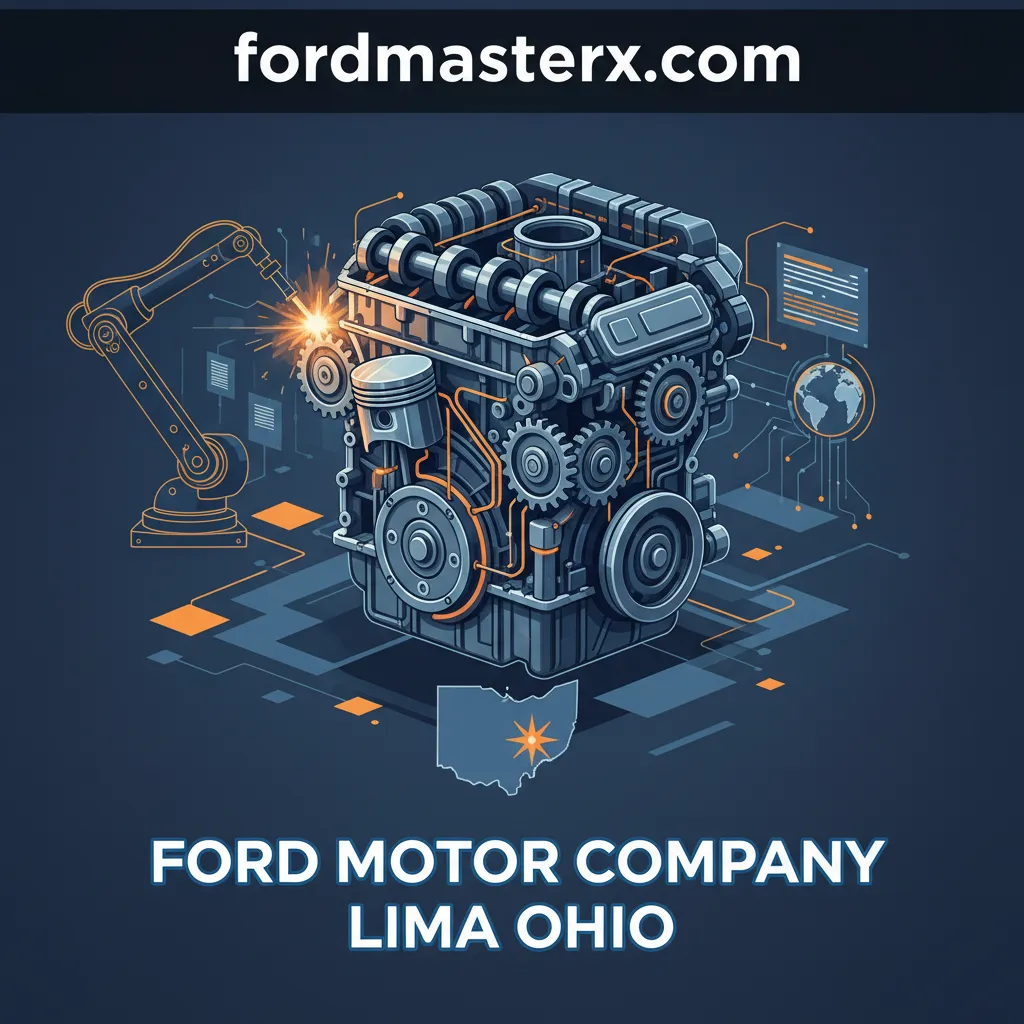
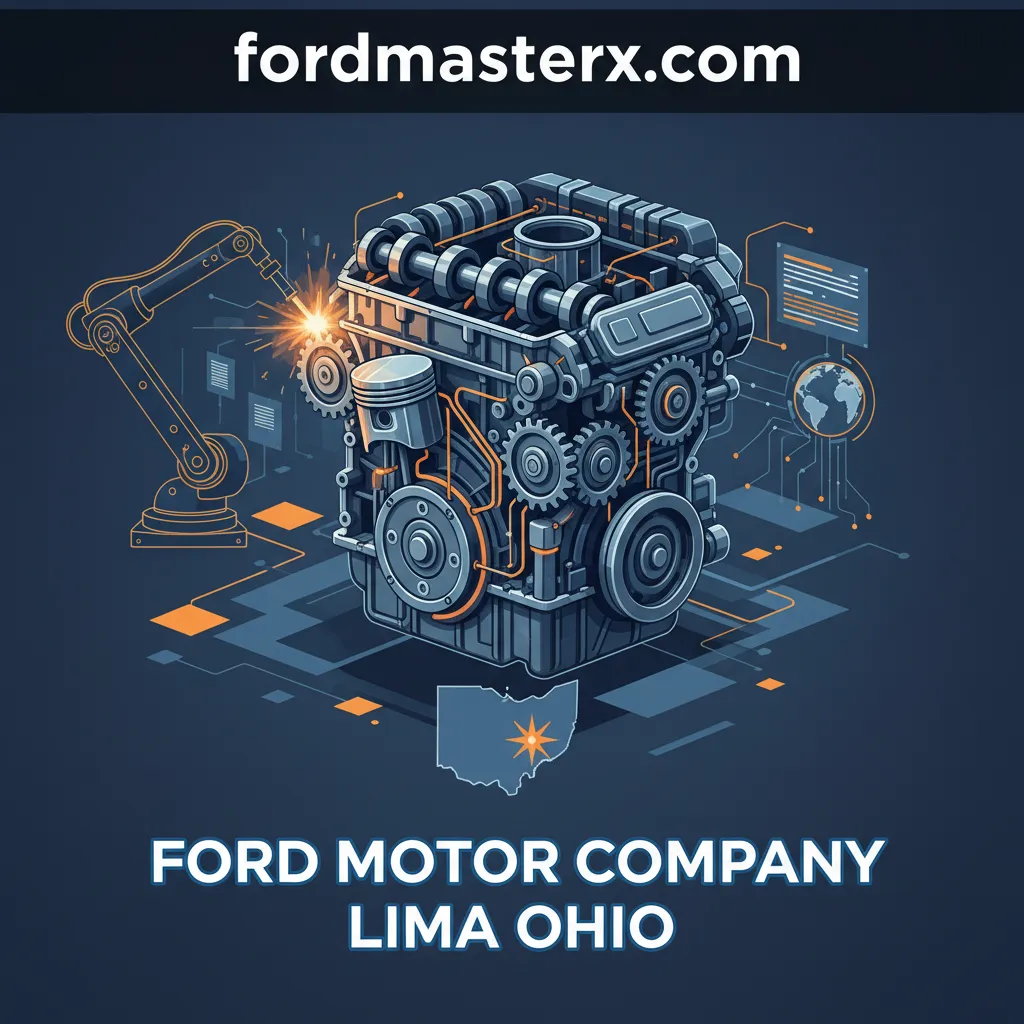
Ford Motor Company Lima Ohio: Advanced Engine Manufacturing And Powertrain Engineering

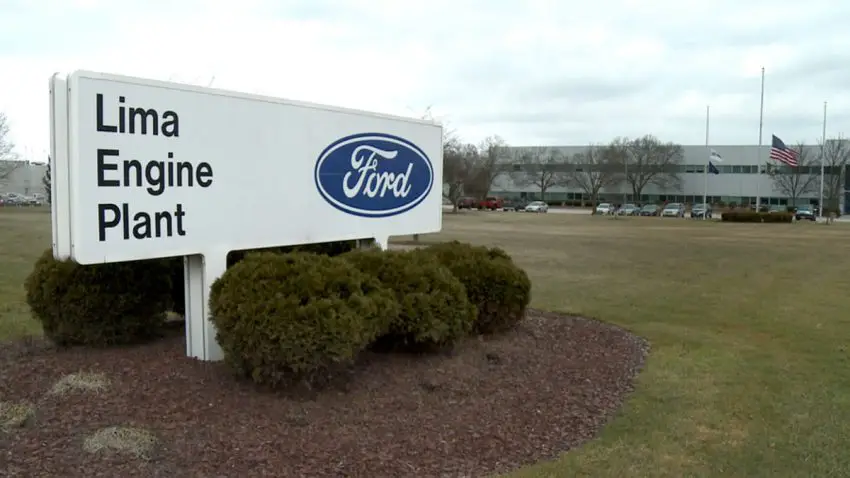
For over half a century, the Ford Motor Company Lima Ohio engine plant has stood as a bastion of American industrial might, powering millions of vehicles across the globe. In an era of rapid automotive transition, consumers and industry professionals require assurance that the engines under their hoods are built with the highest standards of reliability and technical expertise. This comprehensive overview explores the precision engineering, historical significance, and advanced manufacturing capabilities that make the Lima Engine Plant a cornerstone of Ford’s global powertrain success. By examining the facility’s evolution from mid-century mechanical assemblies to today’s digitally-driven EcoBoost production, we reveal why Lima remains a trusted name in the automotive sector.
Historical Legacy of the Ford Motor Company Lima Ohio Engine Plant
📤 Share Image
The inception of the Lima Engine Plant in 1957 marked a pivotal moment in Ford Motor Company’s post-war expansion. Originally designed to bolster the production of mid-to-large vehicle powertrains, the facility has undergone six decades of continuous evolution. From its early days, the plant established itself as a hub of reliable American manufacturing, strategically located in Allen County to leverage Ohio’s robust industrial supply chain. This location was not accidental; it placed Ford at the heart of the Midwest’s “Automotive Alley,” ensuring a steady flow of materials and a highly experienced workforce.
Over the years, the facility has grown from its original footprint into a massive 2.4 million square foot state-of-the-art operation. This expansion reflects more than just physical space; it represents a technological metamorphosis. In the 1960s and 70s, the plant was renowned for producing the 385-series V8 engines, including the legendary 429 and 460 cubic-inch powerplants that defined an era of American muscle and heavy-duty towing. As the industry shifted toward efficiency and emissions compliance, Lima led the transition from traditional carbureted engines to sophisticated fuel-injected systems and eventually the modern EcoBoost architecture.
The strategic importance of the Lima facility cannot be overstated. It serves as the primary source for engines powering Ford’s most profitable and iconic vehicles, including the F-150 and the Ford Explorer. By maintaining a focus on high-volume, high-complexity manufacturing, the plant has secured over 65 years of continuous operation—a rare feat in an industry characterized by volatility. This legacy of quality ensures that every engine leaving the line is backed by generations of automotive expertise.
Precision Engineering and Quality Control in Lima Powertrain Production
In the modern automotive landscape, quality is not merely a goal; it is a mathematical requirement. At the Lima Engine Plant, precision engineering is executed through a blend of advanced CNC machining and high-speed robotics. The facility utilizes hundreds of automated robots and precision measurement tools that operate with 99.9% accuracy ratings. Critical components, such as cylinder bores and crankshaft journals, are machined to tolerances measured in microns. This level of accuracy is essential for reducing internal friction, which directly improves engine longevity and fuel economy.
Automated Vision Systems
High-resolution cameras detect minute surface imperfections on engine blocks during the casting and finishing phases, preventing defects before assembly begins.
Quality 4.0 Analytics
Real-time data analytics monitor tool wear on the assembly line, allowing for predictive maintenance that ensures every cut is perfect.
The plant’s commitment to reliable performance is validated through rigorous testing protocols. Every engine undergoes a ‘Cold Test,’ where the unit is spun by an electric motor without fuel to check for proper torque, timing, and internal pressures. A subset of production also undergoes the ‘Hot Test,’ where engines are fired and run under their own power to verify thermal performance and electronic control unit (ECU) mapping. These certified processes adhere to ISO 9001 and IATF 16949 standards, positioning the facility as a trusted source for Ford’s global vehicle platforms.
In powertrain engineering, a deviation of even 10 microns can lead to premature bearing failure or excessive oil consumption. Lima’s strict adherence to quality control mitigates these risks, ensuring long-term vehicle reliability.
The Technical Expertise Behind the 3.3L Ti-VCT and EcoBoost Engines
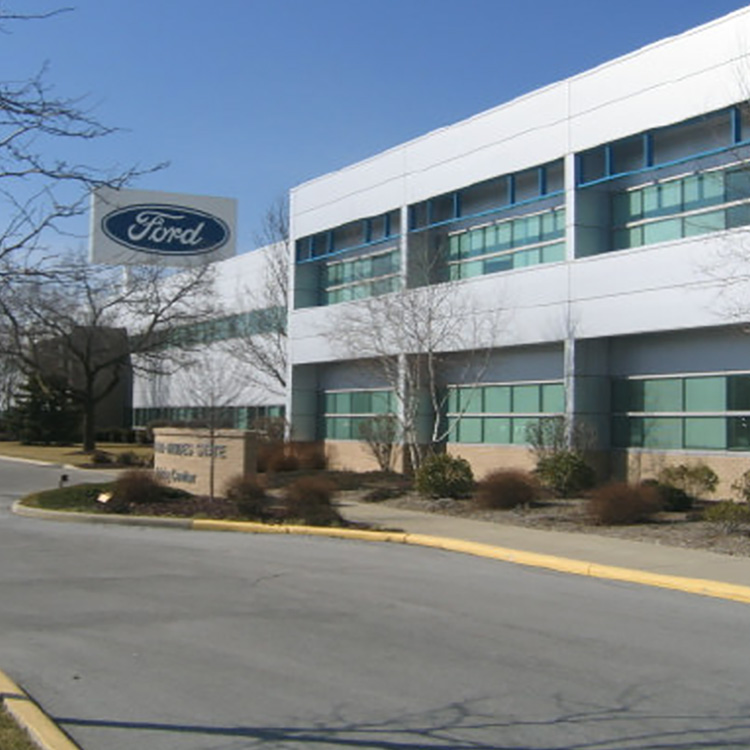
The Lima Engine Plant is currently the primary manufacturing site for some of Ford’s most technologically advanced engines. This includes the 3.3L Ti-VCT V6, a workhorse known for its durability in the Ford F-150 and the Police Interceptor Utility. This engine utilizes Twin Independent Variable Camshaft Timing (Ti-VCT) to optimize power and efficiency across the entire RPM range. Manufacturing this engine requires a deep understanding of complex valve-train synchronization and high-pressure fuel delivery systems.
Furthermore, Lima is the production home for the 2.7L and 3.0L Nano EcoBoost engines. These engines represent a significant leap in material science, utilizing Compacted Graphite Iron (CGI) for the engine blocks. CGI is significantly stronger and stiffer than traditional gray iron, allowing for a more compact and lightweight design without sacrificing the strength needed to handle high turbocharger boost pressures. This material expertise is a hallmark of the Lima plant, as machining CGI requires specialized tooling and licensed technical skills not found in standard engine plants.
📋
Engine Assembly Workflow
Precision machining of the CGI or aluminum blocks, including cylinder boring and deck surfacing to micron-level flatness.
Installation of the crankshaft, pistons, and dual-overhead-cam (DOHC) cylinder heads using computer-monitored torque fasteners.
Final integration of twin turbochargers, direct-injection fuel rails, and the electronic wiring harness.
The results of this technical expertise are evident in vehicles like the Ford Explorer ST and Lincoln Aviator. These models rely on the Lima-built 3.0L EcoBoost to deliver high-performance luxury power, achieving a balance between high-torque output for towing and fuel efficiency that meets modern emissions standards. By producing engines that are both affordable to maintain and powerful to drive, Lima sustains Ford’s competitive edge.
Economic Impact and Experienced Workforce of Allen County
The Ford Lima Engine Plant is more than a collection of machines; it is the heartbeat of the Allen County economy. The facility employs approximately 1,500 people, many of whom are second or third-generation Ford employees. This creates a deeply experienced culture of skilled craftsmanship. The symbiotic relationship between Ford and UAW Local 1219 has fostered a work environment focused on safety, continuous improvement, and technical proficiency.
By The Numbers
Total Reinvestment (Last Decade)
Skilled Employees
EcoBoost Line Upgrade
Ford’s commitment to the region is showcased through massive investment strategies. Over the last decade, the plant has received over $1 billion in total reinvestment, including a specific $500 million upgrade to support the EcoBoost engine lines. This capital injection ensures that the facility remains competitive on a global scale. Furthermore, Ford partners with local technical colleges to create a pipeline of skilled industrial maintenance technicians and engineers, ensuring the workforce remains certified in the latest manufacturing technologies.
The longevity of a manufacturing plant is tied directly to the skill of its workforce. Lima’s 1,500 employees represent a collective “institutional knowledge” that allows Ford to solve complex production issues faster than newer, less experienced facilities.
Environmental Stewardship and the Future of Manufacturing in Ohio
As the automotive industry pivots toward sustainability, the Lima Engine Plant is leading the charge in environmental stewardship. Ford has implemented a ‘Landfill-Free’ initiative at the site, successfully diverting the vast majority of operational waste away from local landfills. A critical component of this is the recycling system that captures nearly 100% of aluminum and iron shavings from the engine boring and machining processes. These materials are processed and sent back to foundries to be reused in new castings, creating a circular economy within the manufacturing process.
Energy efficiency upgrades have also been a priority. The plant has transitioned to LED lighting and high-efficiency HVAC systems across the 2.4 million square foot shop floor, drastically reducing the facility’s carbon footprint. These efforts align with Ford’s broader goal of achieving carbon neutrality by 2050. Furthermore, the expertise developed in Lima today is future-proofing the facility for potential integration into Ford’s electric vehicle (EV) supply chain. As market demands shift, the plant’s flexible manufacturing layout and experienced engineering team are prepared to adapt to the next generation of reliable powertrains.
The Lima Engine Plant remains a vital hub for Ford’s most advanced V6 and EcoBoost powertrain technologies. Decades of experience and a highly skilled workforce ensure that every engine meets world-class quality and reliability standards. Ongoing investment and environmental stewardship position the Lima facility as a leader in future-ready automotive manufacturing. To learn more about Ford’s manufacturing excellence or to explore current vehicle models featuring Lima-built engines, visit your local Ford authorized dealer or the official Ford corporate newsroom.
Frequently Asked Questions
What specific engines are currently manufactured at the Ford Lima plant?
The Lima Engine Plant is primarily responsible for producing the 3.3L Ti-VCT V6 engine and the 2.7L and 3.0L Nano EcoBoost engines. These powerplants are used in high-demand vehicles like the Ford F-150, Ford Explorer, and several Lincoln models, showcasing the plant’s versatility in producing both naturally aspirated and turbocharged systems.
How many people does Ford Motor Company employ in Lima, Ohio?
As of recent data, the Lima Engine Plant employs approximately 1,500 skilled workers. The majority of these employees are represented by UAW Local 1219. This workforce is renowned for its deep expertise and commitment to quality, contributing significantly to the regional economy in Allen County and the surrounding areas.
When was the Ford Lima Engine Plant established?
The facility opened its doors in 1957. Since then, it has undergone numerous expansions and technological upgrades to remain at the forefront of automotive manufacturing. Its longevity is a testament to the trusted quality and reliability of the components produced within its walls for over 65 years.
Does the Lima plant focus on sustainable manufacturing?
Yes, the Lima facility is part of Ford’s global commitment to sustainability. Key initiatives include ‘zero waste to landfill’ programs, recycling nearly all metal scrap from the machining processes, and implementing energy-efficient systems throughout the 2.4 million square foot facility to reduce its total carbon footprint.
How does the plant ensure the quality of its engines?
Quality is ensured through a combination of highly experienced personnel and cutting-edge technology. This includes cold-testing engines on the assembly line to check for mechanical integrity without ignition, automated vision systems for defect detection, and rigorous metallurgical analysis to ensure the durability of engine blocks and components.