Ford Focus Fuse Box Location: Complete Guide

Identifying a blown fuse in a Ford Focus is often the difference between a five-minute DIY fix and a costly, unnecessary trip to the dealership. When your 12V power outlet stops charging or your windshield wipers freeze mid-cycle, the solution is rarely a mechanical failure; it is a sacrificial link designed to protect your vehicle’s complex electrical architecture. However, Ford has moved these critical components across various generations, often tucking them behind hidden panels or under-dash shrouds that aren’t immediately obvious. This guide provides the definitive technical roadmap to every Ford Focus fuse box location, ensuring you can restore functionality to your vehicle with precision and confidence.
Overview: Locating Fuse Boxes Across Generations
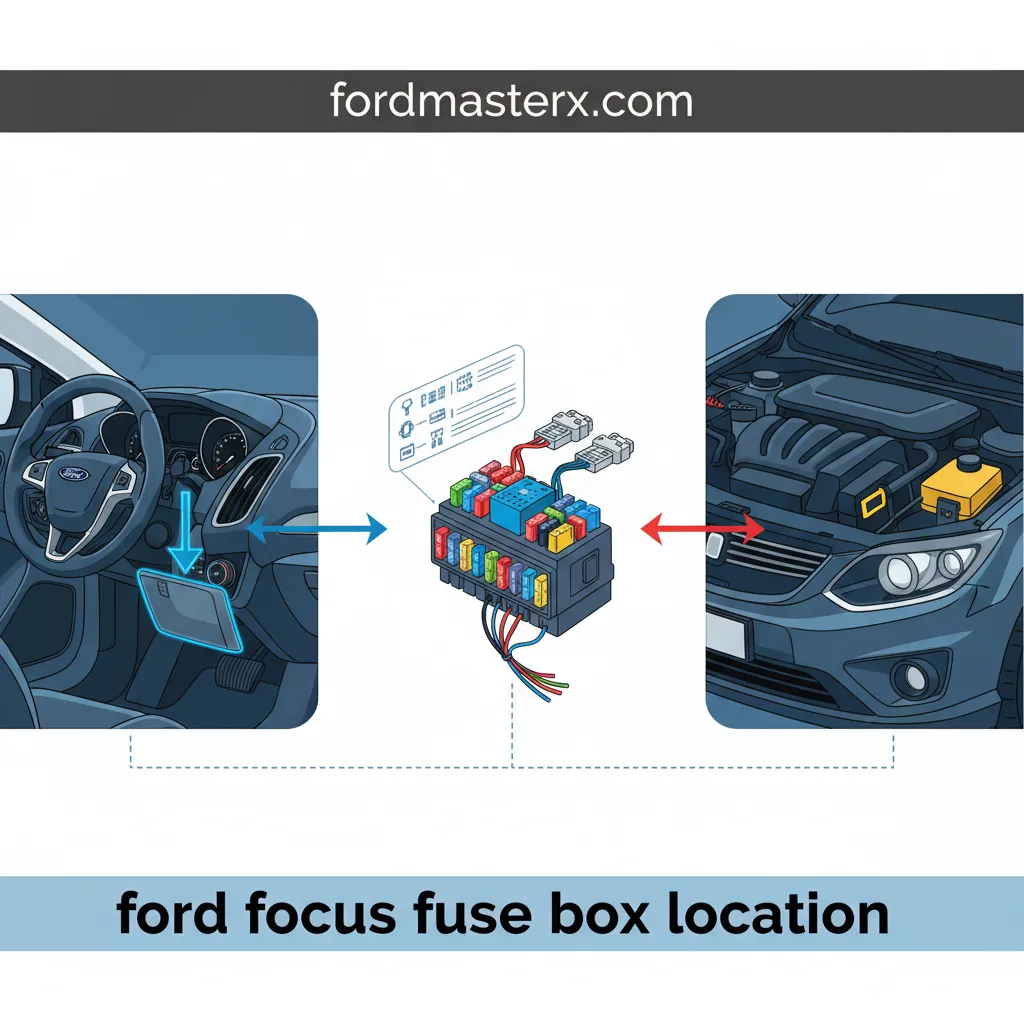
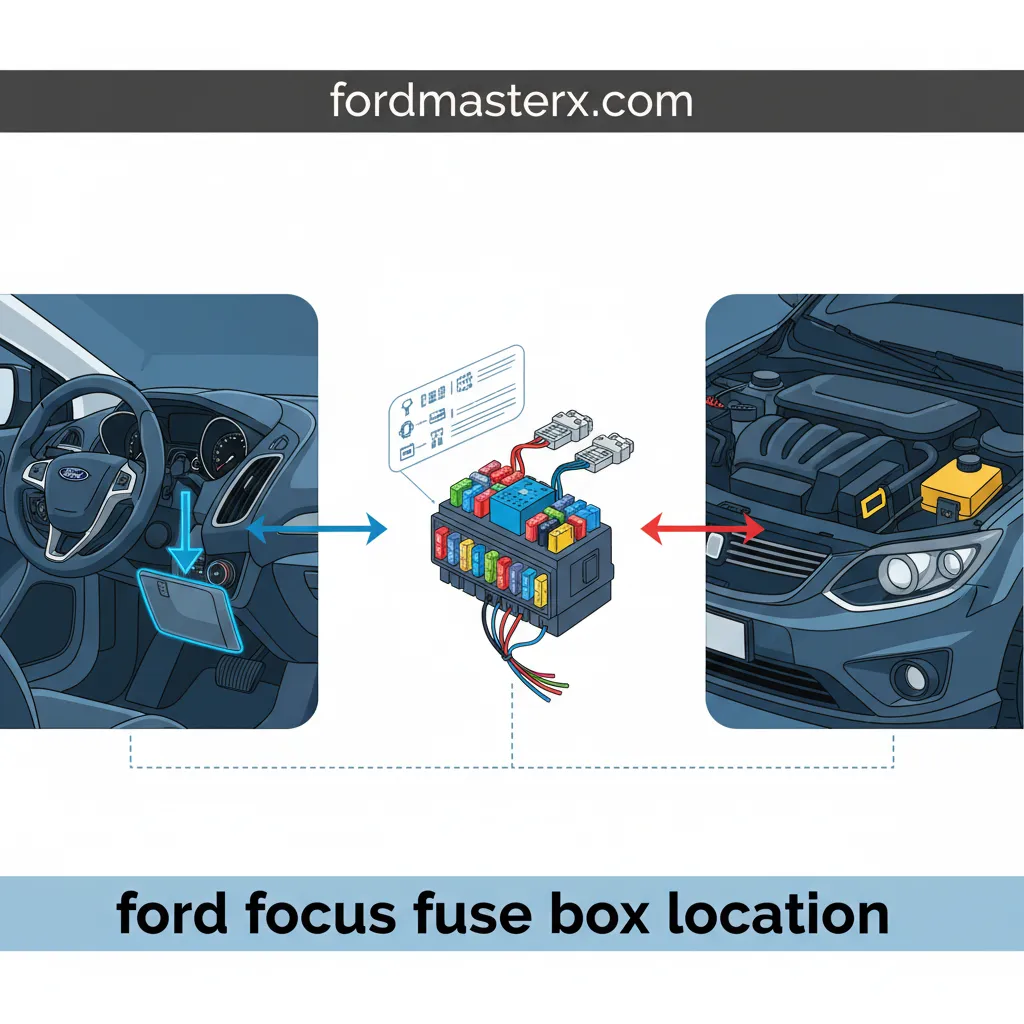
The Ford Focus has evolved through four distinct generations, and with each iteration, the electrical complexity has increased. As a result, the distribution of fuses has shifted from a centralized location to a decentralized network. Finding the accessible panel depends entirely on your model year. Knowing where these are available is the first step in effective troubleshooting.
📤 Share Image
1. The Engine Compartment Fuse Box (All Models)
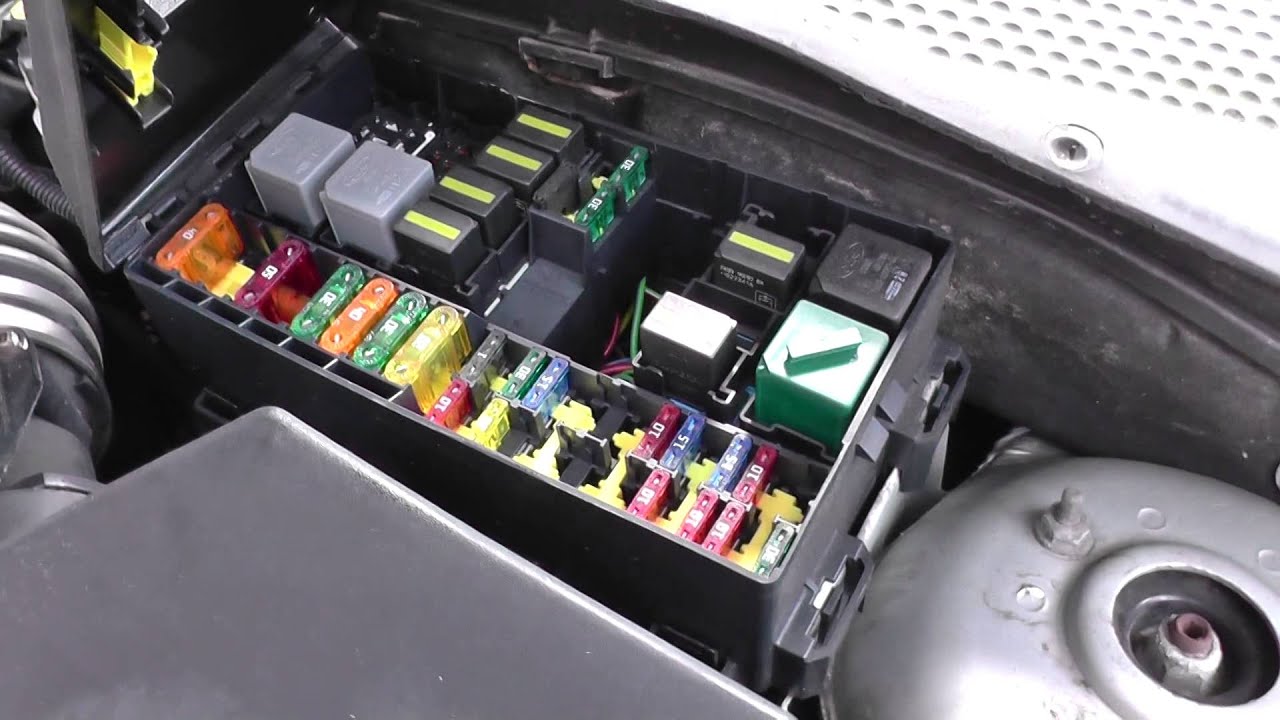
This is the primary power distribution center for the entire vehicle. It is convenient to find, usually located on the driver’s side of the engine bay. This box houses high-amperage fuses and relays for critical systems such as the cooling fan, ABS pump, fuel pump, and the PCM (Powertrain Control Module). In the Mk3 (2011–2018), this box is nearby the battery box and features a quick-release plastic cover.
2. The Passenger Compartment Fuse Box
This panel controls the creature comforts of your Focus. In Mk1 and Mk2 models, you will find this location behind a removable panel on the driver’s side dashboard or below the steering column. However, in Mk3 and Mk4 models, Ford transitioned this to the passenger footwell. It is tucked accessible behind a felt-lined panel underneath the glovebox. Accessing this requires removing two plastic “thumb screws” or clips that hold the fabric liner in place.
3. The Luggage Compartment (Trunk) Fuse Box
Introduced in later generations (Mk3 onwards), this auxiliary panel is serving systems like the parking sensors, rearview camera, and high-intensity discharge (HID) lighting. It is typically hidden behind the left-hand or right-hand side trim panel in the trunk. For hatchback owners, this is a trusted local spot to check when rear-end electronics fail.
Key Benefits of Knowing Your Fuse Box Locations
Understanding the electrical layout of your vehicle provides more than just a quick fix; it offers peace of mind and substantial financial savings. In the community of DIY enthusiasts and professional mechanics, the ability to pinpoint an electrical fault quickly is a highly valued skill.
Cost Mitigation
Replacing a fuse costs pennies. A shop diagnostic fee can range from $100 to $200 before any work is actually performed. DIY knowledge keeps your wallet full.
Rapid Diagnostics
Whether you are at home or on a road trip, being able to quickly check a nearby fuse box allows you to get back on the road in minutes rather than waiting for a tow.
Safety and Protection
Fuses are safety devices. By knowing how to inspect them, you can identify if a circuit is overloaded, preventing potential electrical fires or damage to the main ECU.
How It Works: Anatomy of a Fuse Circuit
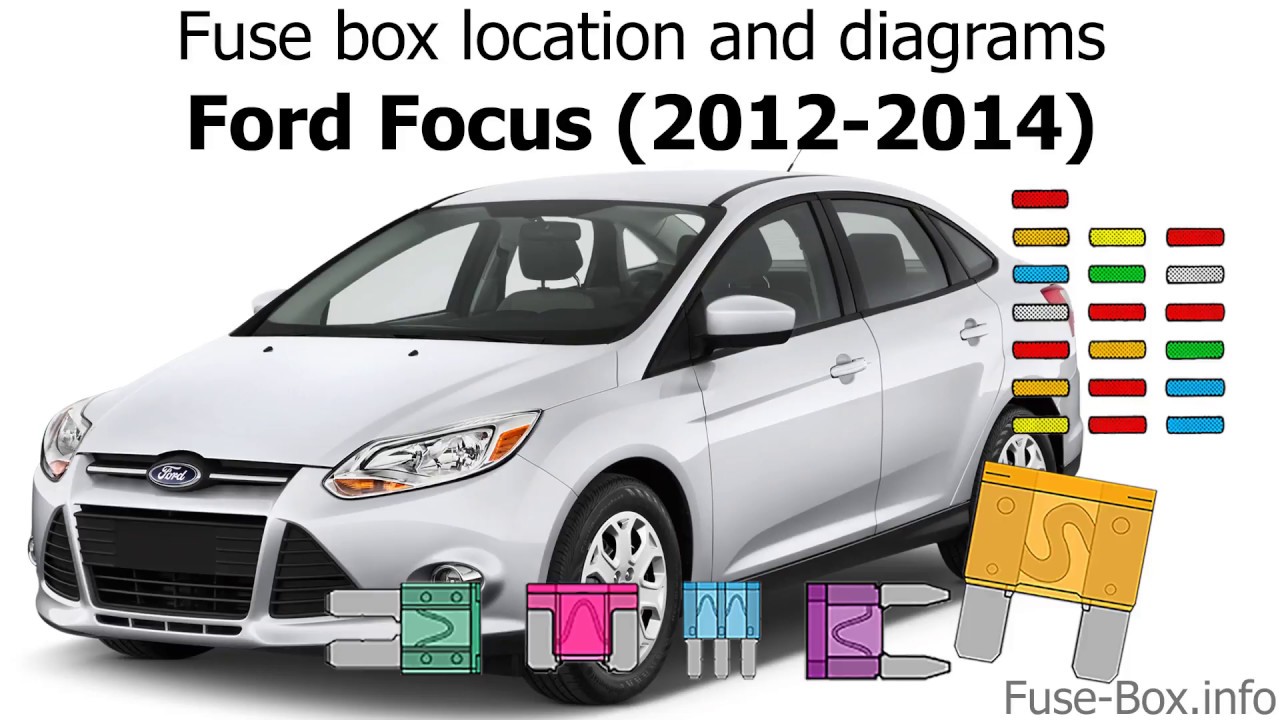
The Ford Focus utilizes “Mini” and “Micro” blade-style fuses. Each fuse contains a calibrated metal wire that melts when the current (Amperage) exceeds the rating of the fuse. This “breaks” the circuit, stopping the flow of electricity before heat can damage the wiring harness or sensitive modules.
Understanding Amperage Ratings
Ford uses a standardized color-coding system to help owners identify the correct fuse rating at a glance. It is imperative that you never replace a fuse with one of a higher rating. For example, replacing a 10A (Red) fuse with a 20A (Yellow) fuse allows double the intended current to flow, which could literally melt the wires accessible behind your dashboard.
- Tan/Brown: 5 Amps – Low-draw sensors and modules.
- Red: 10 Amps – Airbags, clusters, and engine control.
- Blue: 15 Amps – Fuel pump, cigar lighter (sometimes).
- Yellow: 20 Amps – Power windows, wipers, and sun roofs.
- Clear/White: 25 Amps – High-draw heating and cooling elements.
- Green: 30 Amps – Main power windows or seat adjustment motors.
Sometimes a fuse looks intact but has a hairline fracture that only fails under load. Always use a multimeter set to “Continuity” mode or a dedicated fuse tester to be 100% certain the circuit is complete. If the tester doesn’t beep, the fuse is dead, regardless of its appearance.
Getting Started: How to Replace Your Ford Focus Fuse
Before you begin, ensure the ignition is completely off and you have parked the vehicle in a safe, well-lit location. Working on a live electrical system can cause short circuits that damage your vehicle’s computers.
📋
Step-by-Step Guide
Consult your owner’s manual or the diagram printed on the underside of the fuse box cover. In modern Focus models, you might need a digital diagram if the print is faded. Look for symbols like a “music note” for the radio or an “electric plug” for the 12V outlet.
For the passenger panel, unclip the fabric shield. For the engine panel, depress the plastic tabs and lift. A fuse puller tool (usually a small white plastic tweezer) is often available inside the engine compartment fuse box. Use this to pull the suspected fuse straight out.
Inspect the metal “U” shape inside the fuse. If it is broken or there is a black scorch mark, replace it with a fuse of the exact same amperage. Push the new fuse firmly into the slot until it is flush with the others.
If a new fuse blows immediately after installation, you have a hard short in that circuit. Repeatedly replacing the fuse will not fix the issue and could lead to heat damage. In this scenario, professional electrical diagnosis is required to trace the shorted wire or faulty component.
Pros and Cons of DIY Fuse Replacement
✅ Pros
- Immediate resolution for simple failures
- Significant cost savings vs. labor rates
- No specialized heavy tools required
- Increases personal vehicle knowledge
❌ Cons
- Awkward physical access (Passenger footwell)
- Risk of accidental ECU damage if incorrect fuse used
- Does not solve the root cause of short circuits
Common Pitfalls and Professional Insights
Through years of servicing Ford Focus units, I have observed that the Passenger Compartment Fuse Box in the Mk3 is the most common source of frustration. Many owners look for it behind the glovebox interior, when in reality, it is conveniently reached from underneath the glovebox. You must lie on the floor of the passenger side and look up into the dashboard’s underside.
Furthermore, if your car won’t start and you suspect a fuse, check nearby the battery in the engine box for “J-Case” fuses. These are large, square fuses with clear lids. They control high-load items like the starter motor and ignition relay. These cannot be pulled with standard tweezers; you often need a pair of needle-nose pliers to extract them carefully.
By The Numbers
Avg. Fuse Cost
Total Fuses (Mk4)
DIY Diagnostic Time
Conclusion: Mastery Over Your Electrical System
Mastering the Ford Focus fuse box location and replacement process is an essential skill for any owner. By understanding the three-panel layout of modern Focus models and identifying the color-coded amperage ratings, you can efficiently troubleshoot electrical gremlins that would otherwise sideline your vehicle. Remember these key points: always check the engine box for power issues, the passenger footwell for interior comforts, and the trunk for auxiliary sensors. Use a multimeter for verification, and never exceed the factory-specified amperage. If you have confirmed a blown fuse and the replacement holds, you have successfully saved yourself time and money while gaining a deeper understanding of your vehicle’s infrastructure.
Next Step: Open your glovebox and locate your owner’s manual now. Familiarize yourself with the diagram for your specific model year so that when an electrical issue arises, you are ready to act immediately.