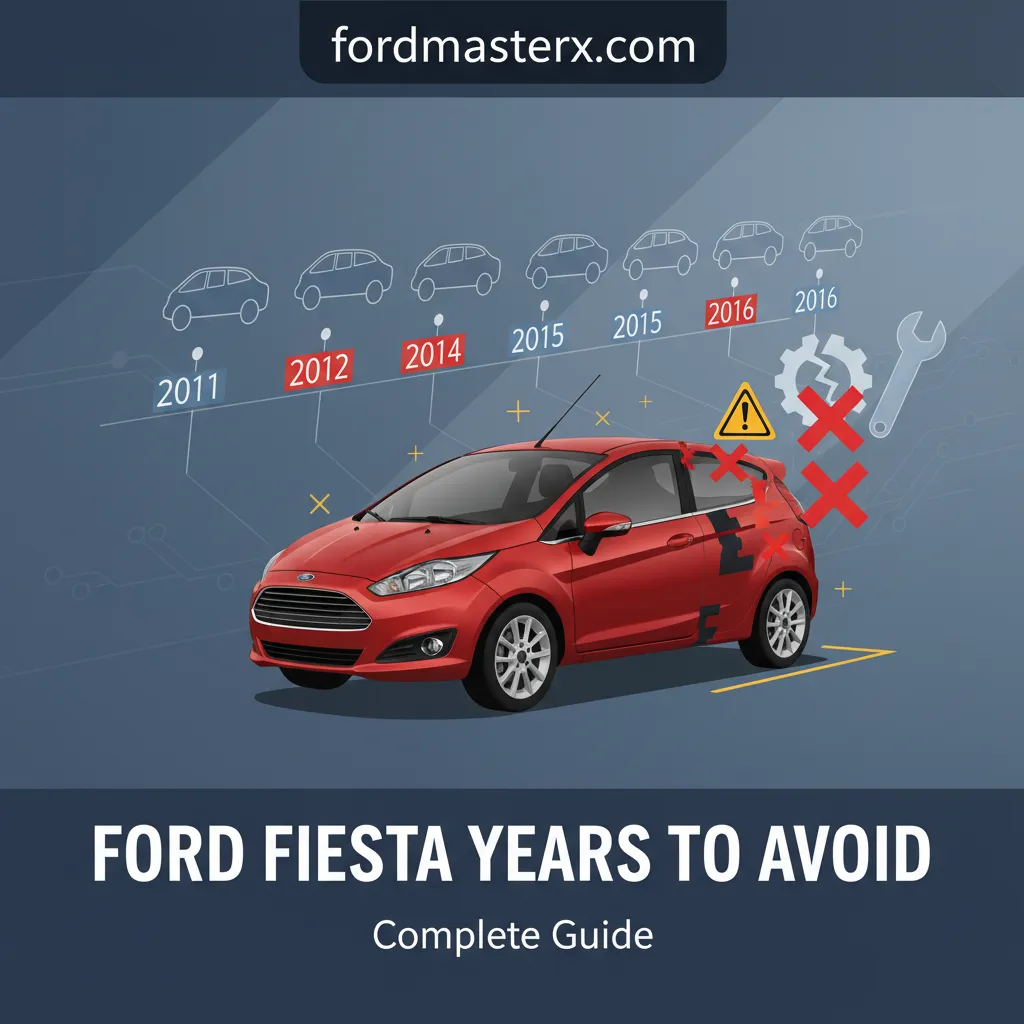
Ford Fiesta Years To Avoid: Complete Guide

Buying a used Ford Fiesta can be a masterclass in urban efficiency or a rapid descent into mechanical purgatory, depending entirely on the production year. While the Fiesta earned its reputation as a global icon for nimble handling and impressive fuel economy, certain model years—specifically within the sixth generation—suffered from catastrophic transmission failures and chronic electrical gremlins that often exceed the vehicle’s residual value in repair costs. Navigating the used market requires more than just a cursory glance at the odometer; it demands a nuanced understanding of Ford’s engineering history. This comprehensive guide provides the expert insight needed to identify the reliable gems and avoid the “lemon” years that have plagued trusted dealerships and private buyers alike for over a decade.
Overview: The Rise and Fall of the Fiesta
📤 Share Image
The Ford Fiesta’s tenure in the North American market, specifically the 2011–2019 run, represents a polarized era for Ford. On one hand, the chassis tuning and 1.6L Ti-VCT engine offered a level of driving engagement rarely found in the subcompact segment. On the other hand, the introduction of the DPS6 PowerShift transmission—a dry dual-clutch system—became one of the most significant engineering missteps in modern automotive history. This complete guide focuses on why these specific years became a liability for professional fleet managers and individual owners.
When analyzing the Fiesta, we must categorize it into two distinct personas: the “Automatic Liability” and the “Manual Marvel.” The 2011 model year marked the return of the Fiesta to North America, but it arrived with a flawed transmission architecture designed for fuel efficiency that failed to handle real-world stop-and-go traffic. By 2014, Ford attempted multiple hardware and software revisions, but the core issues persisted until the model was phased out in 2019.
By The Numbers
Vehicles Affected by DPS6
Legal Settlements Paid
Fiesta ST Reliability Rating
Key Benefits of Choosing the Right Year
Understanding which years to avoid isn’t just about avoiding a mechanic; it’s about maximizing the inherent value of the Fiesta platform. When you bypass the problematic years, you unlock a vehicle that offers several professional advantages:
Superior Fuel Efficiency
The 1.6L engine in the 2017-2019 models provides a reliable 30+ MPG combined without the risk of transmission failure.
Low Maintenance Costs
Manual transmission Fiestas are among the simplest and cheapest cars to maintain on the road today.
Performance Retention
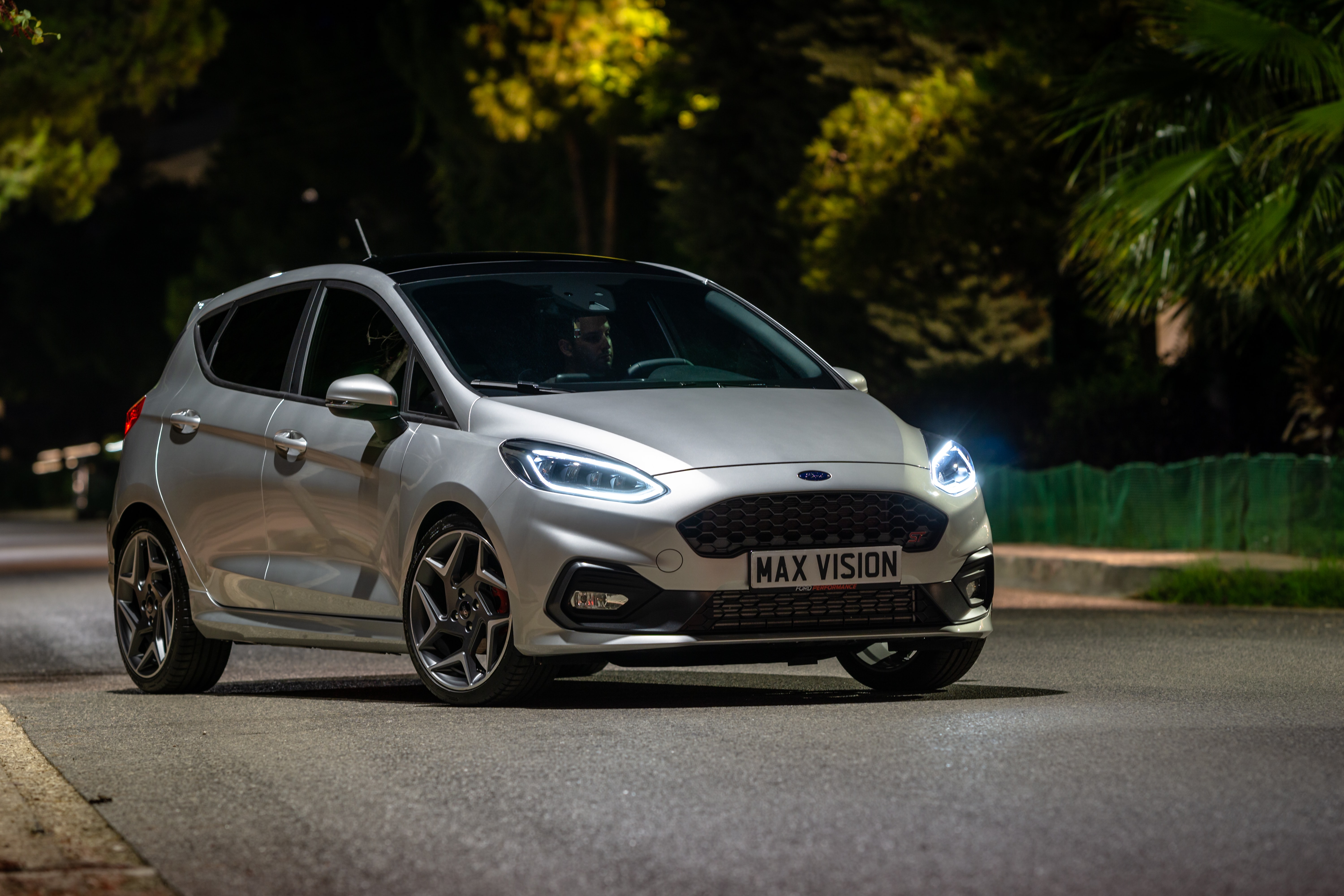
The Fiesta ST (2014-2019) maintains high resale value due to its expert chassis tuning and trusted manual gearbox.

How It Works: The Transmission Crisis Explained
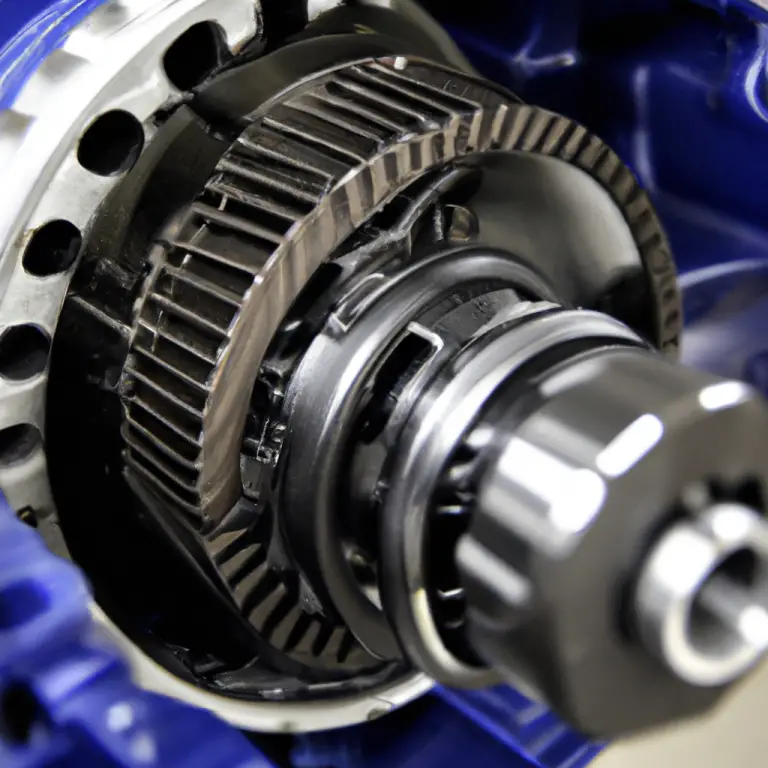
To understand why the 2011–2016 Fiestas are quality risks, we must look at the mechanics of the DPS6 PowerShift transmission. Unlike a traditional automatic that uses a torque converter and hydraulic fluid to dampen shifts, the DPS6 uses dry clutches controlled by electric motors. This design was intended to mimic the efficiency of a manual transmission but in an automated package.
The Fatal Flaws of the DPS6
The primary failure point is the Transmission Control Module (TCM) and the clutch seals. In the “years to avoid,” the input shaft seals frequently leaked transmission fluid onto the dry clutches. This caused the infamous “clutch shudder”—a violent vibration during acceleration that mimics driving over rumble strips.
Failed TCMs in 2011–2016 models can cause the vehicle to unexpectedly shift into neutral while driving at highway speeds or fail to start entirely. This is a critical safety concern for any prospective buyer.
Reliability Evolution (2017-2019)
By 2017, Ford had implemented the final hardware revision for the DPS6. While still not as smooth as a traditional automatic, these later years exhibit a significantly lower failure rate. However, industry experts still recommend a rigorous test drive to check for any hesitation or grinding noises. If you find a 2017–2019 model that has been serviced regularly, it can be a reliable daily driver.
Getting Started: The Buyer’s Selection Process
If you are in the market for a Ford Fiesta, following a professional vetting process is essential. You must differentiate between a “deal” and a “debt trap.” Use this expert guide to ensure your purchase is a sound investment.
📋
Step-by-Step Inspection Guide
Check for open recalls related to the “14M01” (TCM) and “14M02” (Clutch) extended warranties. If the vehicle hasn’t had the latest TCM software update, negotiate the price or walk away.
Drive the car at 5-15 MPH in stop-and-go conditions. This is where the DPS6 fails most visibly. Any shuddering, “hunting” for gears, or metallic clunking indicates a failing clutch pack.
Check the degas bottle (coolant reservoir) for cracks. Early Fiestas were prone to overheating due to brittle plastic fittings, which can lead to warped cylinder heads.
The “Golden Unicorn”: Why the Manual is Better
The single best way to avoid Fiesta problems is to select a model with a 5-speed manual transmission. The manual gearbox in the Fiesta is essentially bulletproof. It transforms the car from a quality concern into one of the most reliable used vehicles in the subcompact market. Even the 2011-2013 models, which are generally avoided, are perfectly safe and trusted options if they have a manual stick.
✅ Pros (Manual/2017+)
- Exceptional steering feel and agility
- Predictable maintenance schedule
- Strong aftermarket part support
- Class-leading highway fuel economy
❌ Cons (Auto/2011-2016)
- Unpredictable transmission failure
- Expensive TCM replacements ($1,500+)
- Poor resale value for automatics
- Occasional water leaks in hatchback
If you have the budget, the Fiesta ST (Hot Hatch) only comes in a manual transmission and features a more robust 1.6L EcoBoost engine. It is widely considered by industry experts as one of the best value-per-dollar performance cars ever made, regardless of the year.
Secondary Issues: Door Latches and Electronics
Beyond the transmission, buyers should be aware of the 2011–2014 door latch recall. In these years, the pawl spring inside the door latch could break, preventing the door from staying closed. While most have been fixed under recall, always check the VIN on the NHTSA website. Additionally, the early SYNC infotainment systems are prone to freezing; however, this is a minor inconvenience compared to mechanical failures.
The 2011–2016 Ford Fiesta is a case study in how a single component can tarnish a vehicle’s legacy. By following this complete guide, you can bypass the engineering pitfalls of the early PowerShift models. Whether you choose a late-model 2018 automatic or any year of the legendary Fiesta ST, your focus should remain on quality documentation and mechanical transparency.
Summary and Final Recommendations
In summary, the Ford Fiesta remains a trusted choice for those who value driving dynamics and economy, provided you avoid the specific years identified. Reliable ownership is entirely possible if you stick to the 2017–2019 window or opt for a manual gearbox across any year. Remember these three pillars of Fiesta buying: Avoid the early DPS6, verify the TCM service history, and prioritize the ST or manual variants for long-term peace of mind. Your next step should be a professional pre-purchase inspection (PPI) to confirm the health of the clutch packs before signing any paperwork.
- Avoid: 2011, 2012, 2013, 2014, and 2015 automatics.
- Target: 2017–2019 models with documented service or any manual-equipped Fiesta.
- Action: Run a full VIN check for transmission-related TSBs and recall compliance.