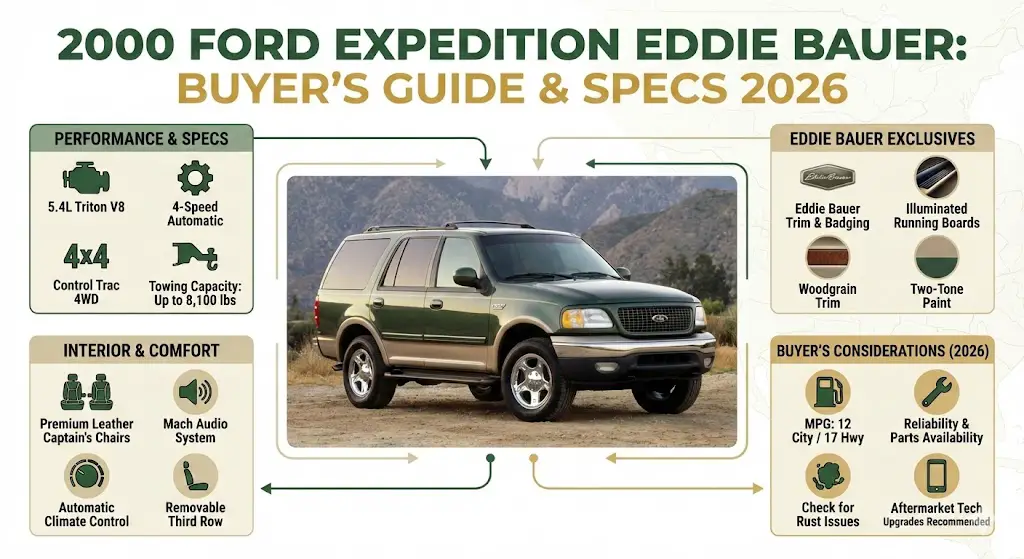
2000 Ford Expedition Eddie Bauer: Specs & Buyer’s Guide 2026

The turn of the millennium represented a defining era for the American sport utility vehicle. Driven by a booming economy and a shift in consumer preferences from traditional station wagons to commanding, truck-based family haulers, the full-size SUV segment experienced unprecedented growth. At the forefront of this movement was the first-generation Ford Expedition. Developed under the internal program code UN93 at a cost of $1.3 billion, the Expedition was officially launched in the 1997 model year to replace the aging, two-door Ford Bronco.
By the 2000 model year, the Expedition had matured into a highly refined platform, built alongside the F-150 on Ford’s PN96 architecture. The 2000 Ford Expedition Eddie Bauer stood as the pinnacle of this lineup, offering a masterclass in packaging, engineering, and co-branded luxury that fell just short of the mechanically identical Lincoln Navigator. This comprehensive engineering and market analysis explores the powertrain dynamics, ControlTrac four-wheel-drive system, towing capabilities, interior ergonomics, and documented long-term reliability profile of the 2000 Ford Expedition Eddie Bauer.
2000 Ford Expedition
Eddie Bauer Edition
A data-driven deep dive into the SUV that defined millennial luxury. Analyzing specs, reliability, and market value for the modern enthusiast.
The Apex of Y2K Utility
The 2000 Ford Expedition Eddie Bauer wasn’t just a truck; it was a status symbol. Built on the robust F-150 chassis, it offered a unique blend of rugged capability and “country club” comfort. With its two-tone paint, premium leather, and Mach audio system, it set the standard for the full-size SUV segment.
However, owning a 25-year-old luxury truck comes with caveats. Below, we visualize the raw data defining its performance, utility, and common mechanical pitfalls to help you decide if this classic hauler belongs in your driveway.
Triton V8 Showdown
The 2000 model year offered two distinct Triton V8 flavors. While the standard 4.6L was adequate for daily driving, the 5.4L was the critical choice for towing heavy loads, offering significantly more torque at lower RPMs.
Always verify the VIN. The ‘L’ engine code indicates the desirable 5.4L V8, while ‘W’ indicates the 4.6L.
Comparison of Horsepower and Torque (lb-ft)
Capability & Cargo Metrics
The Expedition’s main selling point was its ability to perform as a workhorse. The towing capacity of the 2WD 5.4L variant remains competitive even by modern standards.
Space Utilization: Even with the third row deployed, the Expedition offers usable grocery space. Fold it down, and you have van-like utility.
EPA Estimated Miles Per Gallon (Year 2000 Standards)
The Cost of Power
Efficiency was not a primary design constraint in the late 90s. The 4-speed automatic transmission and heavy steel body result in frequent stops at the pump.
- ⚠ Real-world city driving often dips below 12 MPG.
- ⚠ The 26-gallon fuel tank costs roughly $80-$100 to fill at current prices.
- ✔ Both engines run safely on 87 Octane regular unleaded.
Common Failure Points Analysis
While the powertrain is generally bulletproof (capable of 300k+ miles), specific ancillary systems are prone to failure. This breakdown helps you budget for immediate repairs.
Air Suspension Sag
The rear air bags eventually leak, causing the “squat.” Many owners convert to standard coil springs for reliability.
Spark Plug Ejection
A known issue on early 5.4L Triton engines. The threads in the head can fail, launching a plug. Requires a Heli-Coil fix.
Ignition Coils (COP)
Moisture intrusion can cause misfires. Often misdiagnosed as transmission shudder.
Current Market Value
Values have bottomed out and clean examples are slightly appreciating as “Radwood” era classics.
Buyer’s Checklist
The Eddie Bauer Legacy: Co-Branding and Exterior Aesthetics
The integration of the Eddie Bauer outdoor lifestyle brand into Ford's vehicle lineup remains one of the most commercially successful co-branding exercises in modern automotive history. The strategic partnership began in 1984 with the Ford Bronco, leveraging the synergism of two trusted American brands to pair Ford's rugged, body-on-frame utility with Eddie Bauer's premium, outdoor-oriented aesthetic. By the time the 2000 Expedition rolled off the assembly line at the Michigan Assembly Plant, the Eddie Bauer trim level had become a cultural status symbol synonymous with affluent suburban life.
The exterior of the 2000 Eddie Bauer edition is immediately distinguished by its signature two-tone paint scheme. The lower body cladding, wheel arches, front bumper, and standard illuminated running boards were uniformly finished in Harvest Gold Metallic or Arizona Beige Metallic. This provided a striking, elegant contrast to the primary body colors available for the model year. Furthermore, the Eddie Bauer trim featured standard fog lamps embedded in the color-keyed front bumper and 17-inch 10-spoke cast-aluminum wheels wrapped in P265/70R17 outlined white letter (OWL) all-terrain tires.
| Primary Exterior Color | Ford Color Code | Secondary Cladding Color |
| Deep Navy Blue Pearl Metallic | K4 / 6820 | Harvest Gold / Arizona Beige |
| Spruce Green Metallic | FV / 6873 | Harvest Gold / Arizona Beige |
| Dark Toreador Red Metallic | JM / 6982 | Harvest Gold / Arizona Beige |
| Black / Ebony | UD / 6877 | Harvest Gold / Arizona Beige |
| Oxford White | Z1 | Harvest Gold / Arizona Beige |
Interior Architecture, Ergonomics, and Technology
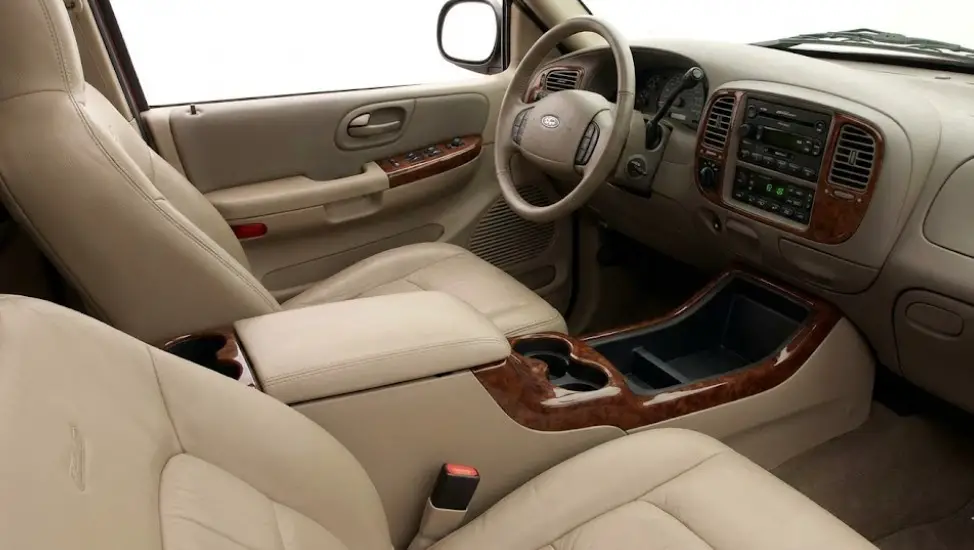
The cabin of the Eddie Bauer edition was a study in late-1990s domestic luxury, utilizing sweeping dashboard lines, extensive soft-touch materials, and simulated woodgrain trim. The interior volume was immense, dictated by the vehicle's 119.1-inch wheelbase, 204.6-inch overall length, and 78.6-inch width.
Seating configurations were highly adaptable. The 2000 model year saw the introduction of optional second-row captain's chairs, replacing the standard split-bench and reducing the total seating capacity from eight to seven passengers for those prioritizing second-row comfort. The front row featured power-adjustable, heated captain's chairs wrapped in premium Medium Parchment (tan) or Medium Graphite (gray) leather. The driver's seat integrated a memory package that synced with the exterior power mirrors, while a notable ergonomic upgrade for the 2000 model year was the standardization of power-adjustable pedals. This feature allowed drivers to electronically move the brake and accelerator pedals over a three-inch range, accommodating individuals of varying statures without compromising safe airbag distance.
The third-row seating consisted of a fold/flip/stow bench equipped with integrated rollers. Because the rear suspension geometry intruded into the floorpan, the third row did not fold perfectly flat into the floor; instead, owners had to manually unlock and roll the heavy bench out of the vehicle to achieve the maximum 118.3 cubic feet of rear cargo space.
From a technology standpoint, Ford equipped the Eddie Bauer with cutting-edge electronics for the era. The standard MACH Audio System delivered 290 watts of peak power through seven speakers, featuring a dash-mounted cassette player, speed-sensitive volume control, and a center-console-mounted 6-disc CD changer. The front cabin utilized a digital automatic climate control interface that displayed the ambient exterior temperature, while rear passengers had access to an independent analog control cluster mounted in the headliner. Additionally, an overhead console housed a digital trip computer that provided a compass heading and real-time fuel economy metrics. A pioneering safety feature for the 2000 model year was the Reverse Sensing System, which utilized ultrasonic sensors in the rear bumper to detect obstacles up to six feet away, emitting a variable-frequency tone to aid in parallel parking.
Powertrain Engineering: The Triton V8 Architecture
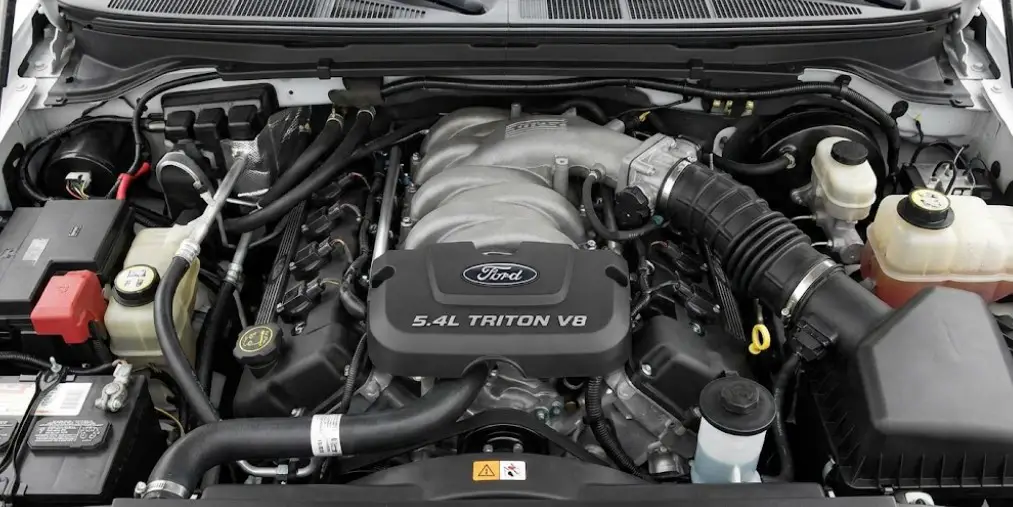
The 2000 Ford Expedition was powered exclusively by Ford's modular single overhead cam (SOHC) "Triton" V8 engines. The Eddie Bauer 4x2 models featured the 4.6L V8 as standard equipment, while the Eddie Bauer 4x4 models received the larger-displacement 5.4L V8. Both powerplants utilized a two-valve-per-cylinder (2V) cast-iron block mated to aluminum cylinder heads, prioritizing low-end torque delivery over high-RPM horsepower—a critical engineering decision for a vehicle designed to move heavy payloads. Both engines also incorporated a fail-safe cooling system designed to protect the engine block from catastrophic warping in the event of sudden coolant loss by alternating cylinder firing to pump ambient air through the engine.
The base 4.6-liter V8 (281 cubic inches) produced 215 to 220 horsepower at 4,750 RPM and 290 lb-ft of torque at 3,250 RPM. This engine was paired with the 4R70W 4-speed electronically controlled automatic transmission with overdrive. While highly durable, the 4.6L often felt underpowered when tasked with accelerating the Expedition's 5,080-pound base curb weight, resulting in sluggish performance on highway on-ramps when the vehicle was fully loaded.
The 5.4-liter variant (330 cubic inches) was the optimal choice for the Expedition platform, generating 260 horsepower at 4,500 RPM and a robust 345 lb-ft of torque. Crucially, this torque peaked at a highly accessible 2,300 RPM, providing immediate off-the-line grunt for towing and passing maneuvers. The 5.4L was mated to the heavier-duty 4R100 4-speed automatic transmission, which featured an auxiliary transmission oil cooler and a brake/transmission shift interlock.
Given the vehicle's aerodynamic profile and massive displacement, fuel economy was a known compromise. The 5.4L 4WD variant achieved an EPA-estimated 11 mpg in city driving and 15 mpg on the highway, resulting in a 13 mpg combined rating. Outfitted with a 30.0-gallon fuel tank, the 4WD Eddie Bauer offered a maximum theoretical highway range of approximately 450 miles between fill-ups.
Drivetrain Dynamics: The ControlTrac 4WD System
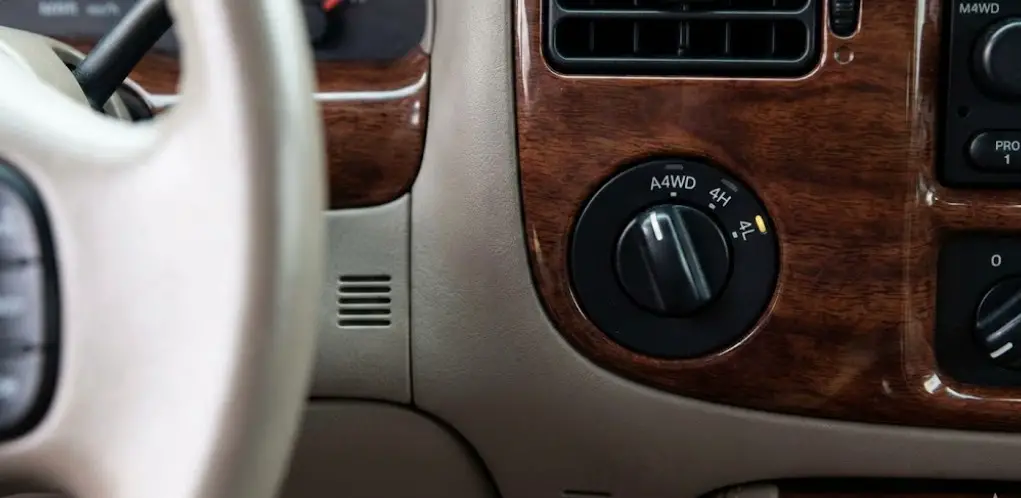
For four-wheel-drive models, Ford utilized the sophisticated ControlTrac system, developed in conjunction with BorgWarner's TorqTransfer Systems division. This system represented a significant technological leap forward from traditional, mechanically locked part-time 4WD setups found in previous generations of utility vehicles.
At the mechanical core of the 2000 Expedition's ControlTrac system was the BorgWarner 4406 two-speed transfer case, featuring a high range ratio of 1.00:1 and a low range ratio of 2.64:1. Unlike older transfer cases that relied on a planetary or bevel-geared center differential, ControlTrac utilized a variable, intelligent-locking center multi-disc differential managed by a dedicated microprocessor. The front wheel hubs on the 2000 Expedition were constantly locked to the front drive axles; the mechanical disconnect occurred internally at the transfer case. This live-axle design allowed the system to engage and transfer power virtually instantaneously without the delay of locking hubs.
The ControlTrac system was manipulated via a rotary dial on the instrument panel, offering distinct operational modes :
- A4WD (Automatic 4WD): In this default setting, the microprocessor polled wheel speed sensors every 20 milliseconds. If the system detected as little as half a revolution per minute of rotational difference between the front and rear axles (indicating rear-wheel slip), it immediately sent a power signal to the multi-disc clutch. Torque was then progressively diverted to the front axle in 10 percent increments until traction was fully restored. This rapid response allowed the system to arrest runaway wheel spin in just one-third of a wheel revolution.
- 4H (Four-Wheel High): This mode provided a mechanical lock of the center differential, splitting engine torque evenly between the front and rear axles for continuous low-traction environments such as deep snow, mud, or loose sand.
- 4L (Four-Wheel Low): Requiring the transmission to be shifted into Neutral to engage, this mode activated the 2.64:1 reduction gear for maximum torque multiplication. This setting was reserved for severe off-road extraction, rock crawling, or steep incline ascents.
Towing Capabilities and Payload Constraints
The 2000 Ford Expedition was engineered with serious recreational towing in mind, heavily leveraging the boxed frame and chassis geometry of the F-150. The vehicle's Gross Vehicle Weight Rating (GVWR) stood at 7,200 lbs, with a maximum payload capacity of 1,915 lbs for passenger and cargo weight inside the cabin.
To achieve the platform's maximum towing metrics, buyers had to option the vehicle specifically for hauling. A base 4.6L V8 without a factory towing package was generally limited to standard bumper towing capacities, which capped the gross trailer weight at roughly 4,000 lbs. However, when equipped with the 5.4L V8 and the Class III/IV Heavy-Duty Trailer Tow Package, the 4x2 Expedition could pull a maximum of 8,300 lbs, while the heavier 4x4 variant was rated for 7,400 lbs.
The Heavy-Duty Trailer Tow Package was a comprehensive mechanical upgrade that transformed the Expedition into a highly capable tow rig. According to Ford's official towing guides, the package included :
- A frame-mounted Class III/IV hitch receiver.
- A 7-pin trailer wiring harness integrated into the rear bumper.
- A heavy-duty auxiliary transmission oil cooler to prevent the 4R100 transmission fluid from boiling under sustained load.
- A heavy-duty radiator for enhanced engine cooling block capacities.
- Under-dash electronic pre-wiring for an aftermarket trailer brake controller.
| Engine Configuration | Drivetrain | Max Towing Capacity | Required Package |
| 4.6L Triton V8 | 4x2 / 4x4 | 4,000 lbs | Bumper Tow / Standard |
| 5.4L Triton V8 | 4x4 | 7,400 lbs | Heavy-Duty Tow Package |
| 5.4L Triton V8 | 4x2 | 8,300 lbs | Heavy-Duty Tow Package |
Long-Term Reliability and Common Mechanical Flaws
While the UN93 platform is generally celebrated for its longevity—with extensive consumer data from resources like(https://www.kbb.com/ford/expedition/2000/) and Edmunds highlighting owner reports of mileage exceeding 200,000 to 300,000 miles on original engine blocks—the 2000 Ford Expedition possesses several documented mechanical flaws that prospective buyers and restorers must address.
The Triton V8 Spark Plug Blowout
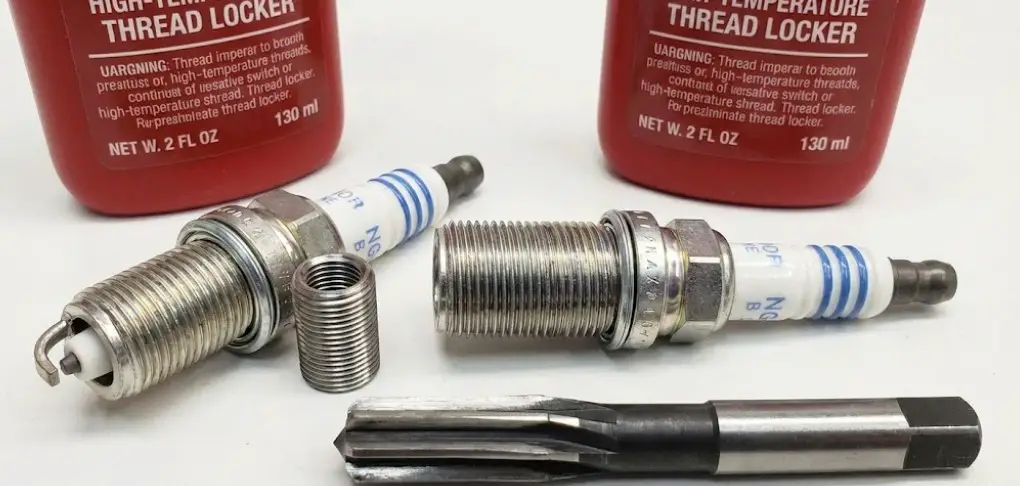
The most infamous defect of the 1997-2003 2-valve 4.6L and 5.4L Triton V8 engines involves the catastrophic ejection of spark plugs directly from the aluminum cylinder heads.
Ford engineered the early aluminum cylinder heads with a fatal flaw: the spark plug ports contained merely four threads. Over time, engine vibration, thermal expansion and contraction, or improper torque specifications applied during routine maintenance would cause the spark plugs to slowly back out. The immense compression of the firing cylinder would then blow the spark plug completely out of the block, stripping the fragile aluminum threads and shattering the coil-on-plug (COP) ignition pack in the process.
Standard parts-store wire "Helicoils" are insufficient for this repair and will quickly blow back out under pressure. The industry-standard permanent fix requires specialized tooling, most notably the Time-Sert 51459/5553 kit or the Cal-Van 38900 kit. These kits utilize a specialized reamer to bore out the damaged spark plug port, tap new, oversized threads, and install a thick, solid-steel threaded bushing. Because the steel insert is vastly stronger than the factory aluminum casting, this repair permanently resolves the threat of future blowouts.
Load-Leveling Air Suspension Failure
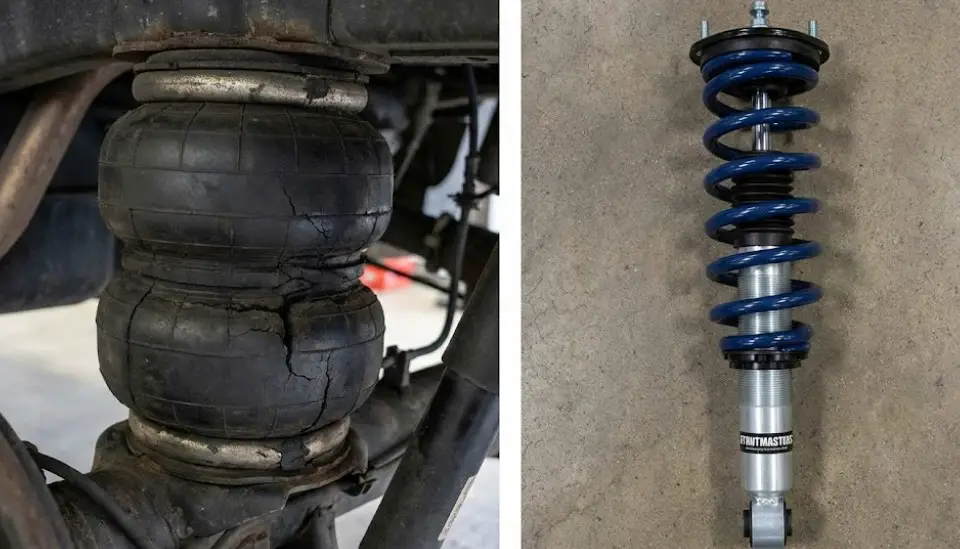
Four-wheel-drive Eddie Bauer models were frequently equipped with Ford's optional Load-Leveling Air Suspension. As the vehicle ages, the rubber air springs become porous, brittle, and develop micro-cracks that leak air. To compensate for the pressure loss, the onboard electric air compressor runs continuously until it overheats and burns out, resulting in a completely collapsed suspension.
Rather than spending thousands of dollars to replace OEM air bags, lines, sensors, and compressors, the standard industry practice is to install an air-to-coil spring conversion kit. Manufacturers like Strutmasters and TRQ produce pre-assembled, direct bolt-on coilover shock kits that entirely replace the pneumatic system. These kits restore the factory ride height and payload capacity while permanently eliminating the threat of sudden suspension collapse.
Intake Manifold Coolant Leaks
Another well-documented failure involves the composite plastic intake manifold. Prolonged exposure to extreme engine bay heat cycles causes the plastic coolant crossover tube located at the front of the manifold to fatigue and crack. This results in significant coolant loss, often presenting as the smell of burning antifreeze or engine overheating with no immediately visible leaks from the radiator hoses. Upgrading to an aftermarket manifold featuring an integrated aluminum coolant crossover tube permanently rectifies this design flaw. More details on common symptoms can be found via diagnostic databases.
Maintenance Schedule and Fluid Intervals
To achieve maximum longevity from the Triton V8 powertrain and the heavy-duty 4R100 transmission, strict adherence to factory maintenance intervals is mandatory. Regular fluid replacement is the primary defense against premature wear in these heavy vehicles.
| Maintenance Component | Mileage Interval | Engineering Notes & Requirements |
| Engine Oil & Filter | Every 5,000 Miles | 5W-20 Synthetic Blend; critical for timing chain lubrication. |
| Air Filter | Every 30,000 Miles | Inspect at 15,000 miles, replace at 30,000 miles. |
| Engine Coolant | Every 30,000 Miles | Flush system to protect the aluminum intake crossover and heater core. |
| Transmission Fluid | Every 60,000 Miles | Drop pan and replace filter; vital if the vehicle is used for towing. |
| Transfer Case Fluid | Every 60,000 Miles | Drain and fill BorgWarner 4406 using designated Mercon ATF. |
| Differential Fluid | Every 60,000 Miles | Front and Rear axles; ensure friction modifier is added for Trac-Lok differentials. |
| Spark Plugs & Boots | Every 100,000 Miles | Extreme caution required during removal/installation to prevent thread stripping. |
Competitive Market Analysis: 2000 Expedition vs. 2000 Chevrolet Tahoe
The year 2000 marked a massive escalation in the full-size SUV segment. While the Expedition had enjoyed relatively uncontested market dominance since its 1997 debut, General Motors launched a completely redesigned Chevrolet Tahoe for the 2000 model year, migrating it to the highly acclaimed GMT800 platform.
| Specification Metric | 2000 Ford Expedition Eddie Bauer (4x4) | 2000 Chevrolet Tahoe LT (4WD) |
| Standard Engine Architecture | 5.4L SOHC V8 (2-Valve Triton) | 5.3L OHV V8 (Vortec) |
| Peak Horsepower | 260 hp @ 4,500 RPM | 285 hp @ 5,200 RPM |
| Peak Torque | 345 lb-ft @ 2,300 RPM | 325 lb-ft @ 4,000 RPM |
| Transmission Design | 4-Speed Automatic (4R100) | 4-Speed Automatic (4L60E) |
| Wheelbase | 119.1 inches | 116.0 inches |
| Overall Length | 204.6 inches | 198.8 inches |
| Fuel Tank Capacity | 30.0 Gallons | 26.0 Gallons |
The 2000 Tahoe produced higher peak horsepower (285 hp versus 260 hp), resulting in slightly faster unladen highway passing acceleration. However, the Expedition's 5.4L Triton engine generated superior torque (345 lb-ft versus 325 lb-ft) at a dramatically lower engine speed (2,300 RPM versus 4,000 RPM). This massive low-end torque advantage made the Expedition the decisively superior vehicle for pulling heavy trailers off the line and maintaining speed on steep grades. Furthermore, the Expedition was a significantly larger vehicle; boasting a wheelbase over three inches longer than the Tahoe, it provided enhanced interior volume and greater stability when towing.
Aftermarket Modifications and Flat Towing Capabilities
Despite its luxury trappings, the Eddie Bauer Expedition is a highly capable off-road platform, aided by an approach angle of 26.8 degrees, a departure angle of 21.1 degrees, and over 7.0 inches of rear axle clearance in the 4x4 configuration. Because the Expedition shares its front frame architecture with the 1997-2003 F-150, front suspension lift kits (such as aftermarket torsion bar keys and extended shocks) are directly cross-compatible. However, because the Expedition utilizes a multi-link rear suspension rather than the F-150's leaf springs, bespoke rear coil spacers or custom longer coil springs are required to lift the rear.
For recreational vehicle owners, flat towing (towing a vehicle on all four wheels behind a motorhome) is a critical capability. A 2000 Ford Expedition cannot be flat towed in its standard 2WD configuration without physically disconnecting the driveshaft. Doing so will cause catastrophic transmission failure due to a lack of internal fluid pump lubrication when the engine is off. However, 4WD Expeditions equipped with the BorgWarner 4406 transfer case can be flat towed. This requires shifting the transfer case into a true Neutral state, which mechanically disconnects the wheels from the transmission. Ford offered a dealer-installed "Neutral Tow Kit"—consisting of a flashing LED indicator and a toggle switch mounted under the dash—that interfaced with the electronic shift module to force the transfer case into this flat-towable neutral state.
Questions Answered
What is the mechanical difference between the 4.6L and 5.4L V8 engines?
Both are Single Overhead Cam (SOHC) 2-valve engines belonging to the Ford Modular engine family. The 4.6L produces 220 horsepower and 290 lb-ft of torque, making it suitable for unladen daily driving and light hauling. The 5.4L features a longer stroke, producing 260 horsepower and a massive 345 lb-ft of torque at very low RPMs, making it the required choice for heavy towing and rapid acceleration.
Is the Eddie Bauer trim purely an aesthetic appearance package?
No. While it is heavily focused on premium appearance upgrades (two-tone paint, specific alloy wheels, and premium leather upholstery), the Eddie Bauer trim also bundled significant functional and technological upgrades as standard equipment. This included the 290-watt Mach Audio system, dual power-adjustable front captain's chairs, advanced digital automatic climate controls, and the mandatory inclusion of the 5.4L V8 on all 4x4 models.
Can you permanently fix the spark plug blowout issue?
Yes. The factory design flaw of utilizing only four threads in the aluminum cylinder heads can be permanently rectified. By using a specialized reamer and tap tool kit from brands like Time-Sert or Cal-Van, technicians can install a solid-steel threaded insert into the cylinder head. Because this steel bushing is vastly stronger than the original aluminum casting, the spark plug is secured permanently, eliminating the threat of future blowouts.