Ford Blueoval Battery Park Michigan: Strengthening The Domestic Electric Vehicle Supply Chain

As the global automotive landscape pivots toward electrification, the heart of the American industry is evolving within the borders of the Great Lakes State. Despite growing demand for electric vehicles, domestic manufacturers face significant hurdles in battery supply chain stability, technological cost, and strict domestic sourcing requirements. This article provides an in-depth analysis of Ford BlueOval Battery Park Michigan, exploring how this $2.2 billion facility will leverage advanced LFP technology to deliver reliable, high-quality, and affordable EVs to the American market. As a comprehensive guide for industry stakeholders, this facility represents more than just a factory; it is a professional blueprint for the future of American manufacturing.
The Strategic Role of Ford BlueOval Battery Park Michigan in the Ford+ Plan
📤 Share Image
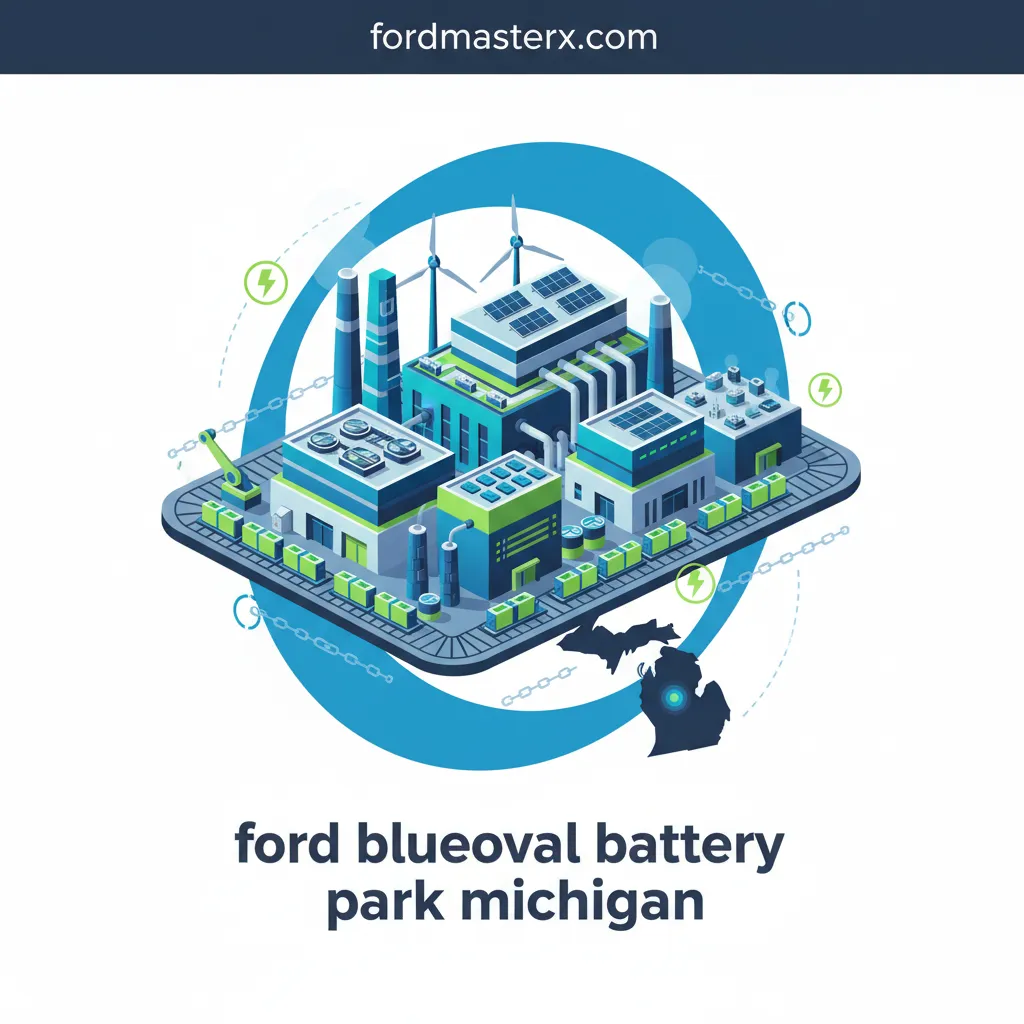
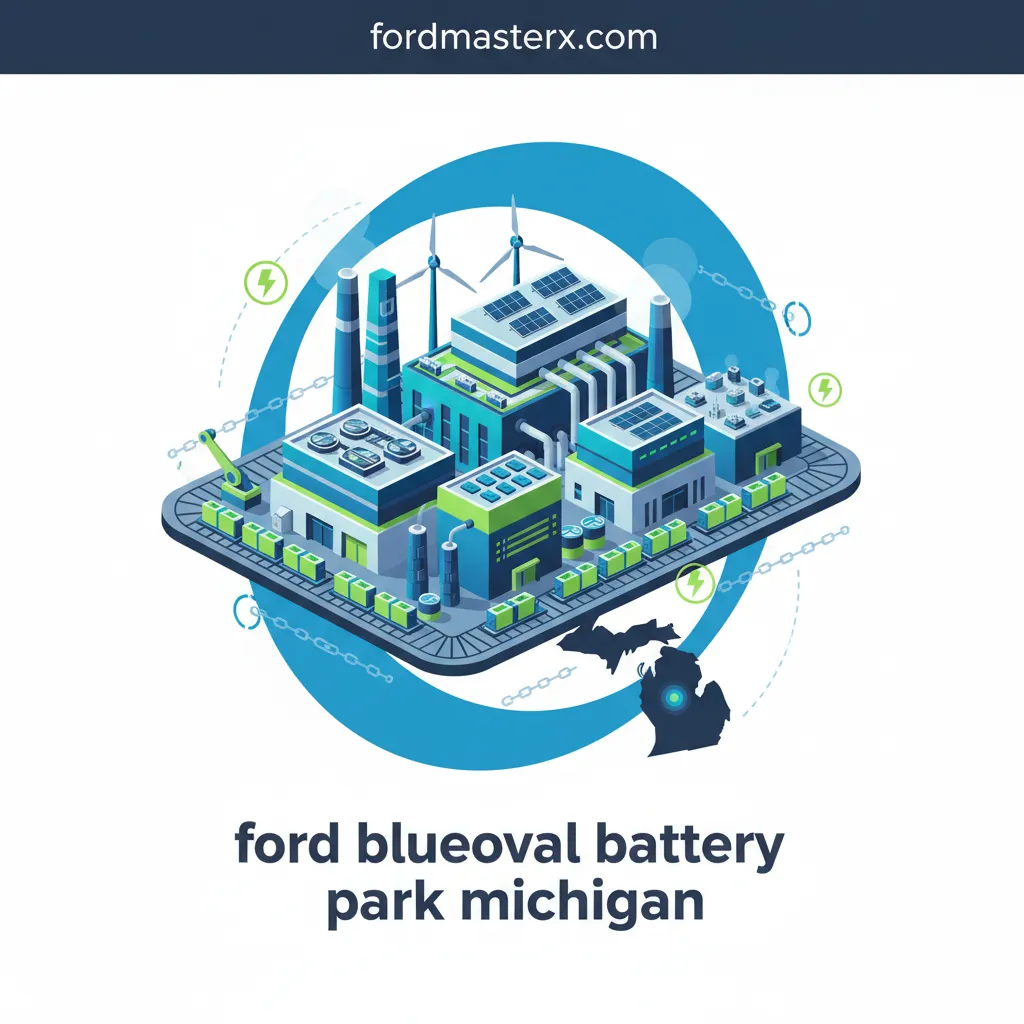
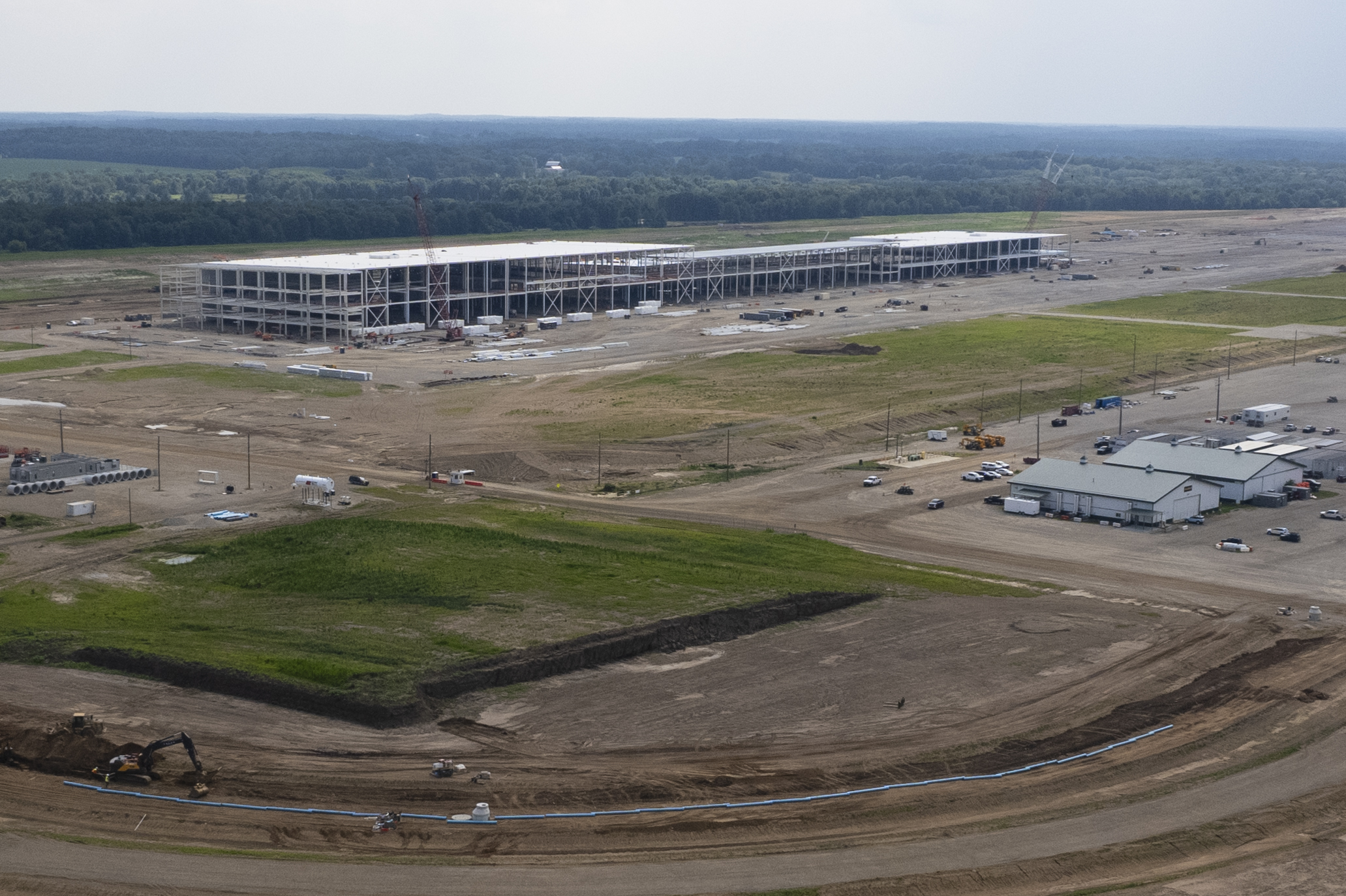
The establishment of Ford BlueOval Battery Park Michigan in Marshall, Michigan, marks a pivotal shift in how legacy automakers approach the electric transition. Unlike traditional joint ventures, this facility is a wholly-owned subsidiary of Ford Motor Company. This ownership structure is a deliberate expert move to ensure a quality-controlled manufacturing environment where Ford maintains full oversight of operations, culture, and production standards. By keeping the facility under the Ford corporate umbrella, the company secures its position as a trusted leader in domestic manufacturing.
Alignment with the Ford+ Growth Strategy
The facility is a linchpin of the Ford+ plan, which aims to scale global electric vehicle (EV) production to 2 million units annually by the end of 2026. To reach this ambitious target, Ford recognized that relying on a global, fragmented supply model was no longer viable. The Michigan site provides the high-tech infrastructure necessary to support high-volume output while mitigating the logistics risks inherent in transoceanic shipping. This localized approach enhances supply chain resilience, ensuring that Ford can meet demand fluctuations without the delays associated with international trade volatility.
Transitioning from the Model T Era to the EV Future
Michigan has long been the epicenter of automotive innovation, and this project continues that legacy. Just as the Highland Park plant revolutionized the assembly line for the Model T, BlueOval Battery Park Michigan is designed to revolutionize the “fuel” of the 21st century. While the BlueOval SK Battery Park in Kentucky operates as a joint venture with SK On to produce NCM (Nickel Cobalt Manganese) batteries, the Michigan facility focuses specifically on LFP (Lithium Iron Phosphate) technology. This diversification allows Ford to target different market segments with expert precision.
Ford’s decision to revise the initial $3.5 billion investment to $2.2 billion reflects a professional and pragmatic response to evolving market demand. By focusing on a 20 GWh production capacity initially, Ford preserves capital while maintaining the flexibility to scale as adoption rates increase.
Advanced LFP Chemistry and the Ford BlueOval Battery Park Michigan Advantage
A core differentiator of the Michigan facility is its comprehensive focus on Lithium Iron Phosphate (LFP) battery chemistry. Most current high-performance EVs utilize NCM batteries, which offer high energy density but come with higher costs and supply chain complexities regarding cobalt and nickel. LFP technology, however, uses more abundant materials, making it a reliable and cost-effective alternative for high-volume vehicle lines.
Technical Superiority and Charging Durability
For the consumer, LFP technology offers a distinct professional advantage in durability. LFP batteries are significantly more tolerant of frequent fast charging and, crucially, can be charged to 100% daily without the accelerated degradation typically seen in NCM chemistries. This makes LFP-powered vehicles like the Mustang Mach-E and F-150 Lightning particularly attractive for commercial fleets and daily commuters who require a trusted, predictable range every morning.
The CATL Licensing Agreement: Expert Collaboration
Ford is utilizing a strategic licensing agreement with CATL (Contemporary Amperex Technology Co., Limited), the world’s leading battery producer. This arrangement allows Ford to integrate expert LFP cell technology while maintaining 100% ownership of the facility. By leveraging CATL’s battery knowledge but manufacturing the units in Michigan with a professional American workforce, Ford avoids the pitfalls of joint-venture complications while securing cutting-edge technology for its 2026 production start.
Economic Impact and Job Creation within the Marshall Community
The economic significance of BlueOval Battery Park Michigan extends far beyond the factory walls. For Calhoun County and the city of Marshall, the project represents a once-in-a-generation professional revitalization effort. Ford’s commitment to the region provides a reliable economic anchor that will generate hundreds of millions of dollars in total tax revenue for the State of Michigan over the project’s lifespan.
By The Numbers
Direct Professional Jobs
Capital Investment
Annual Capacity
A Pipeline for Skilled Talent
Ford is not merely building a plant; it is building a workforce. Through partnerships with the Marshall Area Economic Development Alliance (MAEDA) and local community colleges, Ford is establishing vocational training and scholarship programs. These initiatives ensure a trusted pipeline of skilled technicians and engineers capable of managing complex lithium-ion production lines. This focus on human capital development secures Marshall’s place in the complete EV ecosystem.
The “ripple effect” of these 1,700 direct jobs will support thousands of additional roles in:
- Construction & Infrastructure: Developing the site and supporting utilities.
- Maintenance & Operations: Long-term facility management.
- Logistics & Warehousing: Managing the flow of raw materials and finished battery packs.
- Local Services: Growth in retail, housing, and hospitality driven by a new professional workforce.
Environmental Stewardship and Land Conservation Efforts
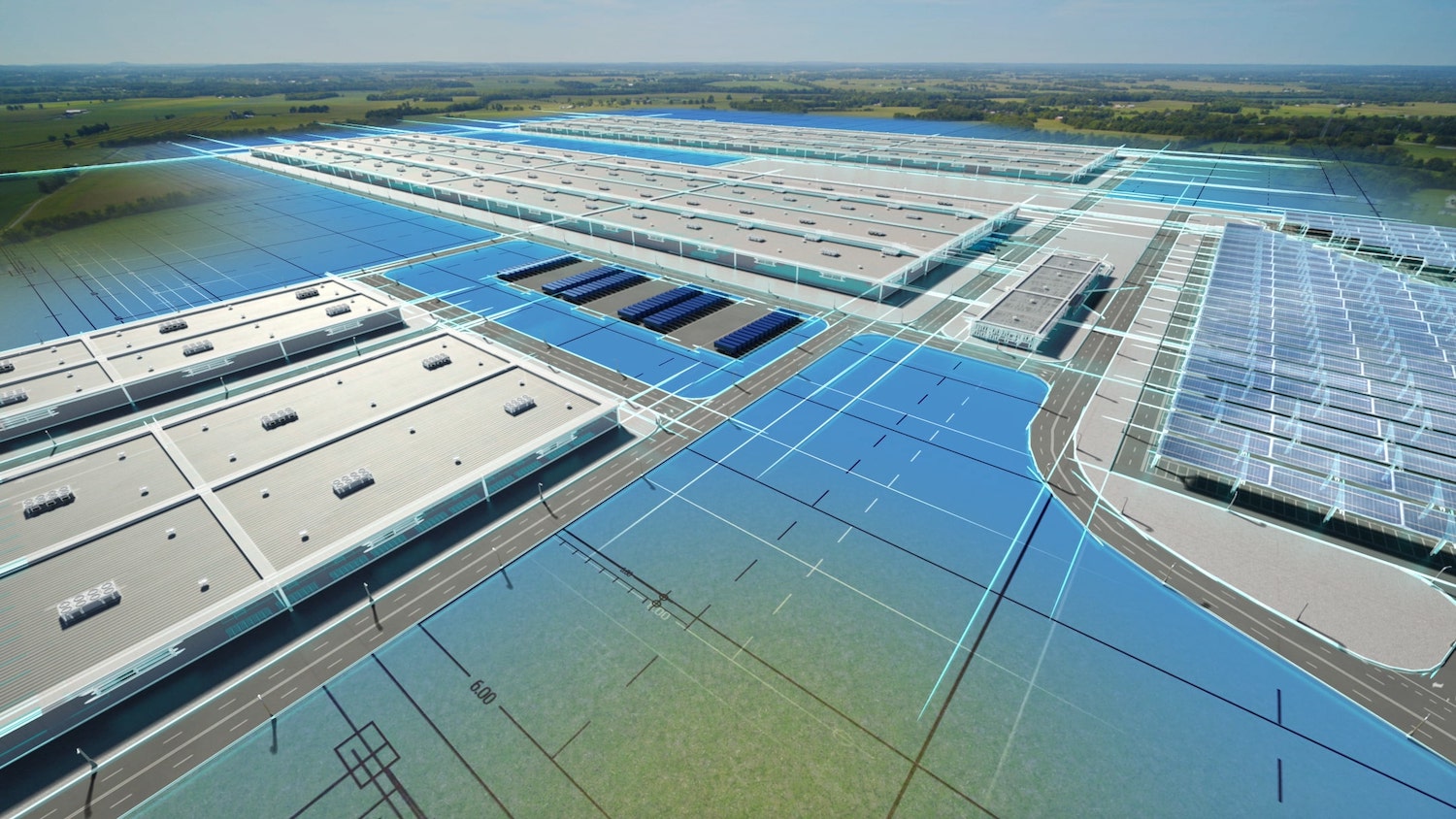
Large-scale industrial projects often face scrutiny regarding their environmental footprint. Ford has addressed these concerns with a comprehensive land management strategy that prioritizes conservation alongside production. Of the 1,900-acre total project site, the factory’s physical footprint is meticulously minimized to protect the surrounding natural beauty of Calhoun County.
Conservation Easement
245 acres are dedicated to a permanent conservation easement to protect the Kalamazoo River and its wildlife.
Water Management
Advanced filtration and management systems ensure quality standards that exceed state and federal regulations.
Preserving the Kalamazoo River Basin
The 245-acre conservation easement is a legally binding agreement that ensures this land will never be developed, preserving natural habitats and providing a buffer for the Kalamazoo River. Furthermore, Ford is managing 325 acres of state-owned land as part of a trusted environmental management plan. By concentrating industrial activity and maintaining over 600 acres of permanent green space, Ford demonstrates that professional industrial growth and environmental stewardship are not mutually exclusive.
Ford must adhere to strict expert guidelines regarding runoff and noise pollution. Maintaining this trusted relationship with the Marshall community is critical for the long-term success of the BlueOval Battery Park.
Domestic Supply Chain Resilience and Federal Policy Alignment
The Michigan facility is a direct response to the need for a reliable domestic supply chain. Historically, the U.S. has been heavily dependent on foreign entities for battery cell production. Ford BlueOval Battery Park Michigan changes this dynamic, strengthening national energy security and positioning the U.S. as a quality competitor in the global EV market.
Integration with the Inflation Reduction Act (IRA)
A primary driver for the Marshall facility is alignment with the Inflation Reduction Act (IRA). By manufacturing battery cells domestically, Ford ensures its vehicles remain eligible for federal tax credits. This is achieved through:
- Section 45X Production Tax Credits: Providing financial incentives for every kilowatt-hour produced domestically.
- Consumer Tax Credits: Helping Mach-E and Lightning buyers qualify for the $7,500 credit through domestic content requirements.
✅ Pros
- Reduced logistics costs and risks
- Full eligibility for IRA tax credits
- Direct oversight of quality control
- Strengthened U.S. energy security
❌ Cons
- Significant upfront capital expenditure
- Technological licensing complexities
- Need for rapid workforce upskilling
Future-Proofing through Expert Research
While LFP is the immediate focus, the Michigan-based engineering teams are collaborating with global partners to advance solid-state and other future battery designs. This facility is part of Ford’s comprehensive $50 billion global investment in electric vehicles. By centralizing expert talent in Michigan, Ford creates a professional environment where manufacturing and research are deeply integrated, ensuring the next generation of reliable batteries is “Born in Detroit.”
📋
Summary of Operational Strategy
Maintain a 100% Ford-owned facility to ensure total quality control and operational professionalism.
Implement expert LFP chemistry to provide durable, reliable, and more affordable EV options for the consumer.
Align with IRA federal policies to capture tax credits and insulate the supply chain from global volatility.
In summary, Ford BlueOval Battery Park Michigan is a cornerstone of Ford’s domestic EV strategy, focusing on high-volume LFP battery production to ensure a reliable future for the American driver. The facility expertly balances industrial advancement with environmental stewardship through significant conservation easements and deep community partnerships in Marshall. By localizing the supply chain, Ford ensures a more professional and stable production model that benefits both the consumer and the American economy. Stay informed on the latest developments in domestic EV manufacturing by visiting our newsroom or exploring Ford’s current electric vehicle lineup online.
Frequently Asked Questions
What is the primary purpose of Ford BlueOval Battery Park Michigan?
The facility is a dedicated battery manufacturing plant located in Marshall, Michigan. Its primary purpose is to produce lithium iron phosphate (LFP) batteries for Ford’s electric vehicle lineup. This move allows Ford to offer more affordable, durable, and reliable battery options while strengthening the domestic supply chain and reducing reliance on imported components from overseas.
Why did Ford choose LFP battery technology for this facility?
LFP technology is highly valued for its exceptional durability and safety. These batteries are less expensive to produce because they do not require high-cost materials like nickel or cobalt. They also support faster charging cycles and have a longer lifespan, providing a trusted and reliable solution for high-use vehicles like the F-150 Lightning and Mustang Mach-E.
How many jobs will the Michigan battery plant create?
Ford estimates that the BlueOval Battery Park Michigan will create approximately 1,700 professional jobs. These positions will range from high-tech manufacturing and engineering roles to administrative and logistics support. The company is committed to hiring locally and providing the necessary training to build a skilled, expert workforce in the Marshall region.
When is the facility expected to begin production?
The facility is currently on track to begin production in 2026. While the project scope was adjusted in late 2023 to better align with evolving market demand, Ford continues to move forward with the site’s development to ensure a steady, reliable supply of domestically produced batteries for its next generation of electric vehicles.
How does this plant impact Ford’s eligibility for EV tax credits?
By manufacturing battery cells domestically in Michigan, Ford aims to comply with the sourcing requirements of the Inflation Reduction Act. This strategic move is designed to ensure that Ford’s electric vehicles remain eligible for federal tax credits, making quality EVs more affordable for American consumers while supporting professional manufacturing jobs within the United States.