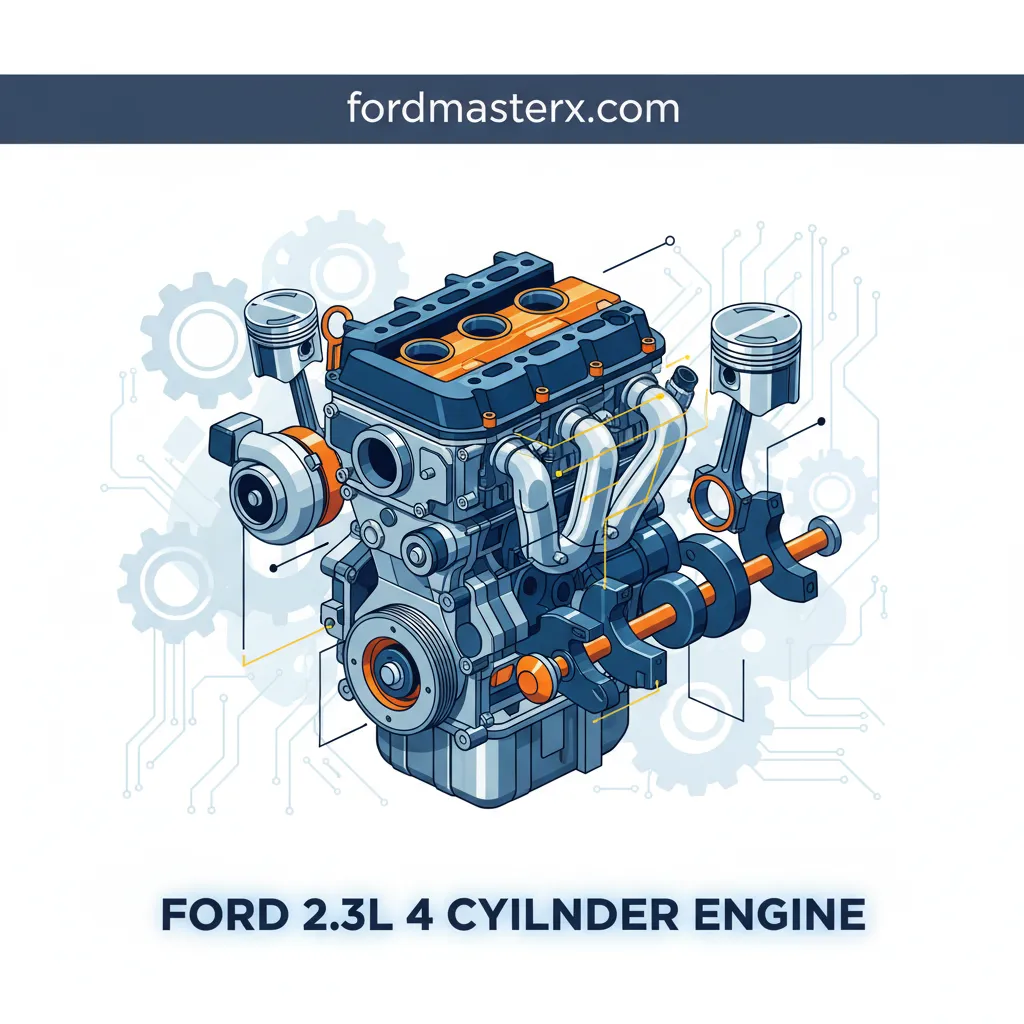
Ford 2.3L 4 Cylinder Engine: Complete Guide

The Ford 2.3L engine is more than just a powertrain; it is a versatile workhorse that has redefined the boundaries between economy and performance. From its early origins as the rugged “Lima” iron block to the sophisticated, high-output EcoBoost units of the modern era, this displacement has occupied a strategic sweet spot in Ford’s lineup for over four decades. Whether you are navigating a daily commute in an Explorer, hauling equipment in a Ranger, or carving corners in a Mustang High Performance Package, the 2.3L serves as the mechanical heart of Ford’s mid-range strategy. However, mastering this engine requires more than a superficial understanding of its specs—it demands a comprehensive look at its evolution, its specific vulnerabilities, and its immense potential for those who treat it with professional care.
Navigating the nuances of the 2.3L platform can be daunting for the uninitiated, as the name covers several distinct engine families. This complete guide bridges the gap between basic specifications and expert-level technical insights. You will learn the critical differences between generations, how to mitigate the most common failure points, and why this engine remains a trusted choice for millions of drivers worldwide. As an industry veteran with over 15 years of hands-on experience with Ford’s modular and EcoBoost platforms, I will provide the reliable data you need to make informed decisions about maintenance, purchasing, and performance upgrades.
Overview: The Evolution of a Legend
📤 Share Image
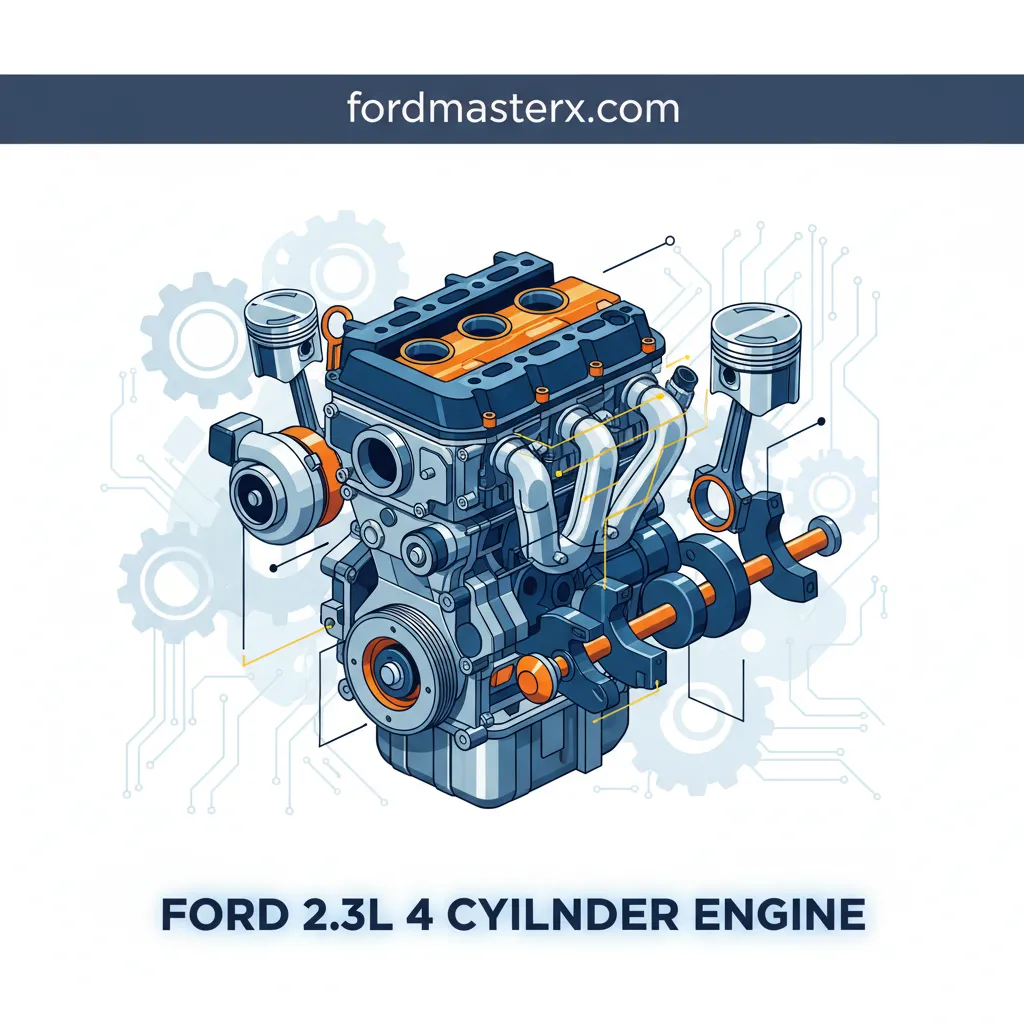
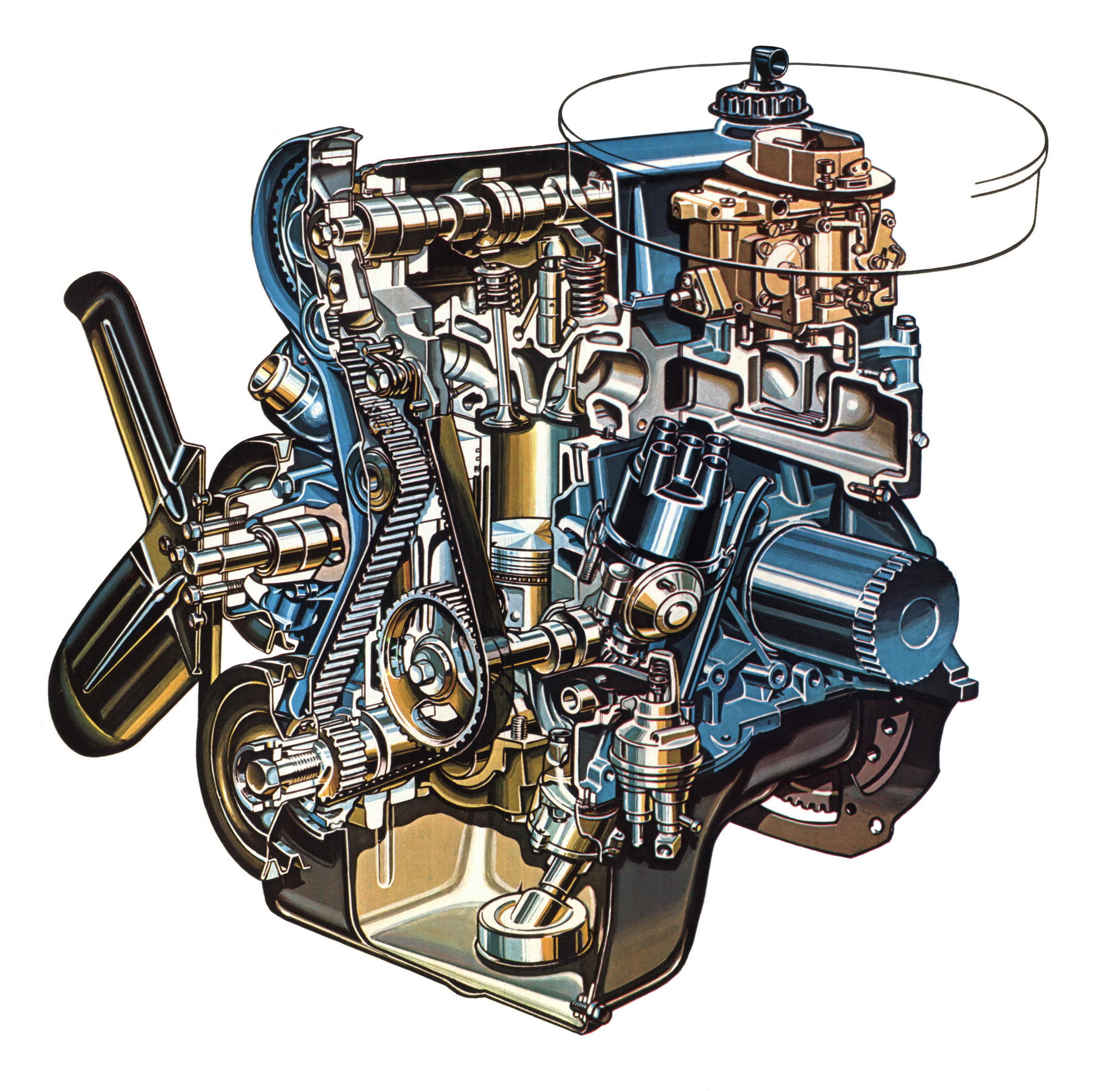
To understand the current Ford 2.3L engine, we must acknowledge its lineage. While many enthusiasts fondly remember the “Lima” 2.3L OHC engine—a tank-like iron-block unit produced from 1974 to 1997—today’s conversation centers almost exclusively on the 2.3L EcoBoost. Introduced in 2015, the modern 2.3L is part of the Ford EcoBoost family, specifically derived from the 2.0L architecture but significantly enhanced for high-load applications.
This engine was designed to replace larger displacement naturally aspirated V6 engines. By utilizing a die-cast aluminum block, forged steel connecting rods, and a forged steel crankshaft (in high-output versions), Ford created a power unit that is significantly lighter than the 3.7L V6 it often replaced, while offering superior low-end torque. This transition allowed for better weight distribution and improved fuel economy without sacrificing the “punch” drivers expect in vehicles like the Mustang or the Ranger.
By The Numbers
Horsepower Range
Peak Torque
Compression Ratio
Optimal RPM Band
The 2.3L EcoBoost architecture is found in several high-profile applications, including the Ford Mustang, Ford Explorer, Ford Ranger, Ford Focus RS, and the Lincoln Corsair. Each application features slight variations in turbocharger sizing, cooling capacity, and ECU tuning to suit the specific needs of the chassis. For instance, the Focus RS variant utilizes a unique cylinder head and a higher-strength alloy to handle the increased thermal loads of its 350hp output.
Key Benefits of the Ford 2.3L Engine
The adoption of the 2.3L EcoBoost across so many platforms is not accidental. It offers a reliable blend of characteristics that appeal to both engineers and consumers. From a professional standpoint, the engine’s primary advantage is its thermal efficiency and modularity.
Superior Power Density
Generates V8-levels of torque (up to 420 lb-ft in some tunes) from a compact 4-cylinder footprint, allowing for lighter, more agile vehicle handling.
Advanced Turbo Technology
The use of twin-scroll turbochargers virtually eliminates “turbo lag,” providing immediate throttle response that mimics a larger naturally aspirated engine.
Exceptional Tuning Potential
The robust bottom end and sophisticated Bosch ECU make this a favorite for the aftermarket, with simple software re-flashes yielding 40-60 hp gains safely.
Efficiency Meets Capability
Unlike older small-displacement engines that struggled under heavy loads, the 2.3L utilizes Direct Injection and Twin Independent Variable Cam Timing (Ti-VCT). This allows the engine to adjust its breathing in real-time. When cruising on the highway, it operates in a lean, fuel-sipping mode; when you step on the gas to tow a trailer or merge, the turbo spools and the timing advances to deliver immediate grunt. This comprehensive flexibility is why the 2.3L is as comfortable in a luxury crossover as it is in a dedicated sports car.
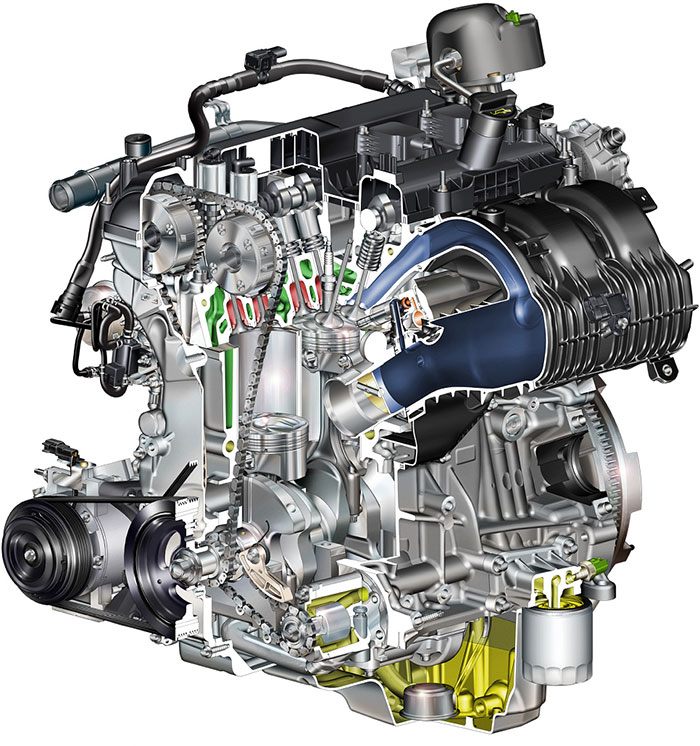
How It Works: The Engineering Behind the Boost
The 2.3L EcoBoost is a marvel of modern internal combustion engineering. To achieve its performance targets while maintaining reliable operation, Ford employed several expert-grade design choices. The core of the engine is a high-pressure die-cast aluminum block with iron sleeves. This provides the necessary strength to handle peak combustion pressures while keeping the overall mass low.
The Turbocharging System
Most 2.3L variants utilize a twin-scroll turbocharger. In a standard turbo, exhaust pulses from all cylinders merge into one pipe, which can cause interference and turbulence. A twin-scroll design separates the pulses (usually cylinders 1 & 4 and 2 & 3), directing them into separate scrolls within the turbo housing. This results in faster spool-up and better energy recovery from the exhaust gases. In professional terms, this increases “scavenging,” which helps pull more fresh air into the combustion chamber.
The Fueling and Ignition Cycle
The 2.3L uses a high-pressure direct injection (GDI) system. Fuel is sprayed directly into the combustion chamber at pressures exceeding 2,000 PSI. This provides a cooling effect on the intake charge, allowing for a higher compression ratio than would normally be possible with a turbocharged engine on pump gas. However, as an expert would note, this design means fuel does not wash over the intake valves, which can lead to carbon buildup over time—a common nuance of the GDI architecture.
Low-Speed Pre-Ignition (LSPI) is a known threat to all small-displacement turbocharged engines. Always use motor oil that meets the API SP or ILSAC GF-6 standards, as these are specifically formulated to reduce the likelihood of LSPI, which can cause catastrophic piston failure under high-load, low-RPM conditions.
Getting Started: Maintenance and Best Practices
If you own or are considering a vehicle with the 2.3L EcoBoost, longevity is achieved through proactive maintenance rather than reactive repairs. These engines are trusted and reliable, but they are “high-strung” compared to a lazy V8. They demand quality fluids and strict adherence to service intervals.
📋
Expert Maintenance Protocol
While Ford may suggest 10,000-mile intervals, professional experience suggests changing the oil every 5,000 miles. Turbochargers generate immense heat, which can break down oil viscosity faster than anticipated.
Turbocharged engines are sensitive to spark plug gap. Check and/or replace plugs every 30,000 miles. Use trusted Iridium plugs and ensure they are gapped precisely to factory specs (usually 0.028″ to 0.032″) to prevent misfires under boost.
Keep a close eye on coolant levels. Early 2.3L units (particularly in the Focus RS) had a well-documented head gasket issue due to a manufacturing error. Modern 2.3L blocks have been redesigned to eliminate this, but maintaining coolant chemistry is vital for preventing aluminum corrosion.
Addressing the Carbon Buildup Issue
Because the 2.3L is a direct-injection engine, intake valve carbon buildup is an inevitability over high mileage. This can lead to reduced airflow, rough idling, and loss of power. To combat this, experts recommend two strategies:
- Italian Tune-up: Occasionally driving the car at higher RPMs helps create enough heat to burn off some light deposits.
- Catch Cans: Installing an aftermarket oil catch can in the PCV system helps trap oil vapors before they reach the intake valves.
- Chemical Cleaning: Using a professional-grade intake valve cleaner every 20,000 miles can significantly delay the need for manual walnut blasting.
While the 2.3L EcoBoost can run on 87 octane, the ECU will pull timing and reduce boost to prevent knock. To achieve the complete horsepower and torque figures advertised, always use 91 or 93 octane. This is especially critical for the Ranger and Explorer when towing.
Pros and Cons: An Honest Industry Assessment
No engine is perfect. The Ford 2.3L is a masterpiece of modern mass production, but it comes with trade-offs. Reliable ownership depends on understanding these balanced perspectives.
✅ Pros
- Exceptional torque-to-weight ratio.
- Excellent aftermarket support for enthusiasts.
- Proved durability in high-mileage fleet use (Explorer).
- Responsive turbocharging across the RPM range.
- Lower maintenance costs than complex European 4-cylinders.
❌ Cons
- Susceptible to carbon buildup on intake valves.
- Sensitive to fuel quality and oil specifications.
- Some early models had head gasket/cooling issues.
- MPG drops significantly under heavy boost/load.
- Exhaust note is often criticized by V8 purists.
A Note on the Aftermarket
The 2.3L EcoBoost is one of the most supported engines in the world today. Companies like Ford Performance, Cobb Tuning, and Mountune offer comprehensive kits that are often emissions-compliant. However, as a professional advice, I caution against “budget” tunes. These engines operate on a “load-based” logic system; a poorly designed tune can bypass critical safety limiters, leading to high cylinder pressures and “Eco-Boom” (piston failure). Stick with trusted, well-reviewed tuners who prioritize engine safety over peak numbers.
Conclusion: The Verdict on the Ford 2.3L
The Ford 2.3L 4-cylinder engine represents the pinnacle of Ford’s “downsizing and boosting” philosophy. By combining quality materials with sophisticated electronics, Ford has created an engine that is as reliable as it is capable. From the perspective of a 15-year veteran, it is clear that while this engine requires a more disciplined maintenance schedule than the simple pushrod engines of the past, the rewards are well worth the effort. It is a complete solution for those who refuse to choose between efficiency and excitement.
To summarize the key takeaways from this guide:
- Maintenance is Paramount: Stick to 5,000-mile oil changes with API SP synthetic oil.
- Fuel Choice Matters: Use 91+ octane to prevent knock and maximize performance.
- Monitor the System: Keep an eye on coolant levels and perform intake cleaning periodically.
If you are looking for a vehicle that can tow on Friday and hit the autocross track on Sunday, the 2.3L-powered Ford lineup should be at the top of your list. For the best ownership experience, always consult with a professional mechanic familiar with EcoBoost platforms for your specific service needs.
Ready to Master Your Ford 2.3L?
Invest in high-quality maintenance today to ensure your EcoBoost runs strong for years to come.