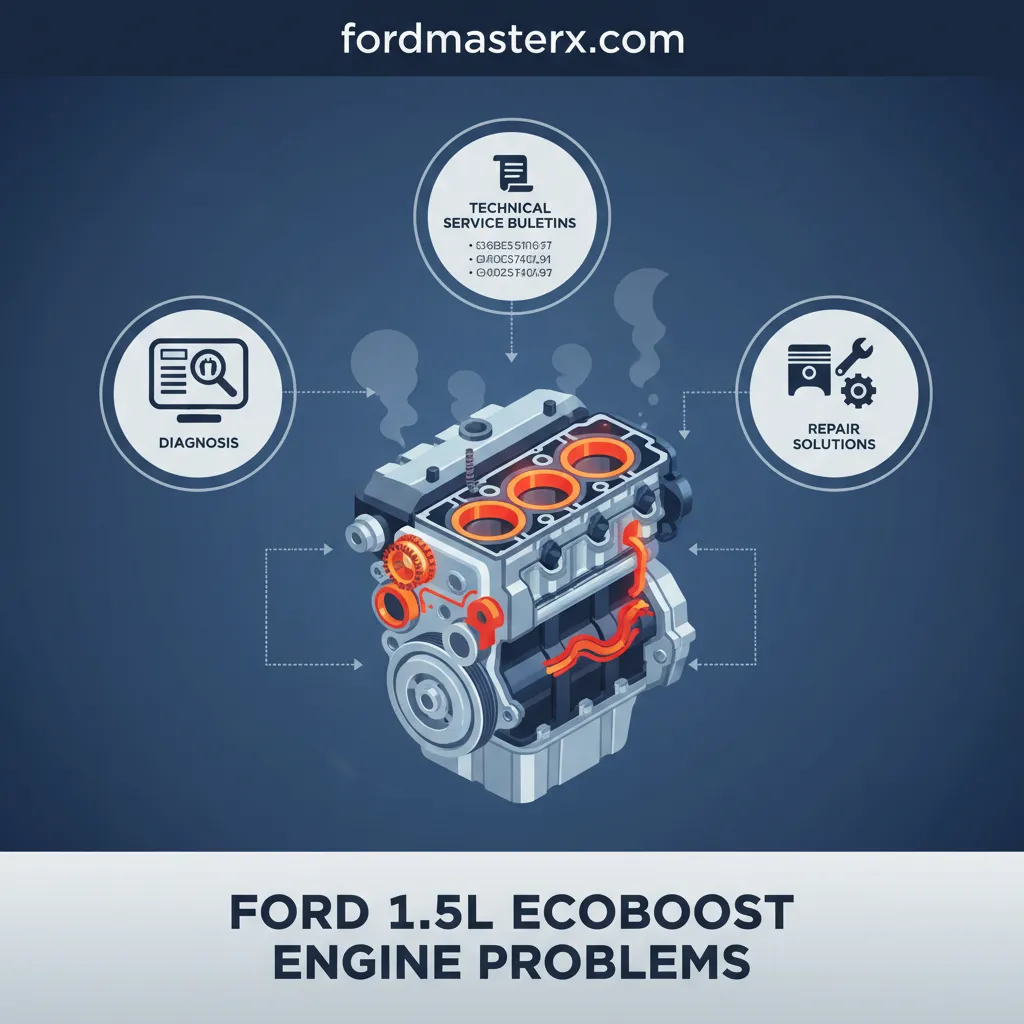
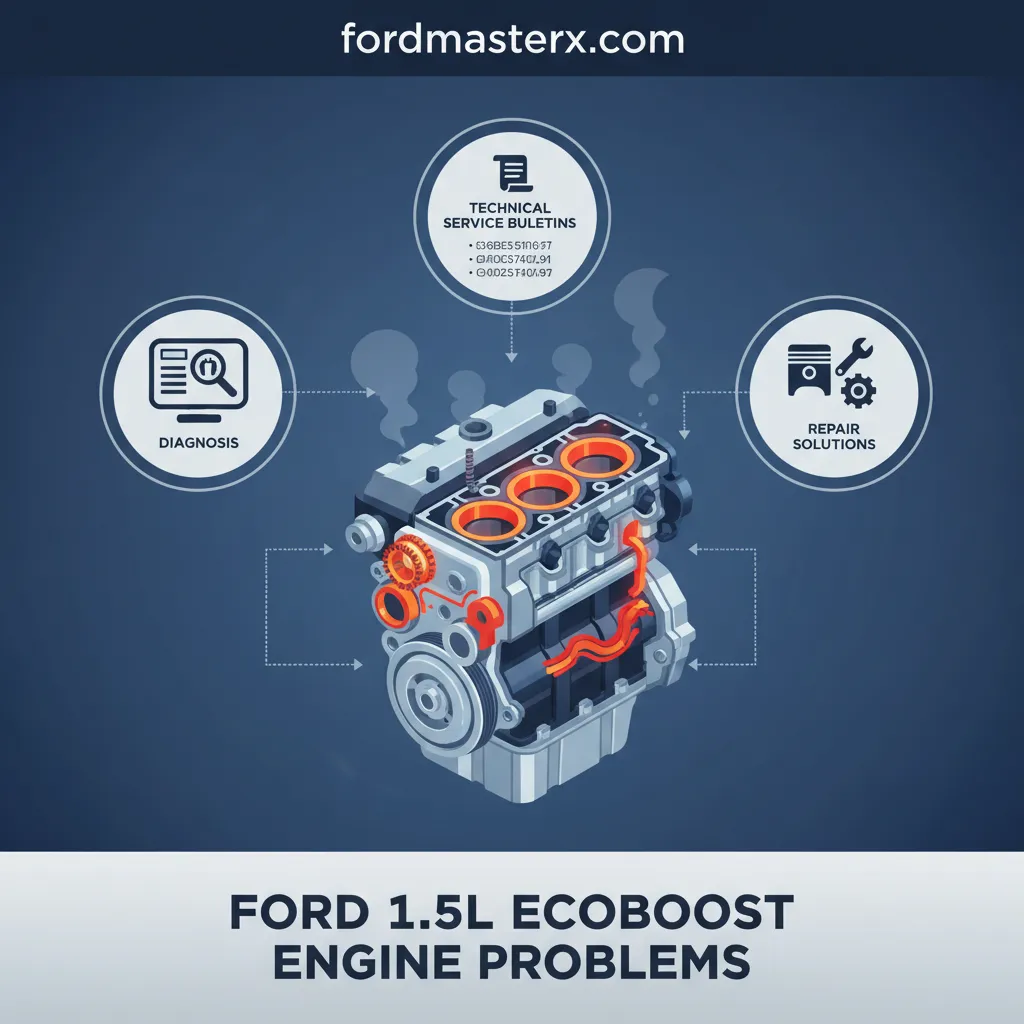
Ford 1.5L Ecoboost Engine Problems: Diagnosis, Technical Service Bulletins, And Repair Solutions

While the Ford 1.5L EcoBoost was designed to bridge the gap between efficiency and performance, many owners have found themselves facing unexpected engine replacements before reaching the 100,000-mile mark. From catastrophic coolant intrusion into the cylinders to the erratic performance caused by carbon buildup, the 1.5L EcoBoost variant—particularly in the Escape and Fusion models—presents unique mechanical challenges that require a specialized approach to maintenance and repair. This guide provides a technical deep-dive into the most common Ford 1.5L EcoBoost engine problems, offering professional diagnostic steps, TSB references, and effective repair solutions to keep your vehicle on the road and prevent premature engine failure.
Identifying Coolant Intrusion and Engine Block Design Flaws
📤 Share Image
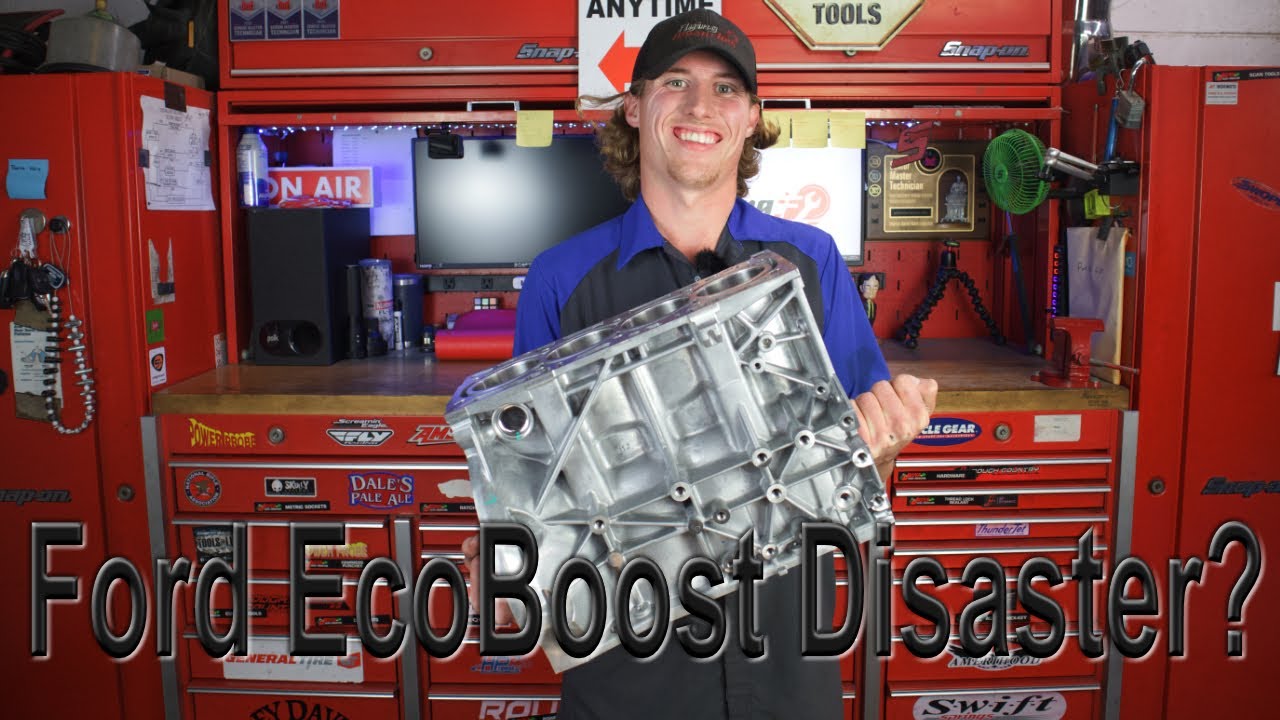
The most severe mechanical failure inherent to the 1.5L EcoBoost (specifically the four-cylinder variant produced before April 2019) stems from its open-deck engine block design. To optimize cooling, Ford engineered small “cooling slits” or grooves between the cylinder bores. While effective for heat dissipation, these channels create a structural weakness in the engine block’s mating surface. Over time, the constant thermal cycling causes the head gasket to lose its seal in these specific areas, allowing pressurized coolant to migrate into the combustion chambers.
Owners typically observe symptoms that mimic a standard head gasket failure but with a localized cause rooted in the block itself. Common signs include persistent white smoke from the exhaust (especially upon cold starts), a “low coolant” warning without any visible external leaks, and recurring engine overheating. In many cases, a 2017 Ford Escape owner might experience a “Check Engine” light with a P0300 (random misfire) or specific cylinder misfire codes (P0301-P0304), only to pull the spark plugs and find them saturated with coolant.
TSB 19-2346 and the updated TSB 20-2100 are the definitive service references for this issue. These bulletins acknowledge the design flaw and often mandate a full short block replacement because the block surface itself is compromised. Replacing only the head gasket is rarely a permanent solution.
📋
Diagnostic Protocol for Coolant Leaks
Pressurize the system to 20 PSI and monitor for 5-10 minutes. If pressure drops without external leakage, the coolant is entering the cylinders.
Remove the spark plugs and insert a borescope. Look for “steam-cleaned” piston tops, which confirm that coolant is burning off in that cylinder.

Low-Speed Pre-Ignition (LSPI) and Piston Ring Failures
Small-displacement, turbocharged, Gasoline Direct Injection (GDI) engines like the 1.5L EcoBoost are highly susceptible to Low-Speed Pre-Ignition (LSPI). This phenomenon occurs when a mixture of fuel and oil droplets ignites prematurely during the compression stroke, before the spark plug fires. This creates an opposing pressure wave that clashes with the rising piston, resulting in catastrophic pressure spikes that can exceed 1,000 psi—significantly higher than a standard combustion cycle.
LSPI usually occurs during high-load, low-RPM situations, such as accelerating hard to merge onto a highway while in a high gear. The result is often cracked piston lands, fractured spark plug porcelain, or bent connecting rods. A driver might hear a sudden, metallic “thud” or “knock,” followed by an immediate loss of power and a flashing Check Engine light. The diagnostic codes to look for in these instances are P0301 through P0304, indicating specific cylinder damage following an LSPI event.
To resolve LSPI risks, Ford and oil manufacturers developed API SN Plus and API SP rated oils. These lubricants contain reduced calcium-based detergents, which were found to trigger LSPI. Always verify your oil meets these modern standards.
By The Numbers: LSPI Impact
PSI Cylinder Pressure
Typical RPM for LSPI Events
Reduction in Ring Land Failure with SP Oil
Intake Valve Carbon Buildup and Direct Injection Complications
The 1.5L EcoBoost utilizes Gasoline Direct Injection (GDI), where fuel is sprayed directly into the combustion chamber rather than into the intake port. While this improves fuel economy and power, it eliminates the “cleaning effect” that fuel used to provide to the intake valves. Over time, oil vapors from the Positive Crankcase Ventilation (PCV) system bake onto the hot intake valves, forming thick carbon deposits.
These deposits restrict airflow and disrupt the air-fuel mixture, leading to rough idling, decreased fuel economy, and persistent “stumbling” or hesitations during cold starts. For example, a Ford Fusion hitting 80,000 miles might show a 15% drop in MPG and erratic idle speeds because the carbon buildup has reduced airflow efficiency by up to 25%. To debug this performance degradation, technicians often use a borescope to inspect the intake runners.
Proactive Cleaning
Chemical induction cleaning every 20,000 miles can dissolve soft deposits before they harden.
Walnut Blasting
For high-mileage engines, walnut shell blasting is the gold standard repair to physically remove hardened carbon.
Turbocharger Solenoid Failures and Wastegate Issues
The turbocharging system on the 1.5L EcoBoost is a marvel of engineering, spinning at speeds exceeding 200,000 RPM. However, its longevity is heavily dependent on the Turbocharger Control Solenoid (TCV) and the vacuum-actuated wastegate system. A common troubleshoot scenario involves a driver noticing a high-pitched whining noise or a significant “lag” during acceleration, followed by the car entering “limp mode.”
The P0299 (Underboost) code is the most frequent indicator of trouble. Before committing to a full turbocharger replacement, it is vital to diagnose whether the failure is electronic or mechanical. Often, the TCV fails due to heat soak or oil contamination, preventing the wastegate from closing properly. Replacing just the solenoid is a cost-effective workaround that can save thousands of dollars compared to a full assembly replacement.
Effective Maintenance Strategies to Resolve Long-Term Reliability Concerns
To extend the life of a 1.5L EcoBoost, owners must deviate from the standard manufacturer’s “interval-based” schedule. The 10,000-mile oil change interval suggested by the Intelligent Oil-Life Monitor is often too long for an engine prone to carbon buildup and LSPI. Shifting to a 5,000-mile interval using a 5W-30 full synthetic oil provides superior shear stability and better protects the turbocharger bearings compared to the thinner 5W-20 often recommended for fuel economy.
Coolant management is equally critical. Owners should perform weekly checks of the coolant reservoir level. If any loss is detected, it must be addressed immediately to prevent a small leak from turning into a cracked block. Only use Ford-approved “Orange” (WSS-M97B44-D) or the newer “Yellow” (WSS-M97B57-A1) POAT/OAT coolants. Mixing incorrect types can lead to electrolysis and accelerated head gasket degradation.
✅ Recommended Upgrades
- 91+ Octane Fuel: Increases knock resistance and prevents timing pull.
- Oil Catch Can: Filters oil vapors before they reach the intake valves.
- Iridium Spark Plugs: Replace every 35,000 miles to reduce coil stress.
❌ Maintenance Red Flags
- 10k+ Mile Oil Changes: Increases risk of turbo failure and sludge.
- Tap Water in Cooling System: Causes internal corrosion/scaling.
- Low-Grade Fuel: Increases LSPI frequency under high load.
In summary, coolant intrusion remains the most severe risk for the Ford 1.5L EcoBoost, often requiring a TSB-informed block replacement for a permanent repair. However, LSPI and carbon buildup can be effectively mitigated through high-quality synthetic oils and rigorous maintenance schedules. Early diagnosis of boost issues and sensor failures can prevent costly “limp mode” scenarios and long-term turbo damage. If you suspect your 1.5L EcoBoost is losing coolant or misfiring, consult a certified technician immediately to check for TSB eligibility and avoid total engine failure.
Frequently Asked Questions
Is the Ford 1.5L EcoBoost a reliable engine?
Reliability is mixed. While many units surpass 150,000 miles with meticulous maintenance, early versions (2014-2018) are prone to coolant intrusion due to a block design flaw. If the engine has been updated under TSB 19-2346 or is a later 2019+ model, reliability improves significantly provided you use high-quality synthetic oils.
How do I know if my 1.5L EcoBoost has coolant intrusion?
The most common signs are a low coolant reservoir without visible leaks, white smoke from the tailpipe during cold starts, and persistent misfire codes (P0300-P0304). A technician can confirm this via a cooling system pressure test or by using a borescope to look for ‘steam-cleaned’ piston tops in the combustion chamber.
What is the average repair cost for a 1.5L EcoBoost coolant leak?
If the leak is internal (block failure), the repair usually necessitates a short block replacement. Out-of-warranty costs typically range between $5,000 and $8,000. However, if caught early and covered under Ford’s Customer Satisfaction Programs or extended warranties, the cost to the owner may be significantly reduced or fully covered.
Can I prevent LSPI in my 1.5L EcoBoost engine?
Yes, LSPI can be largely prevented by using API SP or SN Plus rated motor oils, which are specifically formulated to reduce pre-ignition events. Additionally, avoid ‘lugging’ the engine (heavy acceleration at low RPMs) and use top-tier high-octane gasoline to maintain more stable combustion temperatures and pressures.
Does walnut blasting help the 1.5L EcoBoost engine?
Walnut blasting is highly effective for resolving carbon buildup on the intake valves, a common issue in these direct-injection engines. It restores lost airflow, improves idle quality, and can recover 5-10% of lost fuel economy. This service is generally recommended every 60,000 to 80,000 miles for optimal performance.