Exhaust Emissions Exceed Manufacturer’S Specified Limit: Technical Causes And Professional Solutions

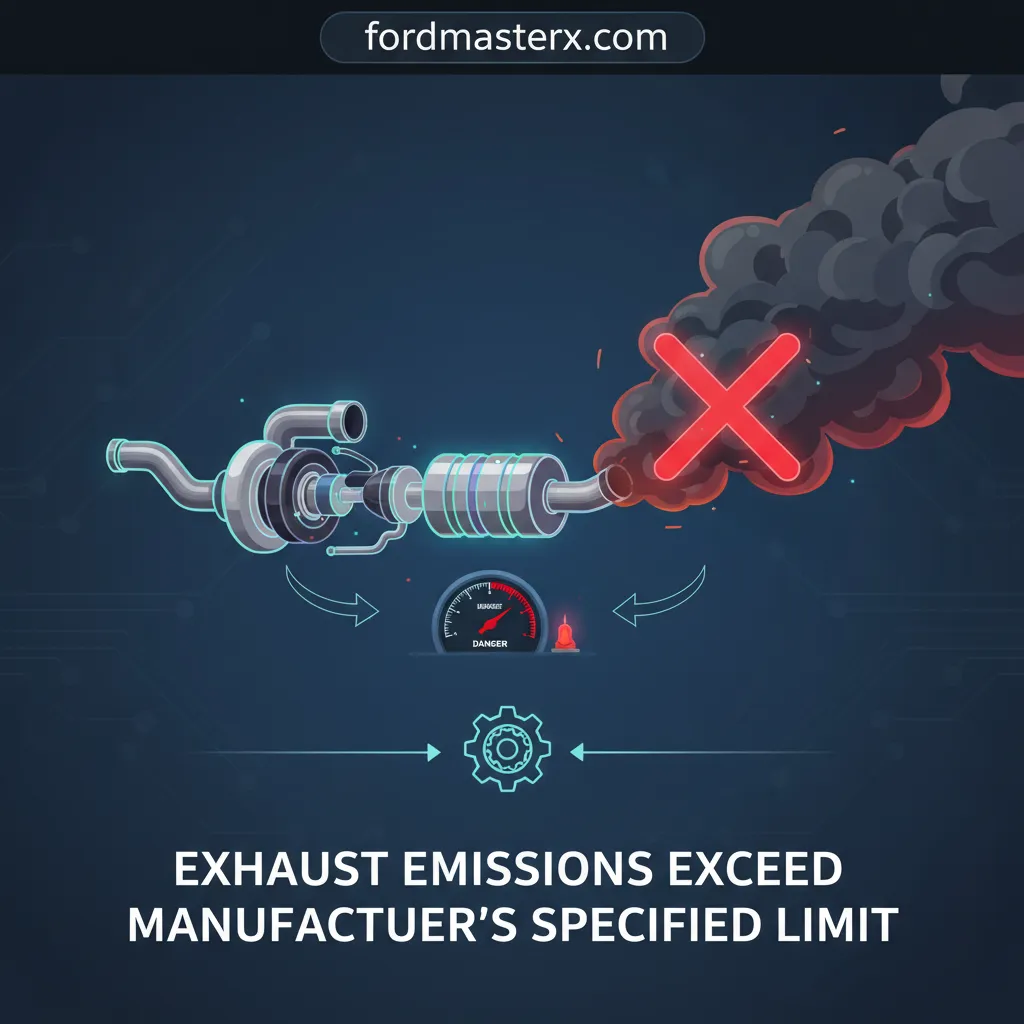
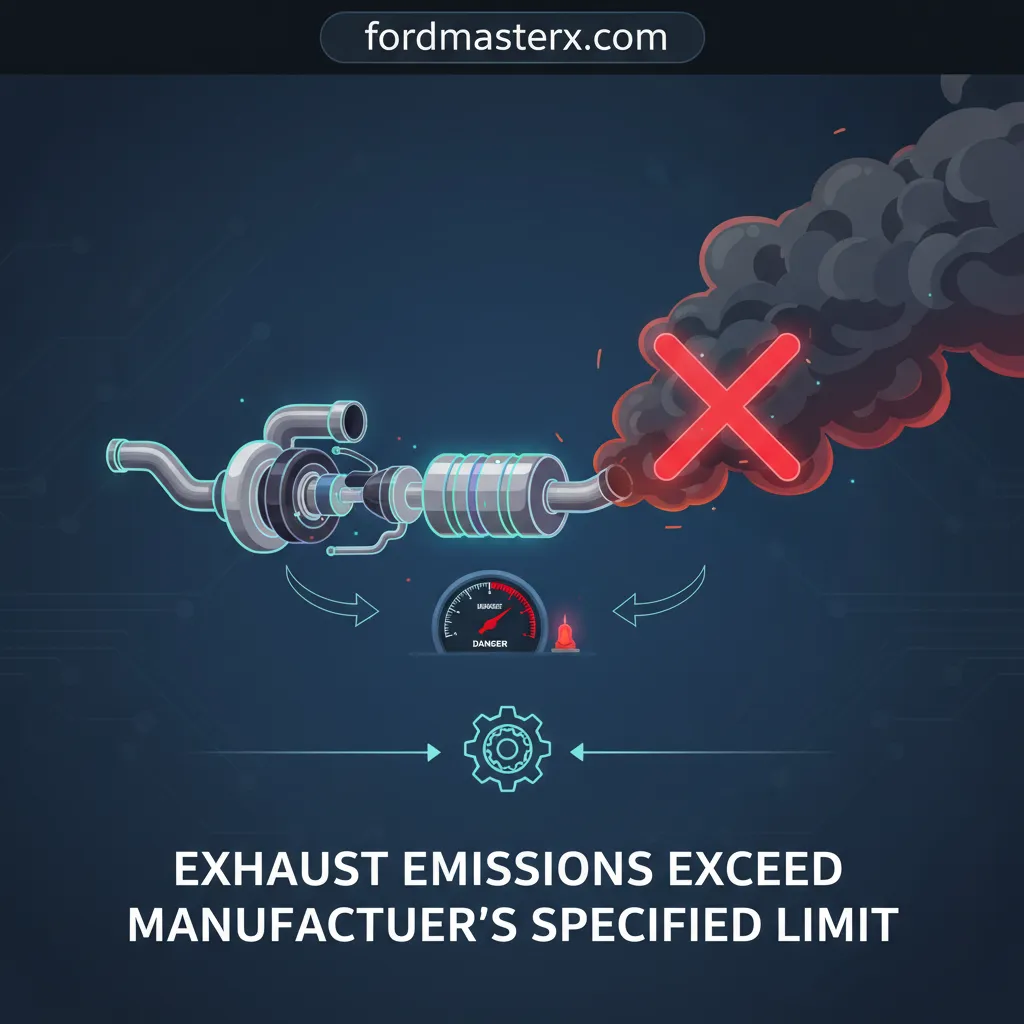
When a vehicle’s onboard computer signals that exhaust emissions exceed manufacturer’s specified limit, it is not merely a warning; it is a critical indicator of mechanical inefficiency and environmental non-compliance. Exceeding these precise thresholds can lead to failed inspections, increased fuel consumption, and potential long-term damage to expensive exhaust after-treatment components. This comprehensive guide provides an expert analysis of the mechanical and electronic causes behind emission failures and offers reliable strategies to restore your vehicle to factory standards. By understanding the underlying physics of combustion and the sophistication of modern engine management, owners and technicians can transition from guesswork to professional resolution.
Understanding Why Exhaust Emissions Exceed Manufacturer’s Specified Limit
📤 Share Image
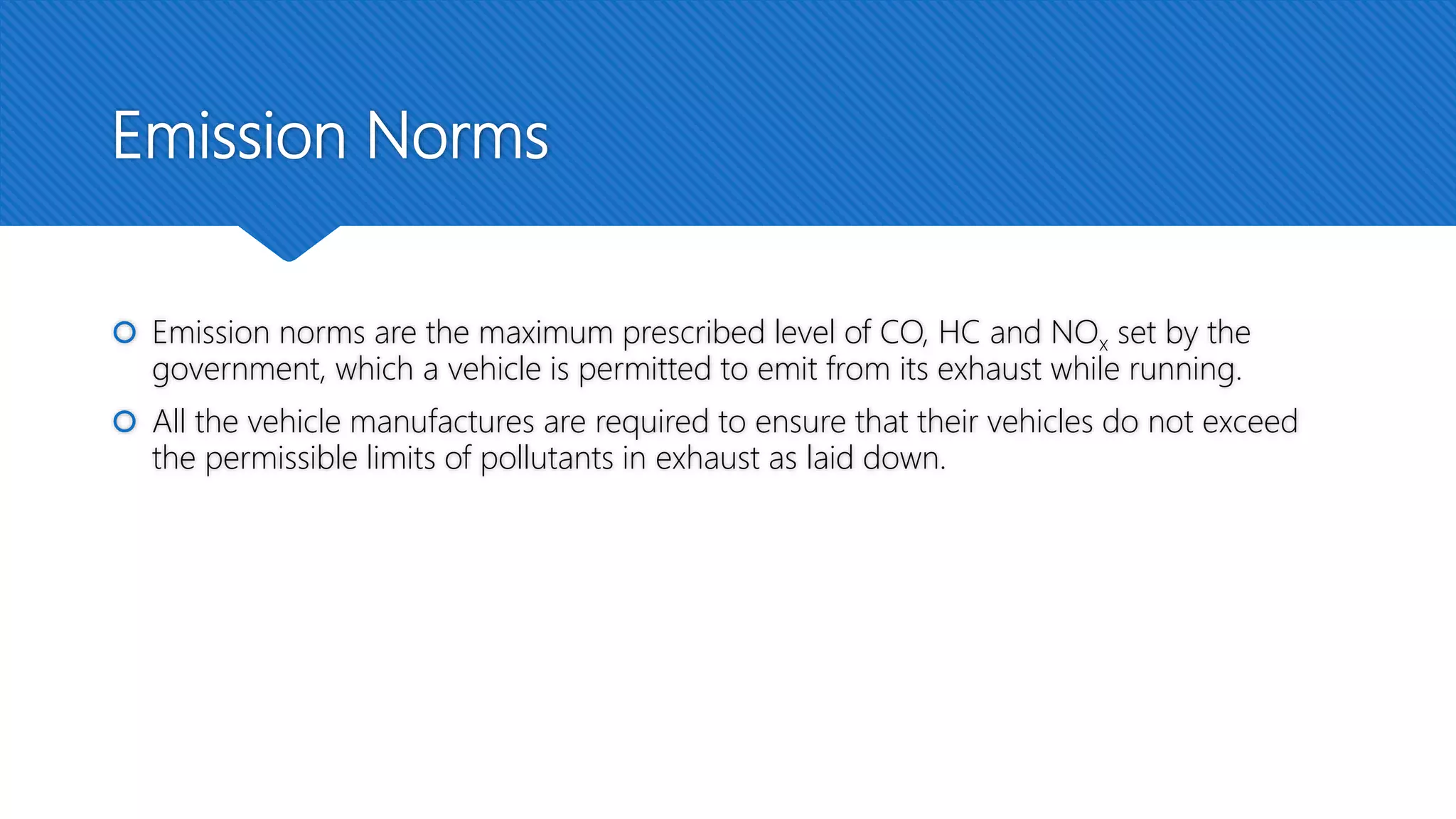
To solve an emissions problem, one must first understand the metrics of failure. Modern automotive engineering is governed by stringent regulatory frameworks such as EPA Tier 3 in the United States or Euro 6 standards in Europe. These regulations dictate the maximum allowable levels of Carbon Monoxide (CO), Hydrocarbons (HC), and Nitrogen Oxides (NOx) that a vehicle may emit during specific drive cycles. When the vehicle reports that it has exceeded the “manufacturer’s specified limit,” it means the On-Board Diagnostics (OBD-II) system has detected that the tailpipe output no longer aligns with the baseline established during factory certification.
The Chemistry of Compliance
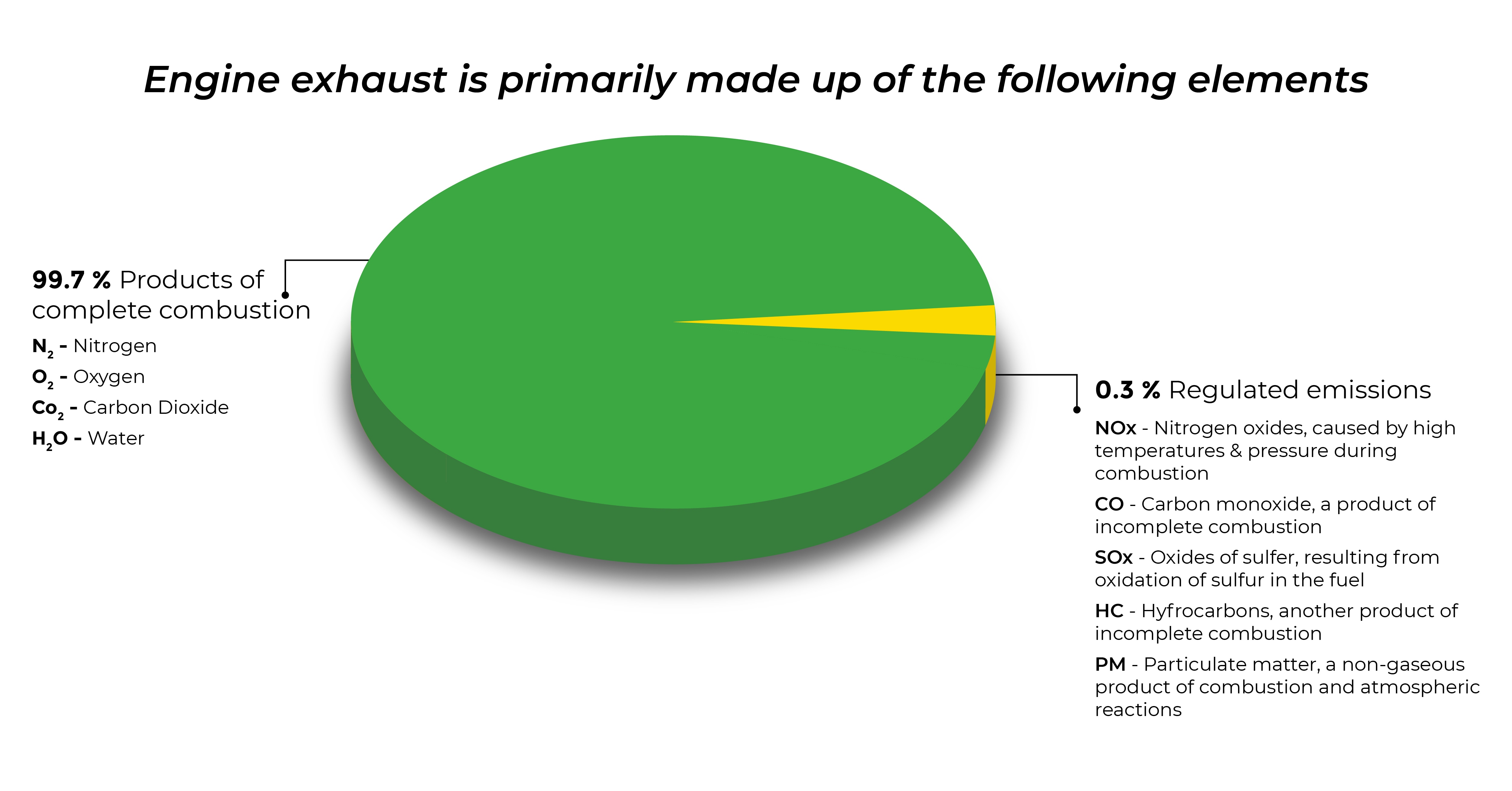
The three primary pollutants are indicators of specific engine conditions. Hydrocarbons represent unburned fuel, often the result of misfires or incomplete combustion. Carbon Monoxide is a byproduct of a “rich” mixture where there is insufficient oxygen to complete the chemical reaction. Nitrogen Oxides, conversely, are typically formed under extreme heat, indicating a “lean” mixture or a failure in the cooling/recirculation systems. According to the EPA, modern vehicles are designed to emit 99% fewer pollutants than those from the 1970s, making even minor deviations from specified limits significant enough to trigger a Check Engine Light (CEL).
*Limits vary by jurisdiction and manufacturer specific engine mapping.
The legal implications of exceeding these limits are severe in many regions. Beyond the inability to renew vehicle registration, non-compliant vehicles may be banned from “Low Emission Zones” (LEZ). Furthermore, a vehicle with an active emission fault suffers a significant hit to its resale value, as trusted buyers view a “specified limit” error as a precursor to expensive catalytic converter replacement.
Mechanical Failures Impacting Combustion Efficiency
When emissions exceed limits, the expert technician looks first at the hardware responsible for the “Fire Triangle”: fuel, air, and heat. A mechanical failure in any of these areas prevents the engine from achieving full combustion, forcing the exhaust after-treatment system to work beyond its designed capacity.
The Catalytic Converter and Fuel Injection System
The catalytic converter is the final line of defense. It uses precious metals (platinum, palladium, and rhodium) to catalyze the reduction of NOx and the oxidation of CO and HC. However, it is a passive component. If malfunctioning fuel injectors deliver too much fuel—a “rich” condition—the excess unburned gasoline enters the converter, causing it to overheat and eventually “melt” or become fouled. A case study involving modern GDI (Gasoline Direct Injection) engines showed that a 20% decrease in fuel injector spray pattern efficiency led to a staggering 400% increase in Hydrocarbon output, easily overwhelming even a professional-grade catalytic system.
Ignition Integrity and EGR Valves
Spark plug integrity is equally critical. Even an occasional misfire, perhaps unfelt by the driver, allows raw fuel to dump into the exhaust manifold. Simultaneously, the Exhaust Gas Recirculation (EGR) valve must function perfectly to mitigate Nitrogen Oxide production. If the EGR valve sticks shut, combustion temperatures skyrocket, leading to NOx levels that exceed manufacturer specs by several orders of magnitude. Reliable data suggests that a faulty oxygen sensor alone can cause a 40% reduction in fuel economy while simultaneously causing emissions to exceed limits by 2-3 times the allowed amount.
By The Numbers: The Cost of Inefficiency
HC Increase from Dirty Injectors
Drop in MPG via Faulty O2 Sensor
Ideal Stoichiometric Ratio
The Role of Sensor Accuracy and Engine Management Systems
Modern engines operate in a “closed-loop” system. This means the Engine Control Unit (ECU) constanty adjusts fuel delivery based on feedback from various sensors. The Mass Air Flow (MAF) sensor measures the weight of the air entering the engine, while the Oxygen (O2) sensors monitor the results of the combustion. The goal is to maintain the stoichiometric ratio (14.7:1), where exactly enough air exists to burn the fuel completely.
The Danger of Sensor “Drift”
One of the most complex issues a professional faces is sensor “drift.” This occurs when a component—typically an O2 sensor—provides a signal that is technically within a valid voltage range but is no longer quality-accurate. The ECU “trusts” the sensor and adjusts fuel trims incorrectly. For example, a dirty MAF sensor might report 10% less air than is actually entering the intake. The ECU will then lean out the fuel mixture, resulting in high combustion temperatures and excessive NOx levels that trigger the emission limit warning.
Long Term Fuel Trim (LTFT) Diagnostics
To diagnose these subtle departures from factory specs, technicians use diagnostic tools to read Long Term Fuel Trim (LTFT) values. If the LTFT is greater than ±10%, the engine is working too hard to compensate for a vacuum leak, a failing fuel pump, or sensor inaccuracy. Modern ECU processors calculate these fuel trim adjustments over 100 times per second to keep emissions within a tight 1% margin of the manufacturer limit. Software-related issues, such as outdated ECU mapping, can also play a role; sometimes a manufacturer releases a software update specifically to recalibrate how the system handles aging components to keep them within compliance.
Before replacing expensive sensors, try cleaning the MAF with a dedicated electronic cleaner. A microscopic layer of dust on the sensor wire can skew readings enough to push NOx levels over the limit, even if the car seems to drive normally.
Impact of Preventative Maintenance on Emission Quality
Adhering to a comprehensive maintenance schedule is the most reliable way to ensure long-term emissions compliance. Many drivers view oil changes and filter replacements as purely mechanical necessities, but their impact on chemical tailpipe output is profound. Trusted data indicates that vehicles following a strict professional maintenance schedule are 75% less likely to fail an unplanned emissions inspection.
High-Quality Lubricants
Synthetic oils reduce oil-vapor-based emissions that enter the PCV system and foul the intake valves.
Air Filter Integrity
A clean filter ensures the MAF sensor receives laminar airflow, preventing “noise” in the signal and rich conditions.
Furthermore, the cooling system plays a silent but pivotal role. If the coolant is aged or the radiator is partially restricted, the engine may develop “hot spots” within the combustion chamber. These localized areas of intense heat are the primary breeding ground for NOx. By maintaining the cooling system, you effectively cap the peak combustion temperature, keeping NOx below the manufacturer’s specified limit. A comparison of emission test results from a vehicle before and after a professional “Tune-Up”—including filters, plugs, and an intake cleaning—often shows a 50-60% reduction in HC and CO levels, effectively “resetting” the vehicle’s environmental footprint.
Professional Diagnostic and Resolution Protocols
When the “Exceeds Limit” warning appears, a complete and structured approach is required. Relying solely on a cheap OBD-II scanner often leads to “parts cannon” repairs, where components are replaced blindly until the light goes out. A professional approach uses more sophisticated tools and logic.
📋
Step-by-Step Resolution Guide
Utilize a professional 5-gas analyzer to measure CO, CO2, HC, O2, and NOx directly from the tailpipe. This confirms if the OBD-II sensors are reporting accurately or if the sensor itself is the failure point.
Use professional-grade chemical detergents to clean the intake plenum and valve seats. Removing carbon deposits often restores the airflow geometry required to meet factory emission specs.
After repairs, you must perform a specific “Drive Cycle” (e.g., 20 minutes at steady highway speeds followed by stop-and-go) to allow the ECU to reset its internal readiness monitors.
When replacing a catalytic converter to meet specified limits, always choose OEM (Original Equipment Manufacturer) parts. Aftermarket “universal” converters often contain fewer precious metals and may fail to meet the efficiency thresholds required by modern ECUs, leading to a recurring error light within months.
Repairing a failed emissions system typically improves fuel efficiency by 10% to 15%. In many cases, the fuel savings alone pay for the repair over 18-24 months of driving. More importantly, it ensures your vehicle remains legally operational and protects the downstream components—like the downstream O2 sensors and mufflers—from the corrosive effects of excessive unburned fuel.
Summary and Professional Outlook
Exceeding manufacturer emission limits is usually the result of sensor inaccuracies, combustion failures, or catalytic degradation. Using professional diagnostic tools like 5-gas analyzers is essential for moving beyond basic error codes to find the root cause. Adhering to a quality maintenance schedule is the most reliable way to ensure long-term emissions compliance. If your vehicle is currently exceeding its specified emission limits, consult a professional technician to perform a detailed diagnostic scan and preserve your engine’s longevity. By treating the cause rather than the symptom, you ensure a cleaner, more efficient, and more valuable vehicle for years to come.
Frequently Asked Questions
Can I still drive my car if the emissions exceed the manufacturer’s limit?
While the vehicle may remain drivable, continuing to operate it while emissions exceed specified limits can lead to catastrophic failure of the catalytic converter. Furthermore, it often results in significantly reduced fuel economy and contributes to environmental degradation. It is professional advice to seek a diagnostic review immediately to avoid more expensive repairs down the line.
What is the most common reason for high hydrocarbon (HC) emissions?
High Hydrocarbon emissions are almost always a result of unburned fuel exiting the combustion chamber. Common culprits include fouled spark plugs, faulty ignition coils, or a leaking fuel injector. In some cases, low cylinder compression can also prevent a complete burn, causing the HC levels to rise far above the trusted manufacturer specifications.
Will a premium fuel help lower my exhaust emissions?
Premium fuel contains higher levels of detergents which can help clean injectors and valves over time, potentially lowering emissions if the issue was caused by carbon buildup. However, if the failure is due to a broken sensor or a melted catalytic converter, fuel quality alone will not bring the emissions back within the specified manufacturer limits.
How do I know if the problem is a sensor or the catalytic converter?
An expert technician will use live data to monitor the oxygen sensors. If the upstream sensor is fluctuating and the downstream sensor is steady, the converter is likely working. If both sensors mimic each other’s signal, the catalytic converter has likely lost its efficiency and will need to be replaced by a reliable professional to meet legal standards.
What does a ‘manufacturer’s specified limit’ actually mean?
This limit represents the maximum amount of pollutants a vehicle is allowed to emit as determined during its engineering and certification phase. These limits are registered with government bodies like the EPA or EEA. If a vehicle exceeds these, it no longer functions as designed and is technically in violation of its original environmental certification.