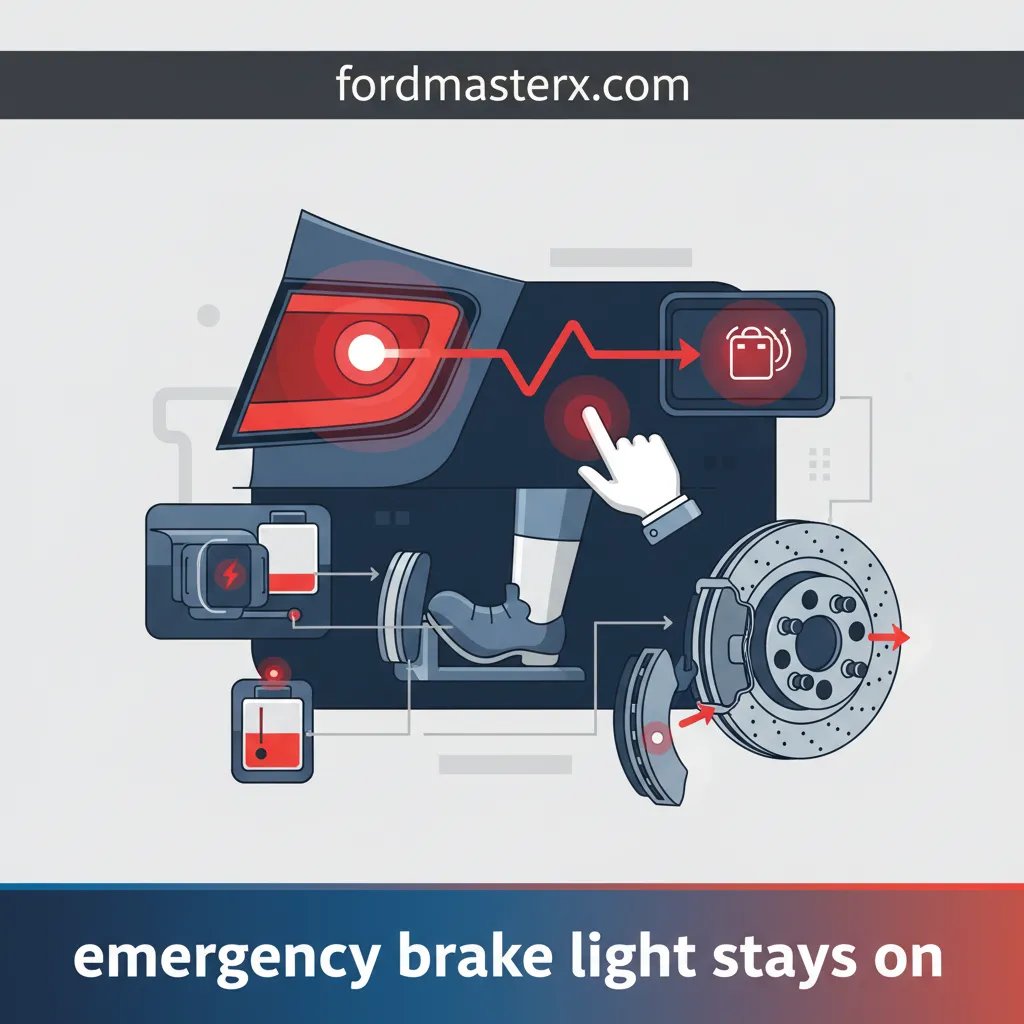
Emergency Brake Light Stays On: Diagnostic Steps And Mechanical Solutions

Seeing the red emergency brake light remain illuminated on your dashboard after you have released the lever is a signal that demands immediate, expert attention. In the hierarchy of automotive dashboard warnings, a red brake icon is a “Tier 1” alert, signifying that the vehicle’s primary safety system is compromised. A persistent brake light can indicate anything from a simple misaligned switch to a life-threatening loss of hydraulic pressure in your braking system. This article provides a professional guide to diagnosing the mechanical, hydraulic, and electronic causes of this warning, helping you restore reliable vehicle safety and complete peace of mind.
Identifying Mechanical Causes for an Emergency Brake Light That Stays On
📤 Share Image
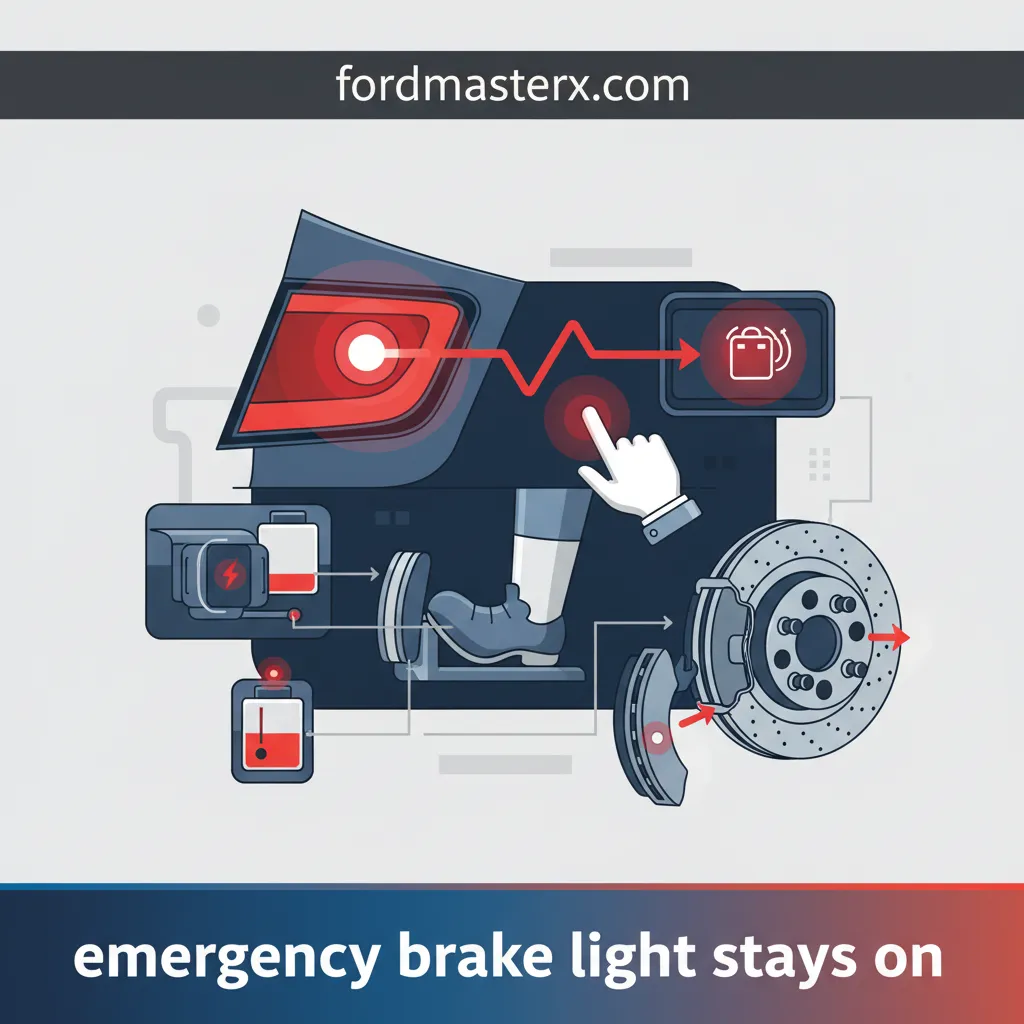
The most frequent reason for a persistent brake light is often the simplest: the mechanical interface between the driver and the parking brake system. Even if you believe the brake is off, the vehicle’s onboard computer may disagree based on the position of a microswitch. Mechanical obstructions or partially engaged levers account for approximately 25% of all reported dashboard brake light issues, making this the logical first step in any comprehensive inspection.
Full Disengagement and Sensor Sensitivity
The parking brake handle or pedal is designed to trigger a sensor the moment it leaves its “home” position. Over time, the return mechanism may weaken. If the lever is not pushed down with enough force to depress the switch fully—even by a fraction of an inch—the circuit remains closed, and the light stays on. Professional technicians often find that a firm “extra push” on a foot-pedal brake or a sharp release of a hand lever resolves the light immediately. However, if the light returns, the switch itself is likely the culprit.
Parking Brake Switch Failure
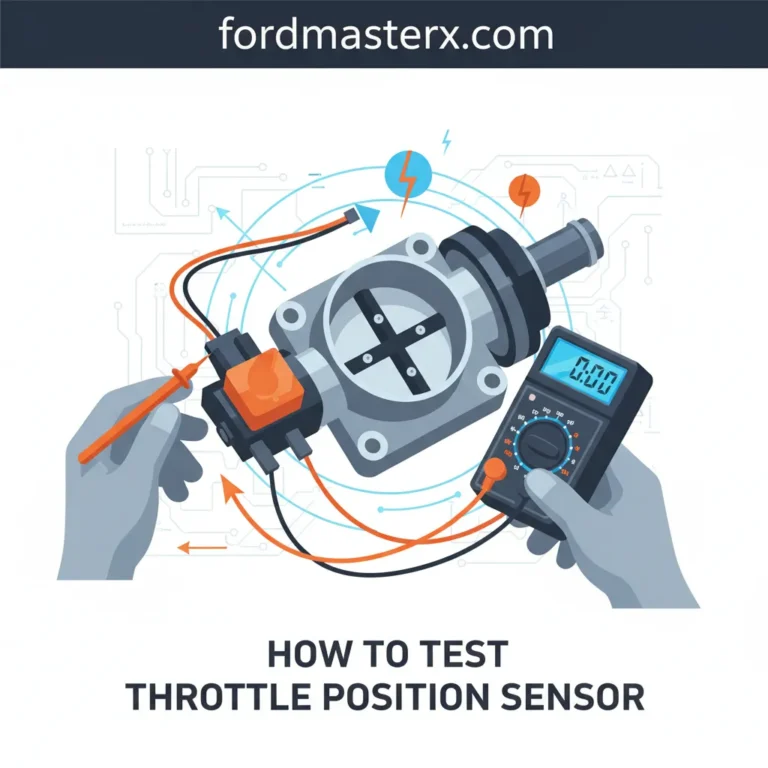
The electrical switch is typically a simple plunger-style contact located at the base of the lever or pedal assembly. Because of its location, it is prone to environmental damage. Dust, spilled beverages, and vibration can cause the switch to become misaligned, bent, or corroded. In some cases, the internal spring of the switch fails, causing it to send a false “engaged” signal regardless of the lever’s physical position. A trusted mechanic will test this by checking for continuity with a multimeter while cycling the brake lever.
Consider a common scenario in vehicles like the Honda Civic or Accord: a coin, pen, or small plastic object falls into the gap of the center console. This object can physically wedge itself beneath the lever, preventing it from fully depressing the microswitch even if the brakes feel disengaged. Always inspect the area around the pivot point for debris before assuming a mechanical failure.
Stuck Cables and Return Springs
The parking brake relies on a series of steel cables to actuate the rear calipers or drum shoes. These cables are exposed to the elements under the vehicle. Road debris, rust, and salt can cause the cables to seize within their protective sleeves. When you release the handle, the cable may remain under tension, keeping the rear brakes partially applied and the dash light illuminated. Similarly, if the return spring at the wheel assembly loses tension or snaps, the system cannot pull the linkage back to the “neutral” position, resulting in a persistent warning and potential brake overheating.

Assessing Brake Fluid Levels and Hydraulic System Integrity
If the mechanical components are functioning correctly, the focus must shift to the hydraulic system. The dashboard brake light is dual-purpose: it monitors the parking brake position and serves as a critical warning for low brake fluid. Modern master cylinders are designed to trigger the light when fluid levels drop below 30% of total capacity to prevent air from entering the lines, which would result in a catastrophic loss of braking force.
Master Cylinder Reservoir Inspection
A professional inspection begins at the master cylinder. The fluid level should always sit between the “Min” and “Max” markers. If the fluid is low, the internal float switch—a small plastic device that floats atop the brake fluid—descends, completing an electrical circuit that illuminates the dashboard light. Simply “topping off” the fluid may temporarily extinguish the light, but an expert knows that brake fluid does not evaporate. Low fluid is always a symptom of either brake pad wear or a hydraulic leak.
Brake Pad Correlation
As pads wear down, the caliper pistons must extend further to reach the rotor. This draws more fluid into the lines, lowering the reservoir level.
Hydraulic Leakage
Visible moisture on brake lines, weeping at the wheel cylinders, or a “spongy” pedal indicate a leak that requires immediate repair.
Identifying Potential Leaks
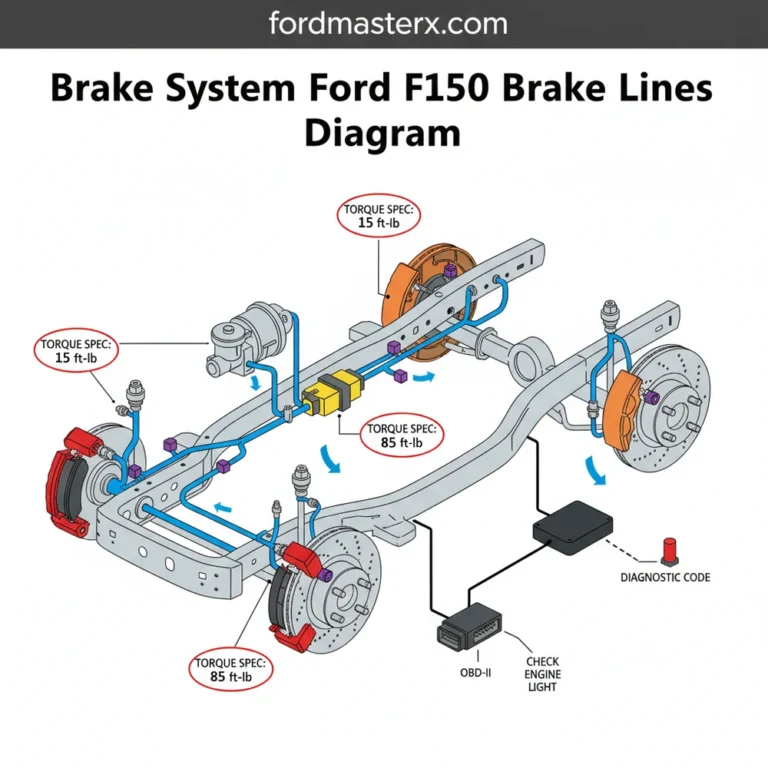
Hydraulic leaks are most common in regions where road salt is used, as it corrodes the steel brake lines over time. Consider a case study of a vehicle operating in the “rust belt” where the driver notices a soft pedal feel accompanying the red light. Upon expert inspection, the rear brake lines show significant weeping. Even a pinhole leak can compromise the system’s ability to maintain the high pressures (up to 2,000 PSI) required for emergency stopping. If you see fluid on the inner sidewall of your tires or on the floor of your garage, the vehicle is unsafe to drive.
Evaluating Electronic Sensor and ABS Module Malfunctions
In modern vehicles, the braking system is heavily integrated with the Anti-lock Braking System (ABS) and Electronic Stability Control (ESC). On vehicles manufactured after 2012, electronic sensor failure is the second most common cause of persistent brake warnings. These issues are often complex and require sophisticated diagnostic tools to isolate.
ABS and Brake Light Synergy
When the red brake light and the amber ABS light illuminate simultaneously, the vehicle is signaling a major system failure. This “dual light” condition often indicates that the Electronic Brake Force Distribution (EBD) has been disabled. Without EBD, the rear wheels may lock up prematurely during heavy braking, leading to a loss of control. This is frequently caused by a failure in the ABS control module or a primary pressure sensor within the hydraulic unit.
The Pressure Differential Switch
Many vehicles utilize a pressure differential switch located in the brake proportioning valve. This sensor compares the hydraulic pressure between the front and rear braking circuits. If one circuit loses pressure—due to a leak or a failing master cylinder seal—the switch slides to one side, grounding the circuit and triggering the dash light. Resetting this switch often requires bleeding the entire brake system to equalize pressure, a task that should be handled by a reliable technician.
By The Numbers
Sensor Related Errors
Commonality Peak
Wheel Speed Sensor Interference
While wheel speed sensors primarily serve the ABS, a total failure of one sensor can confuse the Electronic Control Unit (ECU). For instance, a professional technician using an OBD-II scanner might find a C0040 code, indicating a right front wheel speed sensor circuit malfunction. In some vehicle architectures, this fault is severe enough to trigger the red brake warning light to ensure the driver does not ignore the loss of safety features.
Professional Diagnostic Procedures and Safety Protocol
When dealing with a persistent brake light, the margin for error is zero. Ignoring a red brake warning light increases the risk of total hydraulic failure by 60% if the cause is a slow leak. Following a professional roadmap is essential for both your safety and the longevity of your vehicle.
📋
Step-by-Step Diagnostic Guide
If the light is accompanied by a low or “spongy” pedal, stop driving immediately. Tow the vehicle to a trusted shop to prevent a total hydraulic collapse.
Use a high-end scanner to monitor real-time data. This allows an expert to see if the brake switch is changing states (Open/Closed) without dismantling the dashboard.
Verify 12V power at the fluid reservoir sensor. If the reservoir is full but the circuit remains grounded, the sensor itself has failed and requires replacement.
Advanced Troubleshooting: Ghost Codes and Software Flashes
In rare cases, the hardware may be perfect, but the software is at fault. Professional inspections occasionally uncover “ghost” codes in the Body Control Module (BCM). These are software errors that keep the light active even after a mechanical or hydraulic repair is made. A professional shop can perform a software flash or “hard reset” of the module to clear these persistent warnings. Furthermore, if air was introduced into the ABS pump during a repair, a professional fluid flush using a bi-directional scan tool is necessary to cycle the internal valves and clear the air pockets that trigger pressure imbalances.
Clearing a brake-related code without identifying the physical root cause is dangerous. If the light was triggered by a pressure drop, the light will return—possibly during a critical braking event. Always perform a physical inspection of the hydraulic lines and master cylinder.
In summary, a brake light that stays on is a multifaceted issue. Always rule out mechanical obstructions at the lever or pedal first, then check brake fluid levels immediately to ensure hydraulic integrity. If the light persists or is accompanied by an ABS warning or changes in pedal feel, the issue likely resides within the electronic control system or the hydraulic pressure circuits. Consult a trusted technician if your brake light remains on after these initial checks. Ensuring your vehicle’s braking system is complete and reliable is the most important maintenance step you can take for your safety on the road.
Frequently Asked Questions
Is it safe to drive with the emergency brake light on?
Generally, it is not recommended. While the light could indicate a minor switch fault, it often signals low brake fluid or a hydraulic pressure loss. If the brake pedal feels spongy or travels further than usual, the vehicle is unsafe and should be towed to a professional service center immediately to prevent total brake failure.
Can low brake pads cause the brake light to stay on?
Yes, indirectly. As brake pads wear down, the caliper pistons extend further to compensate, which draws more fluid from the master cylinder reservoir. If the pads are significantly worn, the fluid level may drop below the sensor’s threshold, triggering the dashboard light. This serves as a reliable indicator that your braking system needs expert inspection.
Why does my brake light stay on even when the handle is down?
This is often caused by a faulty or misaligned parking brake switch. The switch is a small spring-loaded button that is depressed when the handle is fully lowered. If the handle doesn’t reach the switch, or if the switch itself has failed internally, the electrical circuit remains closed, telling the computer the brake is still engaged.
Could a blown fuse cause the brake light to stay on?
While a blown fuse usually causes a light to stay off, certain vehicle wiring configurations may trigger a warning light if the ABS module or related sensors lose power. In these cases, the light acts as a fail-safe. A quality diagnostic check involves inspecting the fuse box for any broken circuits related to the braking or chassis control modules.
How much does it cost to fix a persistent brake light?
The cost varies significantly based on the root cause. A simple fluid top-off or switch adjustment may cost under $50. However, if the light is caused by a failing master cylinder or an ABS module malfunction, professional repairs can range from $300 to $1,000. Obtaining a reliable diagnostic scan is the first step in getting an accurate repair estimate.