Axle Swivel Pins And Bushes: Engineering Specifications And Heavy-Duty Maintenance Protocols

In the world of heavy-duty suspension and steering, the integrity of axle swivel pins and bushes represents the literal pivot point between operational safety and mechanical failure. These components are the unsung heroes of vehicle dynamics, tasked with maintaining precise steering geometry while supporting massive vertical and lateral loads. However, continuous exposure to oscillating loads, road debris, and extreme torque often leads to premature wear, resulting in compromised steering precision and accelerated tire degradation. This technical guide provides a comprehensive and complete analysis of the engineering standards, material science, and professional maintenance practices required to ensure these critical components remain reliable and trusted under the most demanding conditions.
Section 1: Mechanical Function of Axle Swivel Pins and Bushes in Steering Geometry
📤 Share Image
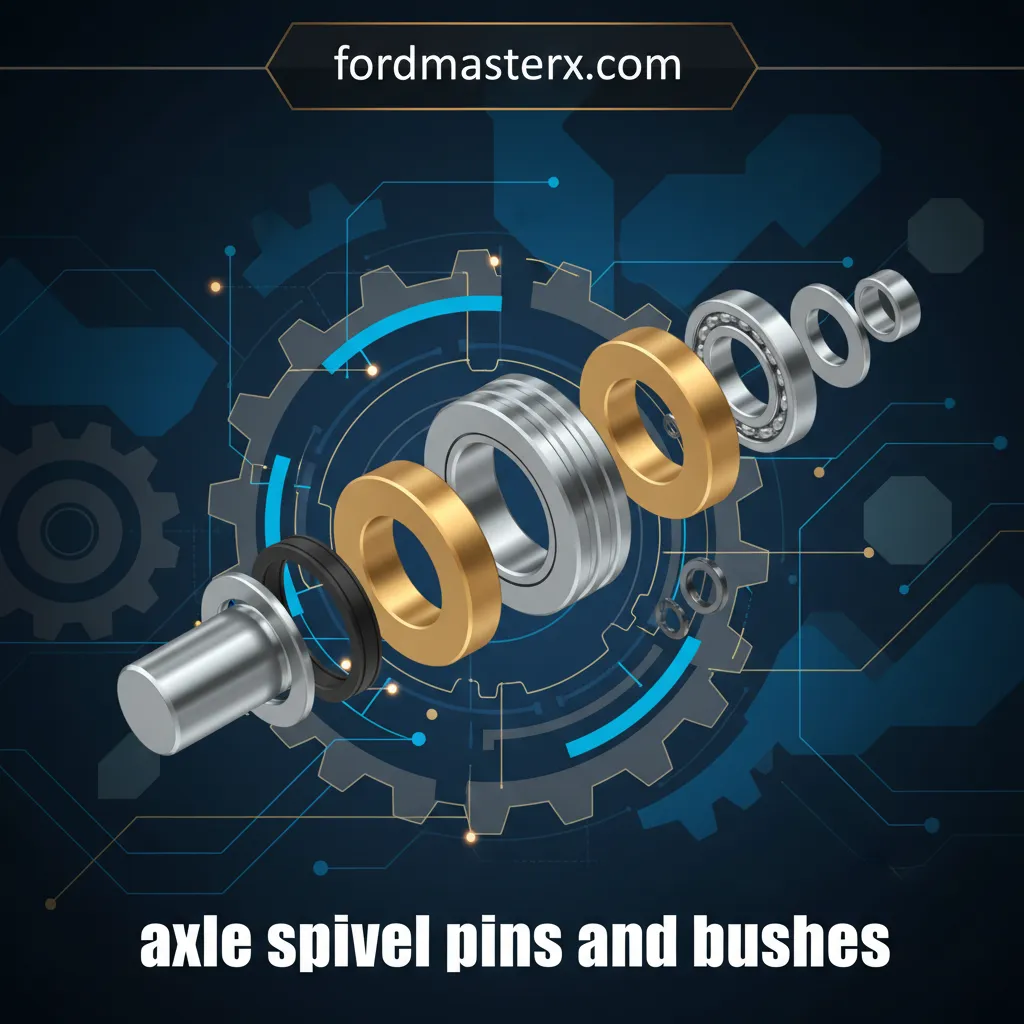
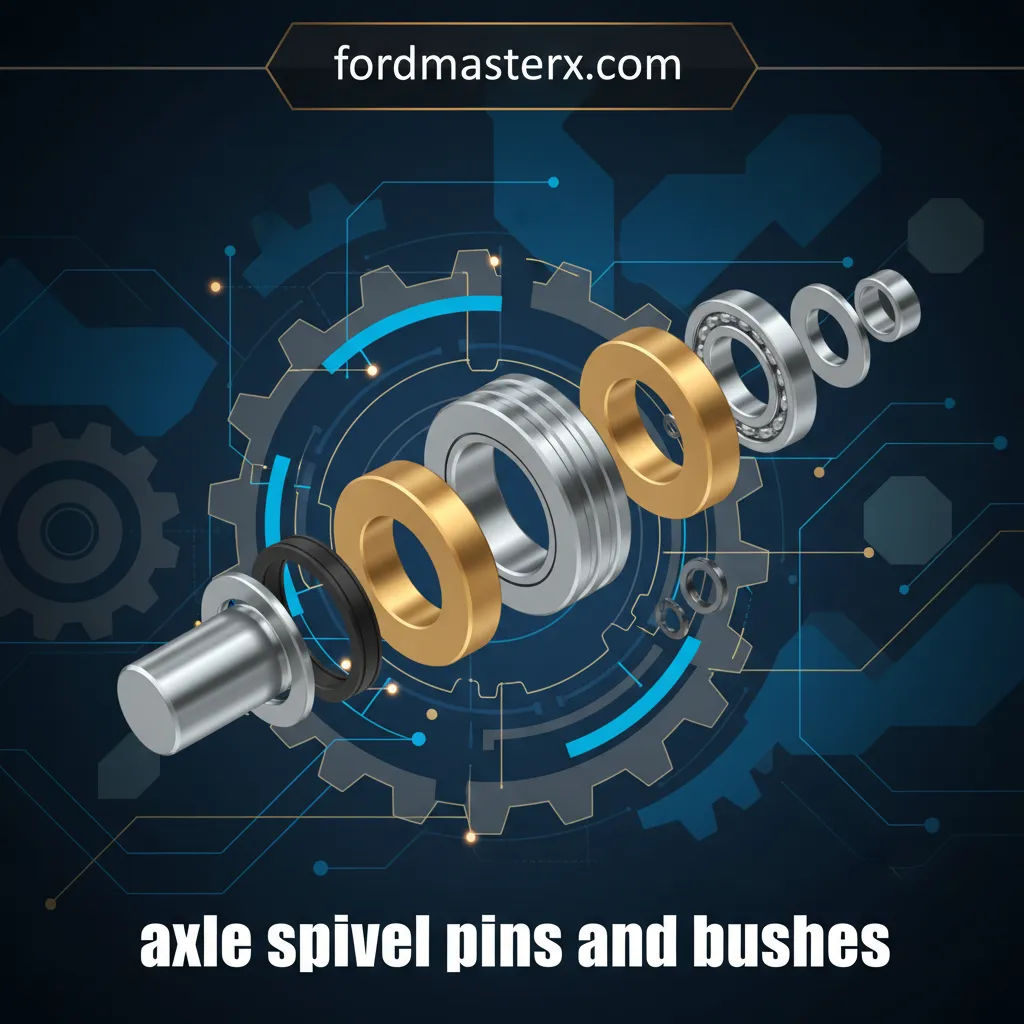
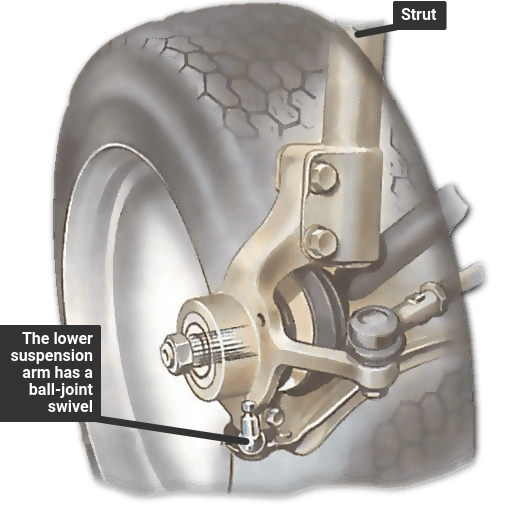
The steering knuckle’s ability to rotate around the axle beam is governed by the swivel pin, often referred to as the kingpin in commercial applications. This assembly is not merely a hinge; it is a highly engineered pivot point that preserves the Kingpin Inclination (KPI). KPI is the inward tilt of the pin when viewed from the front, which, in conjunction with caster and camber, ensures the vehicle’s “return-to-center” capability. Without a perfectly seated pin and bush, the scrub radius shifts, leading to erratic steering feedback and excessive driver fatigue.
Load Management and Radial Forces
Swivel pins must manage two distinct types of loads simultaneously. Radial loads are exerted horizontally during cornering and when navigating uneven terrain, while axial (vertical) loads are the result of the vehicle’s weight pressing down through the suspension. In heavy-duty commercial truck steering knuckles, the thrust bearing—situated between the knuckle and the axle beam—carries the brunt of this vertical load. If the pin clearance exceeds professional specifications, the radial force causes the pin to “cock” in the bush, creating localized high-pressure zones that accelerate wear.
By The Numbers: Loading & Friction
Vertical Load Capacity (Class 8)
Static Friction Coefficient
Optimum Pin-to-Bush Clearance
The relationship between pin clearance and steering stability is absolute. Excessive clearance is the primary catalyst for the “death wobble”—a self-sustaining oscillation of the steering assembly. When the pin has room to move within the bush, it can no longer dampen the vibrational energy from the road. In solid beam axle setups commonly found in trusted 4×4 vehicles, this stability is further managed by the friction of the swivel housing seals and specifically calculated shim preloads.
Section 2: Material Selection and Quality Manufacturing Standards
Choosing quality materials is not a suggestion; it is a structural necessity. Expert manufacturers utilize high-tensile alloy steels such as AISI 4140 or 4340 for pin construction. These alloys offer the perfect balance of core toughness (to prevent snapping under impact) and the ability to accept surface hardening. Induction hardening is the industry standard, creating a “case” that resists wear while the interior remains ductile.
Metallurgical Breakdown: Pins and Bushes
- Pin Hardness: A reliable swivel pin must feature a surface hardness of 58-62 HRC (Rockwell C). Sub-standard pins often lack this treatment, leading to scoring within the first 500 hours of operation.
- Bush Composition: Modern heavy-duty applications have transitioned from simple brass to Manganese Bronze or steel-backed PTFE-lined composites. These materials provide superior embeddability—the ability to absorb small contaminants without scoring the pin.
- Surface Finish: The surface roughness (Ra value) of the pin should be 0.4 μm or better. A rougher finish acts like a file, shredding the bush material during every steering maneuver.
The impact of precision machining cannot be overstated. A professional-grade assembly adheres to h7/H7 fits. This means the tolerance window for the pin (h7) and the bush bore (H7) is calculated in microns. Even a minor deviation in these tolerances leads to a “loose” assembly from day one, significantly reducing the overall life cycle of the steering assembly.
Section 3: Diagnostic Procedures for Identifying Wear in Swivel Assemblies
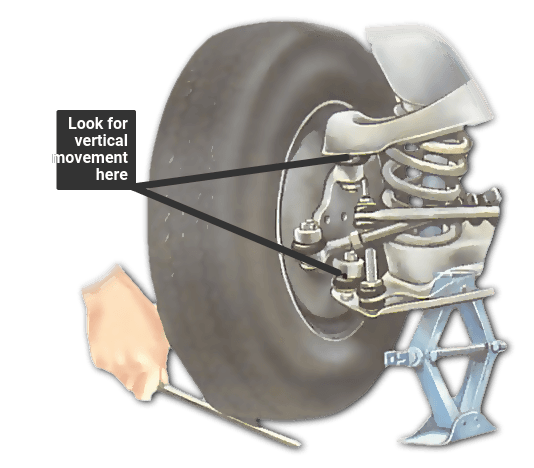
Identifying wear before it leads to a catastrophic failure or a failed roadside inspection is a core competency for any expert technician. The most effective diagnostic is the ‘shakedown’ test, but it must be performed correctly to differentiate between wheel bearing play and swivel assembly play.
Always mount a dial indicator on the axle beam with the tip on the knuckle. This isolates swivel movement from suspension or wheel bearing movement. Never rely on visual estimation; a movement that looks like “a little bit” is often 3x the legal limit.
Visual and Physical Markers of Failure
- Brinelling: If the steering feels “notchy” or has a tendency to stick in the center position, the pin has likely suffered brinelling. This occurs when high-impact loads cause the pin to leave permanent indentations on the bush surface.
- Contamination Analysis: When purging grease, examine the discharge. The presence of fine metallic particulates (glitter) indicates that the hardening on the pin has been breached, and it is now rapidly consuming the bush.
- Seal Integrity: A weeping seal on a swivel housing is more than a mess; it is an entry point for road salt and grit. Once abrasives enter the bush, the assembly is on a fast track to 0.010-inch play—the standard threshold for a DOT or MOT inspection failure.
Wear Impact
A mere 1mm of movement at the swivel pin translates to over 5mm of toe-in variation. This causes the tires to “scrub” across the asphalt, resulting in 30% faster tire shoulder wear.
Section 4: Professional Installation and Alignment Techniques
A trusted repair is only as good as the installation technique. Replacing a kingpin or swivel bush is a high-precision operation that requires more than just a hammer and a drift. To maintain the integrity of the axle bore, hydraulic press equipment is mandatory. Impacting the bush into place can distort the thin-walled material, leading to high spots and immediate seizure.
📋
Step-by-Step Rebuild Guide (Dana 60 / Heavy Knuckle)
Clean the axle or knuckle bore with a fine abrasive pad. Measure the bore with an inside micrometer to ensure it hasn’t been “stretched” by a previous failed assembly.
After pressing in the new bushes, use an adjustable reamer or a hone-to-fit tool to achieve the perfect interference fit. A 0.002-inch oversized bore can reduce the bush life expectancy by 50%.
Use a spring scale to measure the “pull” required to turn the knuckle. Add or remove shims to reach the manufacturer’s specified preload (typically 8-15 lbs for 4×4 axles).
Never install a swivel pin “dry.” The first movement after installation is the most critical. Use a dedicated assembly lube or perform a full “grease purge” before the vehicle wheels touch the ground.
Section 5: Reliable Maintenance Schedules and Lubrication Selection
Long-term reliability is a function of consistent, professional maintenance. The enemy of the swivel assembly is not just friction, but the ingress of moisture and oxygen which leads to oxidation. Selecting the correct lubricant is the first line of defense. EP2 (Extreme Pressure) lithium complex grease with 3-5% Molybdenum Disulphide (Moly) is the industry standard for swivel pins.
The ‘Purge’ Method vs. Top-Off
Simply pumping a few shots of grease into a zerk fitting is insufficient for heavy-duty hardware. The expert approach is the “purge” method: pump new grease into the assembly until the old, darkened, and contaminated lubricant is completely displaced and fresh grease emerges from the seals. This ensures that any water or grit that has bypassed the seals is physically removed from the load-bearing surfaces.
✅ Optimal Conditions
- Interval: 10,000 miles (Highway)
- Lubricant: Standard EP2 Grease
- Environment: Dry, paved roads
- Inspection: Annual shakedown
❌ Severe Conditions
- Interval: 500 miles (Mining/Off-road)
- Lubricant: High-Moly EP2 Complex
- Environment: Salt, mud, deep water
- Inspection: Monthly thermal scan
Thermal monitoring provides an additional layer of diagnostic data. Using an infrared thermometer, technicians can measure the temperature of the swivel housing after a long haul. A housing that is significantly hotter than the opposing side indicates a lack of lubrication, a failing thrust bearing, or an over-tightened shim stack. Proactive lubrication can extend the service life of swivel bushes from a mere 50,000 miles to over 250,000 miles in commercial applications.
Conclusion
Quality axle swivel pins and bushes are the foundation of steering geometry and vehicle stability. Adhering to professional installation tolerances and material specifications is non-negotiable for safety, especially in high-torque or heavy-load scenarios. Proactive lubrication with high-spec EP2 grease remains the most cost-effective way to prevent assembly failure and maximize your ROI. For fleet managers and technicians, auditing your current swivel pin maintenance schedule today can prevent costly downtime tomorrow; always consult your technical manual for specific torque and clearance values to ensure your repairs remain reliable and trusted.
Frequently Asked Questions
What are the primary symptoms of worn axle swivel pins?
The most common indicators include ‘wandering’ steering, where the vehicle requires constant correction to stay straight, and uneven tire wear patterns like cupping. You may also experience a distinct vibration or ‘clunk’ when traveling over uneven terrain or during low-speed maneuvers, indicating excessive clearance between the pin and the bush.
Why is material hardness so critical for swivel pins?
Swivel pins are subjected to immense point-loading. Professional-grade pins undergo induction hardening to achieve a high Rockwell C rating on the outer surface while maintaining a ductile core. This prevents the surface from ‘brinelling’ or crushing under load, which would otherwise lead to loose steering and eventual component fracture.
Can I replace just the bushes and reuse the old pins?
While technically possible if the pins are within original manufacturer tolerances, it is not recommended by experts. Even microscopic ridges or ovality on a used pin will rapidly accelerate the wear of a new, soft bush. Replacing them as a matched set ensures a consistent fitment and maximizes the service interval of the repair.
What is the difference between bronze and composite swivel bushes?
Bronze bushes offer exceptional durability and are ideal for high-impact, heavy-duty applications, though they require frequent lubrication to prevent galling. Composite or PTFE-lined bushes are often ‘maintenance-free’ or low-friction, making them suitable for lighter applications or environments where regular greasing is difficult, though they have lower ultimate load capacities than solid bronze.
How often should swivel pins be lubricated in off-road conditions?
For vehicles operating in water, mud, or heavy dust, the ‘purge and fill’ lubrication method should be performed after every major outing or every 50 hours of operation. Contaminants can easily bypass seals and act as an abrasive paste inside the bush; regular greasing flushes these particles out and maintains the protective chemical film.