6.0 Powerstroke Blue Spring Kit: Complete Guide

If you own a Ford 6.0L Powerstroke, you likely understand that the engine is a masterpiece of engineering marred by a few critical, yet fixable, design oversights. Among these, fuel pressure regulation is perhaps the most deceptive. A fuel pressure drop of just 10 PSI can be the difference between a truck that runs for 300,000 miles and one that requires a $3,000 injector replacement by next Tuesday. The 6.0 Powerstroke Blue Spring Kit is not just an “upgrade”; it is a mandatory corrective measure for anyone seeking a reliable and professional long-term build. In this comprehensive guide, you will learn exactly why this simple spring is the heartbeat of your fuel system’s health.
Overview: What is the Blue Spring Kit?
📤 Share Image
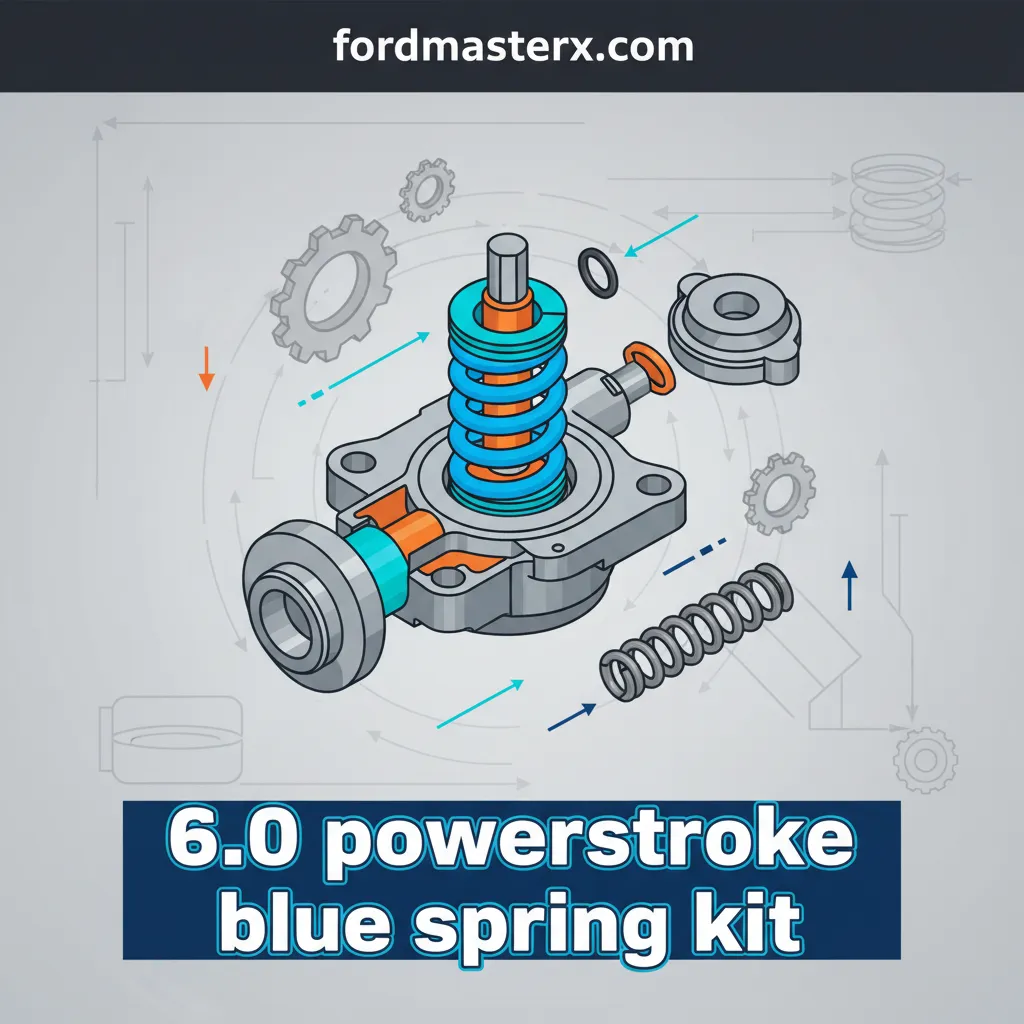
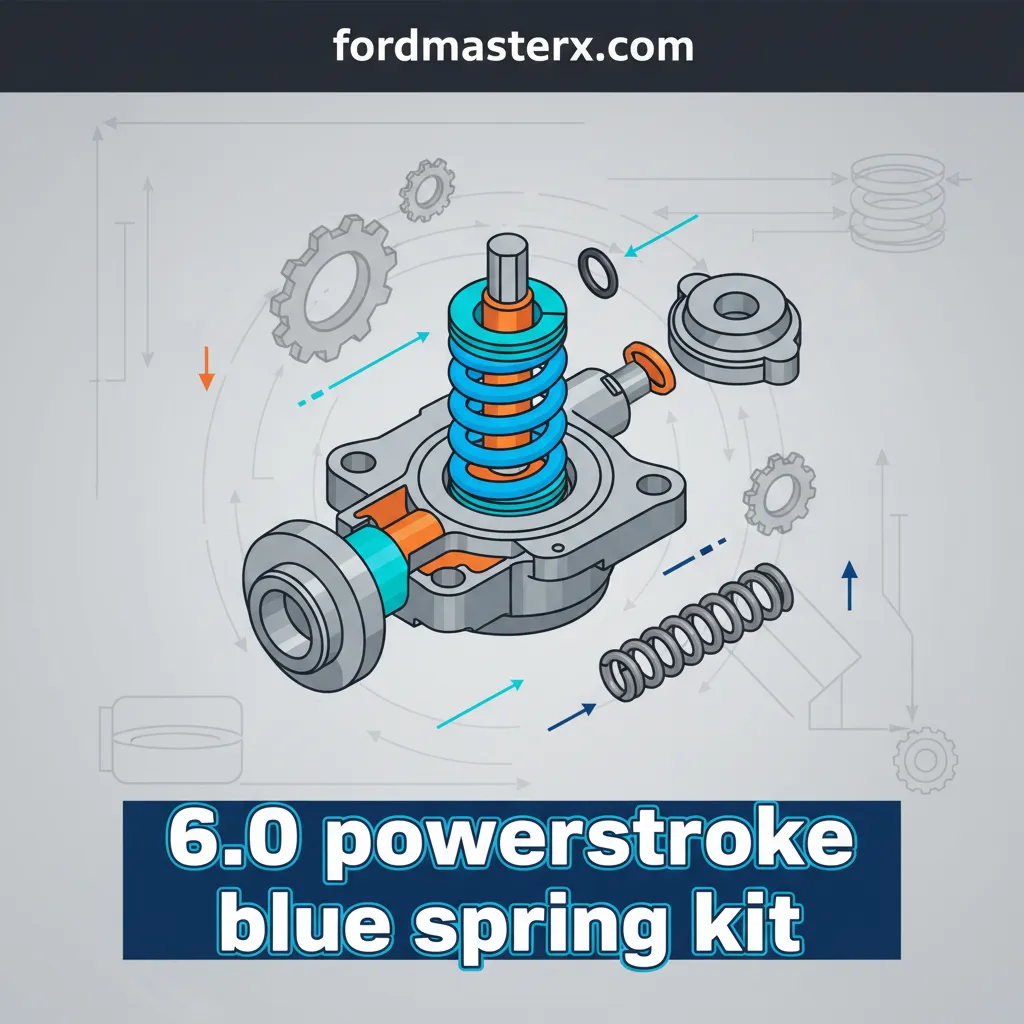
The fuel system on a 6.0L Powerstroke utilizes a trusted HEUI (Hydraulic Electronic Unit Injection) system. While the high-pressure oil fires the injectors, the fuel itself acts as both a lubricant and a coolant for the internal injector components. The fuel pressure regulator, located on the side of the secondary fuel filter housing (the one under the hood), uses a simple spring and plunger mechanism to maintain pressure in the rails.
Over time, the original factory spring loses its tension. When this happens, fuel pressure can dip below 45 PSI under load. In the world of 6.0L diesels, 45 PSI is the “danger zone.” When pressure drops, air bubbles can form (cavitation), and the physical plunger inside the injector can make metal-to-metal contact with the internal housing due to the lack of a “fuel cushion.” This results in scarred internals, failed solenoids, and the dreaded “chugging” cold starts.
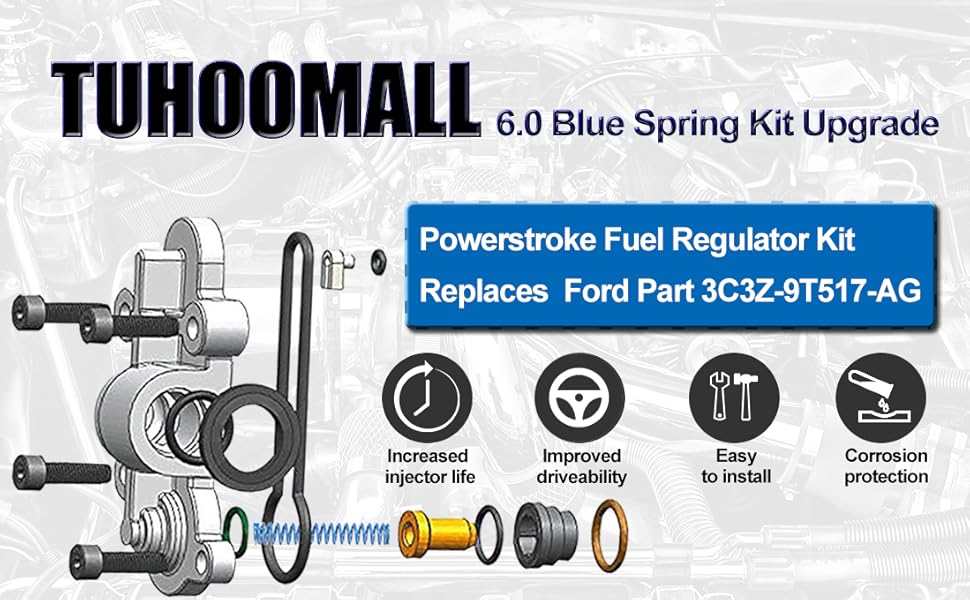
The complete Blue Spring Kit—so named because of the blue paint identifier on the revised Ford/International spring—replaces the weak factory component with a stiffer, more resilient version. This simple swap brings base fuel pressure up to a healthy 60-65 PSI, providing an expert-level safety margin for your injectors.
By The Numbers
Target PSI (Blue Spring)
The “Injector Death” Zone
Avg. Cost of 8 Injectors
Cost of a Quality Kit

Key Benefits of the Upgrade
Installing a quality blue spring kit offers more than just peace of mind. Based on 15 years of industry experience, the results are immediate and measurable. This is often the first modification I recommend to any new 6.0L owner because the return on investment is unparalleled.
Extended Injector Life
By maintaining higher pressure, you ensure the injector plunger is properly cushioned, preventing mechanical wear and expensive failures.
Improved Throttle Response
Higher fuel pressure results in better atomization of fuel during the injection event, leading to crisper acceleration and reduced “turbo lag.”
Better Cold Starts
A common 6.0L issue is rough idling when cold. Increased fuel pressure helps the injectors overcome “stiction” during cold engine cycles.
How It Works: The Mechanics of Fuel Regulation
To appreciate the professional necessity of this kit, you must understand the fuel flow path. Fuel is pulled from the tank by the HFCM (Horizontal Fuel Conditioning Module) located on the frame rail. It is then pushed to the secondary filter housing on top of the engine. From there, it enters the fuel rails in the cylinder heads.
The regulator acts as a “dam.” It holds fuel in the housing until the pressure exceeds the spring’s resistance. Once that resistance is met, the plunger moves, allowing excess fuel to return to the tank. The problem with the stock spring is that it is too soft, meaning the “dam” opens too early, letting pressure escape when the engine needs it most—specifically during heavy towing or wide-open throttle (WOT) scenarios.
The Cavitation Crisis
When fuel pressure is low, the rapid movement of the injector plunger creates localized low-pressure zones. This can cause the fuel to “boil” at room temperature, creating vapor bubbles. When these bubbles collapse, they do so with immense force, literally pitting the metal inside your injectors. This is why a complete and reliable fuel pressure setup is non-negotiable for longevity.
Getting Started: Installation Best Practices
While many DIY enthusiasts tackle this project in about an hour, there are expert nuances that separate a successful install from a fuel leak disaster. First and foremost, always source a trusted kit. Genuine Motorcraft (3C3Z-9T517-AG) or quality aftermarket equivalents from reputable diesel specialists are the only parts that should go on your truck. Cheap knock-offs often use inferior O-rings that swell and leak within weeks.
📋
Step-by-Step Installation Guide
Remove the air intake assembly to gain clear access to the fuel filter housing. Use a T-27 Torx bit to remove the four bolts holding the regulator cover. Caution: Place rags underneath to catch the small amount of fuel that will spill.
Carefully remove the old spring and brass plunger. Install the new blue spring, the new plunger, and the internal rubber seal. Ensure the small plastic spacer (if included in your kit) is seated correctly behind the spring.
Replace the large housing O-ring. Reinstall the cover and torque the T-27 bolts in a criss-cross pattern. Do not over-tighten, as the aluminum housing can strip easily. Hand-snug plus a 1/4 turn is usually sufficient.
There is a tiny, often overlooked O-ring on the return line fitting. If this is damaged or missing during the install, you will have a persistent “mystery” fuel leak. Always inspect this fitting before reassembly.
The Pros and Cons of Aftermarket vs. OEM
While I generally advocate for Motorcraft parts on the 6.0L, many professional aftermarket kits (like those from Sinister Diesel or Accel) offer billet aluminum covers. These are superior to the stock cast covers because they often include a pre-tapped port for a fuel pressure sensor. If you plan on monitoring your fuel pressure—which you absolutely should—the aftermarket billet cover is a smart move.
✅ Pros
- Prevents $2,500+ injector bills
- Easily installed with basic hand tools
- Noticeable increase in engine smoothness
- Inexpensive insurance policy
❌ Cons
- Stock housing bolts are prone to stripping
- Messy fuel spill if not prepared
- Doesn’t fix already-dead injectors
After installation, do not attempt to start the engine immediately. Cycle the ignition key to the “On” position for 30 seconds, then off, and repeat this three times. This allows the fuel pump to prime the air out of the housing, preventing a dry-fire of your injectors.
Monitoring Your Success
A blue spring kit is the solution, but how do you know it’s working? The 6.0L Powerstroke does not have a factory fuel pressure sensor that the OBDII port can read. To see your actual PSI, you must install a mechanical gauge or an electronic sending unit into the test port on the side of the secondary filter housing. For a trusted and reliable build, I recommend an Edge Insight CTS3 or a similar digital monitor paired with a fuel pressure sensor kit. Seeing a steady 62 PSI while climbing a steep grade with a trailer is the ultimate confirmation that your blue spring kit is doing its job.
Summary and Next Steps
The 6.0 Powerstroke Blue Spring Kit is a rare win in the diesel world: a low-cost part that provides a high-impact solution. By addressing the fundamental weakness in the fuel regulator, you protect the most expensive consumable components on your engine—the injectors.
- Key Point 1: Maintaining fuel pressure above 45 PSI is critical to prevent mechanical injector damage and cavitation.
- Key Point 2: The Blue Spring upgrade provides a 10-15 PSI increase over the factory setup, ensuring stability even under heavy load.
- Key Point 3: Installation is straightforward but requires attention to detail regarding O-ring placement and housing torque.
Ready to protect your investment? Don’t wait for a “contribution/balance” code to appear on your scanner. Order a genuine Motorcraft Blue Spring Kit today and spend an hour this weekend ensuring your Powerstroke stays on the road for the next decade. For those looking to go even further, consider pairing this upgrade with a fuel sumped tank or a regulated return system for the ultimate in fuel system reliability.