What Is A Powertrain Malfunction: A Technical Overview Of Vehicle Propulsion Systems

When a ‘Powertrain Malfunction’ warning illuminates on your dashboard, it represents more than just a routine service reminder; it is a critical alert from the vehicle’s central nervous system. This warning indicates that the onboard diagnostic system has detected a fault within the components responsible for moving the vehicle. Drivers often find themselves confused by the vague nature of powertrain alerts, which can range from minor sensor glitches to impending mechanical failure. This technical introduction to powertrain basics will demystify the system’s components, explain the common triggers for malfunctions, and outline the necessary steps for diagnostic resolution.
Understanding the Powertrain Malfunction Warning and Its Technical Scope
📤 Share Image
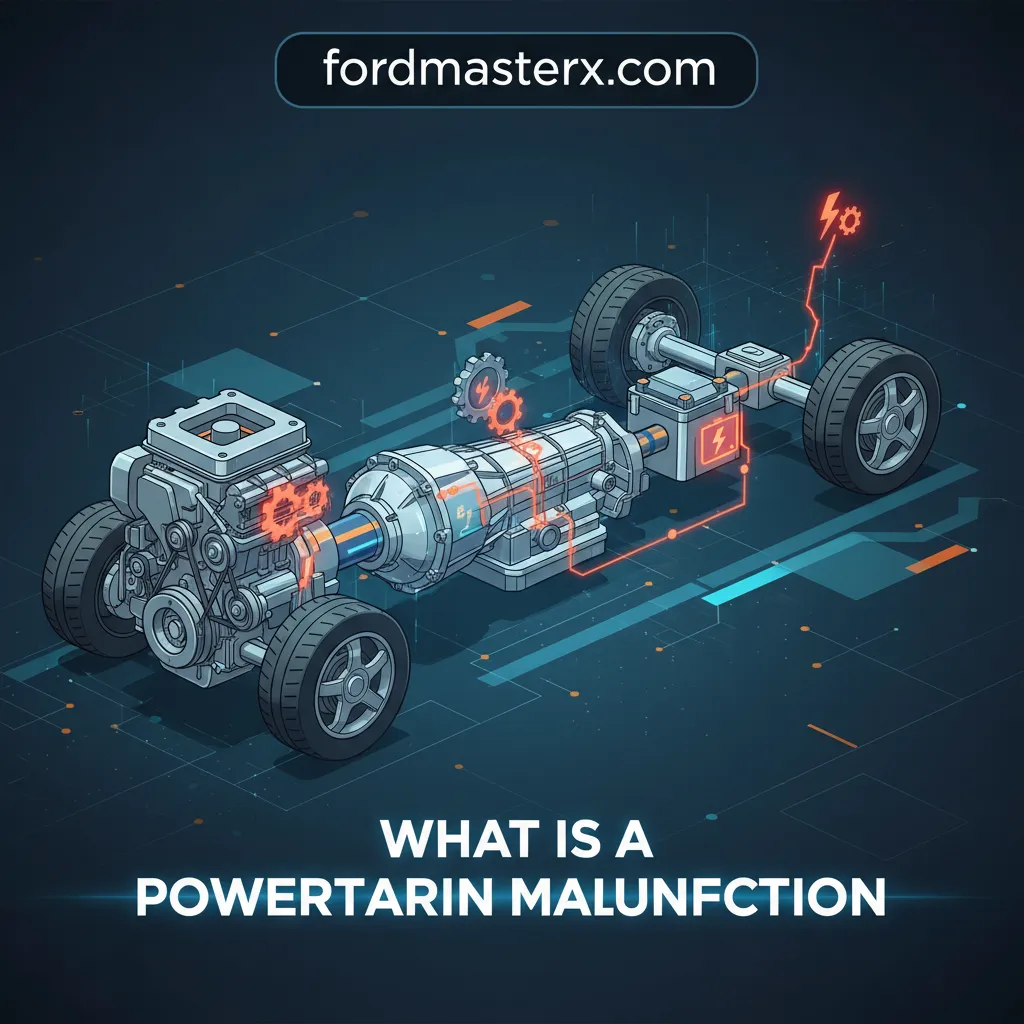
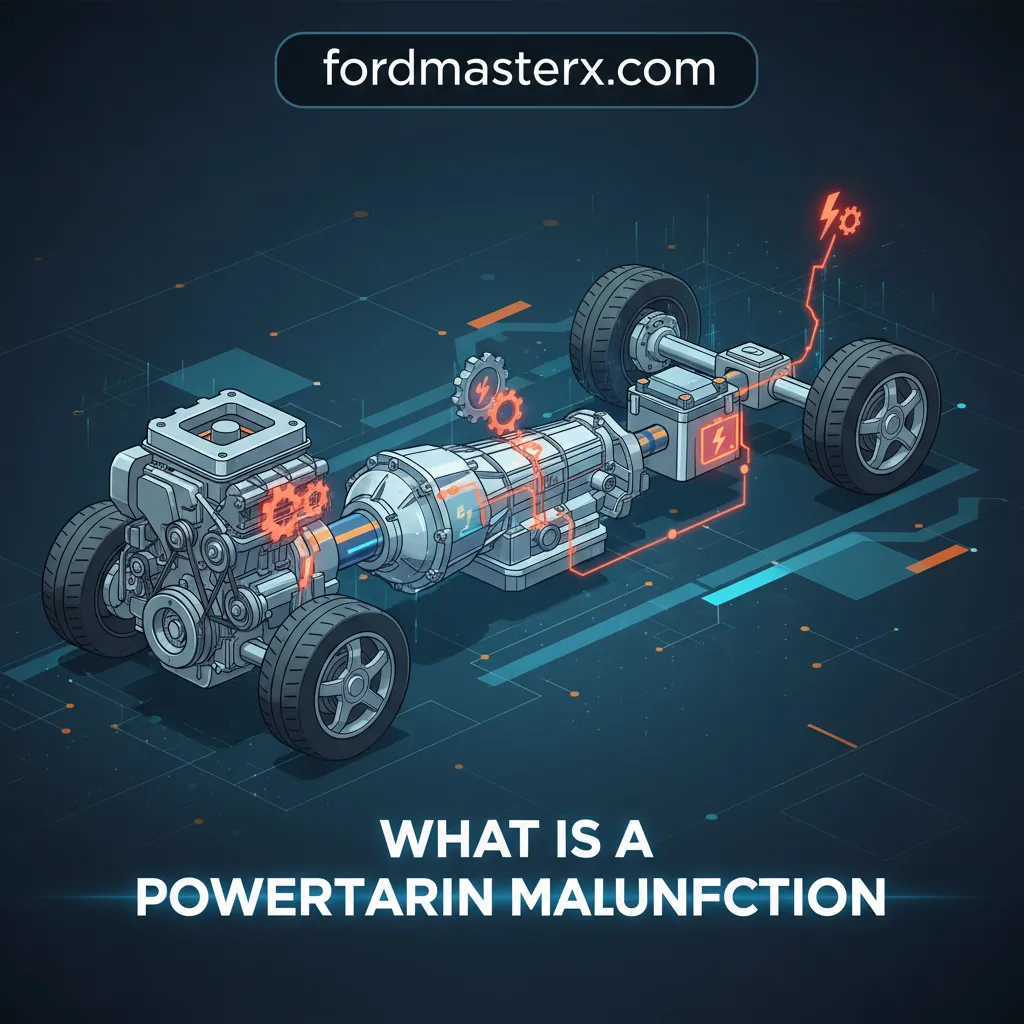
To gain a complete understanding of a powertrain malfunction, one must first define the powertrain itself. The powertrain is the entire integrated assembly responsible for generating kinetic energy and delivering it to the road surface. This complex ecosystem encompasses the internal combustion engine (or electric motor), the transmission, driveshafts, differentials, and the final drive (axles). Because the powertrain contains over 200 individual moving parts in a standard internal combustion vehicle, a malfunction in any single component can trigger a system-wide alert.
Technical Distinction: Wrench Light vs. Check Engine Light
There is a critical technical distinction between a standard Check Engine Light (CEL) and a Powertrain Malfunction light. While the CEL (often a yellow engine outline) primarily focuses on emissions-related issues or general engine performance—such as a generic P0300 misfire code—the Powertrain Malfunction light is often depicted as a wrench or a cog icon. In many manufacturer configurations, specifically Ford and Mazda, the wrench light indicates a fault that the Engine Control Unit (ECU) or Transmission Control Module (TCM) deems a “limp-home” scenario. This suggests the fault is localized in the transmission or the electronic throttle control system rather than a simple oxygen sensor or gas cap issue.
The ECU and TCM constantly monitor a stream of sensor data, checking parameters like input/output shaft speeds, fluid temperature, and throttle position. If the TCM detects that the transmission output speed does not match the expected gear ratio for a given input speed, it registers a “permanent failure state” within the onboard diagnostics system. Conversely, “intermittent malfunctions” may occur if a sensor momentarily drops signal due to heat or electrical interference, though these still require immediate professional overview to prevent cascading damage.
Key Components Involved in a Powertrain Malfunction Overview
The powertrain is a high-stakes relay race where every component must pass the baton of torque perfectly. An introduction to these components helps drivers visualize where mechanical bottlenecks occur. Modern vehicles are significantly more complex than their predecessors; for instance, modern transmissions now feature up to 10 speeds, increasing the number of electronic sensors by 40% compared to models from a decade ago.
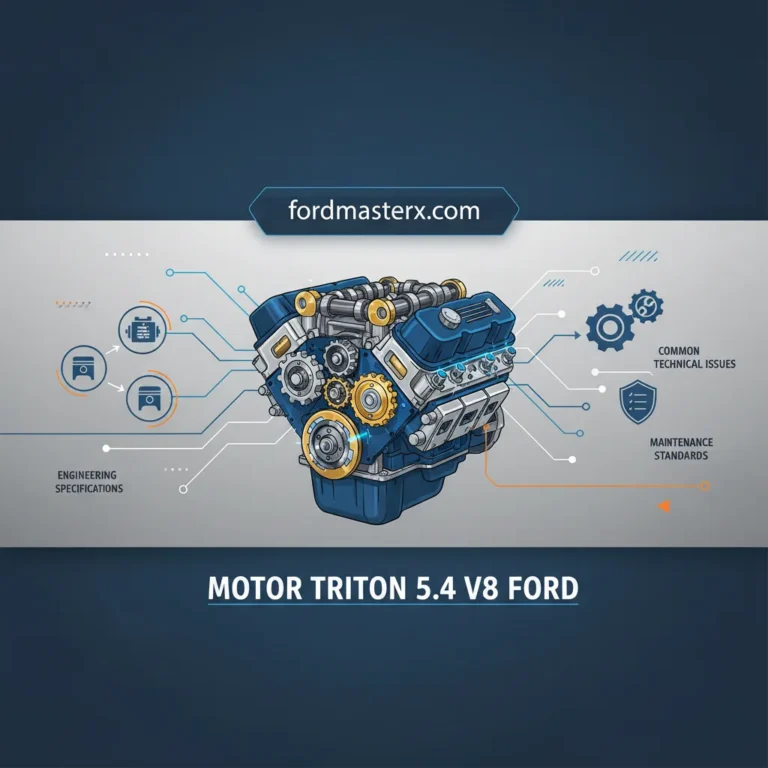
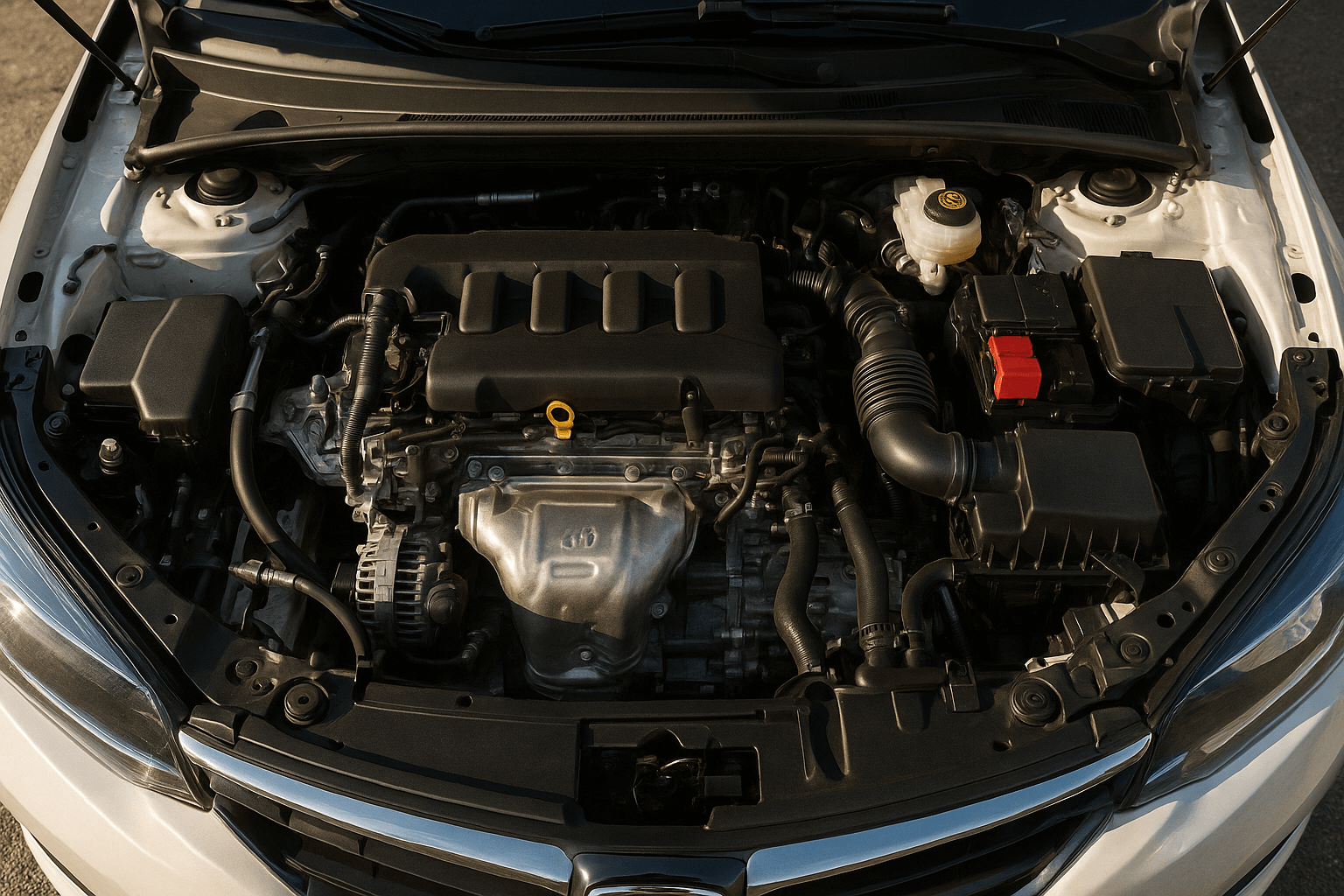
Internal Combustion Engine (ICE)
The power generation unit. Issues here involve fuel delivery, ignition timing, and air intake, managed by the ECU to ensure stoichiometric balance.
Transmission System
The translation unit. Utilizes torque converters, planetary gear sets, and dual-clutch mechanisms to adapt engine power to vehicle speed.
Driveline, Differentials, and the Digital Backbone
The driveline acts as the physical bridge between the transmission and the wheels. In All-Wheel Drive (AWD) or 4WD systems, this involves complex transfer cases and differentials that distribute torque based on traction needs. Wheel speed sensors monitor each corner; if a sensor fails or an axle CV joint binds, the powertrain system may detect a discrepancy in power delivery, triggering a warning.
Underpinning all of this is the digital backbone. This consists of high-fidelity sensors including the Mass Air Flow (MAF) sensor, the Throttle Position Sensor (TPS), and various shift solenoids. A failing transmission solenoid is a classic example: if the solenoid cannot move fluid to engage a gear, the vehicle may experience a harsh shift followed immediately by the powertrain warning light. This basics-level understanding shows that the “malfunction” is often a software reaction to a physical failure to perform an expected action.

Common Causes of Powertrain Malfunctions Explained
While mechanical hardware breakage is the most feared scenario, approximately 30% of powertrain warnings are related to electronic sensor failures rather than internal metal fatigue. Identifying the key points of failure requires looking at both the fluid chemistry and the electronic logic of the car.
- 🔹 Transmission Fluid Degradation: Transmission fluid serves as both a lubricant and a hydraulic fluid. Low levels or high viscosity caused by overheating lead to a loss of hydraulic pressure. Without this pressure, clutches cannot engage, leading to internal slipping and electronic fault codes.
- 🔹 Sensor Calibration Errors: Components like the crankshaft position sensor or O2 sensors provide the “rhythm” for the engine. If these sensors send “out-of-range” data, the ECU cannot accurately time fuel injection or spark, resulting in a powertrain-level error.
- 🔹 Ignition and Combustion Issues: Spark plug fouling or a failed coil pack disrupts the power delivery balance. Modern systems are sensitive enough to detect minute variations in crankshaft acceleration; if one cylinder is weak, the system flags it to protect the drivetrain from vibration damage.
- 🔹 Software Incompatibility: In modern vehicles, a powertrain alert might not be a hardware issue at all. Outdated TCM or ECU firmware can trigger false-positive alerts. Manufacturers frequently release software updates to recalibrate shift points or sensor tolerances.
A common scenario involves a vehicle entering ‘Limp Mode’ during heavy towing. The transmission overheats, the fluid thins, and the TCM detects a potential for catastrophic heat damage. It restricts the vehicle to 2nd or 3rd gear and limits RPMs to 2,500 to protect the internal planetary gears.
Identifying Symptoms and Diagnostic Steps for Powertrain Issues
Recognizing a powertrain malfunction early can be the difference between a $200 sensor and a $5,000 transmission. While the dashboard light is the most obvious sign, several important auditory and tactile indicators usually precede the warning icon.
📋
Step-by-Step Diagnostic Protocol
Check under the vehicle for red or brown fluid leaks. Inspect the wiring harnesses for fraying or rodents. Ensure all vacuum lines are securely attached.
Since 95% of vehicles post-1996 use the OBD-II protocol, use a scanner to find ‘P’ (Powertrain) codes. Look for P0700 (general transmission fault) or specific codes like P0720 (output speed sensor).
Beyond the scanner, pay attention to the vehicle’s “language.” A grinding noise when shifting usually points to mechanical gear wear, while a vibration through the floorboards during acceleration often indicates a failing CV joint or driveshaft imbalance. If you notice a delayed engagement (the engine revs, but the car doesn’t move immediately) when shifting into Drive or Reverse, the transmission pump or torque converter is likely struggling to build hydraulic pressure.
Long-Term Risks and Repair Costs for Powertrain Failures
Ignoring a powertrain alert is a gamble with high stakes. The primary risk is compounded damage. A minor sensor fault that causes the engine to run “lean” (too much air, not enough fuel) can eventually melt a piston or destroy the catalytic converter. Similarly, a slipping transmission generates immense heat, which “cooks” the remaining fluid, leading to total internal failure within miles.
A powertrain malfunction can cause a sudden loss of propulsion while driving at highway speeds. This is not just a mechanical issue; it is a severe safety hazard that can leave you stranded in high-speed traffic or without the torque necessary for emergency maneuvers.
Cost Analysis: Prevention vs. Cure
Financially, powertrain repairs account for the highest average ‘per-visit’ cost in automotive service centers globally. Consider this common industry case study: a driver ignores a faulty $200 shift solenoid. Because the solenoid isn’t regulating fluid correctly, the transmission’s internal clutches slip every time the car shifts gears. Within six months, those clutches are burnt down to the metal, necessitating a total transmission rebuild costing $4,500.
By The Numbers: Repair Economics
Avg. Sensor Replacement Cost
Avg. Transmission Rebuild Cost
Deferred maintenance on the powertrain also devastates a vehicle’s resale value. Prospective buyers and dealerships use professional-grade scanners that can see “stored” and “pending” codes, even if the dashboard light has been reset. A history of powertrain instability will often lead to a 20-30% reduction in the vehicle’s “Blue Book” valuation, as it signals a lack of fundamental mechanical care.
The powertrain encompasses every component from the engine to the wheels, making it the most vital system for vehicle movement. Malfunctions are often signaled by dashboard icons like a wrench or cog and frequently trigger a ‘limp mode’ to protect hardware. Early diagnostic intervention using OBD-II scanning is essential to prevent high-cost mechanical failures and ensure long-term reliability. If your powertrain light is active, perform an immediate fluid check and consult a certified technician to pull diagnostic trouble codes before continuing to drive.
Frequently Asked Questions
Can I drive with a powertrain malfunction light on?
Driving with an active powertrain malfunction light is highly discouraged. While the vehicle may still operate, it often enters ‘Limp Mode,’ which limits speed and power to prevent further damage. Continuing to drive can turn a minor electronic sensor issue into a catastrophic mechanical failure of the engine or transmission, posing significant safety risks and higher repair costs.
Does a powertrain malfunction always mean a new transmission?
No, a powertrain malfunction does not automatically necessitate a transmission replacement. Many alerts are triggered by faulty sensors, such as the Output Speed Sensor or Throttle Position Sensor, or even low fluid levels. However, only a professional diagnostic scan can determine if the issue is a simple electronic fix or a more complex internal mechanical failure within the gearbox.
How do I reset the powertrain malfunction warning light?
A powertrain light is reset by addressing the underlying fault and clearing the Diagnostic Trouble Code (DTC) using an OBD-II scanner. While disconnecting the battery may temporarily clear the light, the vehicle’s computer will re-trigger the alert as soon as the system completes its next ‘drive cycle’ and detects the unresolved malfunction. Always repair the root cause first.
Is a powertrain malfunction covered under warranty?
In most cases, yes. Most manufacturers provide a ‘Powertrain Warranty’ that is longer than the standard bumper-to-bumper coverage, often lasting 5 to 10 years or 60,000 to 100,000 miles. This typically covers the engine, transmission, and drive system. If the malfunction is caused by a manufacturing defect rather than wear and tear or neglect, the repair should be covered.
What is the difference between a powertrain light and a check engine light?
The Check Engine Light (CEL) primarily monitors emissions-related components and engine performance. In contrast, a Powertrain Malfunction light specifically targets the drivetrain, including the transmission, transaxle, and 4WD systems. While their causes can sometimes overlap, the powertrain light is usually more indicative of a problem in the delivery of power to the wheels rather than just engine combustion.