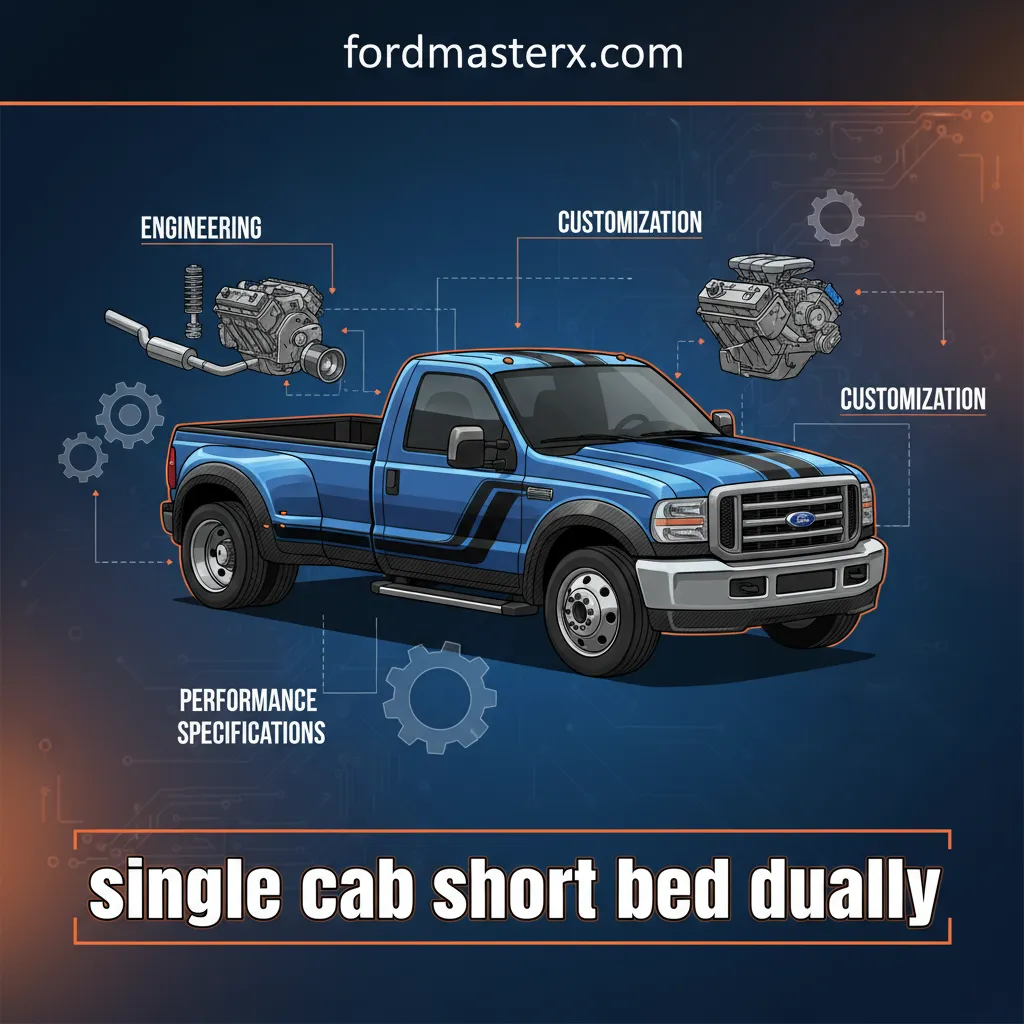
Single Cab Short Bed Dually: Engineering, Customization, And Performance Specifications

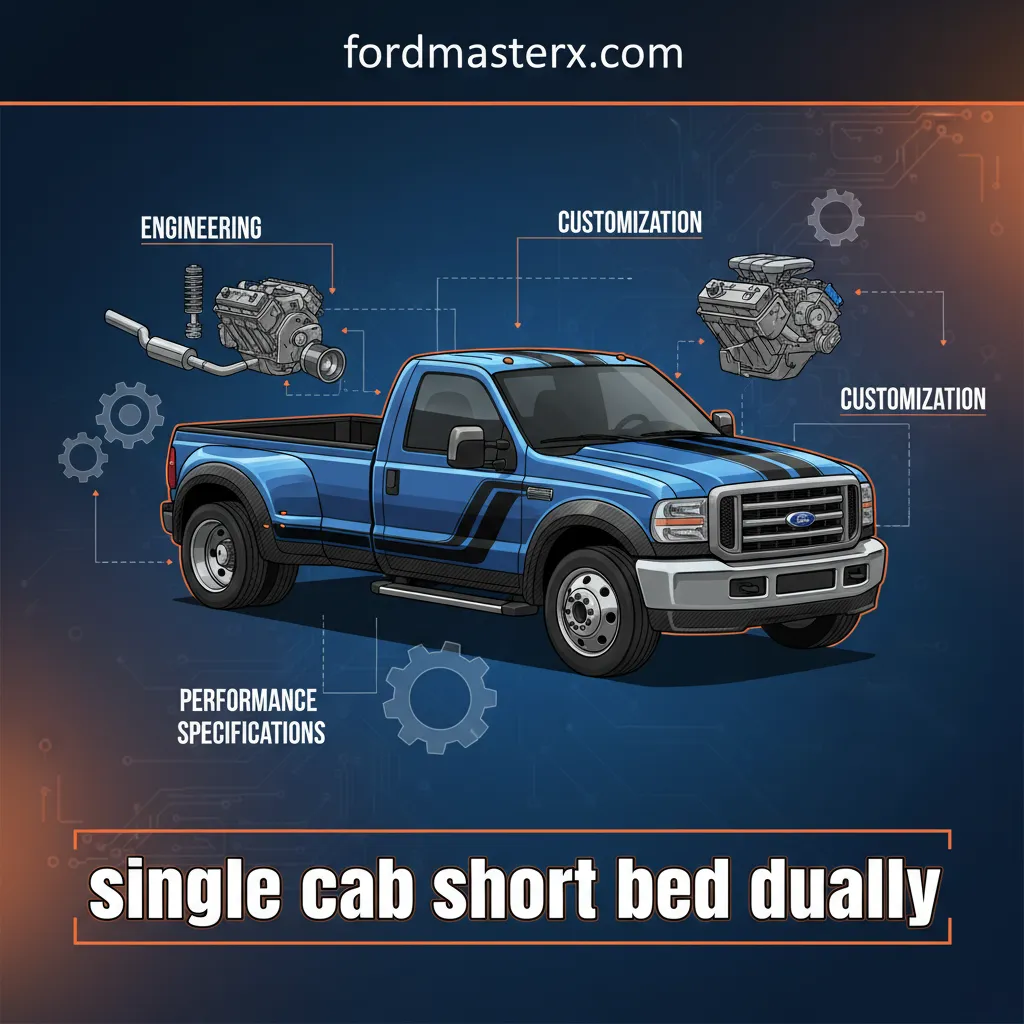
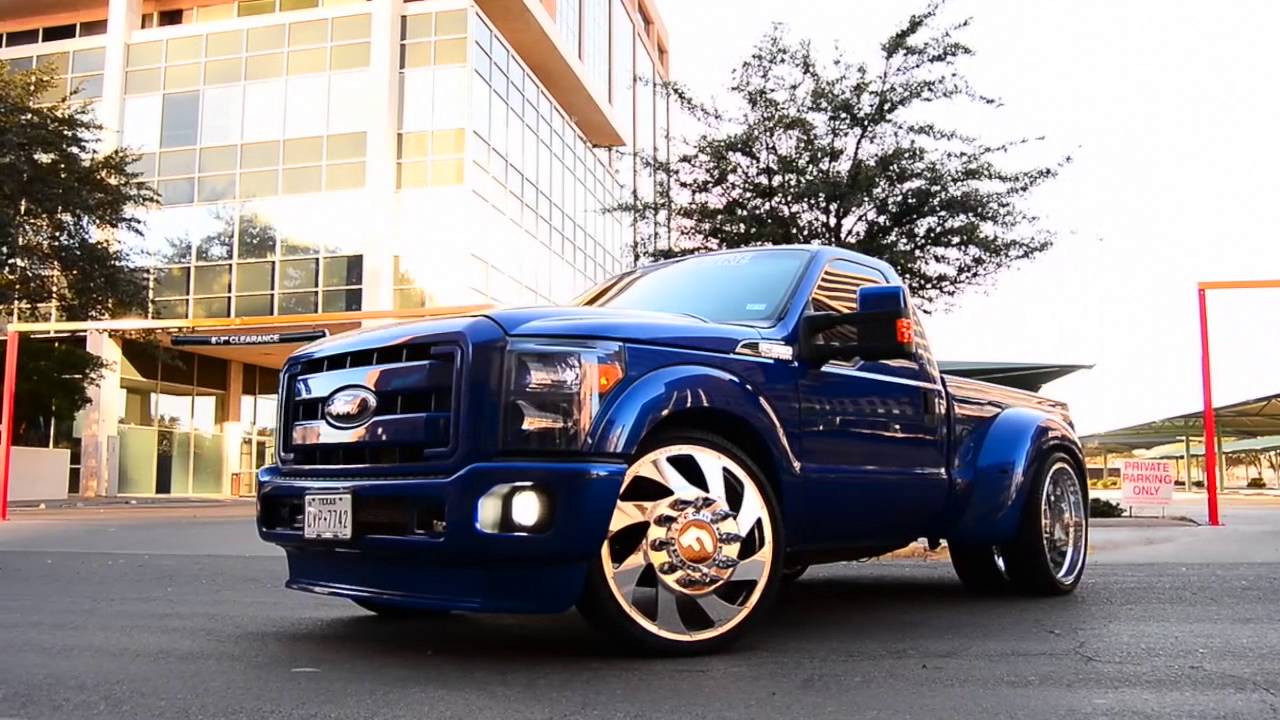
The single cab short bed dually is a rare intersection of heavy-duty capability and aggressive, compact geometry that dominates both the job site and the show floor. While its silhouette is unmistakable, its existence is almost exclusively a product of high-level automotive engineering rather than factory production lines. Since major manufacturers rarely produce a dual-rear-wheel (DRW) truck in a short bed, single cab configuration, enthusiasts and professionals must navigate a complex world of custom engineering and frame modifications to achieve this specific look and utility. This comprehensive guide provides an expert technical breakdown of the engineering requirements, performance benefits, and professional build standards necessary to create a reliable and high-quality short-bed dually.
The Engineering Philosophy of the Single Cab Short Bed Dually Configuration
📤 Share Image
The engineering behind a “Shorty” dually centers on the radical reduction of the vehicle’s footprint while maintaining its heavy-duty mechanical soul. From a factory perspective, a 3500-series dually is designed for maximum stability, which usually translates to a wheelbase exceeding 160 inches in crew-cab, long-bed configurations. By contrast, a single cab short bed dually targets a complete wheelbase reduction of 14 to 20 inches, typically landing between 115 and 125 inches.
Wheelbase Dynamics and Weight Distribution
Shortening the wheelbase significantly alters the vehicle’s polar moment of inertia. In a standard long-bed dually, the distance between the axles provides a massive “anchor” for heavy loads, reducing the pitch and yaw felt by the driver. When you transition to a 6.5-foot bed on a compact chassis, the center of gravity shifts forward. This configuration places more relative weight over the front axle when empty, but provides an incredibly planted rear end due to the wide-track dually axle. The challenge for expert builders is ensuring that the stiff 1-ton leaf springs don’t cause excessive “hop” on such a short frame.
By The Numbers: Wheelbase Comparison
Standard Dually WB
Shorty Conversion WB
Frame Length Removed
The structural integrity requirements for ‘bobbing’ a frame are immense. Unlike a cosmetic body modification, shortening a 1-ton frame involves cutting through high-strength steel that is designed to handle 20,000+ lbs of gross combined weight. Builders must account for the rear fender width—often reaching 96 inches—which creates a unique aesthetic where the truck appears wider than it is long. This “square” footprint provides surprising lateral stability, even if it sacrifices some longitudinal smoothness compared to its long-bed counterparts.

Professional Custom Conversion Processes and Trusted Fabrication Techniques
A professional dually conversion is not merely a “cut and shut” job; it is a meticulous reconstruction of the vehicle’s chassis. To achieve a trusted and reliable result, builders follow strict protocols that ensure the frame remains as strong, if not stronger, than the original OEM structure. Whether you are starting with a Ford F-350 or a Chevy Silverado 3500, the process requires advanced fabrication skills.
📋
Professional Frame Shortening Guide
Avoid vertical cuts. A ‘Z-cut’ increases the surface area for welding and prevents a single stress point across the frame rail, maintaining longitudinal strength.
Utilizing 1/4-inch steel plating (the industry standard) to sandwich the weld joint. This ‘fishplate’ should be plug-welded and perimeter-welded for maximum structural quality.
Shortening the driveshaft requires precision balancing to 0.001-inch tolerances. Improperly balanced shafts lead to high-frequency vibrations that destroy pinion bearings.
Beyond the frame, the integration of quality bodywork is essential for a factory-level finish. This usually involves sourcing a standard 6.5-foot short bed and retrofitting it with dually flares. Expert fabricators often use OEM dually flares from a donor truck to ensure the body lines and fuel door placement remain seamless. By sourcing heavy-duty components from 1-ton donors, such as the Dana 80 or AAM 11.5 rear axles, builders ensure that the vehicle retains its reliable towing heritage despite its shorter stature.
Never attempt a frame shortening without a professional-grade welding jig. The frame must remain perfectly square; a deviation of even 1/8th of an inch can cause permanent “dog-tracking” and accelerated tire wear.
Towing Dynamics and Payload Capabilities of Short Wheelbase DRW Trucks
The functionality of a single cab short bed dually is often underestimated. While the shortened wheelbase creates a more reactive towing platform, the dual rear wheel (DRW) configuration acts as a significant countermeasure. The primary benefit of dual wheels in this complete setup is the mitigation of lateral sway—often called the ‘pendulum effect’—where a trailer tries to steer the truck. The wide rear footprint resists this movement more effectively than any single-rear-wheel short bed could.
Payload Math and Performance Gains
One of the most interesting results of this build is the increase in net payload capacity. By removing approximately 14-20 inches of heavy C-channel frame rail and replacing a massive 8-foot bed with a shorter 6.5-foot version, a single cab dually can shed approximately 400–600 lbs of curb weight. In the world of 1-ton trucks, every pound of curb weight removed is a pound of available payload capacity added, provided the GVWR remains the same.
Braking Performance
Reduced curb weight combined with massive 1-ton rotors results in significantly shorter stopping distances compared to crew cab models.
Lateral Stability
The wide track of the dually axle prevents the “skittish” feeling often associated with short-wheelbase trucks when hauling top-heavy loads.
However, builders must be cautious with hitch placement. For gooseneck or fifth-wheel applications, the hitch must be positioned slightly forward of the rear axle centerline. In a 6.5-foot bed, this reduces the clearance between the trailer nose and the truck cab. Expert builders typically recommend using a “slider” hitch or an offset gooseneck ball to ensure that the trailer doesn’t strike the cab during tight 90-degree maneuvers, a scenario common when navigating horse trailers or equipment haulers into confined spaces.
Quality Component Selection for High-Performance Dually Builds
To maintain the professional standards of a custom dually, component selection is paramount. Using subpar parts on a 10,000+ lb GVWR vehicle is a recipe for mechanical failure. A guide to high-performance builds must emphasize the use of trusted, heavy-duty hardware that can withstand the unique stresses of a shortened chassis.
Forged Wheels and Load-Rated Tires
While cast wheels are popular for their price point, forged wheels from brands like Alcoa or American Force are the expert choice for dually builds. Forged aluminum offers superior strength-to-weight ratios and much better heat dissipation, which is critical for the inner dual wheels that often suffer from restricted airflow. Furthermore, Load Range E or F tires are mandatory. These tires feature stiffer sidewalls that prevent “sidewall squirm” under heavy loads, maintaining the quality handling characteristics expected of a 1-ton truck.
Factory long-bed fuel tanks (34-38 gallons) will rarely fit a shortened frame. You will likely need to source a fuel tank from a standard short-bed model or invest in a custom aluminum fuel cell mounted between the frame rails to maintain range without compromising ground clearance.
Suspension tuning is the final piece of the comprehensive build puzzle. A standard 1-ton rear leaf pack is designed to carry thousands of pounds. When placed on a lighter, shorter truck, the ride can become punishingly stiff. Upgrading to high-quality adjustable dampers (such as Bilstein 5100s or Fox 2.0s) helps manage the high spring rates. Some professional builders even opt for a “de-arched” leaf pack or a full air-ride conversion to allow the truck to squat for trailer attachment while maintaining a smooth ride when empty.
Market Value and the Investment Potential of Custom Dually Trucks
The “Shorty” dually has moved beyond a niche modification and into the realm of a high-value automotive investment. The “rarity factor” is a primary driver of resale value. Because these trucks do not exist in factory form, a well-executed, documented professional build stands out in a sea of standard crew-cab work trucks. In the enthusiast market, these vehicles often serve as flagship “show and tow” rigs.
Recent auction trends for 1990s ‘OBS’ (Old Body Style) Ford and Chevy dually conversions show that these trucks can command a 20-30% premium over their 3/4-ton short bed counterparts. However, this value is contingent on quality documentation. Buyers in this space look for “over-built” specs, including reinforced frames and reliable driveline upgrades. It is also important to consider insurance; expert owners typically utilize stated-value insurance policies to ensure their investment in custom fabrication and high-end components like Alcoa wheels is fully protected.
✅ Pros
- Exceptional maneuverability and turning radius
- Superior aesthetic appeal and rarity
- High resale value in enthusiast markets
- Increased available payload via weight reduction
❌ Cons
- High upfront cost for professional fabrication
- Stiffer ride quality when unloaded
- Reduced trailer clearance for goosenecks
- Complexity in sourcing replacement custom parts
The single cab short bed dually represents the pinnacle of custom truck culture, blending the mechanical advantages of a shortened wheelbase with the legendary stability of dual rear wheels. While the engineering requirements are stringent, necessitating professional-grade frame and driveline modifications for safety, the resulting vehicle offers significant market value and utility. Whether you are planning a custom build or sourcing a professional conversion, ensure you prioritize structural integrity and quality components to maintain the vehicle’s heavy-duty heritage. This configuration is more than just a visual statement—it is a complete, reliable tool for those who demand performance and presence in a single package.
Frequently Asked Questions
Does any manufacturer currently make a factory single cab short bed dually?
Currently, no major US manufacturer offers a single cab short bed dually (DRW) as a standard production model. These vehicles are almost exclusively custom-built by expert fabricators who shorten a long-bed chassis or convert a 2500-series short-bed truck using 3500-series axles and body components.
Is a short bed dually safe for heavy towing?
Yes, when engineered professionally. The dual rear wheels provide a wider footprint that significantly reduces trailer sway compared to a single rear wheel (SRW) truck. However, the shorter wheelbase requires a trusted weight-distribution setup to ensure the front wheels maintain adequate traction under heavy tongue loads.
How do you shorten the frame for a single cab short bed dually?
A professional conversion involves stripping the chassis, measuring the difference between a long and short bed (usually about 14 inches), and performing a precision Z-cut or straight cut with internal and external fishplate reinforcements. This process requires expert welding to maintain the structural integrity required for a 1-ton load rating.
Will a 6.5-foot bed fit a dually axle without modifications?
The bed itself fits the frame rails once shortened, but the dually axle is wider than a standard short bed. You must install dually fenders or flares. To maintain a professional look, many builders use OEM dually flares and bond them to the short bed sides for a clean, factory-style finish.
What is the turning radius of a single cab short bed dually?
One of the primary benefits of this configuration is a significantly improved turning radius. By reducing the wheelbase by over a foot compared to a standard dually, the truck becomes much more maneuverable in tight spaces, making it a reliable choice for urban towing or crowded job sites.