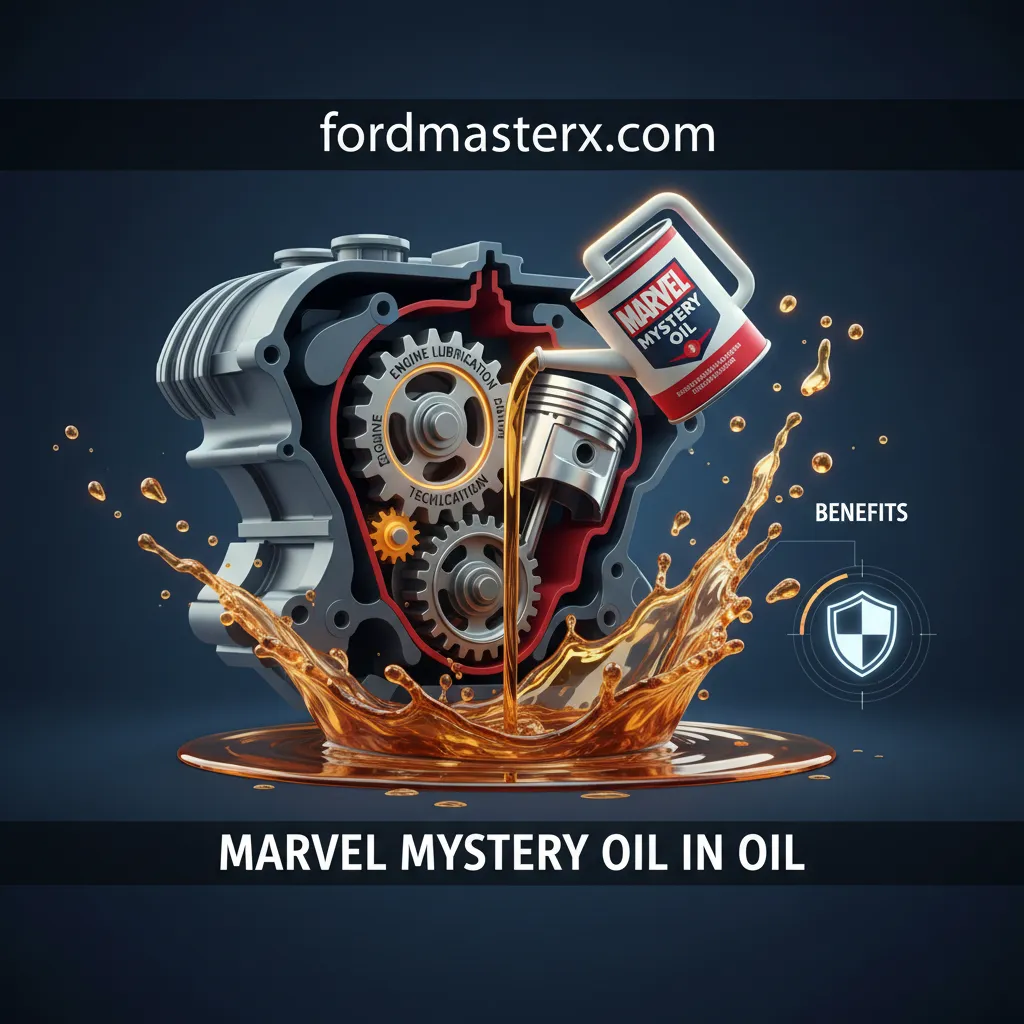
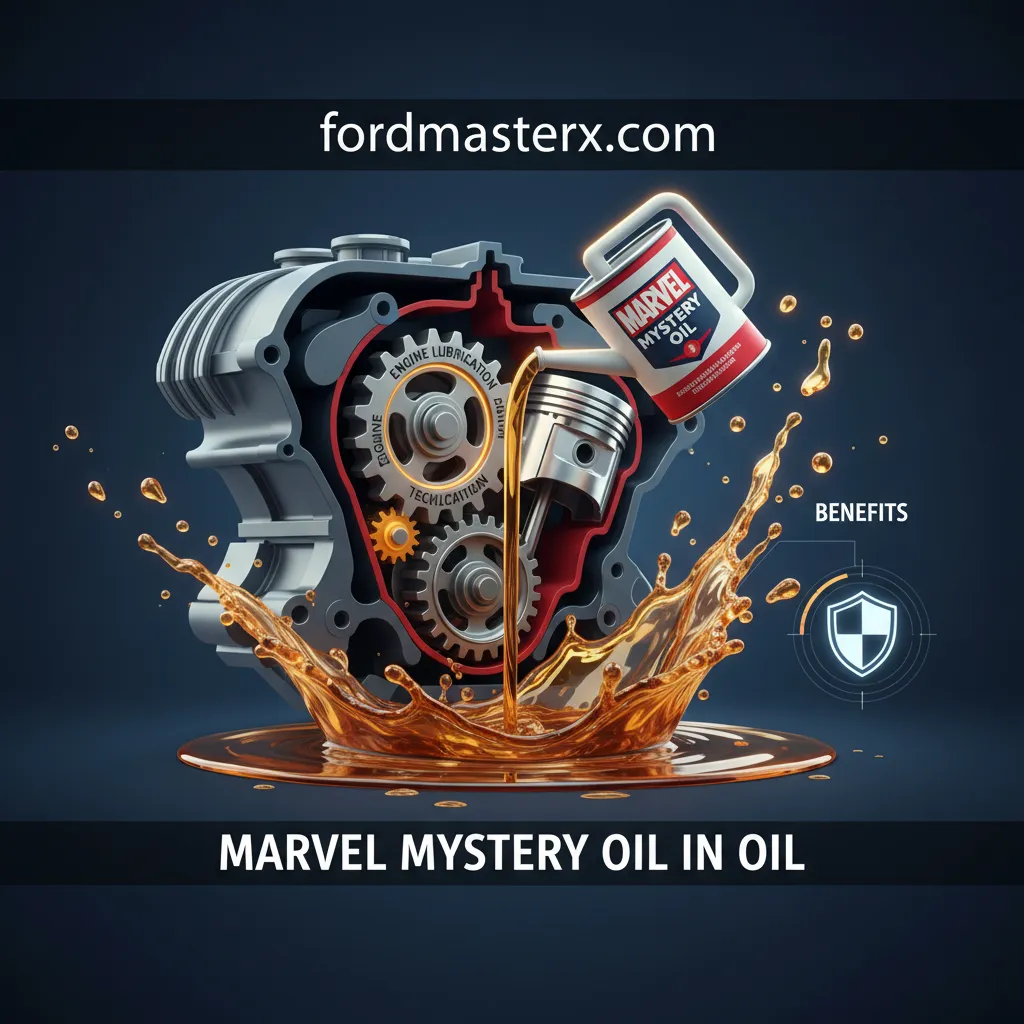
Marvel Mystery Oil In Oil: Technical Application And Engine Lubrication Benefits

In the world of precision automotive maintenance, the longevity of internal engine components depends entirely on the chemical stability and cleaning power of the primary lubricant. Standard motor oils, while advanced, often struggle to prevent the gradual accumulation of varnish and carbon deposits that compromise hydraulic lifter performance and piston ring sealing. Over time, these contaminants restrict oil flow and increase mechanical friction, leading to premature wear. This article provides an authoritative analysis of utilizing Marvel Mystery Oil in oil systems to enhance lubrication, restore mechanical efficiency, and provide professional-grade protection against wear. By understanding the technical application of this trusted additive, fleet managers and vehicle owners can achieve a more reliable and complete lubrication strategy.
Understanding the Chemical Composition of Marvel Mystery Oil in Motor Oil Systems
📤 Share Image
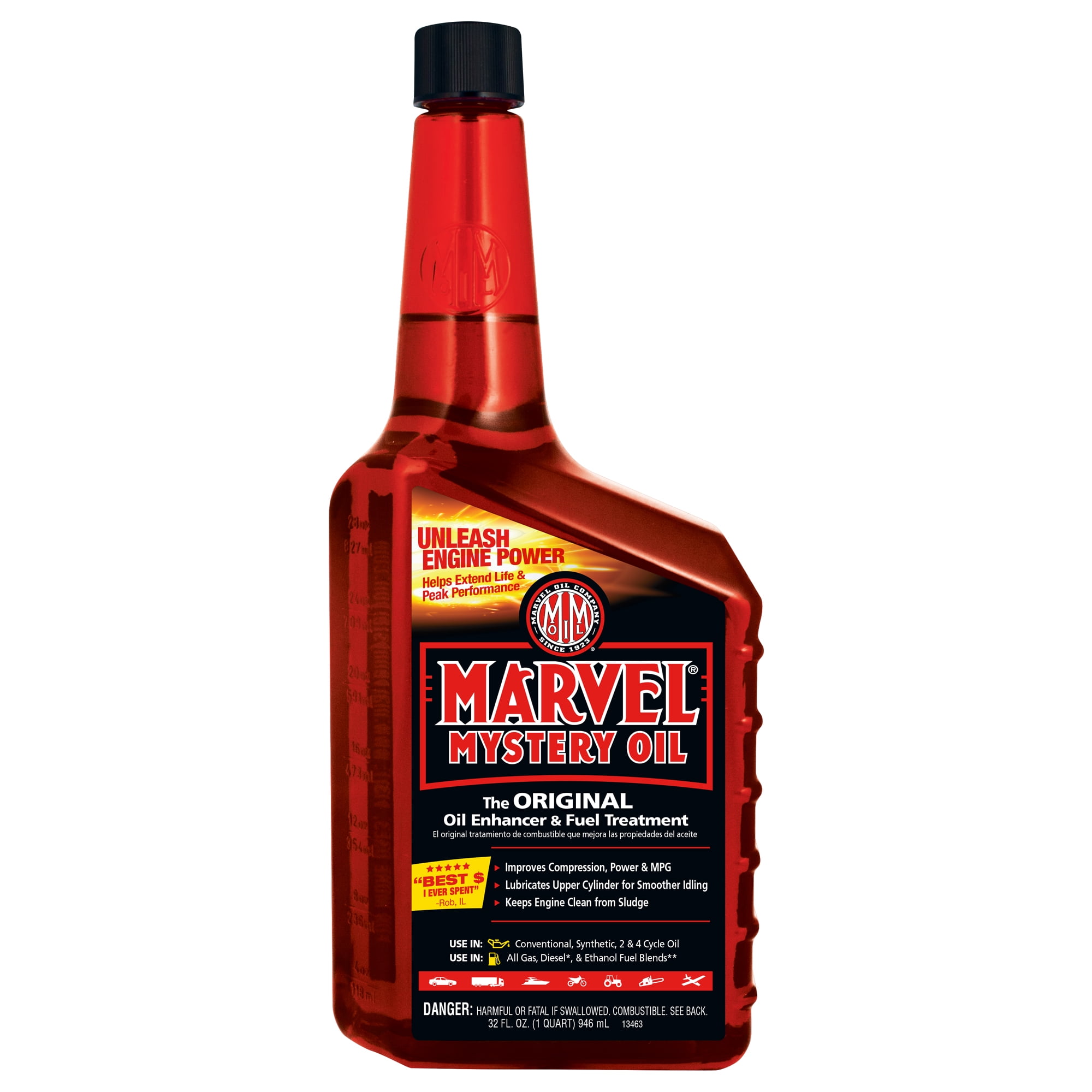
To appreciate the efficacy of Marvel Mystery Oil (MMO), one must look past the branding and examine its fundamental chemical profile. The product contains 70-80% severely hydrotreated heavy naphthenic distillate. Unlike the paraffinic base stocks found in most conventional and synthetic motor oils, naphthenic hydrocarbons possess a unique molecular structure that provides significantly higher solvency. This high-solvency profile allows the additive to remain chemically stable while aggressively attacking the polar bonds of carbonaceous deposits within the engine sump.
The Solvency Synergy and Flash Point Dynamics
The inclusion of chlorinated hydrocarbons, in carefully controlled concentrations, facilitates extreme pressure (EP) lubrication in high-friction zones where the standard oil film might fail. While some mechanics express concern over the product’s flash point—approximately 128°F (53.3°C)—it is essential to understand its behavior in a blended state. When mixed with 4 to 5 quarts of 5W-30 synthetic oil, the overall flash point of the mixture remains well within safe operating parameters for the crankcase. The more volatile components of MMO actually assist in keeping the upper cylinder area and PCV systems clear of “mayonnaise” (moisture and oil emulsion).
Furthermore, the specific role of wintergreen oil (Methyl Salicylate) acts as a high-performance penetrating agent. This allows the lubricant to reach incredibly tight tolerances, such as those found in hydraulic lifter check valves and variable valve timing (VVT) solenoids. In comparison tests between MMO-blended SAE 5W-30 and high-mileage conventional oils, the MMO mixture demonstrates superior capillary action, migrating into areas where standard lubricants struggle to penetrate.
By The Numbers: Chemical Profile
Naphthenic Distillates
Flash Point (Pure)
Solvency Class
Remediating Engine Sludge and Varnish via Targeted Oil Treatment
The gradual accumulation of varnish is the silent killer of modern engines. This microscopic lacquer film coats hydraulic lifters, oil galleries, and piston rings, eventually leading to “sticky” mechanical operation. MMO operates through a process of gradual sludge suspension. Unlike aggressive chemical flushes that use kerosene-based solvents to strip an engine in ten minutes—often sending large chunks of debris into the oil pump pickup screen—MMO works over hundreds of miles to slowly dissolve these binders.
The Mechanism of Slow Remediation
By reducing the surface tension of the carrier lubricant, MMO allows the oil to flow more freely through restrictive passages. This is particularly effective in high-mileage vehicles where carbon buildup on piston ring lands often leads to reduced compression and increased oil consumption. Professional documented data indicates that a consistent MMO treatment can result in a 5-10% increase in cylinder compression in worn engines by freeing up stuck compression rings.
A vehicle with 140,000 miles presented with a persistent “cold start” lifter tick. By replacing 1 quart of the oil capacity with MMO, the high-solvency distillates cleared the varnish within the lifter check valve. After 500 miles of driving, the tick subsided completely as the lifters were once again able to reach full hydraulic pressure.
Maintaining engine seal integrity is a professional priority. Aggressive flushes can dry out gaskets, but the naphthenic nature of MMO provides a slight conditioning effect, ensuring that seals remain pliable even as the interior metal surfaces are cleaned of carbonaceous deposits.

Optimizing Lubrication Performance and Friction Reduction Protocols
Engine wear predominantly occurs during the first 30 seconds of operation, known as a cold start, when the motor oil is still in the sump. Marvel Mystery Oil enhances the boundary lubrication properties of the oil. Its molecular structure allows it to cling to vertical surfaces like cylinder walls and camshaft lobes longer than standard oil, ensuring a protective film is present even before the oil pump reaches full pressure.
Enhancing Oil “Wetting” and Thermal Efficiency
The additive improves the “wetting” ability of the motor oil, ensuring a more consistent protective film across all internal components. This reduction in internal parasitic drag can lead to incremental improvements in thermal efficiency. For older engine architectures, MMO supports the role of Zinc Dialkyldithiophosphate (ZDDP), providing an extra layer of protection against cam lobe wear in flat-tappet systems.
Cold Start Protection
Maintains a residual film on upper valve train components to prevent metal-on-metal contact during initial ignition.
Thermal Stability
Laboratory friction tests show a measurable decrease in the coefficient of friction when 20% of oil volume is replaced by MMO.
In fleet vehicles and stationary generators, consistent lubrication is professional necessity. By maintaining a lower operating temperature in high-friction components, MMO extends the reliable service life of bearings and bushings that would otherwise succumb to heat-induced oxidation.
Professional Application Guidelines and Optimal Mixing Ratios
The most critical aspect of using Marvel Mystery Oil is adhering to the comprehensive application protocols developed over decades of field use. To ensure the engine remains within its specified viscosity range while gaining the cleaning benefits, a 20% replacement rule is standard.
📋
Step-by-Step Application Guide
For a standard 5-quart system, drain 1 quart of oil and replace it with 1 quart of MMO. For a 7-quart diesel engine, the 20% requirement is 1.4 quarts of additive.
For heavy cleaning, add the product 500 miles prior to a scheduled oil change. For preventative maintenance, add it at the beginning of the oil cycle.
As the solvent dissolves sludge, the oil filter will accumulate debris more rapidly. Check oil clarity frequently; if the oil turns black within 1,000 miles, change the filter immediately.
Safety Considerations for Modern Systems
In modern turbocharged engines or those equipped with sensitive emissions equipment like DPFs (Diesel Particulate Filters), one must ensure that oil pressure remains within the OEM specification (typically 20-60 PSI). Because MMO has a lower viscosity than a 10W-30 or 5W-40 oil, adding too much can thin the oil excessively. Maintaining a mixture that stays within 10% of the target SAE grade is the expert standard for safeguarding turbocharger bearings.
Never exceed the 20% mixing ratio in high-load or high-heat environments. Over-thinning the oil can lead to a drop in oil pressure, which may trigger low-pressure alarms in modern computer-controlled engines.
Evaluating Long-Term Seal Conditioning and Engine Reliability
The hallmark of a trusted engine additive is its ability to provide long-term benefits without deleterious side effects. Naphthenic oils are renowned for their compatibility with elastomer seals. While many cheap solvents cause seals to shrink and become brittle—leading to external oil leaks—the hydrotreated naphthenic distillates in MMO offer a mild swelling effect. This guide emphasizes that this can actually stop minor “weeping” leaks at the valve cover or rear main seal by restoring gasket flexibility.
Validation Through Oil Analysis
For professionals who manage high-value assets, verifying results is paramount. Blackstone Labs and other professional oil analysis services frequently report on engines using MMO. These reports typically show a stabilization of oxidation levels and a reduction in wear metals (iron and lead) over several change intervals. This data suggests a correlation between consistent oil fortification and a 15-20% increase in the reliable service life of internal engine bearings.
✅ Pros
- Dissolves varnish and lacquer films
- Restores hydraulic lifter function
- Conditions elastomer seals to prevent leaks
- Enhances cold-start boundary lubrication
❌ Cons
- Reduces overall oil viscosity
- Requires frequent initial filter monitoring
- May trigger sensors in ultra-sensitive VVT systems
In the context of modern direct-injection (GDI) engines, MMO plays a vital role in mitigating carbon-related issues. By keeping the oil rings clean and functional, the additive reduces oil blow-by, which is a primary contributor to carbon buildup on intake valves. It is this comprehensive approach to engine health that separates professional-grade additives from mere “miracle cures.”
Conclusion
Marvel Mystery Oil acts as a high-solvency agent that effectively remediates engine sludge and varnish when used in a 20% mixing ratio. The additive improves boundary lubrication and seal conditioning, contributing to a more reliable and quieter engine operation by restoring mechanical tolerances. Professional application requires careful monitoring of oil viscosity and filter status to ensure optimal engine health, especially during the initial cleaning phase. For those seeking to maintain peak engine performance and extend the life of high-mileage assets, incorporate Marvel Mystery Oil into your next maintenance cycle and monitor your oil clarity to witness the cleaning process in real-time. By following this expert guide, you ensure your engine remains reliable for the long haul.
Frequently Asked Questions
Is it safe to use Marvel Mystery Oil in full synthetic motor oils?
Yes, Marvel Mystery Oil is fully compatible with synthetic, semi-synthetic, and conventional base stocks. Its chemical structure allows it to blend seamlessly without causing phase separation. When added to synthetic oil, it enhances the detergent package, helping to reach areas where standard synthetics might not fully penetrate, particularly in high-mileage engines with existing deposit buildup.
How long should I leave Marvel Mystery Oil in my engine oil?
For preventative maintenance, you can leave it in for the duration of your standard oil change interval. However, if you are treating a significant sludge issue or noisy lifters, it is professionally recommended to add it 500 to 1,000 miles before your next oil change. This allows the solvents to suspend contaminants which are then removed during the oil drain.
Will adding Marvel Mystery Oil thin my oil too much?
Marvel Mystery Oil has a lower viscosity than standard 10W-30 or 5W-40 oils. While it does slightly reduce the overall viscosity of the mixture, following the 20% replacement rule ensures the fluid remains within a safe operating range for most engines. Always monitor your oil pressure gauge after application to ensure it stays within professional OEM specifications.
Can Marvel Mystery Oil help with a smoking engine?
If the smoke is caused by stuck piston rings or hardened valve stem seals, Marvel Mystery Oil can be highly effective. By dissolving the carbon deposits around the ring lands, it allows the rings to expand and seal against the cylinder walls again, reducing oil blow-by and consumption. It also contains seal-conditioning agents that help soften brittle valve seals.
Does this product affect the warranty of a new vehicle?
While Marvel Mystery Oil is a trusted and reliable product, always consult your owner’s manual regarding third-party additives. Most manufacturers do not void warranties unless the additive is proven to have caused a specific failure. For newer vehicles, it is often used as a professional corrective measure for specific issues rather than a required additive for every oil change.