Lincoln Nautilus Years To Avoid: Reliability Analysis And Buyer Recommendations

The Lincoln Nautilus represents a pinnacle of American midsize luxury, offering a serene “Sanctuary” experience that distinguishes it from its more aggressive European rivals. However, as with any high-end vehicle incorporating complex powertrain and infotainment systems, not every model year maintains the brand’s prestigious standards for mechanical integrity. For a vehicle that competes on the basis of refinement and effortless power, reliability is not merely a preference—it is a core component of the luxury experience.
Prospective buyers often struggle to distinguish between the glitch-prone early production models and the highly reliable refreshed versions of this sophisticated SUV. Purchasing the wrong year can lead to frustrating dealership visits, persistent software “ghosts,” and unexpected depreciation. This expert guide identifies the specific Lincoln Nautilus years to avoid, detailing the mechanical, electronic, and structural data you need to make a professional investment in your next luxury vehicle.
Analyzing the Lincoln Nautilus Lineage and Early Quality Indicators
📤 Share Image
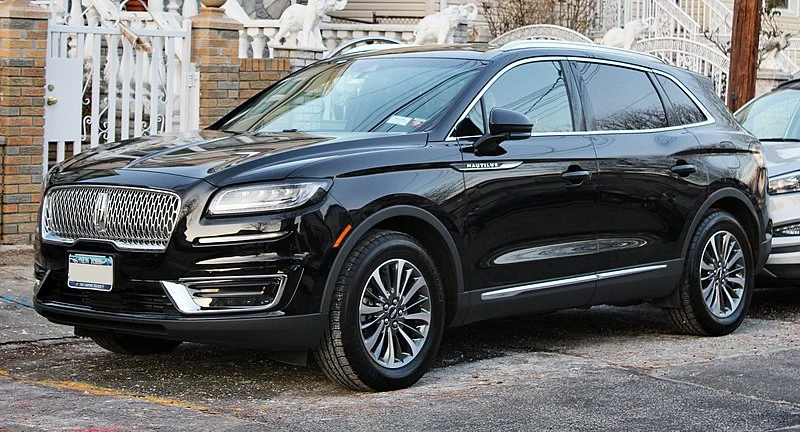
Understanding the Nautilus requires examining its transition from the outgoing Lincoln MKX. In 2019, Lincoln rebranded the MKX as the Nautilus, introducing a fresh front-end aesthetic and a new 8-speed automatic transmission. While the name changed, the underlying platform remained the CD4, shared with the Ford Edge. This comprehensive platform sharing provided a solid foundation, but the introduction of a new transmission and updated driver-assist technologies created a classic “first-year” reliability dip.
Industry experts recognize that first-year production cycles often carry inherent risks. While the 2018 MKX was a highly refined, end-of-lifecycle product with most bugs ironed out, the 2019 Nautilus introduced several variables that impacted quality control. The integration of the Sync 3 infotainment suite with newer digital instrument clusters created software conflicts that weren’t present in the simpler MKX setups. Furthermore, the transition from the previous 6-speed automatic to the 8F35 and 8F57 8-speed gearboxes led to immediate reports of “shift hunting” and unrefined engagement.
By The Numbers
Drop in Initial Quality (2019 vs 2018)
Rank in Powertrain Complaints (2019)
Quality control standards often fluctuate during a model’s rebranding. While Lincoln aimed for a more premium positioning with the Nautilus, the initial data reflected a different reality. Professional assessments of early 2019 units frequently highlighted inconsistent panel gaps and interior trim pieces that lacked the tactile solidity found in later years. For the discerning buyer, the 2019 model represents the “beta test” phase of the Nautilus nameplate.
Identifying Critical Issues in the 2019 Lincoln Nautilus Model Year
The 2019 model year is the primary year to avoid for those seeking a reliable luxury SUV. The most prominent mechanical grievance involves the 8-speed automatic transmission. Unlike the smooth-shifting 6-speed it replaced, the 2019’s gearbox often exhibited harsh low-speed shifts, delayed engagement when moving from Park to Drive, and a persistent “lurching” sensation during stop-and-go traffic. These issues prompted Lincoln to issue several Technical Service Bulletins (TSBs), most notably TSB 19-2160, which required a complete reprogram of the Transmission Control Module (TCM).
2.0L EcoBoost and Electronics Vulnerabilities
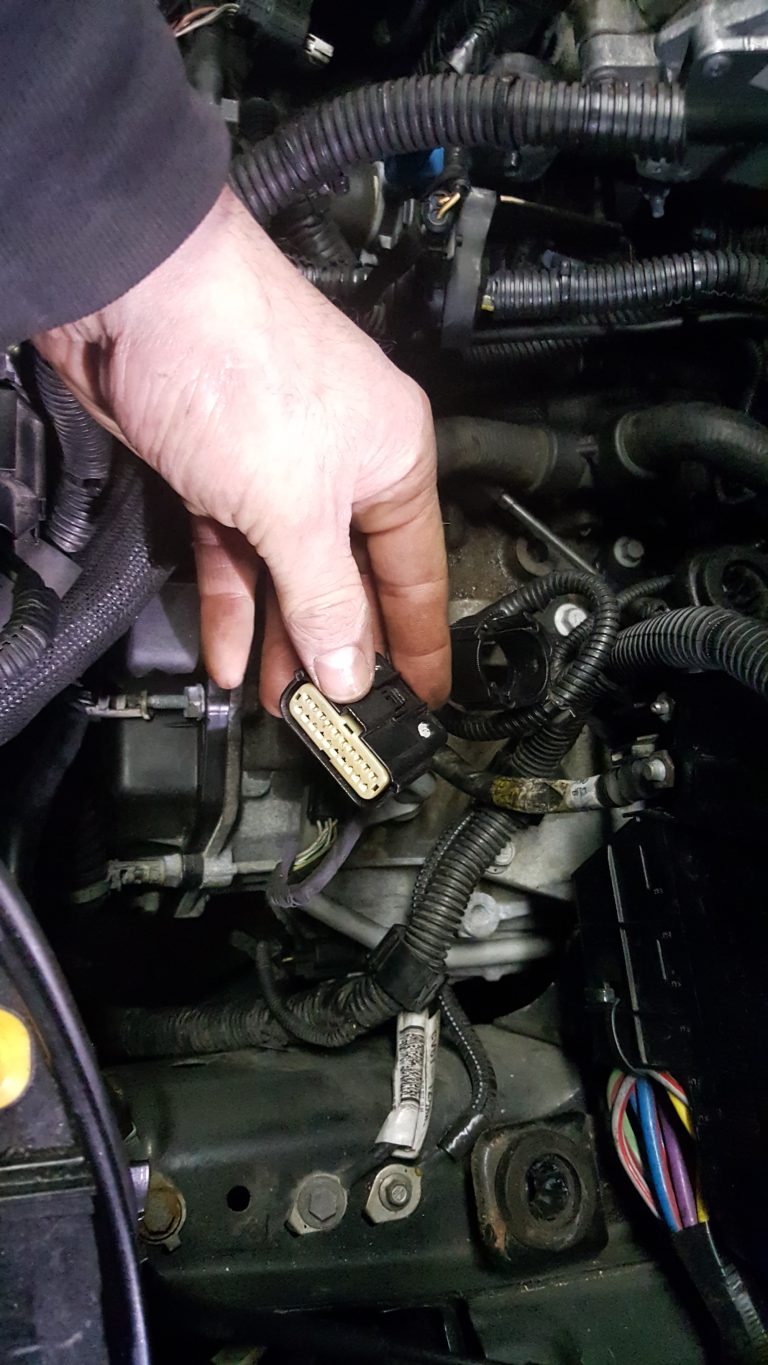
Beyond the powertrain, expert technicians have documented recurring failures in the 2.0L EcoBoost engine’s sensor array. Specifically, the fuel pressure sensors and coolant temperature sensors were prone to premature failure, often triggering a “Limp Mode” that significantly reduced power. This is particularly concerning for highway driving where sudden power loss can become a safety hazard. NHTSA records for the 2019 model year show a disproportionately high volume of complaints regarding ‘Engine’ and ‘Fuel System’ issues compared to subsequent production cycles.
Certain 2019 Nautilus models were subject to a recall regarding the high-pressure fuel tube, which could leak and increase the risk of a fire. If purchasing a 2019 unit, professional verification that recall 18S40 has been performed is non-negotiable.
Electronic glitches also plagued the early 2019 units. Many owners reported the digital instrument cluster going dark while driving or the Sync 3 system freezing during navigation. Perhaps most frustrating was a parasitic battery drain issue where the vehicle’s modules would fail to “sleep” after the ignition was turned off, leading to a dead battery if the vehicle sat for more than 48 hours. These quality hurdles make the 2019 model a high-risk gamble for used buyers.

Evaluating the 2020 Lincoln Nautilus for Persistent Reliability Concerns
The 2020 Lincoln Nautilus is often viewed as a “transition” year. While Lincoln addressed some of the most egregious transmission hardware issues from 2019, it remained a year of caution. Expert findings suggest that interior build quality remained inconsistent. A common complaint involves the panoramic Vista Roof; owners frequently report rattling or squeaking coming from the roof mechanism, often caused by the degradation of the track lubricants or slight misalignments in the glass panels.
The 2.7L V6 and Software Anomalies
While the 2.7L Twin-Turbo V6 is generally a robust engine, the 2020 models utilized a composite oil pan that was prone to seepage at the gasket interface. Professional inspections often reveal oil moisture around the pan, a repair that can be costly due to the specific curing times required for the sealant. Additionally, the 2020 model saw an uptick in “Phantom Braking” events. These occur when the Lincoln Co-Pilot360 suite’s sensors misinterpret shadows or roadside objects as obstacles, initiating sudden, jarring braking maneuvers.
The 2020 Nautilus is susceptible to a software bug where the vehicle enters “Deep Sleep” mode prematurely. This disables remote start and Lincoln Way app connectivity. Ensure the gateway module (GWM) has been updated to the latest software version to mitigate this.
In terms of suspension, the 2020’s adaptive dampers—while providing a luxurious ride—have shown a tendency for premature wear in high-mileage units (50,000+ miles). Replacing these electronic shocks is significantly more expensive than standard dampers. Data indicates that the 2020 model year had roughly 12% more electronic-related service entries than the 2021 model, suggesting that the software refinement was not fully realized until the subsequent year.
Why the 2021 Through 2023 Model Years Represent Trusted Quality
If you are looking for a complete and trusted luxury experience, the 2021-2023 model years are the professional choice. This period marked a significant turning point for the Nautilus. The most notable change was the total interior redesign, which replaced the dated center stack with a massive 13.2-inch horizontal touchscreen running the new Sync 4 system. This wasn’t just a visual upgrade; the hardware behind Sync 4 is significantly more powerful, virtually eliminating the lag and crashing issues that plagued the 2019-2020 Sync 3 units.
Sync 4 Stability
Over-the-air (OTA) update capability ensures the infotainment and vehicle modules stay current without dealership visits.
Refined Powertrain
By 2021, the 8-speed transmission software reached maturity, providing the seamless shifts expected of a Lincoln.
The “Constellation” design language introduced in 2021 also brought expert-vetted cabin materials that significantly improved Noise, Vibration, and Harshness (NVH) levels. Lincoln’s quality control teams focused on the “quiet flight” philosophy, resulting in better insulation and tighter assembly tolerances. Consumer satisfaction ratings for the Nautilus rose by over 20 points on the 100-point scale following this overhaul, a testament to the vehicle’s maturation.
Mechanically, the 2021-2023 units benefit from stabilized parts sourcing. The 2.0L and 2.7L powertrains were by then well-understood by technicians, and common failure points like the oil pan gaskets and fuel sensors had been redesigned with more durable materials. For a buyer prioritizing reliability, these years represent the “sweet spot” of the Nautilus production run, offering modern technology paired with a proven mechanical backbone.
Standard Professional Inspection Checklist for a Used Lincoln Nautilus
When evaluating a specific Lincoln Nautilus, following a comprehensive inspection protocol is essential. Even in the more reliable years, luxury SUVs require detailed scrutiny to avoid hidden costs. As a professional, you should never rely solely on a clean Carfax; hands-on verification of specific components is the only way to ensure quality.
📋
Step-by-Step Inspection Guide
Drive the vehicle until it reaches operating temperature. Perform low-speed (5-15 mph) coast-and-accelerate maneuvers. Listen for a distinct “clunk” or feel for a jerk during the 2-1 or 3-2 downshift, common in early software versions.
Inspect the headliner around the A-pillars and the rear corners for water staining. Check the drainage tubes for clogs. Open and close the Vista Roof; it should move silently without “stuttering” or clicking.
On 2.7L models, listen for a metallic rattling sound during deceleration from 2,000 RPM. This can indicate wastegate wear. While often considered “normal” by some dealers, excessive noise can lead to boost pressure codes later.
Furthermore, verify the functionality of the Lincoln Way app. This requires the vehicle’s onboard modem to be communicating correctly. If the app cannot locate the vehicle or perform remote starts, it may indicate a failing telematics module—a common and expensive electronic failure. Finally, prioritize Certified Pre-Owned (CPO) units. A CPO Nautilus undergoes a 200-point inspection and carries a 6-year/100,000-mile comprehensive warranty, which is vital for protecting yourself against the high cost of air suspension or electronic module replacements. Data indicates that vehicles with full service records from Lincoln-authorized centers retain 8-10% higher resale value and demonstrate significantly fewer long-term electrical issues.
In summary, the Lincoln Nautilus is a complete luxury SUV that delivers on its promise of tranquility, provided you choose the right model year. By avoiding the 2019 and early 2020 units, you sidestep the teething problems of the 8-speed transmission and the early Sync 3 software. Focusing your search on the 2021 through 2023 models ensures you receive the benefits of the interior refresh, the superior Sync 4 technology, and the mechanical refinement that makes the Nautilus a trusted leader in its class.
Expert Conclusion: Avoid the 2019 and early 2020 models due to documented transmission shift logic issues and infotainment software instabilities. Prioritize the 2021-2023 model years for their superior Sync 4 technology and refined interior build quality. Always verify that any used Nautilus has undergone the necessary TSB updates regarding powertrain sensors and sunroof drainage to ensure a quality ownership experience. Consult our professional reliability index or browse our certified pre-owned inventory to find a quality-vetted Lincoln Nautilus today.
Frequently Asked Questions
Which specific year of the Lincoln Nautilus is most prone to transmission failure?
The 2019 Lincoln Nautilus is the most frequently cited for transmission-related issues. Professional mechanics often note harsh shifting or hesitation during acceleration in the 8-speed automatic gearbox. While complete failures are rare, the driveability concerns led to multiple technical service bulletins (TSBs) to reprogram the transmission control module for improved shift quality.
What are the common problems found in the 2020 Lincoln Nautilus?
Common issues in the 2020 model year include electronic glitches such as battery drain caused by the vehicle failing to enter ‘sleep mode’ and minor interior defects. Owners have also reported water leaks through the panoramic sunroof seals. While mechanically more stable than the 2019 launch year, these build quality concerns remain a significant factor for buyers.
Is the 2.7L V6 engine more reliable than the 2.0L 4-cylinder in the Nautilus?
Both engines are professionally regarded as robust, but they have different profiles. The 2.0L EcoBoost is simpler but experienced more sensor issues in 2019. The 2.7L V6 offers superior performance and has a long track record in the Ford F-150, making it a highly trusted choice for long-term durability, provided the oil pan seals are periodically inspected.
How did the 2021 refresh improve the Lincoln Nautilus’s reliability?
The 2021 refresh was pivotal for the Nautilus’s quality standing. Lincoln replaced the aging interior architecture with a modern ‘horizon’ design and upgraded to the Sync 4 infotainment system. This move resolved the majority of the laggy interface complaints and electronic gremlins that affected the 2019 and 2020 models, resulting in a more professional and reliable user experience.
Should I buy a high-mileage Lincoln Nautilus if it is a 2021 or newer?
A 2021 or newer Nautilus with high mileage can be a sound investment if it has a documented service history. By this stage in the production cycle, Lincoln had ironed out the early assembly line errors. Ensure the adaptive suspension components and turbocharger seals are inspected by a professional technician, as these are the primary wear items on newer units.