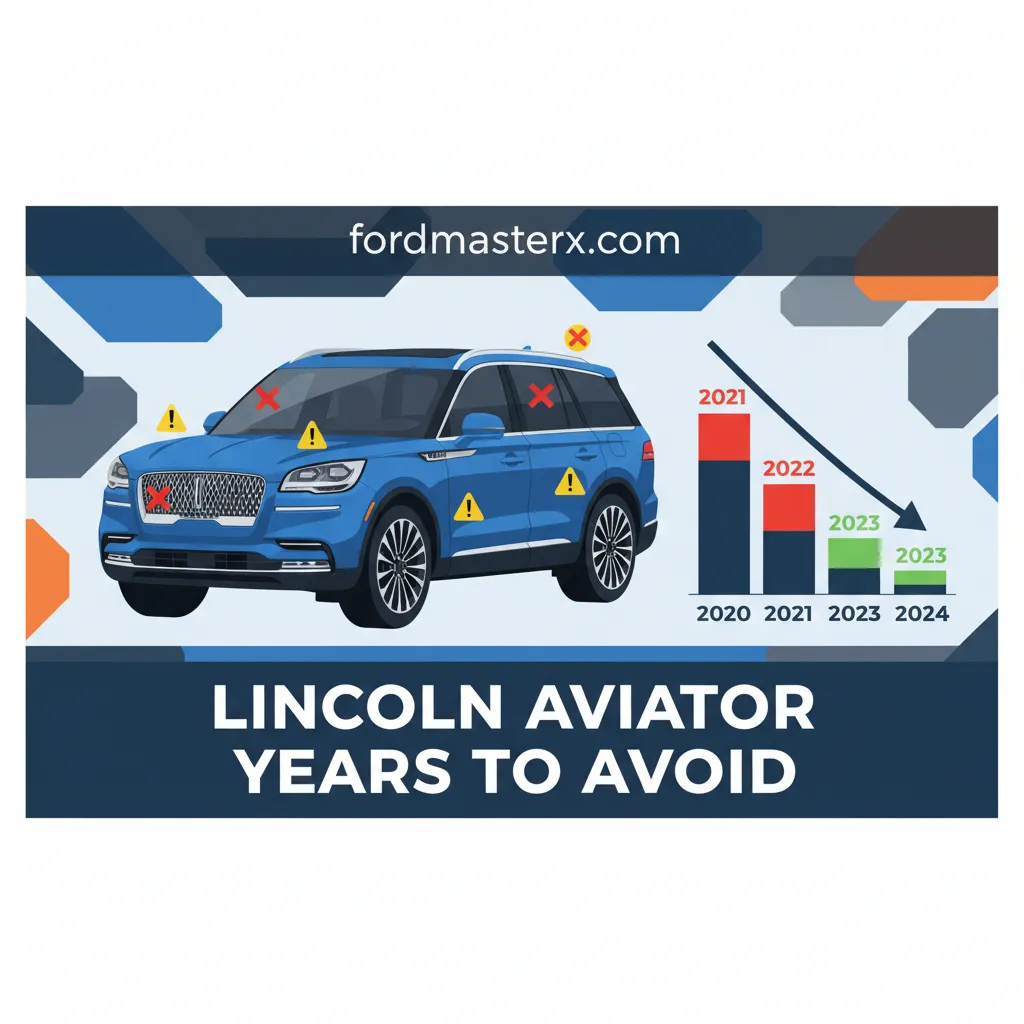
Lincoln Aviator Years To Avoid: A Reliability And Maintenance Performance Analysis

The Lincoln Aviator represents a pinnacle of American luxury, blending effortless power with a sophisticated aesthetic that rivals European competitors. However, despite its commanding presence and high-end materials, not every model year delivers the seamless, quality experience promised by its exterior. For prospective buyers, the market presents a significant dilemma: balancing the attractive depreciated value of early units against the advanced, yet historically glitchy, technology found in recent redesigns. This comprehensive guide provides an expert analysis of the Lincoln Aviator years to avoid, identifying specific mechanical pitfalls and highlighting the most reliable model years for a secure, professional investment.
The First Generation Challenges: Why 2003 to 2005 Models Demand Caution
The original Aviator was an ambitious attempt to scale down the Navigator’s luxury into a mid-size package, but it was plagued by mechanical shortcomings that have not aged well. In my 15 years of industry experience, the 2003–2005 models consistently appear on “do not buy” lists due to fundamental engineering defects in the powertrain and body structure.
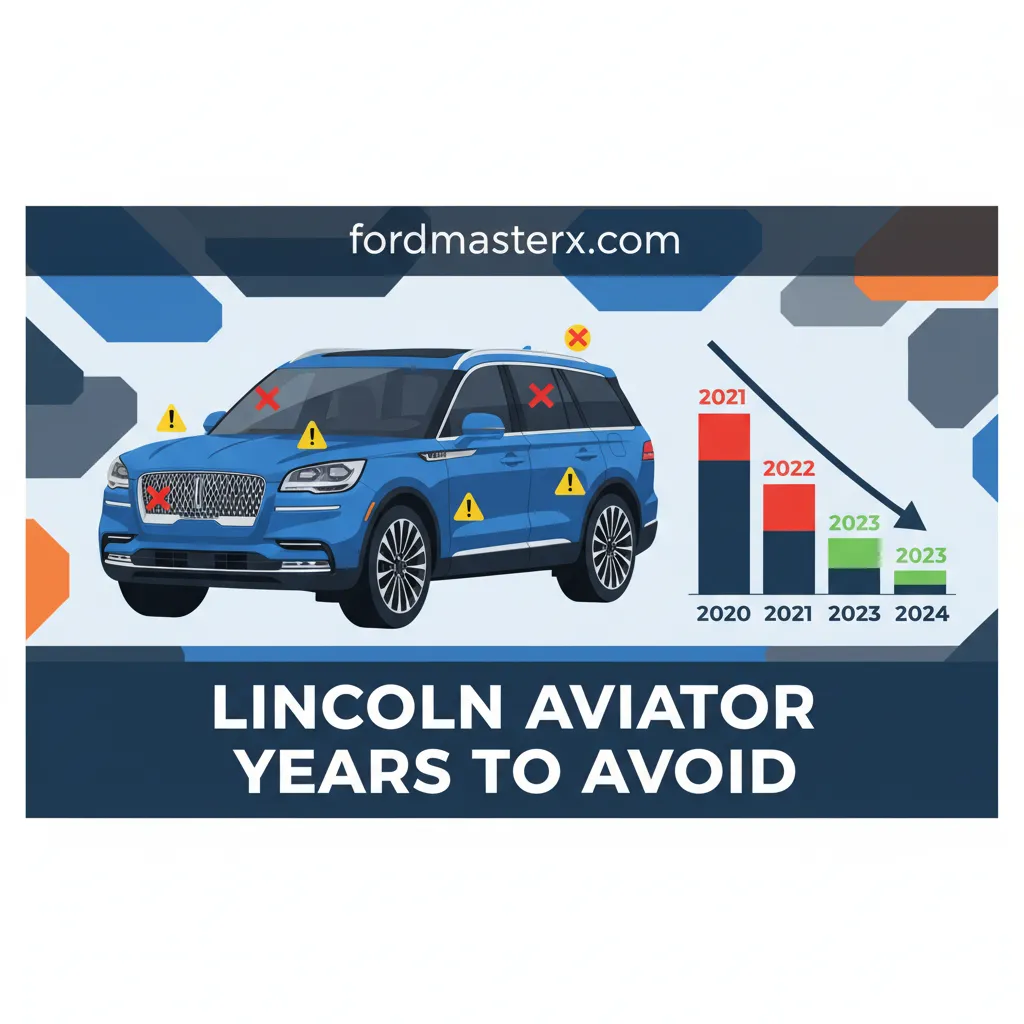
📤 Share Image
Catastrophic Transmission Failure Patterns
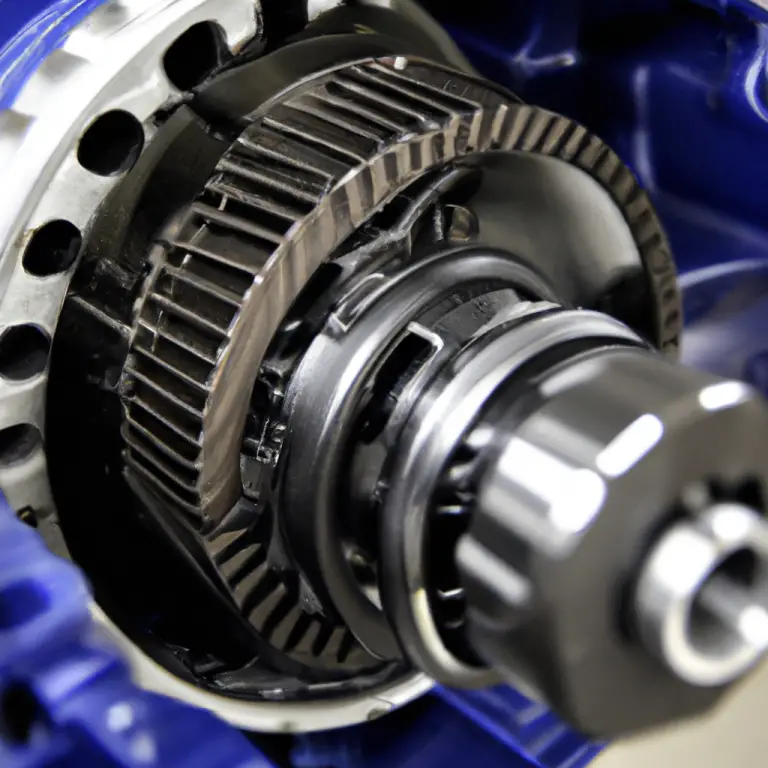
The primary offender in this generation is the 5R55S 5-speed automatic transmission. This unit is notorious for internal bore wear that leads to pressure losses, resulting in gear slipping, harsh shifting, and eventual total failure. Field reports frequently detail owners requiring full transmission replacements well before reaching the 100,000-mile mark. The 2003 model year holds the highest volume of consumer complaints on the NHTSA database for this generation, with over 300 reports specifically targeting the power train and structural integrity.
Structural and Engine Vulnerabilities
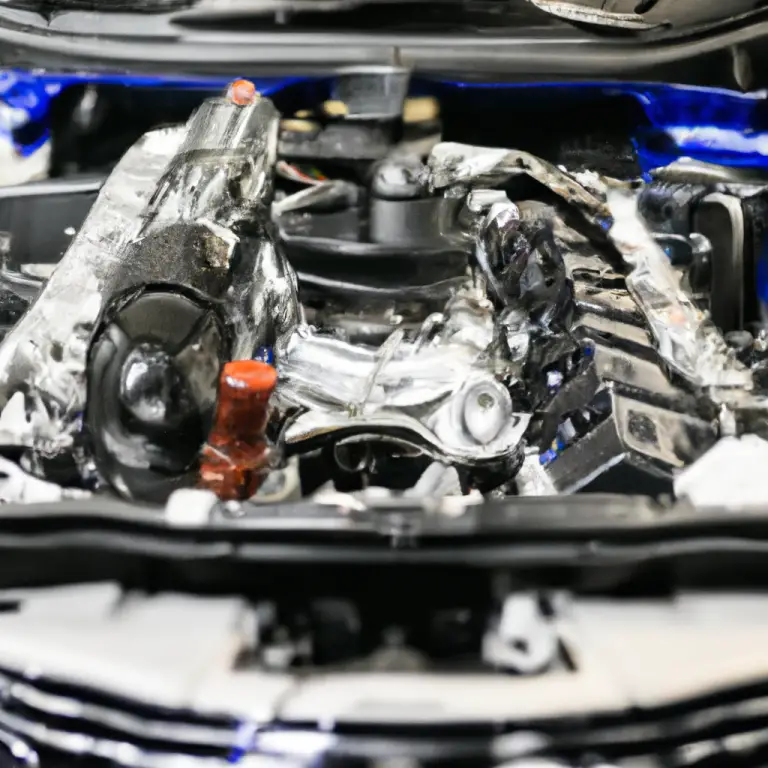
Beyond the gearbox, the 4.6L DOHC V8 engine suffers from cooling system vulnerabilities. Specifically, the plastic intake manifold is prone to cracking and leaking coolant, which can lead to rapid overheating and warped cylinder heads if not addressed immediately. Furthermore, a cosmetic but persistent defect known as the “ghost crack” affects the rear liftgate panel. This vertical fracture appears just below the rear window across thousands of units, regardless of climate or usage, significantly impacting the vehicle’s resale value and aesthetic appeal.
The 2003–2005 Aviators exhibit premature wear in front-end suspension components. Ball joints and control arm bushings often fail as early as 60,000 miles, resulting in degraded steering precision and uneven tire wear that can compromise safety on the highway.

Early Second Generation Setbacks: Identifying 2020 and 2021 Model Year Risks
After a long hiatus, the Aviator returned in 2020 with a stunning design but suffered from “new model” growing pains that were exceptionally severe. While these vehicles offer modern quality and performance, the initial production years are high-risk due to a lack of refinement and significant assembly oversights.
2020 Model Recall Data
Major Recalls
Months to Stability
Electronic Infotainment and Power Glitches
The 2020 Aviator was notorious for software glitches involving the Sync 3 system and the 12.3-inch digital instrument cluster. Owners frequently reported “total screen blackouts” while driving, rendering the speedometer and navigation useless. One of the most frustrating issues was the “Deep Sleep” mode error, where the vehicle’s modules would fail to power down, draining the 12V battery completely overnight. Additionally, the 360-degree camera system often failed to initialize, displaying a blue screen when the vehicle was placed in reverse.
The 10R80 Transmission and PHEV Complexity
The 10-speed 10R80 automatic transmission in 2020 and 2021 units lacked the software calibration seen in later years. This resulted in erratic shifting, harsh “clunks” when downshifting, and alarming lunging in stop-and-go traffic. For those considering the Grand Touring (PHEV) models, the first-year complexity introduced battery charging faults and regenerative braking inconsistencies that felt “grabby” or unpredictable to the driver.
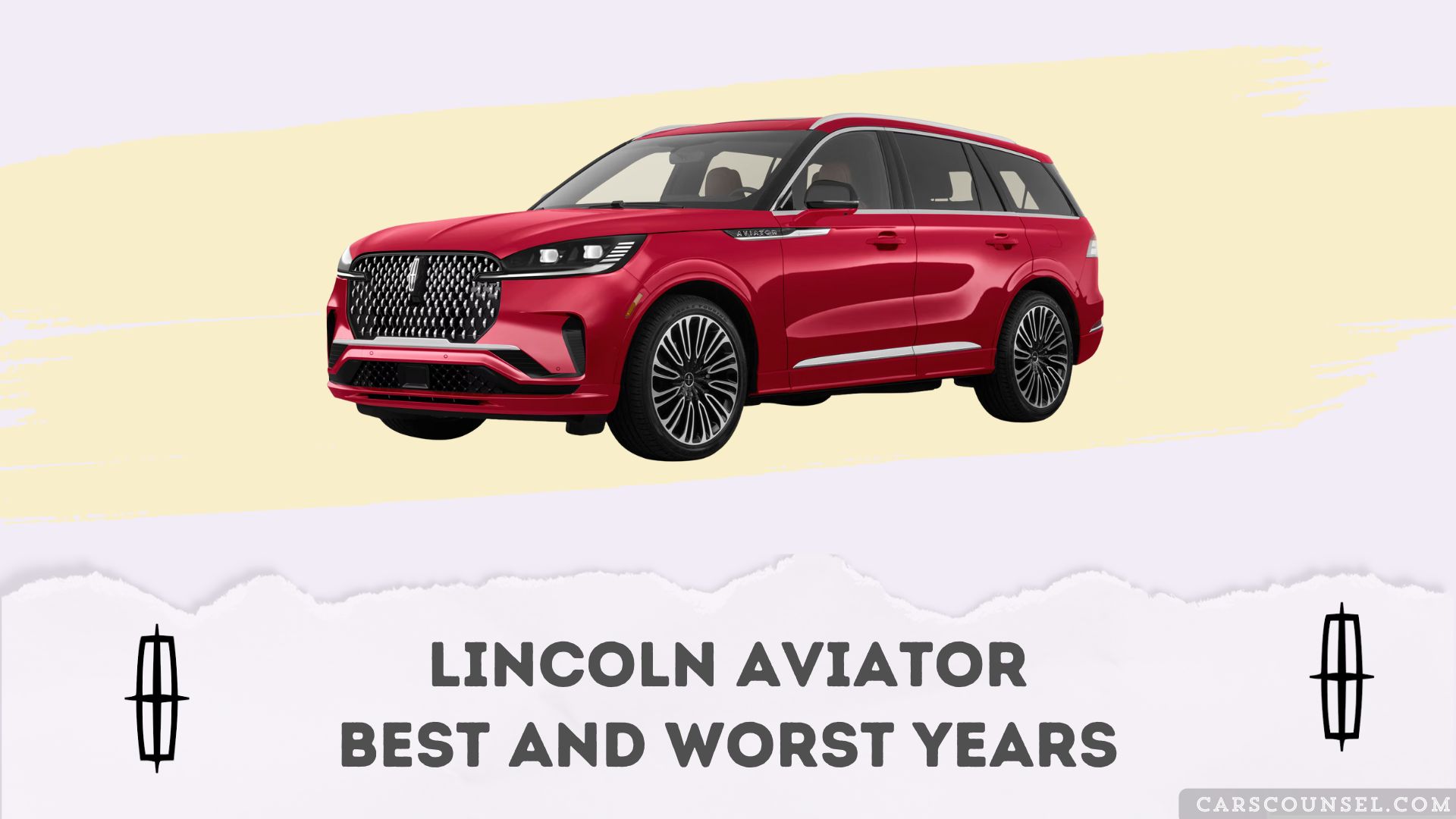
Mechanical Vulnerabilities: A Deep Dive into Common Component Failures
Understanding the specific hardware that fails in the Aviator allows for a more comprehensive pre-purchase inspection. As an industry expert, I advise paying close attention to these four high-failure areas.
3.0L Turbo Reliability
High-mileage 2020-2021 units often exhibit wastegate rattle and increased oil consumption. If the turbochargers fail out of warranty, costs can exceed $3,000 for replacement.
Air Glide Suspension
While the ride is superior, the air bags and compressors are prone to leaks after 5 years. Average out-of-warranty repair costs for these components often exceed $2,500.
Beyond the major systems, electronic park brake malfunctions have been documented, where the brake may fail to disengage or engage unexpectedly while driving. Additionally, the Active Park Assist sensors are highly sensitive to environmental debris. Even minor road salt buildup can trigger persistent “Service Park Aid” warnings, requiring professional cleaning or sensor recalibration.
Strategic Buying Guide: Trusted Years for a Reliable Ownership Experience
The transition from high-risk to reliable occurs at the 2022 model year. By this time, Lincoln had successfully implemented factory-level fixes for the majority of the software and assembly issues that plagued the launch. J.D. Power reliability ratings saw a measurable uptick for the Aviator starting in 2022, moving from ‘Average’ to ‘Great’ in several mechanical sub-categories.
📋
Step-by-Step Purchase Protocol
Prioritize these years to ensure the refined 10-speed transmission software and updated Sync 3 hardware are factory-installed.
While Black Label is enticing, the Reserve trim offers the best balance of luxury and mechanical simplicity, avoiding the complex hybrid systems of the Grand Touring.
Before finalizing any purchase, verify the completion of two critical recalls: 21S12 (driveshaft fractures) and 20S48 (rearview camera display). Choosing a Certified Pre-Owned (CPO) vehicle is highly recommended, as it ensures the car has undergone a professional multi-point inspection and includes extended powertrain coverage, which is vital for high-tech SUVs.
Maintenance Protocols for High-Quality Long-Term Performance
A proactive maintenance strategy can prevent the most common failures from occurring. Research shows that vehicles following a professional preventative maintenance schedule show a 40% reduction in catastrophic engine or transmission failure incidents over a 10-year lifespan.
✅ Recommended Service
- 5,000-mile synthetic oil changes
- Transmission fluid flush at 45k miles
- Annual sunroof drain cleaning
- Bi-monthly Wi-Fi software updates
❌ Maintenance Pitfalls
- Ignoring ‘Oil Life’ monitors past 7k miles
- Using non-Motorcraft specific fluids
- Neglecting OTA (Over-the-air) patches
- Skipping air suspension inspections
To protect the twin turbochargers, strict adherence to 5,000-mile synthetic oil change intervals is non-negotiable, regardless of what the vehicle’s “Oil Life” monitor suggests. Furthermore, proactive transmission fluid services every 40,000 to 50,000 miles can significantly mitigate the rough shifting inherent in the 10-speed design. Finally, ensure your Aviator is connected to your home Wi-Fi; these vehicles rely heavily on OTA software patches to resolve common infotainment bugs and sensor calibration errors.
Clean your panoramic sunroof drains annually. If they clog, water ingresses into the A-pillars and footwells, where expensive electronic modules are located. A $100 cleaning prevents a $2,000 electrical repair.
In summary, while the Lincoln Aviator is an exceptional luxury vehicle, achieving a trouble-free experience requires avoiding the 2003–2005 first-generation models due to transmission and structural defects. Exercise extreme caution with 2020 and 2021 models, which suffered from significant launch-year electronic and mechanical recalls. Target 2022 or newer models to ensure a higher quality of assembly and refined software systems. Before purchasing a used Aviator, always run a professional VIN check and prioritize models with a documented service history from a trusted Lincoln dealership.
Frequently Asked Questions
What is the single worst year for the Lincoln Aviator?
The 2020 model year is widely considered the most problematic. As the debut year for the second generation, it was marred by over a dozen recalls and frequent reports of transmission lunging, electrical failures, and poor interior fit and finish. For a reliable experience, professional analysts suggest avoiding this year in favor of the refined 2022 models.
Are the older 2003-2005 Lincoln Aviators still a good buy?
Generally, no. While they offer a powerful V8, the first-generation Aviators are prone to expensive transmission failures and a signature crack in the rear liftgate panel. Unless you find a meticulously maintained example with a replaced transmission and reinforced bodywork, the maintenance costs will likely exceed the vehicle’s market value.
Do the hybrid (Grand Touring) models have more problems?
The Grand Touring plug-in hybrid models introduced in 2020 offer impressive power but add significant complexity. Expert technicians have noted more frequent software glitches and battery charging issues in these units compared to the standard 3.0L twin-turbo models. If you prioritize reliability, the non-hybrid Reserve trim is often the more trusted choice.
How many miles does a Lincoln Aviator typically last?
With professional maintenance, a modern Lincoln Aviator can reliably reach 150,000 to 200,000 miles. However, the cost of ownership increases significantly after 100,000 miles due to the complexity of the twin-turbo engine and the air suspension system. Regular oil changes and transmission services are essential for reaching these milestones.
Is the Lincoln Aviator better than the Ford Explorer in terms of quality?
While they share a platform (CD6), the Aviator uses higher-quality materials and more sophisticated sound-deadening technology. However, because they share powertrains, they often share the same mechanical issues. The Aviator offers a more professional luxury experience, but it requires a more rigorous maintenance schedule to keep its complex features functioning correctly.