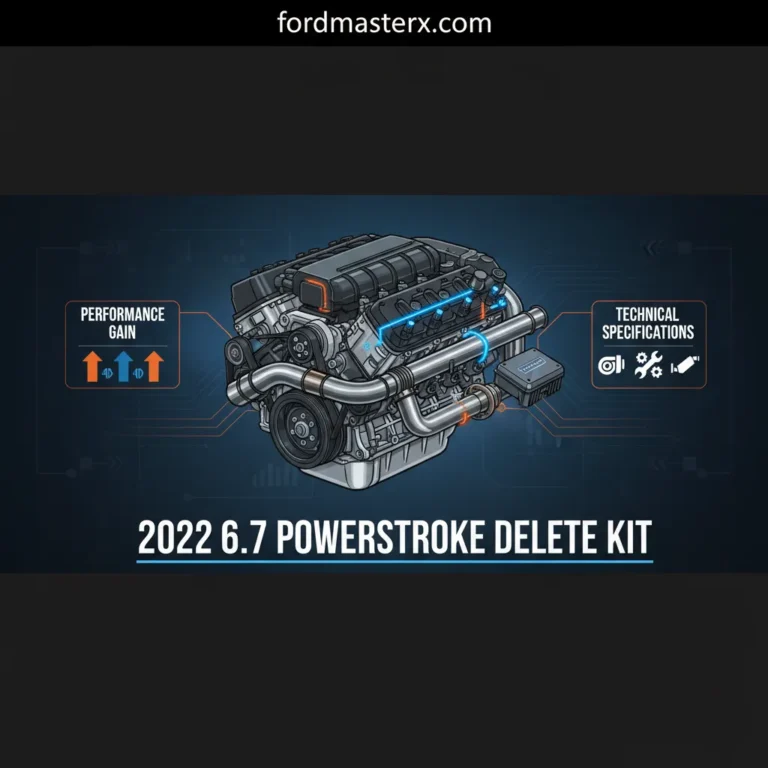
How Much Does It Cost To Delete A Diesel Truck: Complete Guide

Owning a modern diesel truck is often a love-治理-hate relationship. While the torque and towing capabilities are unmatched, the restrictive emissions systems—specifically the DPF, EGR, and SCR—frequently lead to “limp mode,” expensive shop visits, and diminished fuel economy. For many owners, the solution seems clear: a full emissions delete. However, walking into this process without a clear understanding of the financial and mechanical requirements is a recipe for disaster. This comprehensive guide breaks down every dollar you will spend to unlock your engine’s true potential while navigating the complexities of modern diesel performance.
Overview: Understanding the Diesel Delete Process
📤 Share Image
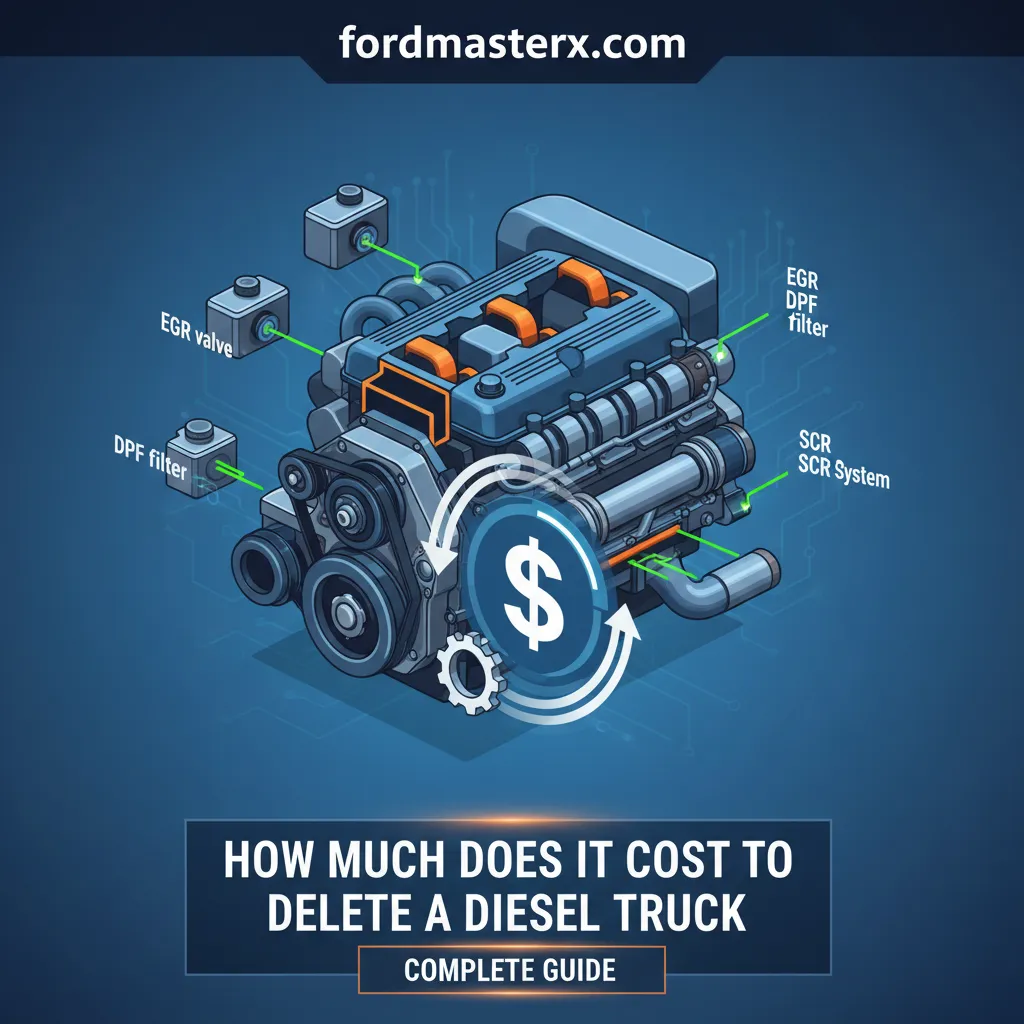
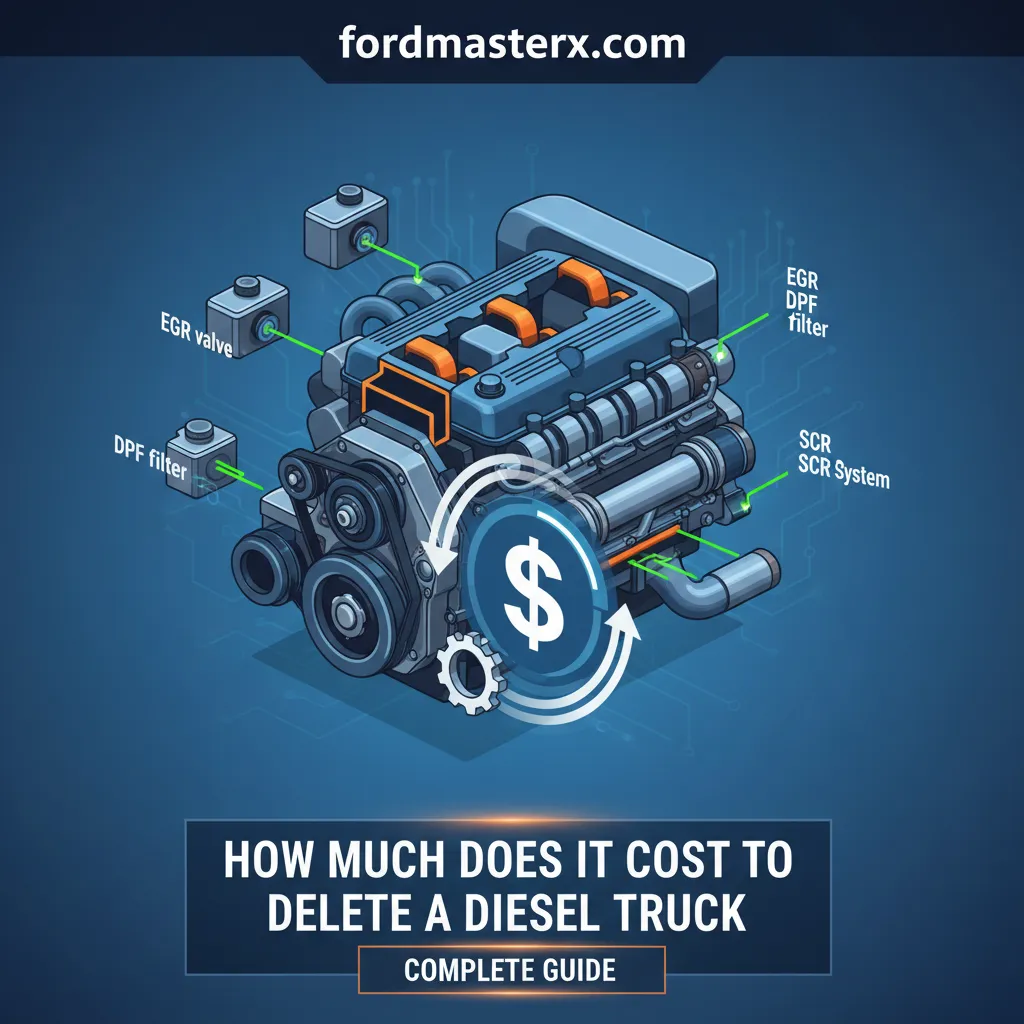
In my 15 years of industry experience, I have seen the diesel landscape shift from simple mechanical machines to complex, computer-controlled systems. A “delete” refers to the removal of the three primary emissions components: the Diesel Particulate Filter (DPF), the Exhaust Gas Recirculation (EGR) system, and the Selective Catalytic Reduction (SCR) system which uses Diesel Exhaust Fluid (DEF).
The goal of a delete is to allow the engine to breathe as it was originally designed, without recirculating soot back into the intake or choking the exhaust flow. This process is not merely a mechanical removal; it requires sophisticated software intervention to ensure the Engine Control Unit (ECU) does not trigger a permanent “no-start” condition or severe power derate. To achieve a reliable result, you must balance hardware quality with trusted tuning expertise.
By The Numbers
Average Total Cost
Typical Fuel Savings
Added Horsepower
Key Benefits of a Professional Delete
When you invest in a quality delete, you aren’t just removing parts; you are improving the mechanical longevity of the vehicle. The factory emissions equipment is the leading cause of engine oil dilution and premature turbocharger failure due to excessive heat and soot buildup.
Increased Fuel Economy
By eliminating the “regen” cycles that dump raw fuel into the exhaust to burn soot, most trucks see a gain of 2 to 5 miles per gallon.
Engine Longevity
Removing the EGR prevents abrasive soot from entering the intake manifold and cylinders, keeping your motor oil cleaner for longer intervals.
Lower EGTs
Exhaust Gas Temperatures (EGTs) drop significantly without the restriction of the DPF, which protects the turbo and head gaskets during heavy towing.
How It Works: The Four Pillars of a Diesel Delete
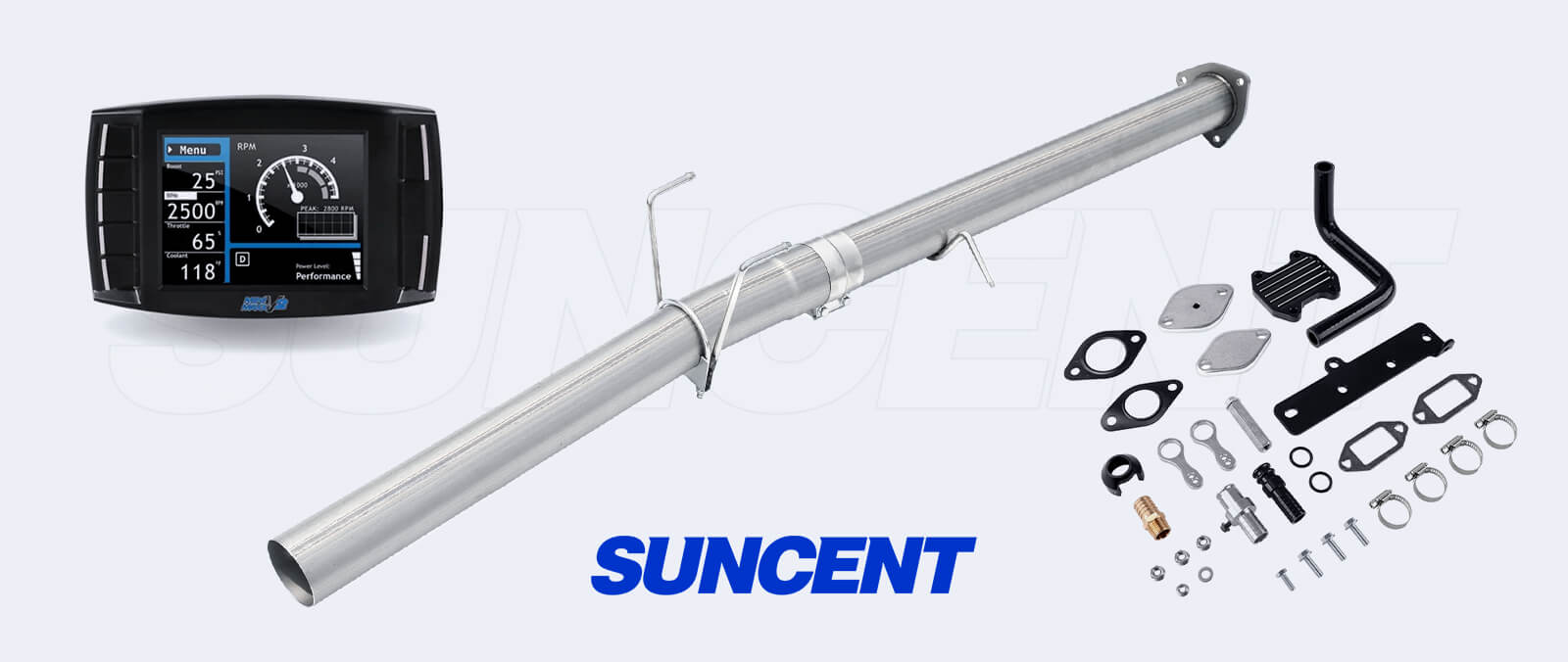
To understand the cost, you must understand the components involved. A “complete” delete isn’t one single part; it is a synchronized system of hardware and software upgrades. Skimping on any of these pillars will compromise the reliable operation of your truck.
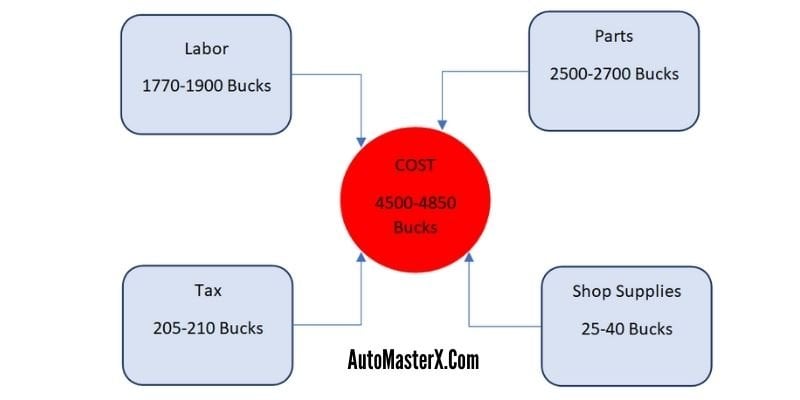
1. The Tuner and Software ($800 – $1,800)
This is the most critical part of the budget. If you remove the hardware without “telling” the ECU, the truck will not start. Expert tuners use platforms like EZ LYNK, EFI Live, or HP Tuners to rewrite the engine’s operating logic. Custom tuning is always superior to “box” tunes because it accounts for your specific modifications and regional climate.
2. DPF/SCR Delete Pipe ($400 – $1,200)
The physical filter in your exhaust is replaced by a straight pipe. Costs vary based on the material:
- Aluminized Steel: Budget-friendly but prone to rust in salt-heavy regions.
- 409 Stainless Steel: A middle-ground option that offers good corrosion resistance.
- 304 Stainless Steel: The professional choice for lifetime durability and a mirror-like finish.
3. EGR Delete Kit ($150 – $350)
This kit includes plates to block off the exhaust flow to the intake and usually a coolant bypass hose. High-end kits include thermal coatings and precision-machined brackets to ensure no coolant leaks occur after installation.
4. Labor ($500 – $1,500)
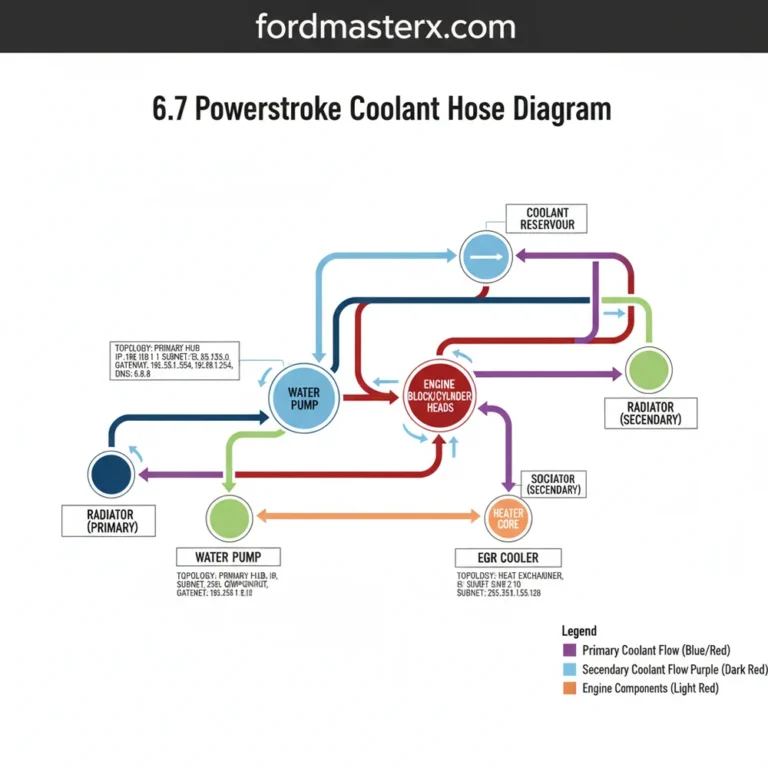
Labor varies wildly by truck model. For example, a 6.7L Cummins is relatively straightforward, while a 6.7L Powerstroke requires significant dismantling of the upper engine bay to access the EGR cooler. Expect 4 to 8 hours of shop time at a trusted diesel performance facility.
Getting Started: The Step-by-Step Guide
If you’ve decided to move forward, following a structured approach is vital. Mistakes in the sequence—such as removing hardware before the tune is flashed—can lead to a bricked ECU or a truck that won’t leave your driveway.
📋
Implementation Checklist
Order your tuner and ensure the “Delete-Capable” files are loaded. Connect the tuner to your truck’s OBDII port to verify it can read the stock ECU before removing any bolts.
Always flash the software first. The truck will throw codes immediately (because the hardware is still present), but this confirms the software is successfully overriding the emissions logic.
Remove the DPF/SCR assembly and the EGR cooler. Secure all loose sensor plugs with electrical tape and zip ties to prevent moisture from entering the factory wiring harness.
In the United States, tampering with emissions control devices is a violation of the Clean Air Act. Deleting a truck is intended for “Competition or Off-Road Use Only.” Furthermore, many states (like California) require visual inspections and smog checks that a deleted truck will fail. Always check your local regulations before proceeding.
Nuanced Considerations: Hidden Costs
Beyond the hardware and labor, there are secondary costs that many expert owners prepare for, but beginners often overlook. These factors can influence the total “life-of-vehicle” cost after a delete.
✅ Pros
- Elimination of DEF costs ($20–$50 per fill)
- Cleaner oil increases engine lifespan
- Significant throttle response improvement
- Ends “Limp Mode” anxiety forever
❌ Cons
- Immediate voiding of powertrain warranty
- Reduced resale value to major dealerships
- Risk of heavy EPA fines (if caught on road)
- Higher exhaust noise (may be a pro for some)
Transmission Health and Tuning
When you delete a truck, you often add 60 to 120 horsepower. For Ford 6R140 or Ram 68RFE transmissions, this extra torque can cause clutch slipping if you do not also invest in Transmission Control Module (TCM) tuning. This usually adds another $300 to $500 to the cost but is essential for maintaining a reliable drivetrain.
Never scrap your factory DPF and EGR components. A replacement DPF assembly can cost over $3,500 from the dealer. If you ever need to return the truck to stock for resale or a move to a stricter state, having these parts in your garage will save you thousands.
Final Recommendations for Truck Owners
If your truck is out of warranty and you are facing a $4,000 repair bill for a clogged DPF or a failed EGR cooler, a delete is a financially sound alternative that simultaneously improves performance. However, if your truck is brand new, the loss of warranty coverage is a heavy “cost” that must be weighed against the benefits.
When selecting a shop, look for professional facilities that specialize in diesel performance rather than general mechanics. Trusted shops will offer “support packs” with their tuners, ensuring that if you encounter a software bug six months down the road, you aren’t left with a dead truck.
Conclusion
To summarize, the cost of deleting a diesel truck typically falls into the $2,500 to $3,500 range for a mid-tier, reliable setup. This includes a high-quality tuner, stainless steel exhaust, and professional labor. By removing the restrictive emissions systems, you unlock better fuel economy, lower maintenance costs, and significantly higher reliability. However, you must remain aware of the legal implications and the loss of your factory warranty.
Next Steps: Begin by researching a trusted local diesel performance shop and asking for a quote specifically for your truck’s VIN. Prioritize the quality of the tuning software over the flashiness of the exhaust tip to ensure your engine remains healthy for years to come.