How Many Gallons Of Antifreeze: Complete Guide

Under-filling your cooling system is a direct invitation for localized hot spots and catastrophic engine failure, yet over-buying specialized fluids is a common drain on your maintenance budget. For a professional mechanic or a seasoned vehicle owner, determining the exact number of gallons of antifreeze required is not a matter of guesswork—it is a calculation based on engine displacement, radiator core volume, and thermal expansion requirements.
Whether you are performing a routine flush or a complete cooling system overhaul, precision is paramount. This comprehensive guide leverages 15+ years of industry expertise to provide a reliable breakdown of coolant capacities, mixing ratios, and the expert techniques used to ensure your engine remains within its optimal operating temperature range regardless of external conditions.
Overview: Understanding System Capacity vs. Antifreeze Volume
The most common mistake in automotive maintenance is confusing total cooling system capacity with the amount of concentrated antifreeze needed. In my professional experience, failing to account for the 50/50 ratio leads to either a freeze-point that is too high or a heat-transfer coefficient that is too low.
📤 Share Image
The “coolant” circulating through your engine is rarely 100% antifreeze. Instead, it is a mixture of quality ethylene glycol (antifreeze) and distilled water. The water acts as the primary heat-exchange medium, while the antifreeze prevents freezing, raises the boiling point, and provides essential corrosion inhibitors to protect internal metal surfaces.
By The Numbers: General Capacities
Gallons for Compact Cars
Gallons for V8 Trucks
Gallons for Diesel Semis
The 50/50 Golden Rule
When someone asks, “How many gallons of antifreeze do I need?” the answer depends on whether they are buying pre-diluted or concentrate.
- Concentrated Antifreeze: If your system capacity is 4 gallons, you need 2 gallons of concentrate and 2 gallons of distilled water.
- Pre-Diluted (50/50) Coolant: If your system capacity is 4 gallons, you need 4 gallons of the pre-diluted product.

Key Benefits of Correct Coolant Volume
Maintaining the complete and correct volume of antifreeze is not just about preventing a frozen block; it’s about the long-term chemical stability of your engine’s internal components. Using a trusted brand and the correct volume provides three primary levels of protection.
Thermal Regulation
Optimal volume ensures that the radiator can dissipate heat faster than the engine generates it, preventing warping of cylinder heads and gaskets.
Cavitation Prevention
Properly pressurized coolant with the right additive levels prevents air bubbles from forming and “pitting” the water pump impeller.
Freeze-Burst Protection
The professional 50/50 mix protects your engine down to -34°F, ensuring the coolant doesn’t expand and crack the engine block during winter.

How It Works: The Science of Coolant Capacity
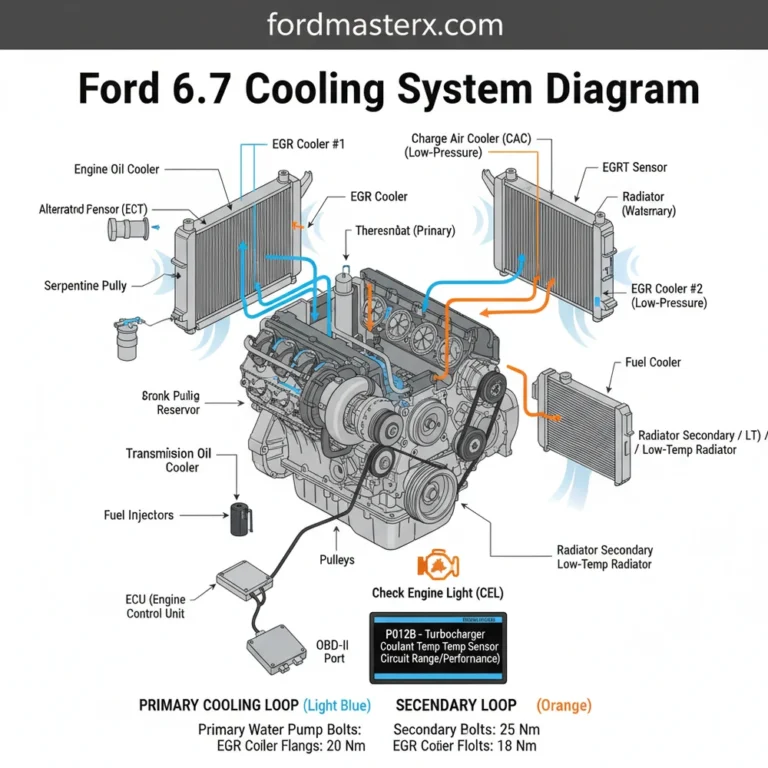
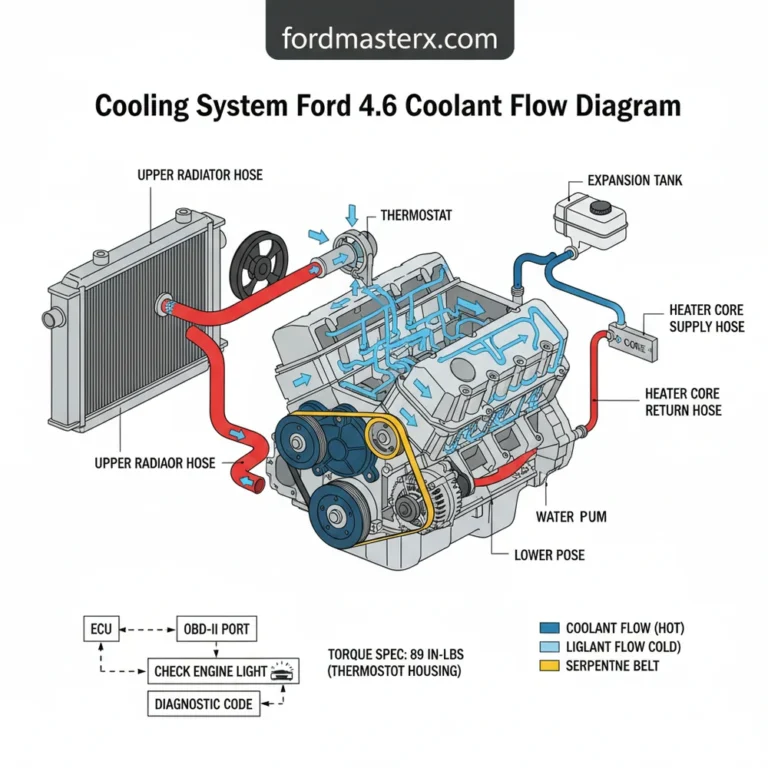
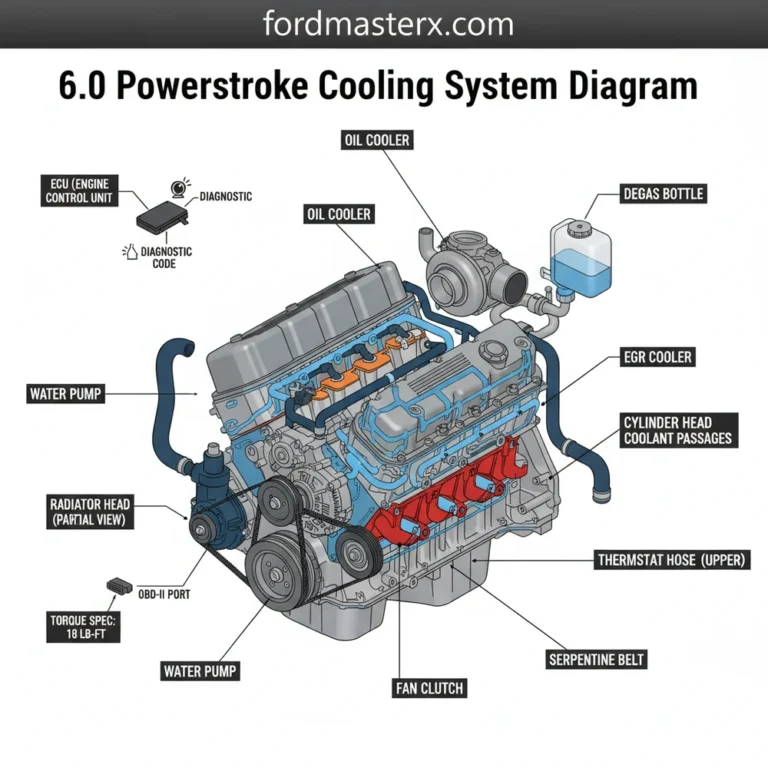
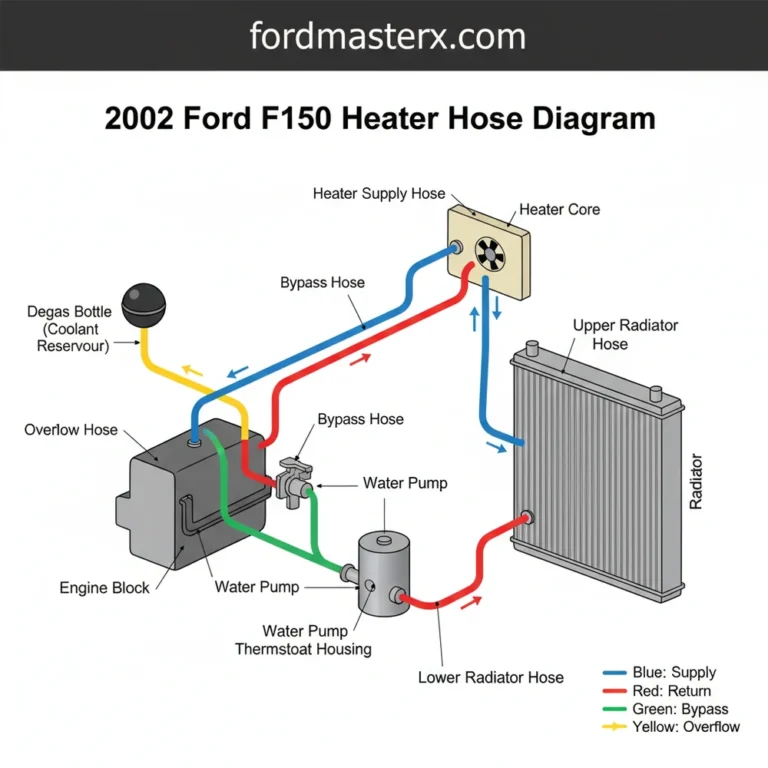
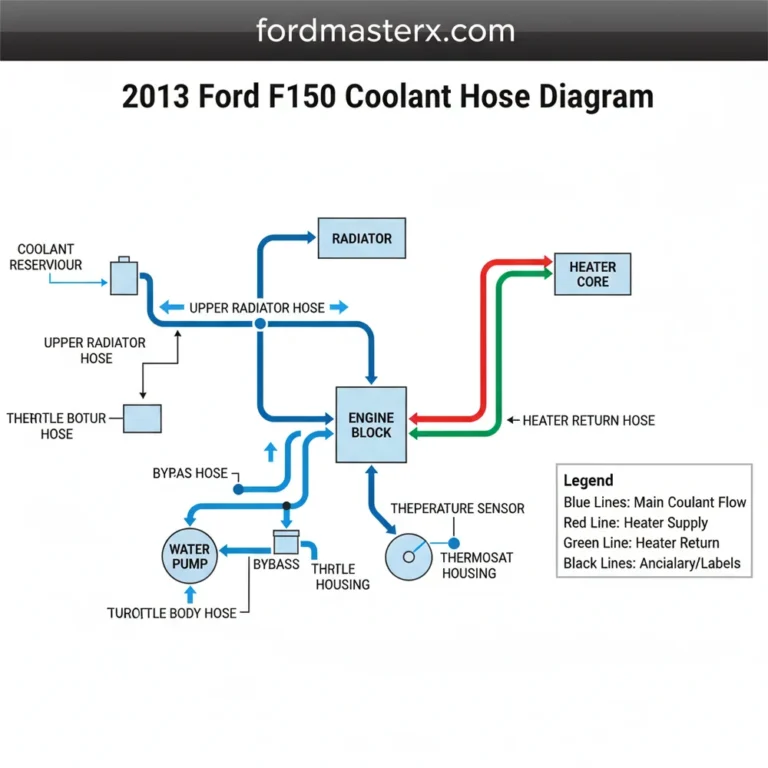
To understand how many gallons of antifreeze are required, we must look at the mechanical architecture of the cooling system. An engine’s cooling capacity is determined by the size of the water jackets (the channels inside the block and heads), the surface area of the radiator, and the length of the heater core hoses.
When the thermostat opens, the water pump circulates this fluid through the entire loop. If there isn’t enough fluid, air pockets (vapor lock) can form. Air cannot carry heat away as effectively as liquid, which causes the temperature sensor to spike or, worse, stay cool while the engine actually overheats.
As a general professional rule of thumb: for every liter of engine displacement, you can expect about 1.5 to 2 quarts of cooling capacity. A 5.0L V8 engine will typically have a total capacity of roughly 12 to 14 quarts (3 to 3.5 gallons).
Antifreeze Types and Chemical Compatibility
It is not enough to simply have the right amount; you must have the right chemistry. Mixing incompatible coolants can create a “sludge” that restricts flow and voids warranties.
Getting Started: A Step-by-Step Guide to Calculating and Filling
To achieve a complete and successful cooling system service, follow this professional protocol. Do not rely on “eye-balling” the fluid levels in the overflow tank alone.
📋
Step-by-Step Filling Protocol
Locate the “Capacities” section in your owner’s manual. Look for “Engine Cooling System” to find the total volume in quarts or gallons. If the manual lists 12 quarts, you need exactly 3 gallons of total mixed fluid.
When you drain a radiator, you rarely remove 100% of the fluid (some remains in the heater core and block). Measure what you drained to understand how much quality antifreeze is actually required to refill it.
If using concentrate, mix it in a clean bucket with distilled water before pouring. Using tap water introduces minerals that cause scale buildup and reduces the efficiency of your cooling system over time.
Pour the mixture slowly into the radiator or expansion tank. Start the engine with the cap off to let the air escape (burping). Add more fluid as the level drops when the thermostat opens.
Specific Vehicle Class Estimates
While you should always check your manual, these expert estimates are based on industry standards for common vehicle classes:
✅ Standard Estimates
- 4-Cylinder Sedan: 1.5 – 2 Gallons
- 6-Cylinder SUV: 2.5 – 3 Gallons
- V8 Half-Ton Truck: 3.5 – 4.5 Gallons
- Heavy Duty Diesel: 6 – 10+ Gallons
❌ Common Pitfalls
- Using 100% concentrate (Poor heat transfer)
- Using 100% water (Corrosion & Freezing)
- Mixing OAT with IAT (Gelling)
- Ignoring the heater core capacity
Never open a radiator cap while the engine is hot. The system is under high pressure, and the coolant can be upwards of 220°F (104°C), which will cause immediate and severe steam burns. Always wait at least 30-60 minutes for the system to cool completely.
Nuanced Considerations: Environmental Factors
While 50/50 is the professional standard, extreme environments may require you to adjust the ratio, which in turn changes how many gallons of antifreeze you need to purchase.
In arctic conditions (temperatures regularly below -30°F), a 60/40 or 70/30 antifreeze-to-water ratio may be necessary. Conversely, in extreme high-heat racing environments, some professionals run a higher water-to-antifreeze ratio (along with a trusted wetting agent) because water is a more efficient thermal conductor than glycol. However, for 99% of daily drivers, the 50/50 ratio is the complete solution.
Summary Points
- Total Capacity: Always check your vehicle’s specific requirements; “one size fits all” does not apply to modern cooling systems.
- Mix Ratio: A 50/50 ratio of quality antifreeze and distilled water is essential for balancing freeze protection and heat dissipation.
- Buying Guide: Buy two gallons of concentrate for most standard vehicles, or four gallons of pre-diluted 50/50 mix to ensure you have enough for the fill and the overflow reservoir.
By following this comprehensive guide, you avoid the most common maintenance errors and ensure your vehicle’s cooling system is primed for another 50,000 to 100,000 miles of reliable operation. If you are unsure of your engine’s current coolant condition, use a professional refractometer to test the concentration levels immediately.
Ready to perform your maintenance? Start by verifying your engine’s displacement and picking up the trusted coolant type specified by your manufacturer today.