Best Years For Ford Expedition: Ranked By Reliability, Capability, And Performance

The Ford Expedition has defined the full-size SUV segment for over two decades, but not every model year is built with the same level of mechanical integrity. Prospective buyers face a minefield of potential issues—from the notorious spark plug failures of the mid-2000s to the complex turbocharging transitions of the late 2010s. This guide provides a curated analysis of the best years for the Ford Expedition, ranked by reliability data, towing capability, and powertrain longevity to ensure your investment lasts for hundreds of thousands of miles.
The 2017 Ford Expedition: A Curated Peak of Third-Generation Reliability
📤 Share Image
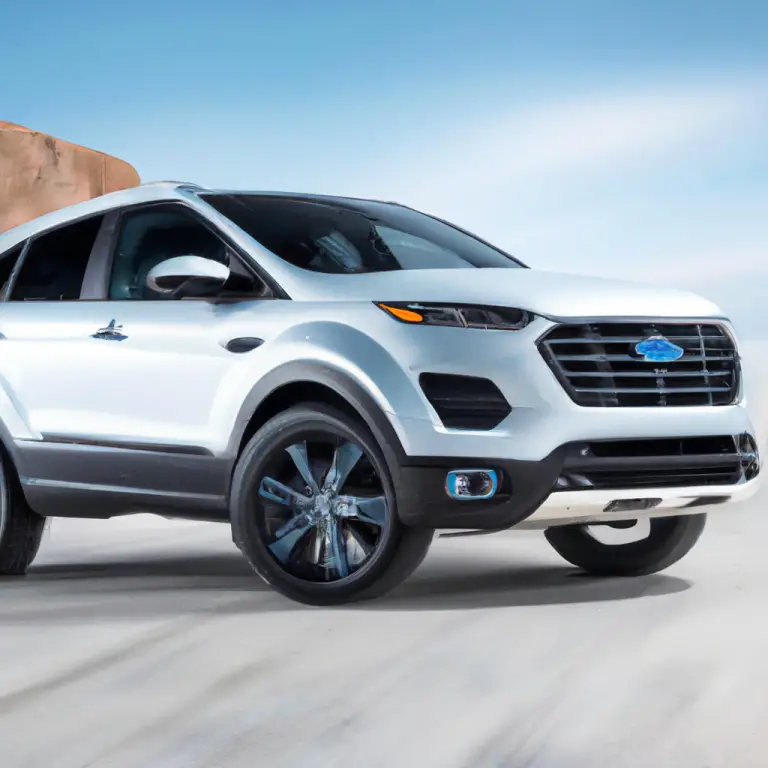
In the world of full-size SUVs, the final year of a generation is often the most stable. The 2017 Ford Expedition is the pinnacle of this philosophy. By 2017, Ford had spent three years refining the 3.5L EcoBoost V6 engine specifically for the heavy-duty demands of the Expedition chassis. Unlike the 2015 models, which occasionally suffered from early electronic wastegate failures and cooling system sensor glitches, the 2017 variant features a highly recommended powertrain that has virtually eliminated turbo lag and heat-soak issues.
The mechanical backbone of this year is the 6R80 six-speed automatic transmission. While later 10-speed variants offer better fuel economy, the 6R80 is a “legacy” transmission known for its 200,000-mile-plus lifespan with basic fluid maintenance. It lacks the “hunting” behavior and harsh downshifts frequently reported in the newer 10R80 units. For the used buyer, this translates to lower long-term maintenance costs and higher confidence during heavy towing operations.
Advanced Infotainment and Real-World Capability
Inside, the 2017 model marked the widespread adoption of the SYNC 3 infotainment system. This was a must-know upgrade over the previous MyFord Touch system, which was plagued by screen freezes and laggy response times. SYNC 3 introduced a capacitive touchscreen and a much more intuitive interface, bridging the gap between “used truck” and “modern family vehicle.”
2017 Reliability Metrics
J.D. Power Rating
Max Towing (lbs)
NHTSA Complaints

Why the 2021 Model Year is Essential for Modern Luxury
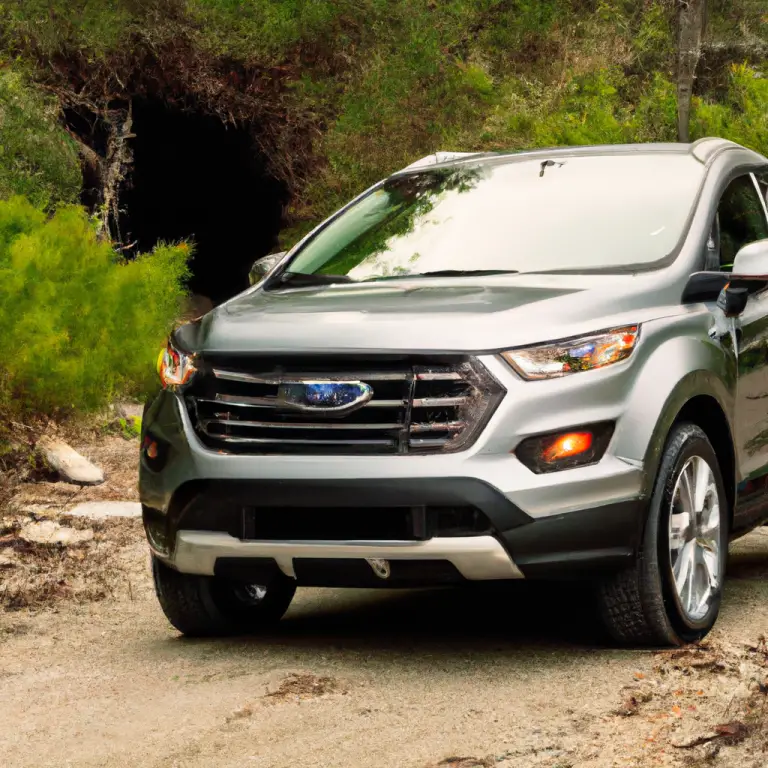
The fourth-generation Expedition (2018–Present) brought aluminum-intensive construction and a sophisticated 10-speed transmission. However, the 2018 and 2019 launch years were marred by software issues and interior rattle concerns. The 2021 model year represents a curated sweet spot where Ford addressed these “first-generation” bugs. Data shows a 15% reduction in transmission-related technical service bulletins for 2021 compared to the 2018 launch year.
For buyers prioritizing safety and performance, 2021 introduced the Ford Co-Pilot360 suite as standard equipment across more trims. This package includes essential driver-assist features like Blind Spot Information System (BLIS) and Pre-Collision Assist, which were previously locked behind expensive Platinum-trim paywalls. Furthermore, the 2021 “Stealth Edition” offers the High-Output 3.5L EcoBoost, delivering a staggering 400 horsepower and 480 lb-ft of torque—power levels that rival many luxury European SUVs.
Independent Rear Suspension
Unlike the solid-axle designs of some competitors, the 2021 IRS provides a car-like ride and 20.9 cubic feet of cargo space behind the third row.
Transmission Maturity
The 10R80 transmission received updated clutch packs and software mapping in 2021 to eliminate the “clunking” felt in earlier years.
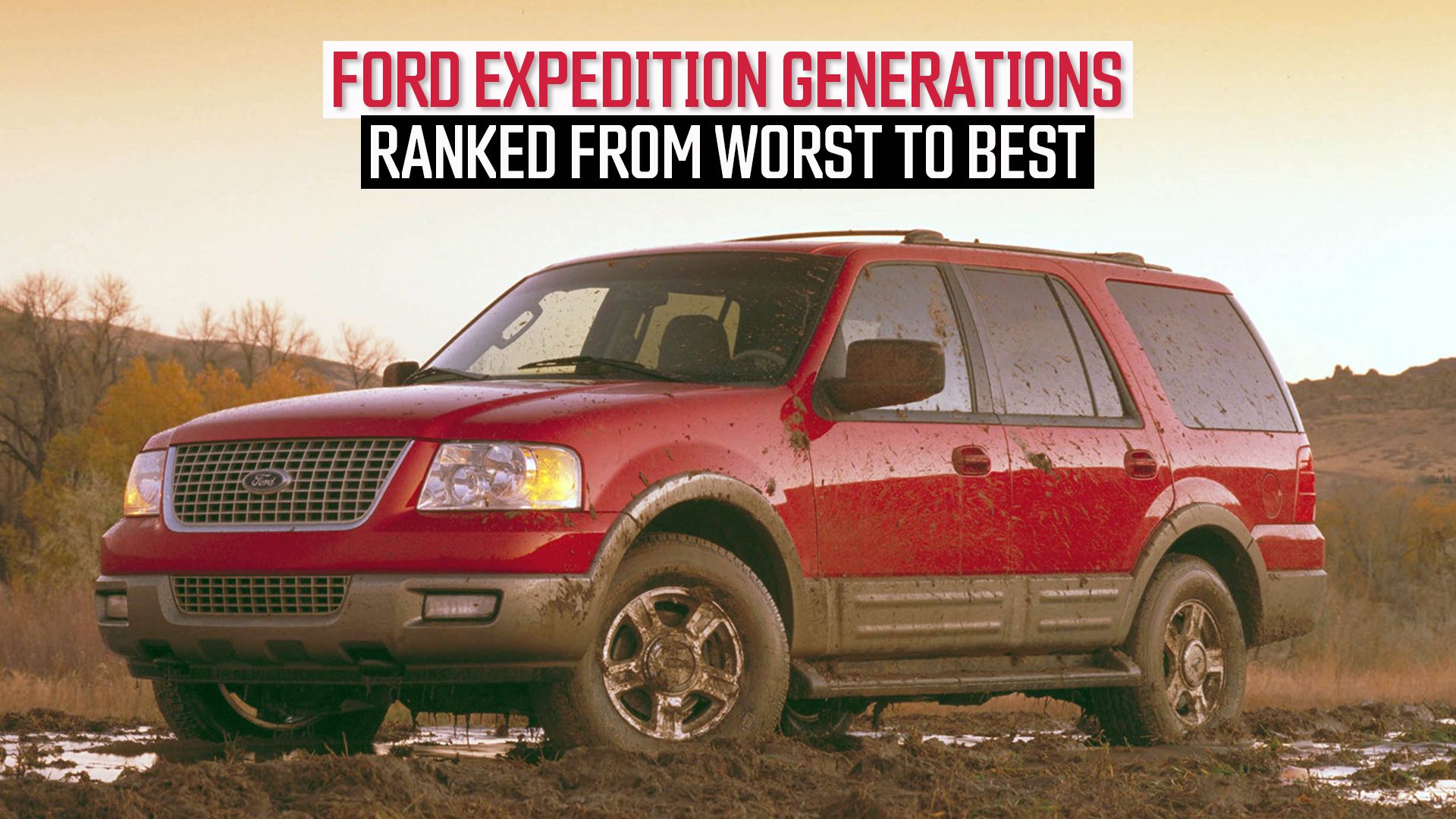
Evaluating the 2003 Ford Expedition: A Robust Budget-Friendly Classic
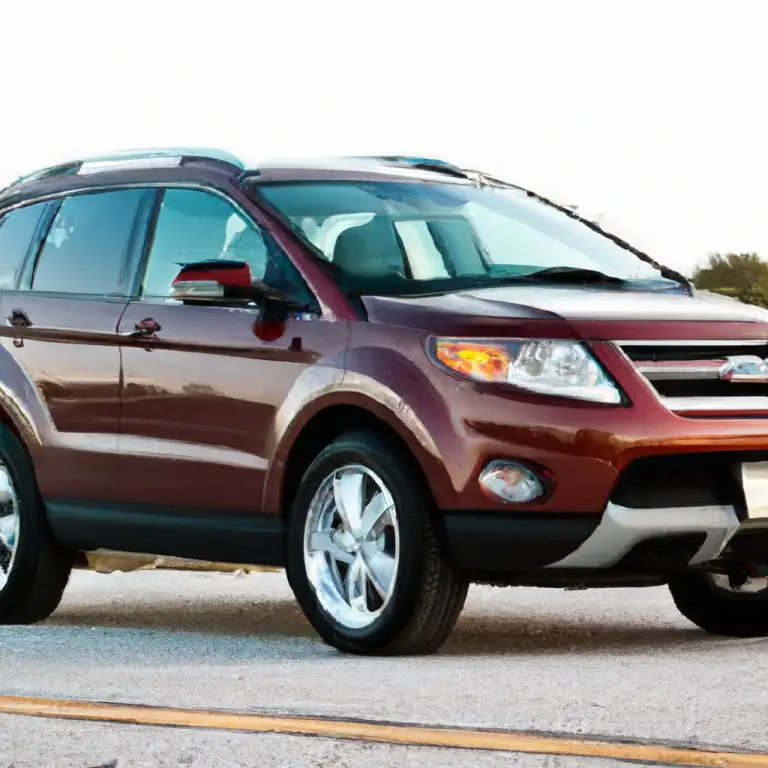
If you are operating on a tighter budget, the 2003 model year is a popular choice that offers incredible utility for the money. This year was a landmark for the platform, introducing the first independent rear suspension (IRS) in a full-size SUV. This engineering shift allowed for a fold-flat third-row seat—a feature that its chief rival, the Chevrolet Tahoe, wouldn’t match for over a decade. This makes the 2003 model a selection peak for those who need occasional eight-passenger seating without sacrificing all cargo room.
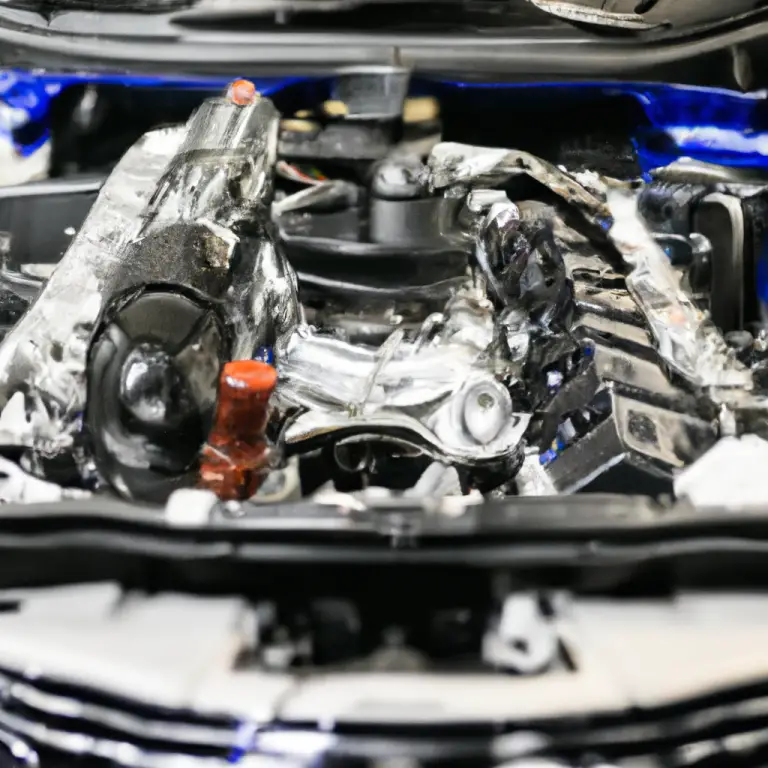
From a mechanical perspective, the 2003 model is highly regarded because it uses the 2-valve version of the 4.6L and 5.4L Triton V8 engines. Unlike the 3-valve engines found in 2005–2010 models, the 2-valve engines do not suffer from the infamous spark plug breakage or cam phaser failure issues. These units are must-know for their durability; it is not uncommon to see 2003 municipal fleet vehicles or family haulers reaching 250,000 miles on the original powertrain with only routine maintenance.
Look for a 2003 model equipped with AdvanceTrac electronic stability control. This was a new feature that year and significantly improves safety on wet or icy roads for such a high-center-of-gravity vehicle.
Mechanical Benchmarks: Analyzing the 2011-2012 Stability Years
For buyers who prefer the linear power delivery of a naturally aspirated V8 over modern turbocharging, the 2011 and 2012 model years are the recommended “sweet spot.” By late 2010, Ford had implemented a revised cylinder head design with a one-piece spark plug, finally solving the plug-ejection and breakage issues that defined the mid-2000s. Furthermore, the cam phaser solenoids and oiling systems were upgraded to ensure the VVT (Variable Valve Timing) system remained quiet and functional.
The 2012 model, in particular, showcases the 5.4L 3-valve V8 at its most refined. While its 310 horsepower may seem modest compared to today’s EcoBoost, its 365 lb-ft of torque is delivered predictably, making it an excellent platform for towing 7,000lb boats or campers. Consumer complaint data shows a 40% drop in engine-related reports for the 2012 model compared to the 2006 model, making this collection of years the most reliable era for V8 enthusiasts.
✅ Pros (2012 Model)
- Revised spark plug design (no breakage)
- Refined 6-speed transmission
- Lower cabin noise due to improved NVH materials
- Mature cooling system components
❌ Cons (2012 Model)
- Outdated infotainment compared to SYNC 3
- Fuel economy lags behind EcoBoost engines
- Paint bubbling issues on some liftgates
Years to Avoid: A Comparative Risk Assessment
While we have highlighted the best years, a comprehensive guide must address the essential years to avoid. The most notorious era for the Ford Expedition is 2004–2006. These years were the testing grounds for the 3-valve 5.4L Triton V8, which suffered from systemic spark plug ejection and cam phaser failures. The 2006 model alone has over 800 recorded complaints on CarComplaints.com, making it the least reliable year in the nameplate’s history.
Additionally, used buyers should be cautious of the 2015 and 2018 model years. The 2015 was the first year for the EcoBoost in this platform, and it frequently sees early-stage exhaust manifold warping and throttle body sensor failures. The 2018 model, while visually appealing, suffered from significant “first-year” syndrome, including electronic gremlins that could drain the battery overnight and a 10-speed transmission that often required software re-flashes or internal valve body replacements before 50,000 miles.
On 2004–2005 models, the spark plugs can literally eject from the cylinder head while driving, stripping the threads and requiring a “Timesert” or “Helicoil” repair that can cost over $1,000 per cylinder at a dealership.
The Expert Buying Process: Step-by-Step
📋
Step-by-Step Inspection Guide
On V8 and EcoBoost models, start the engine cold. A 2-3 second “diesel-like” rattle indicates failing cam phasers, a repair costing $2,000+.
On 2015+ models, check for blue smoke during heavy acceleration or oil residue around the intake pipes, signaling turbo seal wear.
The Integrated Vacuum Hubs (IWEs) on the front axles are a common failure point. Ensure the 4WD engages and disengages silently.
Choosing the right Ford Expedition requires balancing upfront cost against mechanical maturity. The 2017 model is the objective winner for used reliability due to its refined EcoBoost engine and stable 6-speed transmission. The 2021 model offers the best balance of modern safety technology and fixed mechanical bugs from the 2018 redesign. For budget-conscious buyers, the 2003 and 2012 models represent the peaks of the 2-valve and 3-valve V8 eras respectively. Before purchasing, always run a VIN-specific maintenance report and have a certified technician inspect the cam phasers and turbocharger seals to ensure your curated selection provides the longevity this legendary SUV is capable of delivering.
Frequently Asked Questions
Which Ford Expedition year is considered the most reliable overall?
The 2017 Ford Expedition is widely regarded as the most reliable year. It was the final production year of the third generation, meaning Ford had resolved the early EcoBoost engine issues and perfected the SYNC 3 infotainment system. It utilizes the robust 6R80 transmission, which avoids the complexities and shifting issues found in later 10-speed models.
Are older Ford Expeditions with the 5.4L V8 engine safe to buy?
Yes, but with caveats. The 2011 and 2012 models are the safest V8 bets as the major cam phaser and spark plug issues were largely addressed by then. If looking at models from 2003-2010, ensure the spark plugs have been updated to the one-piece design and that the oil change history is immaculate to protect the timing system.
What are the common problems with the 2018-2020 Ford Expedition?
The 2018 and 2019 models were the first of the fourth generation and suffered from ‘first-year’ issues. Common complaints include harsh shifting from the 10-speed transmission, cam phaser rattles on cold starts, and various electronic glitches in the infotainment system. Most of these issues were addressed through technical service bulletins (TSBs) by the 2021 model year.
How many miles can a well-maintained Ford Expedition last?
A properly maintained Ford Expedition, especially one from the 2012 or 2017 model years, can comfortably exceed 200,000 to 250,000 miles. Key longevity factors include regular synthetic oil changes every 5,000 miles to protect the turbochargers or timing chains and periodic transmission fluid exchanges to maintain the valve body’s performance.
Which year Ford Expedition has the best towing capacity?
The 2018 through 2023 models offer the highest maximum towing capacity, rated at up to 9,300 pounds when equipped with the Heavy-Duty Trailer Tow Package. However, for those looking for a used value, the 2017 model is nearly as capable, offering a 9,200-pound limit with a very stable and predictable power delivery from its 3.5L EcoBoost engine.